Quick Answer
To properly store your leather whips, keep them coiled loosely in a cool, dry place away from direct sunlight and humidity. Use a breathable cotton bag or wrap them in a soft cloth, and never hang them by the handle or fall. Regularly condition the leather to maintain its flexibility and prevent cracking.
Leather whips are investments in craftsmanship and performance. Whether you own a bullwhip for sport, a stockwhip for working cattle, or a decorative piece for cosplay, proper storage is essential to prevent damage. Without the right care, leather can dry out, crack, or develop mold, ruining the whip's flexibility and lifespan.
Many whip owners make the mistake of storing their whips in a garage, basement, or car trunk, where temperature and humidity fluctuate. These conditions can cause the leather to absorb moisture, leading to mildew, or dry out too quickly, causing the hide to become brittle. In this guide, we'll walk you through a step-by-step process to store your leather whips correctly, ensuring they remain in peak condition for years.
Why Proper Storage Matters
Leather is a natural material that responds to its environment. When exposed to excessive dryness, the oils in the leather evaporate, leaving it stiff and prone to cracking. Conversely, high humidity encourages mold growth, which can stain and weaken the leather fibers. Sunlight and heat accelerate these processes, fading the color and drying out the hide.
Whips have a complex internal construction—like the leather core, bolsters, and braided bellies in a quality bullwhip—that relies on flexibility to function correctly. If the leather dries out or becomes misshapen, the whip will not crack properly and may even break. Therefore, consistent storage conditions are key to preserving the whip's performance and durability.
- Store in a room with stable temperature and humidity (around 50-60°F and 40-50% humidity).
- Avoid attics, basements, and garages where conditions fluctuate.
Preparing Your Whip for Storage
Before storing, ensure your whip is clean and completely dry. Wipe down the leather with a soft, dry cloth to remove dust, dirt, and any moisture from use. If the whip is damp, allow it to air dry naturally at room temperature—never use a heater or hair dryer, as rapid drying can cause cracking.
If the leather feels dry, apply a light conditioner specifically designed for leather. This helps maintain the natural oils and flexibility. However, be careful not to over-condition, as excess product can attract dust and make the leather sticky. Allow the conditioner to absorb fully before storing.
- Use a leather conditioner sparingly—once every 3-6 months is usually sufficient.
Choosing the Right Storage Method
The ideal way to store a whip is coiled loosely in a circular shape, mimicking the way it naturally rests. Start from the handle and coil the whip into a circle, then secure it with a soft strap or tie. Avoid making tight bends, especially near the handle or fall, as this can cause kinks.
Place the coiled whip in a breathable cotton or linen bag, or wrap it in a soft cotton cloth. This protects it from dust and light while allowing air circulation. Avoid plastic bags or airtight containers, which trap moisture and promote mold.
If you have a whip with a steel rod inside the handle, like many bullwhips, it's especially important not to hang the whip by the handle, as this can stress the internal rod and cause deformation. Instead, store it flat on a shelf or in a drawer.
- Use a dedicated whip bag or wrap in a cotton pillowcase.
Ideal Storage Locations
Choose a storage spot that is cool, dry, and dark. A closet or cupboard in a climate-controlled room is often perfect. Avoid areas with direct sunlight, such as near windows, as UV rays can fade and dry out the leather.
If you live in a humid climate, consider using a dehumidifier in the storage area or adding a silica gel packet inside the storage bag. Conversely, in very dry climates, you might place a small humidifier nearby or use a leather conditioner more frequently to keep the leather supple.
- Monitor the storage area's humidity with a hygrometer.
Step-by-Step Whip Storage Process
- Clean and dry the whip: Wipe the whip with a soft dry cloth to remove dust and moisture. If it's damp, let it air dry completely at room temperature away from heat sources. Checkpoint: Ensure the whip is completely dry before storing to prevent mold.
- Condition the leather: Apply a thin layer of leather conditioner to keep the hide supple. Use a product specifically for leather and follow the manufacturer's instructions. Checkpoint: Avoid over-conditioning; excess can attract dust.
- Coil the whip loosely: Starting from the handle, coil the whip into a circle with a diameter of about 1-2 feet, depending on length. Avoid tight bends, especially at the fall and handle. Checkpoint: The coil should be loose enough to prevent kinks.
- Wrap in breathable fabric: Place the coiled whip inside a cotton or linen bag, or wrap it in a soft cotton cloth. This protects from dust and light while allowing air circulation. Checkpoint: Never use plastic bags or airtight containers.
- Store in a cool, dry place: Choose a closet or cupboard away from direct sunlight, heat, and humidity. Ideally, maintain a stable temperature and humidity level. Checkpoint: Monitor the area with a hygrometer and adjust if needed.
Leather Whip Storage Essentials
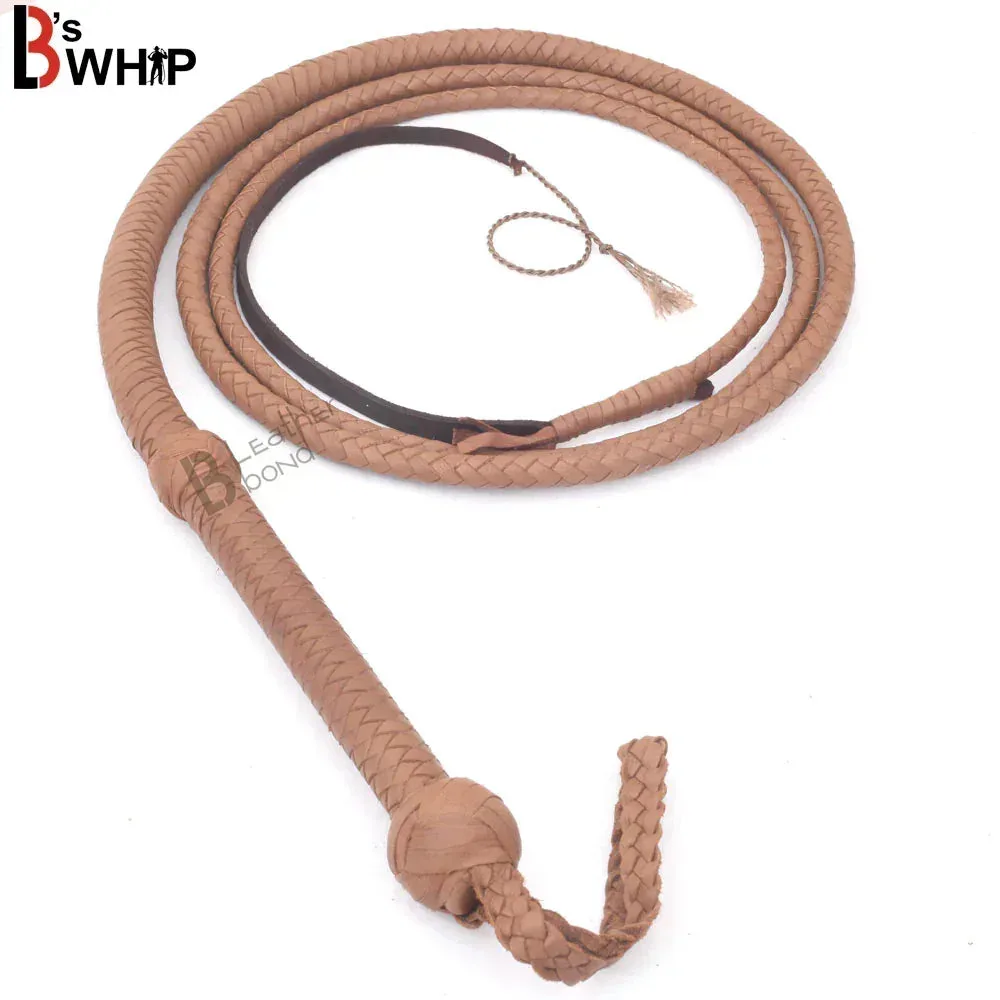
- Bull Whip 6, 8, 10, 12, 14 & 16 Feet long 12 Strands Cowhide Leather Equestrian Bullwhip Indiana Jones Dark Brown: Material: Vegetable Tanned Cowhide Leather. Inside construction includes a leather core, two cowhide bolsters, and two braided bellies of 4 strands each, with a 12-plait braided overlay. Handle is 9 inches long with a steel rod inside. The steel rod in the handle means you should never hang this whip by the handle, as it could bend or stress the rod. Coiling and storing flat is essential to maintain the whip's shape and performance.
- Bull Whip 6, 8, 10, 12, 14 & 16 Feet long 16 Strands Kangaroo Hide Leather Equestrian Bullwhip Leather Belly and Bolster Inside, Indiana Jones: Material: Kangaroo hide leather, which is the strongest leather for whips. Inside construction includes a leather core, two kangaroo bolsters, and two braided bellies of 4 strands each, with a 16-plait braided overlay. Handle is 9 inches long with a steel rod inside. Kangaroo leather is strong but still needs proper conditioning and storage to prevent drying. The steel rod again means flat storage is preferred over hanging.
- Indiana Jones Style Tan Leather Bullwhip (4ft – 12ft) – Handmade Cowhide: This is a fully handmade whip available in 4-foot to 12-foot lengths. Designed for cosplay, collection, equestrian sports, or whip cracking. Even if you use this whip for cosplay or collection, proper storage is crucial to prevent the leather from becoming brittle or misshapen over time.
By following these steps, you can ensure your leather whips remain in excellent condition, ready for use whenever you need them. Proper storage not only prevents damage but also extends the life of your whip, preserving its performance and appearance. Remember, a little care goes a long way in maintaining the craftsmanship of your leather gear.