Quick answer
Start by sleeving the cards you shuffle most, then store tokens and sheets so nothing presses or slides against them. Clean hands and a stable, dry shelf do more for board game maintenance than any single product. If you only do one thing, sleeve the deck that hits the table every game night.
You do not need a museum setup to keep a board game in good condition. Most wear comes from three places: shuffling, table grit, and stacking. Fix those and your cards, sheets, and tokens will outlast the hype cycle.
This guide walks through a repeatable care routine for any collection, whether you own a few big-box games or a shelf of small ones. It focuses on board game care tips you can start tonight, with honest tradeoffs about sleeves, storage, and when protection is not worth the cost.
Step 1: Sort what actually needs protection
Not every component needs a sleeve. Cards that get shuffled every session, player sheets that get written on, and tokens that move constantly are the priority. Cards that sit in a box untouched can usually wait. Sort your game into three piles: high-touch, medium-touch, and display-only.
This step saves money and keeps storage slim. A deck-building game might need 200 sleeves, while a light party game may need none. If you are unsure, play one session and note which pieces show fingerprints, bent corners, or edge whitening first.
- High-touch: shuffled decks, player dashboards, frequently moved tokens.
- Medium-touch: reference cards, scenario sheets, rarely used tokens.
- Display-only: miniatures, art prints, insert trays.
Step 2: Choose sleeves that fit the cards you own
Board game card sleeves come in standard, mini, and oversized sizes, and the fit matters more than the brand. Measure a card before buying. A sleeve that is too loose lets cards slide out; one that is too tight bends corners when you insert the card.
For games with heavy shuffling, look for sleeves with a slightly textured back for grip. For games where cards go into a tableau and stay put, a clear, thinner sleeve is fine. If a game mixes card sizes, buy each size separately rather than forcing one sleeve to fit all.
- Checkpoint: insert one card, hold the sleeve by a corner, and shake gently. The card should stay in place.
- Mistake to avoid: sleeving a whole game before testing one sleeve on one card.
Step 3: Sleeve in small batches and check the shuffle
Sleeve ten cards, shuffle them, and deal them out. If the deck feels too tall or slips, adjust your sleeve choice before doing the rest. Sleeved decks are thicker, so a game box insert may no longer fit everything. That is normal, and it is a good time to decide whether to keep the insert or store cards separately.
This batch method also catches manufacturing defects early. If one sleeve in ten splits at the seam, return that pack before you open the next one.
- Checkpoint: a sleeved deck should riffle or mash shuffle without cards catching on each other.
- Mistake to avoid: overstuffing a deck box so the sleeves compress and bow.
Step 4: Protect sheets with the right surface and storage
Board game sheet protection is mostly about the writing surface and how sheets are stored. Dry-erase sheets should be wiped clean after each session with a soft cloth, not left marked for weeks. Paper score sheets are better copied or laminated than written on directly if the game is a long-term keeper.
Store sheets flat, not folded. If a sheet must travel, slide it into a rigid folder or between two pieces of cardboard. Moisture is the quiet enemy here: a damp basement will warp sheets faster than handling ever will.
- Checkpoint: hold a sheet at eye level. If it curves, it has been stored under pressure or moisture.
- Mistake to avoid: stacking heavy boxes directly on top of loose sheets.
Step 5: Care for game tokens without overdoing it
To care for game tokens, focus on two habits: keep them dry and keep them separated. Cardboard tokens chip when they rub together in a loose bag. Use small zip bags, token trays, or a compartment box so pieces do not grind against each other in transit.
Wooden and plastic tokens tolerate a dry cloth. Painted or printed tokens should not be soaked. If a token feels sticky, wipe it with a barely damp cloth and let it air dry completely before it goes back in the box.
- Checkpoint: shake the token bag gently. You should hear a soft rustle, not a hard clatter of pieces hitting each other.
- Mistake to avoid: washing cardboard tokens with water or cleaners.
Step 6: Set up storage that reduces daily wear
Most damage happens between sessions, not during them. Store games vertically or horizontally, but keep the box full enough that contents do not slide. If a box is half empty after sleeving, add a foam block or a folded insert to hold cards in place.
Keep games away from direct sun, radiators, and damp floors. A stable shelf at room temperature is ideal. If you stack boxes, put heavier games at the bottom and never stack more than three high on a weak shelf.
- Checkpoint: close the box and tilt it gently. Nothing should shift audibly.
- Mistake to avoid: storing games in a garage or attic with big temperature swings.
Step 7: Build a five-minute table routine
Before play, wipe the table and ask players to wash or sanitize hands. After play, count components back into their bags and trays before the box closes. This single habit prevents most lost tokens and bent cards.
Keep a small care kit near your game shelf: a soft cloth, a few spare sleeves, small zip bags, and a token tray. When something needs attention, you fix it in seconds instead of postponing it until the next game night.
- Checkpoint: the box closes without force and the lid sits flush.
- Mistake to avoid: leaving drinks and snacks directly over open game components.
Your seven-step protection routine
- Sort by touch frequency: Divide components into high-touch, medium-touch, and display-only piles before buying anything. Checkpoint: only high-touch and medium-touch items get protection first.
- Measure and test one sleeve: Insert a single card into one sleeve and check the fit before committing to a full pack. Checkpoint: the card should not slide out when the sleeve is held by a corner.
- Sleeve in batches of ten: Sleeve ten cards, shuffle them, and confirm the deck still handles well before continuing. Checkpoint: the sleeved deck should shuffle without cards catching.
- Flatten and dry sheets: Wipe dry-erase sheets after each session and store paper sheets flat, away from moisture. Checkpoint: a sheet held at eye level should not curve.
- Separate tokens in bags or trays: Use small zip bags or compartment trays so cardboard tokens do not rub together. Checkpoint: a gently shaken token bag should rustle, not clatter.
- Fill empty box space: Add foam or a folded insert so sleeved cards and loose pieces do not slide during storage. Checkpoint: tilt the closed box gently and listen for shifting.
- Run a five-minute table routine: Wipe the table before play, wash hands, and count components back into trays after play. Checkpoint: the box closes without force and the lid sits flush.
What this looks like in real games
- https://rockmanorgamesdz.com/products/disco-heist-laundry-deluxe-6f32a9cde2d1d39079bea6ab-1730823Disco Heist Laundry (Deluxe): Upgrade to the Deluxe Edition for enhanced components and the Glitter Gulch expansion pack, adding new locations, crew members, and criminal schemes to keep every game fresh. Deluxe components and expansion cards are worth sleeving and storing carefully because replacing them is harder than replacing a standard deck.
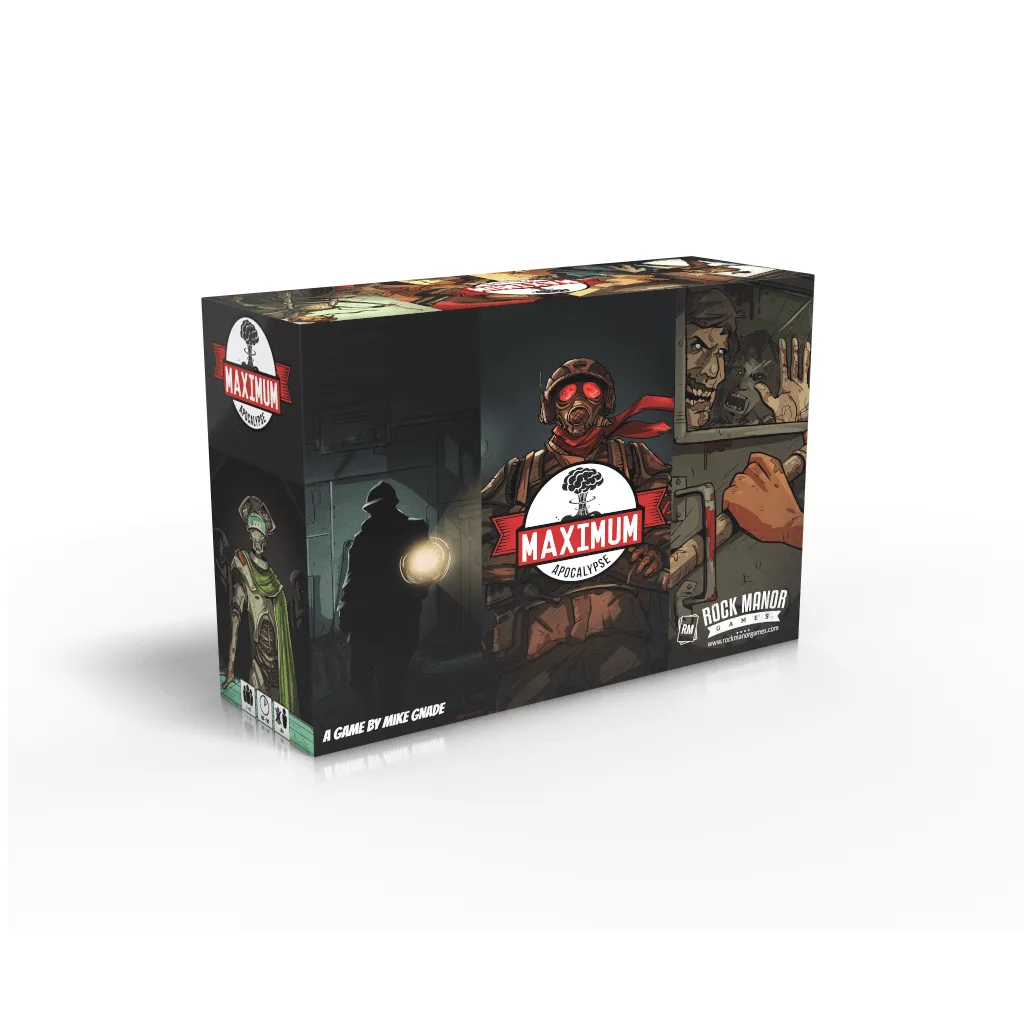
- Maximum Apocalypse 2E: Maximum Apocalypse has a brand new core set, adapting all the rules learned along the way and including the miniatures and trays that make setup and teardown so fast. Built-in trays already separate miniatures and tokens, so you can focus your protection budget on cards and sheets rather than buying extra storage.
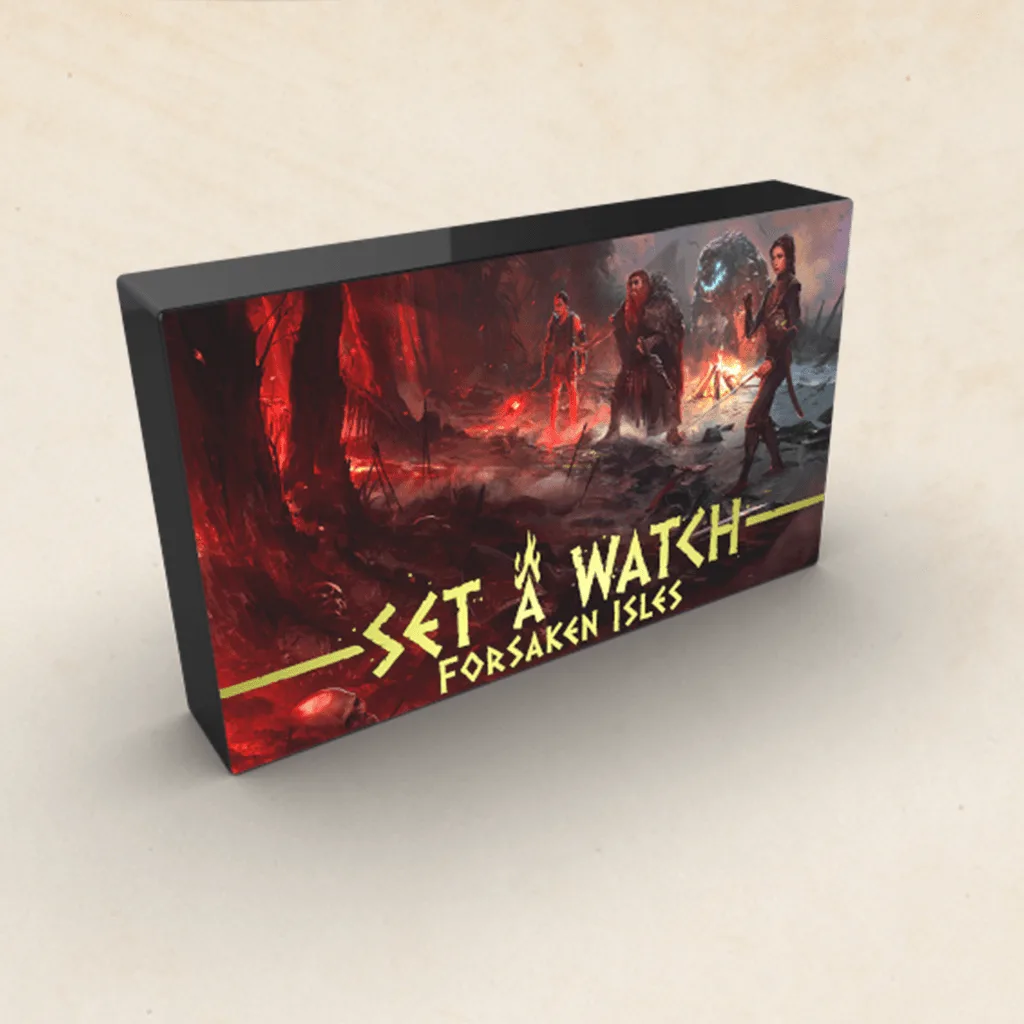
- https://rockmanorgamesdz.com/products/set-a-watch-forsaken-isles-2eabdd6c14c600181517376e-1730821Set a Watch: Forsaken Isles: Forsaken Isles is a stand-alone expansion featuring the same critically-acclaimed gameplay with a new Doom mechanic and a new "short game" mode, and all the Adventurers, creatures, items, and locations from any other Set a Watch game are compatible. Compatibility across Set a Watch games means your cards get mixed and shuffled more often, which is exactly when sleeves pay off.
You do not need to protect everything at once. Start with the deck you shuffle most, add sleeves in batches, and store tokens and sheets so they never press against each other. A five-minute routine before and after play will do more for board game maintenance than any single purchase.