Quick answer
To protect miniatures and tokens during storage, use a two-layer approach: cushion each piece in foam or a soft pouch, then control the environment with desiccant packs and stable temperatures. For tokens, keep them in compartmented boxes or bags to prevent scratches and mixing. This process works for any collection size and adds only a few minutes to your pack-up routine.
Why storage damage happens even when games sit on a shelf
Miniatures and tokens face three main threats: physical abrasion, moisture, and chemical exposure. Abrasion occurs when pieces rub against each other or hard surfaces during movement or handling. Moisture from humidity can soften paint, warp cardboard tokens, and encourage mold. Chemical exposure includes oils from skin, sunlight, and certain plastics that off-gas over time. Understanding these risks helps you choose the right protective materials without overcomplicating your setup.
Choose the right container before you add any padding
container
The container sets the baseline for protection. For miniatures, a hard-shell case with a flat bottom prevents flexing that can snap delicate parts. For tokens, a compartmented box or a binder with acid-free pages keeps them flat and separated. Avoid clear plastic bags for long-term storage because they trap moisture and can scratch painted surfaces. If you use original inserts, check that they hold pieces snugly—if a miniature rattles when you shake the box, it needs extra cushioning.
Pick foam or soft pouches based on miniature shape and fragility
Foam inserts for miniatures work best when the foam is soft enough to compress but firm enough to hold shape. Pick-and-pluck foam lets you customize cavities, but it sheds over time; consider a foam topper to contain debris. For highly detailed or painted miniatures, use a soft cloth pouch or a foam-lined tray with individual slots. Tokens benefit from small drawstring bags or plastic compartments with rounded corners to avoid edge wear. Test fit each piece—if you feel resistance, the cavity is too tight and could bend thin parts.
Control moisture and temperature in your storage area
Humidity is the silent enemy. Aim for a stable relative humidity between 40% and 50%. Use silica gel desiccant packs in each container, and recharge them according to the manufacturer's instructions. Avoid storing games in basements, attics, or garages where temperature swings cause condensation. If you live in a humid climate, a small dehumidifier for the room is more effective than relying on desiccant alone. Never store miniatures in direct sunlight—UV light fades paint and weakens some plastics.
Handle painted miniatures with a plan for protection during play and transport
Miniature painting protection starts with a varnish coat, but storage adds another layer. After painting, apply a matte or satin varnish to seal the paint. For transport, use a case with individual foam slots and carry it flat rather than by a handle that swings. When setting up a game, place miniatures on a soft mat or cloth instead of directly on a hard table. After play, inspect each piece for loose parts or chipped paint before returning it to storage.
Label and document your storage layout for quick retrieval
A consistent labeling system saves time and reduces handling damage. Use removable labels on compartments or take a photo of the packed layout and keep it in the box. For token storage ideas, group tokens by type or scenario in small bags, then label the bags. If you rotate games frequently, keep a master list of what is stored where. This prevents digging through multiple boxes and minimizes the risk of dropping or losing pieces.
Step-by-step storage process
- 1. Sort and inspect every piece: Lay out all miniatures and tokens on a soft cloth. Check for loose parts, chipped paint, or bent tokens. Set aside anything that needs repair before storage. Common mistake: skipping inspection and storing damaged pieces, which can worsen over time.
- 2. Clean gently with appropriate tools: Use a soft brush or microfiber cloth to remove dust. For sticky residue on tokens, use a lightly damp cloth and dry immediately. Never use harsh solvents on painted miniatures. Checkpoint: pieces should be dry and free of debris before they go into storage.
- 3. Choose and prepare your container: Select a hard-shell case or compartmented box. If using foam, ensure cavities are slightly larger than the piece. Add a desiccant pack to the container. Common mistake: using a container that is too deep, allowing pieces to shift and collide.
- 4. Cushion each miniature individually: Place miniatures in foam slots, soft pouches, or wrapped in acid-free tissue. Ensure no piece touches another directly. For tokens, use small bags or compartments. Checkpoint: shake the closed container gently—if you hear rattling, add more cushioning.
- 5. Store in a stable environment: Keep containers on a shelf away from direct sunlight, heat sources, and damp walls. Maintain humidity between 40% and 50% if possible. Common mistake: storing in a garage or basement where temperature and humidity fluctuate.
- 6. Label and document your layout: Label each compartment or bag. Take a photo of the packed container and keep it on your phone or inside the box lid. Next step: set a reminder to check desiccant packs every three months and recharge or replace them.
Games that benefit from smart storage
- No Loyalty: No Loyalty is a chaotic party game where teams shuffle every round, so tokens and cards get handled constantly. Frequent handling means tokens need quick-access storage that still protects them from scratches and bends.
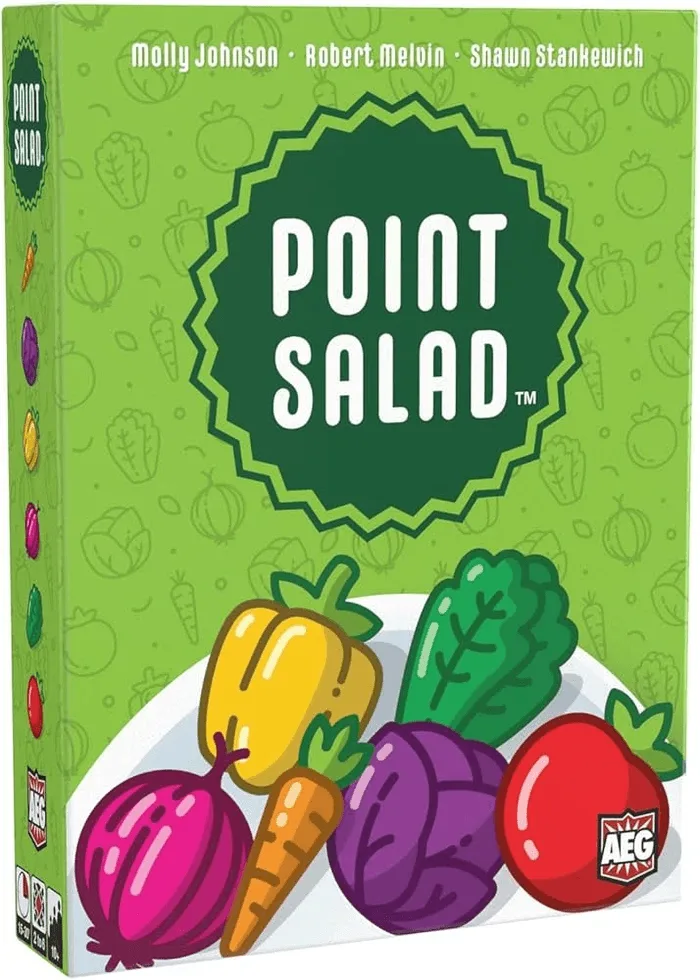
- Point Salad - Kickstarter Edition - Includes Promo Mini-Expansions: Point Salad - Kickstarter Edition includes over 100 scoring methods and six types of veggie cards, plus promo mini-expansions. Many small cards and tokens are easy to lose or damage; compartmented storage keeps them organized and ready to play.
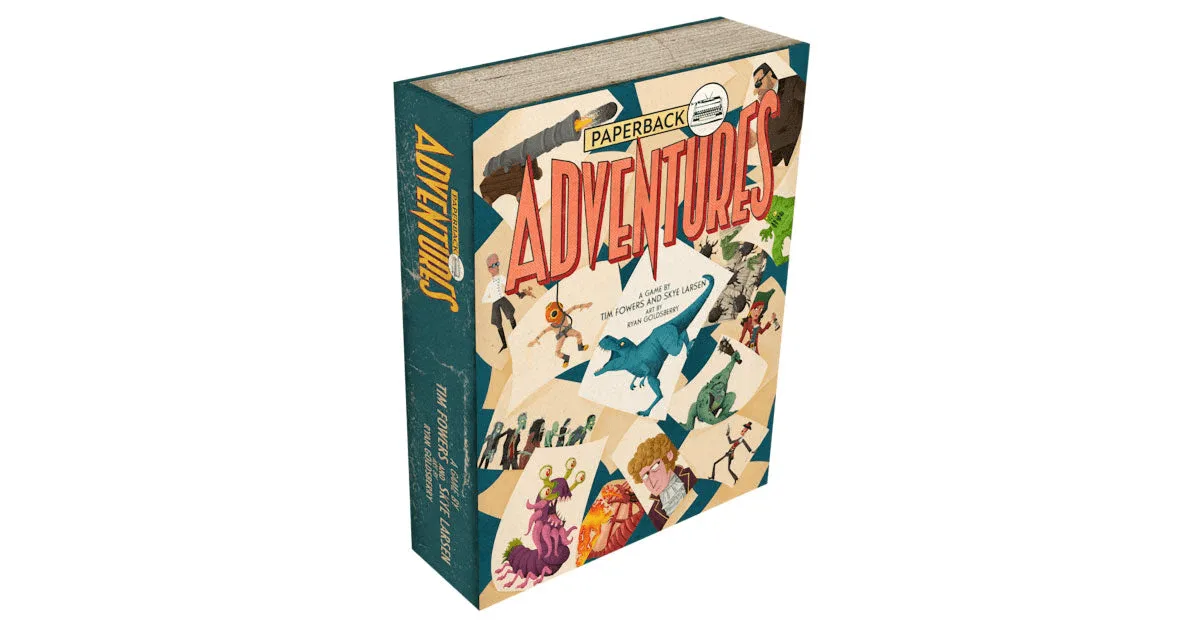
- Paperback Adventures - Core Box: Paperback Adventures - Core Box is a solo-focused word game with enemy cards, reward cards, penalty cards, and tokens in a Game Trayz insert. The included insert is designed for organization, but adding a desiccant pack and checking fit prevents wear on cards and tokens over time.