Quick answer
To read a deodorant ingredient label, start by checking for aluminum-based compounds near the top of the ingredient list. Then look for potential irritants like baking soda, and evaluate the base ingredients (oils, butters, starches) that determine effectiveness and skin feel. Finally, scan for third-party certifications such as EWG VERIFIED™ for added confidence.
Why Ingredient Labels Matter for Deodorant
Unlike antiperspirants, which block sweat glands, natural deodorants rely on ingredients that neutralize odor and absorb moisture. The label tells you exactly what touches your underarm skin—a sensitive area prone to irritation. Knowing how to read it helps you avoid common triggers like baking soda or synthetic fragrances while choosing effective, skin-friendly formulas.
Key Ingredients to Look For
Effective natural deodorants often contain arrowroot powder or tapioca starch to absorb moisture, coconut oil or shea butter as a base, and essential oils or natural fragrances for scent. Some formulas include soothing ingredients like oat or aloe, which can benefit sensitive skin. For example, the Attitude Body Wash - Sensitive Skin Argan Oil uses oat to soothe dry skin—a similar principle applies to deodorants for the underarm area.
Step-by-Step Guide to Reading a Deodorant Label
- Step 1: Check for Aluminum Compounds: Scan the ingredient list for aluminum zirconium tetrachlorohydrex gly, aluminum chlorohydrate, or similar names. These are antiperspirant agents, not deodorant ingredients. If present, the product is an antiperspirant, not a natural deodorant. Common mistake: assuming 'deodorant' on the front means it's aluminum-free. Always verify on the back label.
- Step 2: Look for Baking Soda (Sodium Bicarbonate): Baking soda is a common odor neutralizer but can cause redness or itching for some people. It may be listed as sodium bicarbonate. If you have sensitive skin, look for deodorants that explicitly state 'baking soda-free' or use alternative odor fighters like zinc ricinoleate or magnesium hydroxide. Checkpoint: If you experience irritation, baking soda is often the culprit. Try a baking soda-free formula.
- Step 3: Evaluate the Base Ingredients: The base—usually listed first—determines texture and moisture absorption. Look for arrowroot powder, tapioca starch, or cornstarch for absorption. Oils like coconut, jojoba, or shea butter provide glide and skin conditioning. Avoid synthetic thickeners or silicones if you prefer a natural formula. Common mistake: ignoring the base ingredients. A poor base can leave you feeling sticky or cause white marks on clothing.
- Step 4: Identify Fragrance Sources: Check if fragrance comes from essential oils or 'parfum' (a catch-all term that can hide synthetic chemicals). Essential oils like lavender or tea tree offer natural scent but can still irritate very sensitive skin. Unscented options are safest for those prone to reactions. Checkpoint: 'Fragrance-free' means no added scent; 'unscented' may still contain masking fragrances. Read carefully.
- Step 5: Look for Certifications: Third-party logos like EWG VERIFIED™, USDA Organic, or Leaping Bunny indicate the product meets specific standards for ingredient safety, natural content, or cruelty-free status. These certifications save you time by pre-vetting the formula. Next step: If you see EWG VERIFIED™, you can trust the product has been reviewed for low hazard concerns.
Related Product Facts
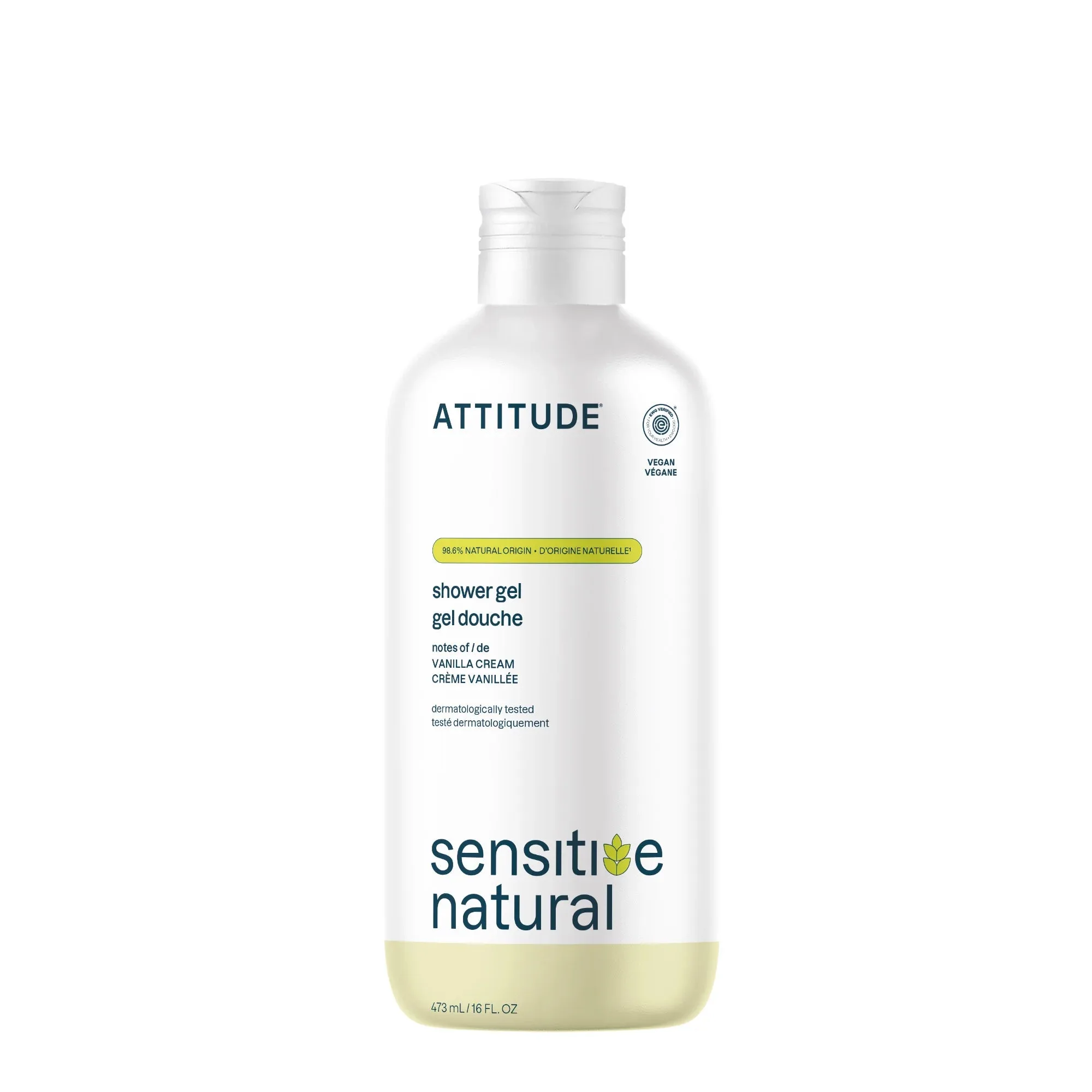
- Body Wash - Sensitive Skin Argan Oil-16 FL. OZ.: Our vegan shower gel is formulated with 98.6% naturally sourced ingredients*, including oat, to soothe and improve the appearance of dry skin. Its EWG VERIFIED™ and dermatologically tested formula is enriched with argan oil to protect and soften skin. This shows how a brand can combine naturally sourced ingredients with third-party verification (EWG VERIFIED™) to build trust—a practice you should look for when reading deodorant labels.