Quick answer
Treat a fabric swatch book as a color and scale reference, not a yardage substitute. Buy one when you are planning a scrappy or multi-fabric quilt and want to confirm palette and print scale before committing to cuts. Skip it when you already know the exact bolt, need a large piece for a background, or are shopping a single-fabric project.
What a swatch book actually contains
A swatch book is a bound or carded set of small fabric pieces from one collection or color family. Each swatch shows the actual print, weave, and color as printed by the mill, which is more reliable than a screen image. Most swatches are cut from the same fabric as the yardage, so the print scale and color are true to the bolt. What you do not get is usable yardage, and often not a full collection. Read the product listing for the fabric content, width, and how many swatches are included before you assume it covers everything you need.
How to judge color from a swatch
Color is the hardest thing to buy online, and a swatch fixes most of that problem. View the swatch under the same light you sew in, not just daylight or a phone screen. Compare it against the fabrics already in your stash, especially the background and sashing you plan to use. If a swatch looks close to another fabric on screen but different in hand, trust the swatch. This is how you catch online quilt fabric color accuracy problems before you order yards of the wrong shade.
Reading print scale and repeat
A swatch also tells you how large a print reads in a block. A design that looks delicate on a screen may be too large for a 4-inch square, or too small to show in a large panel. Lay the swatch on a ruler or next to a block you have already cut. If the repeat is wider than your smallest piece, the print will get chopped and lose its pattern. This is the step most quilters skip when choosing fabric online quilting, and it is the one that most often leads to disappointment.
Building a palette from swatches
Swatches are most useful in groups. Pull three to six swatches from one collection and arrange them in the proportion you plan to use: one dominant, one secondary, one accent. If the group looks muddy or one swatch disappears, adjust before you buy yardage. A swatch book themed to a single color palette, such as an ivory range, makes this fast because the tones are already coordinated. Keep the swatches with your project notes so you can reorder the exact fabric later.
Where swatches fall short
Swatches cannot tell you how a fabric drapes, how much it ravels, or whether it will bleed. They also cannot replace a test block. If a pattern depends on a specific fabric width or a directional print, confirm those details in the product description because swatch listings often omit them. For large background pieces, buy a small cut of the actual yardage instead of relying on a swatch alone.
Decision rules for buying quilt fabric with swatches
- Rule 1: Swatch for palette, yardage for background: Use swatches to choose accent and print fabrics. Buy actual yardage for backgrounds, sashing, and borders, where color match matters most and a small piece will not show the full tone. If more than half your quilt is one fabric, do not decide it from a swatch.
- Rule 2: Match swatch count to project size: A baby quilt or table runner needs three to five fabrics. A bed quilt with a scrappy layout may need twelve or more, and a single swatch book may not cover that range. Count your fabrics before you buy, then check how many swatches the listing includes.
- Rule 3: Test the smallest piece first: Cut one test block with the swatch palette before ordering yardage. If the print scale or contrast fails at block size, you have lost only the swatch cost. A 2-6 hour project is the right size for a swatch test.
- Rule 4: Verify what the swatch cannot show: Check the product description for fabric content, width, and directional print. If those details are missing, treat the swatch as a color reference only and buy a small cut of the real yardage. Absent specifications are a reason to sample more, not to assume.
Products that support swatch-based buying
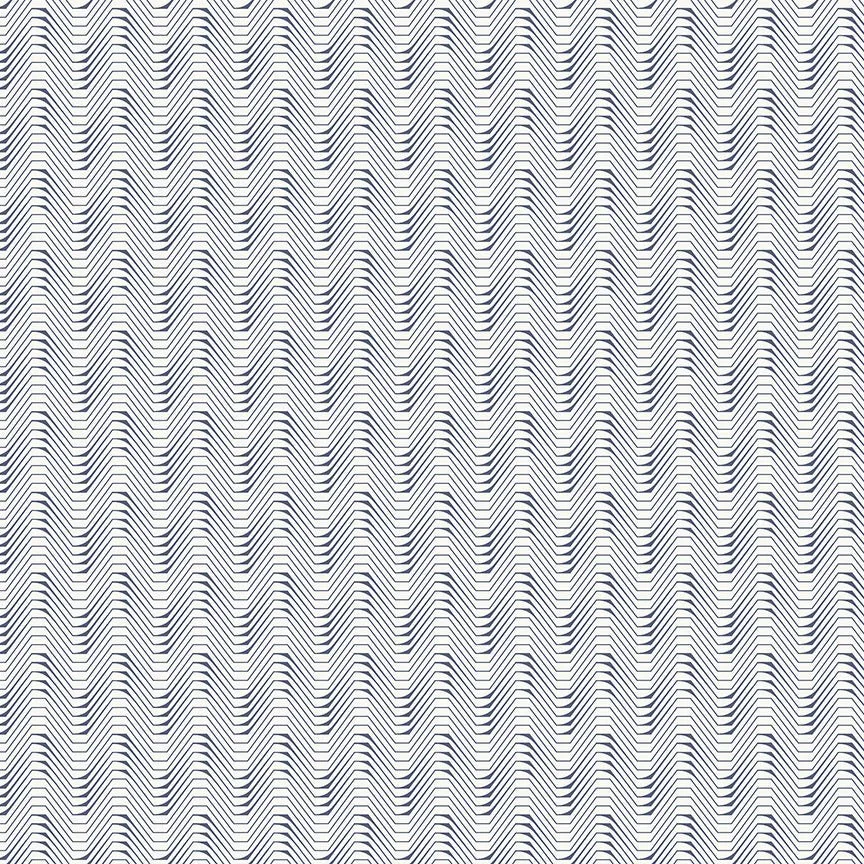
- WINDHAM - Swatch Book by Iowa Quilt Museum - Wavelengths - Ivory: WINDHAM - Swatch Book by Iowa Quilt Museum - Wavelengths - Ivory contains a variety of 100% cotton quilting fabric swatches in an ivory color palette, with fabrics approximately 44/45 inches wide. A coordinated ivory range lets you test background and low-volume choices in one purchase instead of ordering several sample cuts.
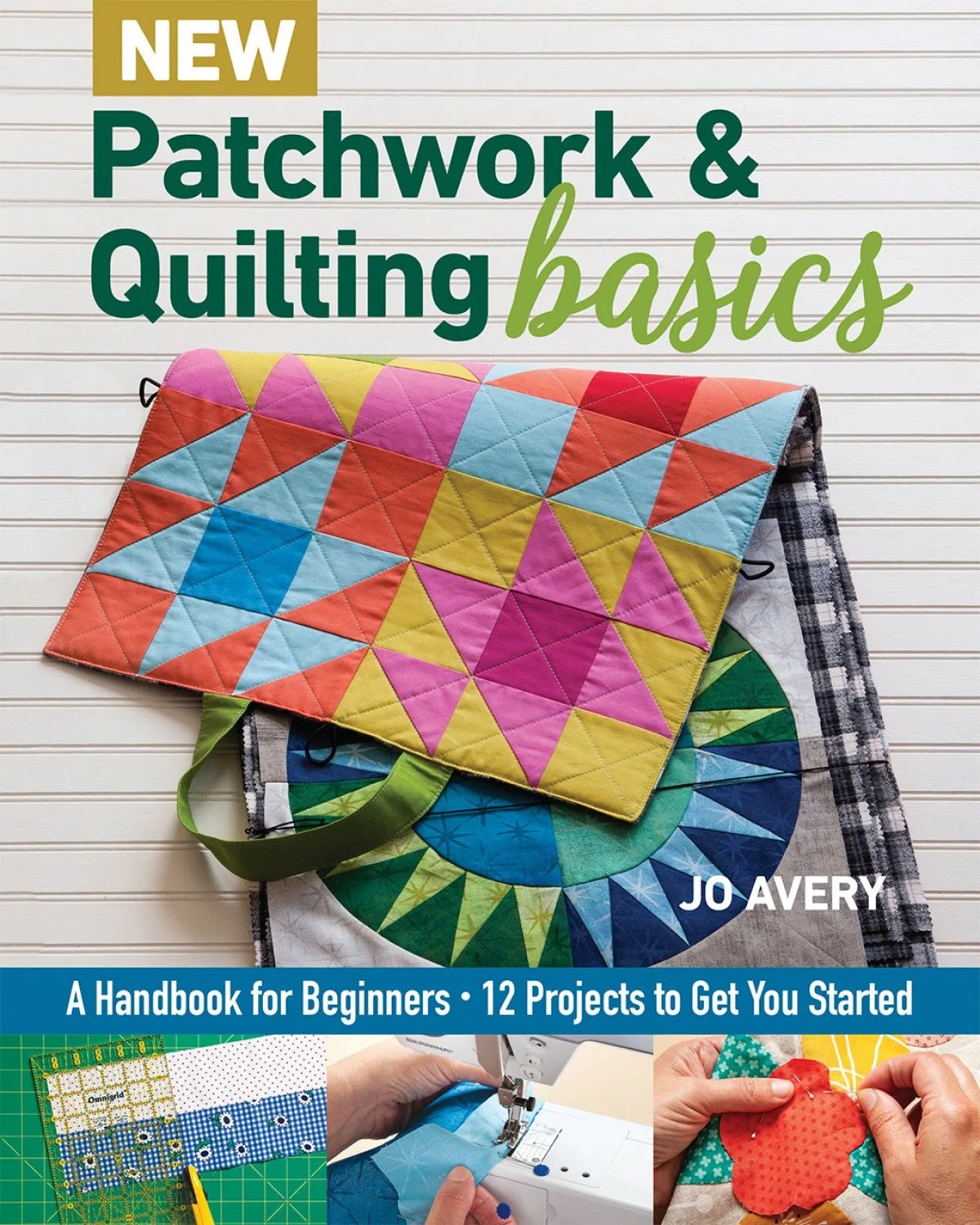
- New Patchwork & Quilting Basics Handbook by Jo Avery: New Patchwork & Quilting Basics Handbook by Jo Avery teaches pieced strips, squares, and triangles, then moves to foundation paper piecing, appliqué, and curves across twelve projects. If you are new to buying by swatch, the skill-building projects give you low-risk practice before you commit to a large palette.
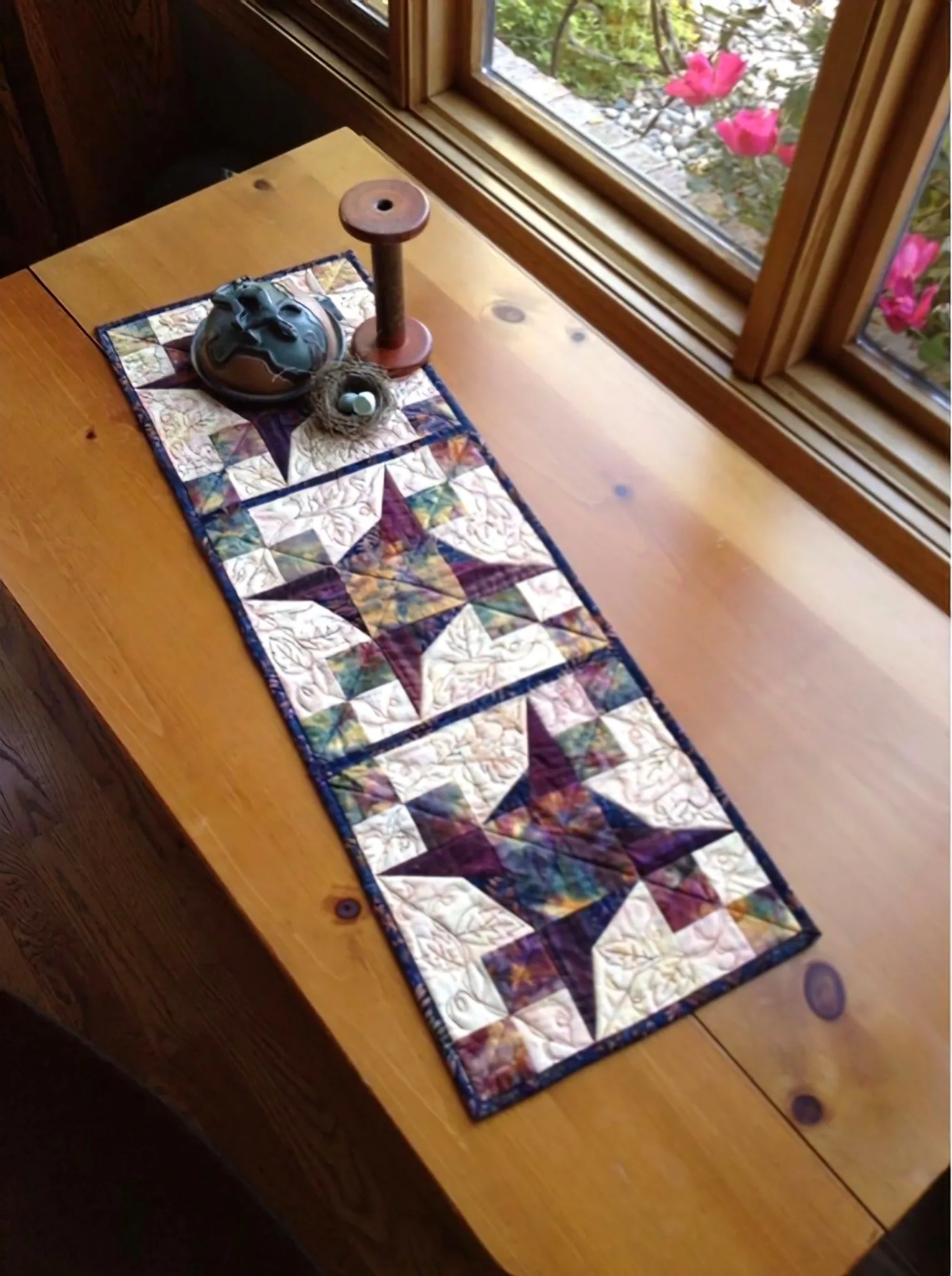
- Cut Loose Press - Irish Stars Table Runner Quilt Pattern: Cut Loose Press - Irish Stars Table Runner Quilt Pattern makes a 12 in x 37 in runner, uses Creative Grids 3085 and 4054, and is listed as a 2-6 hour project with yardage-friendly fabric. A small, fast project is the cheapest way to test whether a swatch palette works in real blocks before you buy full yardage.
Is a swatch book right for your project?
Best for
- Quilters planning a scrappy or multi-fabric quilt who need to confirm palette and contrast
- Shoppers who have been burned by online quilt fabric color accuracy and want a physical reference
- Beginners building a first stash who want to see print scale before committing to yardage
Not for
- Quilters who already know the exact bolt and only need yardage
- Projects that need large background pieces, where a swatch cannot show the full color
- Anyone buying a single-fabric quilt where palette decisions are already settled