Quick answer
To read a probiotic label, focus on three things: the CFU (colony-forming units) to gauge live bacteria count, the specific strains to match your health goal, and the expiry date to ensure viability. For example, Bio-Kult labels list the multi-strain blend and often include added vitamins, so you can see exactly what you're getting.
Probiotic labels can feel like a foreign language, but they hold the key to choosing a supplement that actually works. Whether you're comparing Bio-Kult products or picking up a new brand, understanding the label helps you avoid marketing fluff and focus on what matters: live bacteria, specific strains, and freshness.
This guide breaks down each part of a probiotic label, using Bio-Kult as a real-world example, so you can make an informed choice for your gut health.
What Does CFU Mean on a Probiotic Label?
CFU stands for colony-forming units, a measure of the number of viable bacteria in each dose. It's the number you see like '10 billion CFU' or '50 billion CFU.' Higher CFU doesn't always mean better—it depends on the strain and your needs. For everyday maintenance, a moderate dose may be enough, while after antibiotics or during travel, you might want a higher count.
Bio-Kult labels clearly state the live bacteria count per capsule, so you can compare products. For example, Bio-Kult Boosted is described as an 'extra strength formula,' indicating a higher CFU designed for immune and digestive support. Always check the CFU at the expiry date, not just at manufacture, because bacteria die over time.
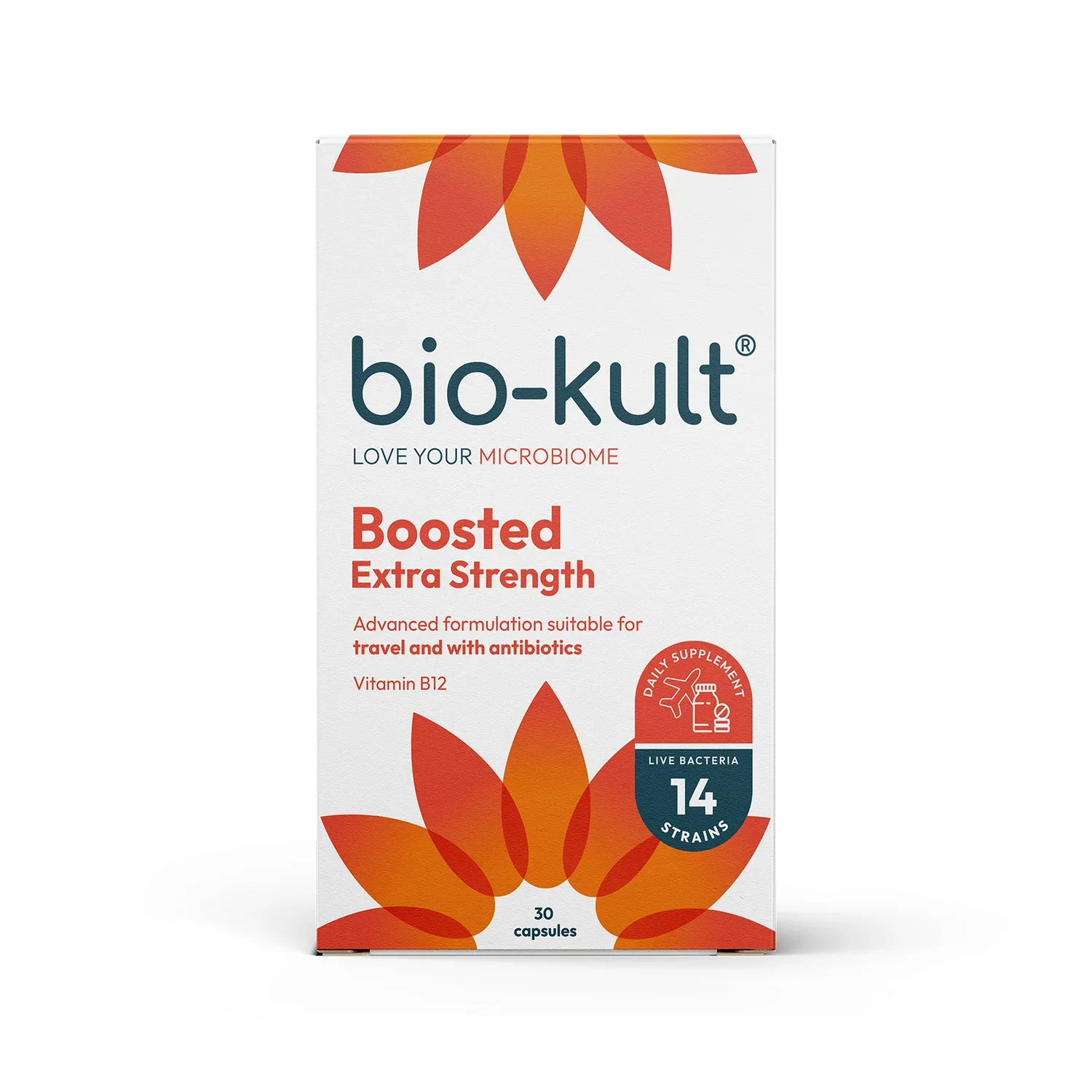
Bio-Kult Boosted
- Check CFU per serving, not per container.
- Higher CFU isn't always better—match it to your health goal.
Why Strains Matter More Than CFU
The specific strains in a probiotic determine its effects. For instance, Saccharomyces boulardii is a yeast strain known for supporting digestive balance, especially during antibiotic use. Lactobacillus and Bifidobacterium species are common for gut health. A multi-strain formula may offer broader support, but quality matters more than quantity.
Bio-Kult products often contain multiple strains, and the label names them. For example, Bio-Kult S. Boulardii focuses on that specific strain, while Bio-Kult Everyday likely includes a range of bacteria. When choosing, look for strains that match your needs—like immune support or digestive balance—not just a long list.
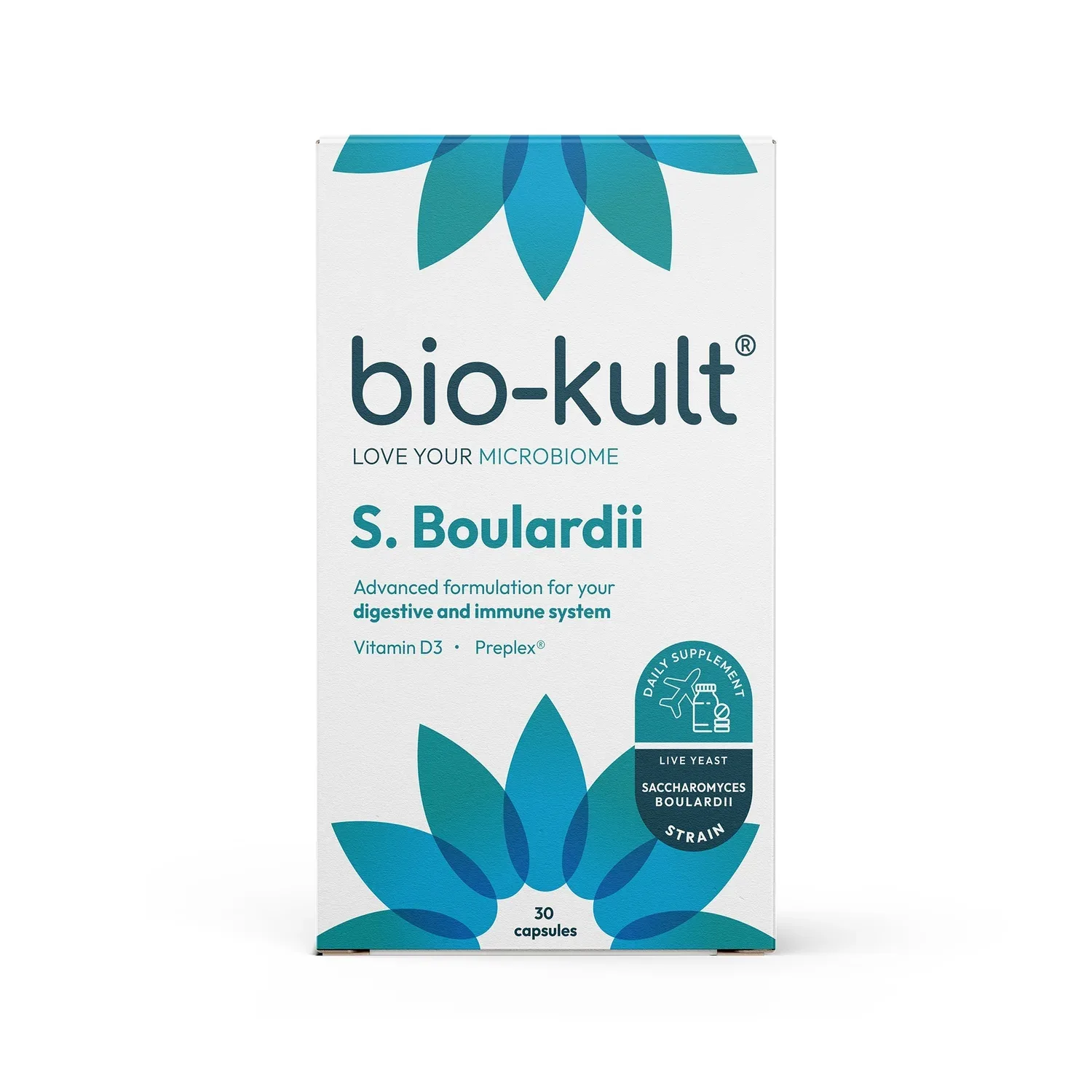
Bio-Kult S. Boulardii
- Match strains to your health goal: immune, digestive, or general wellness.
- Don't be swayed by a huge strain count if the strains aren't relevant.
Decoding Expiry Dates: Why They Matter
Probiotics are living organisms, so they have a shelf life. The expiry date on the label indicates when the CFU count is guaranteed to be at the stated level. After that, bacteria may die off, reducing effectiveness. Always check the expiry date before buying and consuming.
Bio-Kult labels include a clear expiry date, often on the box or bottle. For long-term use, consider a 90-day pack like Bio-Kult Everyday 90 Day Pack, which ensures you have a fresh supply. Store probiotics in a cool, dry place—not necessarily the fridge—unless the label says otherwise.
- Buy from reputable sources to ensure freshness.
- Check the expiry date before every purchase, not just the first time.
Other Label Elements: Vitamins, Additives, and Allergens
Many probiotic labels also list added vitamins, minerals, or prebiotics. For example, Bio-Kult Boosted contains vitamin B12, which contributes to normal immune function. Bio-Kult S. Boulardii includes vitamin D3 for immune support. These extras can be beneficial, but they shouldn't distract from the core probiotic content.
Also check for allergens like gluten, dairy, or soy, especially if you have sensitivities. Bio-Kult labels typically note these. If a product is designed for a specific life stage, like Bio-Kult Pregnéa for pregnancy, the label will list relevant vitamins and minerals—so you can see the full picture.
- Look for added vitamins that support your overall health.
- Scan for allergen warnings if you have dietary restrictions.
Step-by-Step: How to Read a Probiotic Label
- Check the CFU count: Look for the number of colony-forming units per serving, not per container. Bio-Kult labels state this clearly, so you know the live bacteria dose. Mistake to avoid: assuming higher CFU is always better—match it to your needs.
- Identify the specific strains: Read the strain names (e.g., Lactobacillus, Bifidobacterium, Saccharomyces boulardii) and research what they do. Bio-Kult lists strains on the label, like S. Boulardii in its dedicated product. Checkpoint: Does the strain match your health goal, like immune or digestive support?
- Verify the expiry date: Find the 'use by' or 'expiry' date. Probiotics lose potency over time, so always buy with enough shelf life. Bio-Kult packs, including 90-day options, help you plan ahead. Mistake to avoid: buying a probiotic that's close to expiry unless you'll use it immediately.
- Review added ingredients: Check for vitamins, minerals, or prebiotics. For example, Bio-Kult Boosted includes vitamin B12, and Bio-Kult S. Boulardii has vitamin D3—these can offer extra benefits. Checkpoint: Are the extras helpful for your health, or just marketing?
- Look for allergen and storage info: Scan for allergen warnings and storage instructions. Bio-Kult labels typically note these, helping you store them correctly (e.g., cool, dry place). Final step: If you have allergies, confirm the product is safe before buying.
Bio-Kult Labels in Practice
- Bio-Kult Boosted: Bio-Kult Boosted is scientifically developed to target your immune system, as well as your digestive tract. Our advanced multi-strain formulation contains vitamin B12 which contributes to normal function of the immune system. This label shows a multi-strain blend plus vitamin B12, making it a good choice if you want immune support alongside digestive balance.
- Bio-Kult S. Boulardii: Bio-Kult S. Boulardii is scientifically developed to target both your immune system and your digestive tract. Our advanced multi-strain formulation supports the balance of microorganisms in the gut and contains vitamin D3. The label highlights the specific strain S. Boulardii, which is often used during antibiotic courses or for digestive upset, plus vitamin D3 for immune health.
Reading a probiotic label doesn't have to be confusing. Focus on CFU, strains, and expiry date, and use added ingredients to fine-tune your choice. With Bio-Kult, the label gives you the facts to support your gut health confidently.