Quick Answer
To read a d20, find the uppermost face after a roll and note the number at the top. The numbers on a standard d20 are arranged so opposite sides add up to 21, ensuring balanced gameplay. For handmade sharp edge dice, verify the numbering is consistent to maintain fairness.
Understanding d20 Number Placement
A standard d20 has numbers from 1 to 20, arranged so that opposite faces sum to 21. For example, 20 is opposite 1, 19 opposite 2, and so on. This design helps distribute weight evenly, reducing bias. When you roll a single d20, the number facing up is your result. Handmade sharp edge dice, like the Fireheart Single d20, follow this convention, but slight variations in resin curing can affect balance. Always check the numbering pattern if you suspect uneven rolls.
Fireheart
How to Check d20 Fairness
To assess fairness, perform a float test or a roll test. For the float test, place your d20 in a saltwater solution (about 1 cup water with 2 tablespoons salt) and spin it. If the same number consistently floats upward, the die may be unbalanced. Alternatively, roll the die 100 times and record results; a fair d20 should show each number roughly 5% of the time. Handmade dice, such as the Fireheart Single d20, are visually perfect for casual play, but no die is perfectly random—accept slight deviations. If you notice extreme bias, consider replacing the die.
Tips for Reading Handmade Sharp Edge Dice
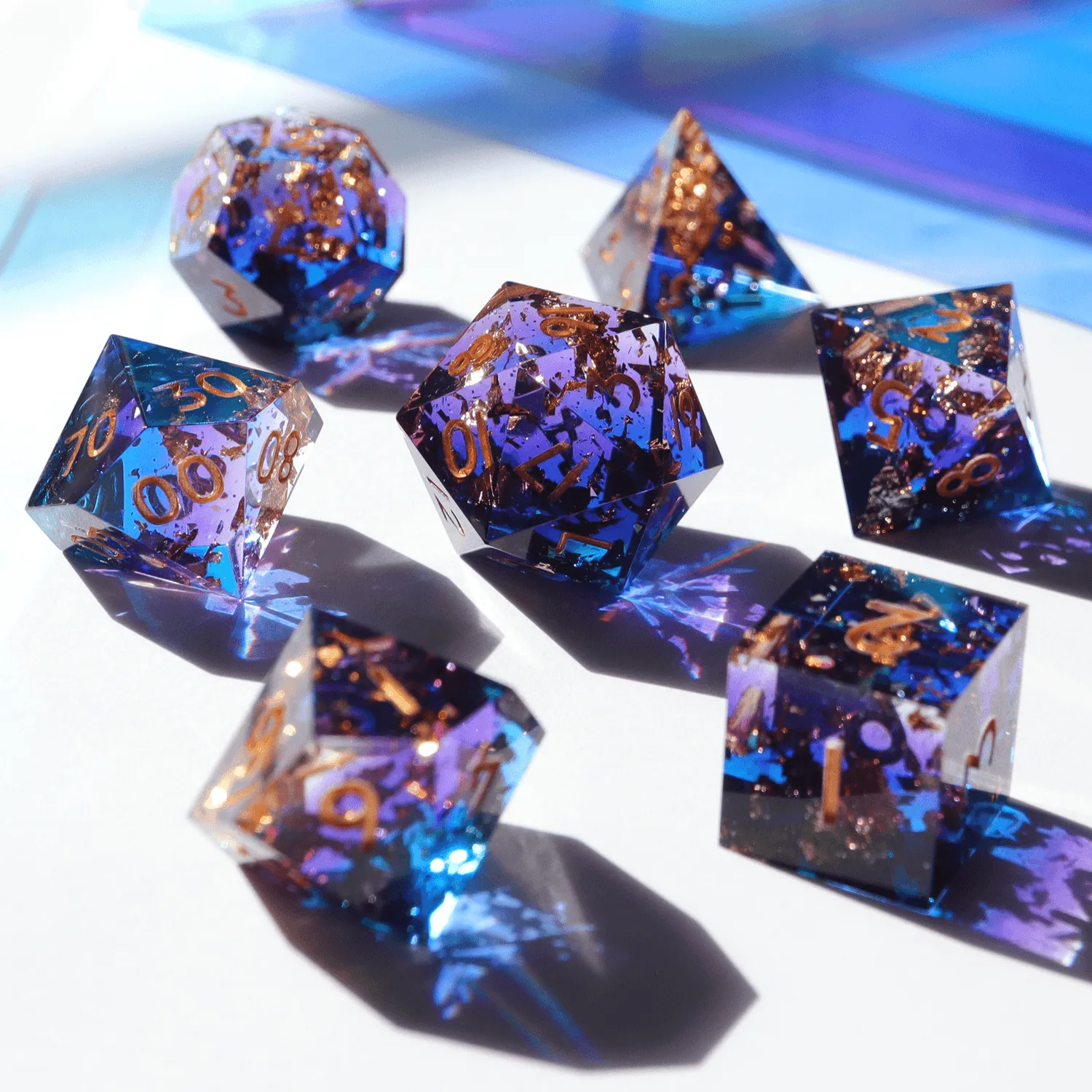
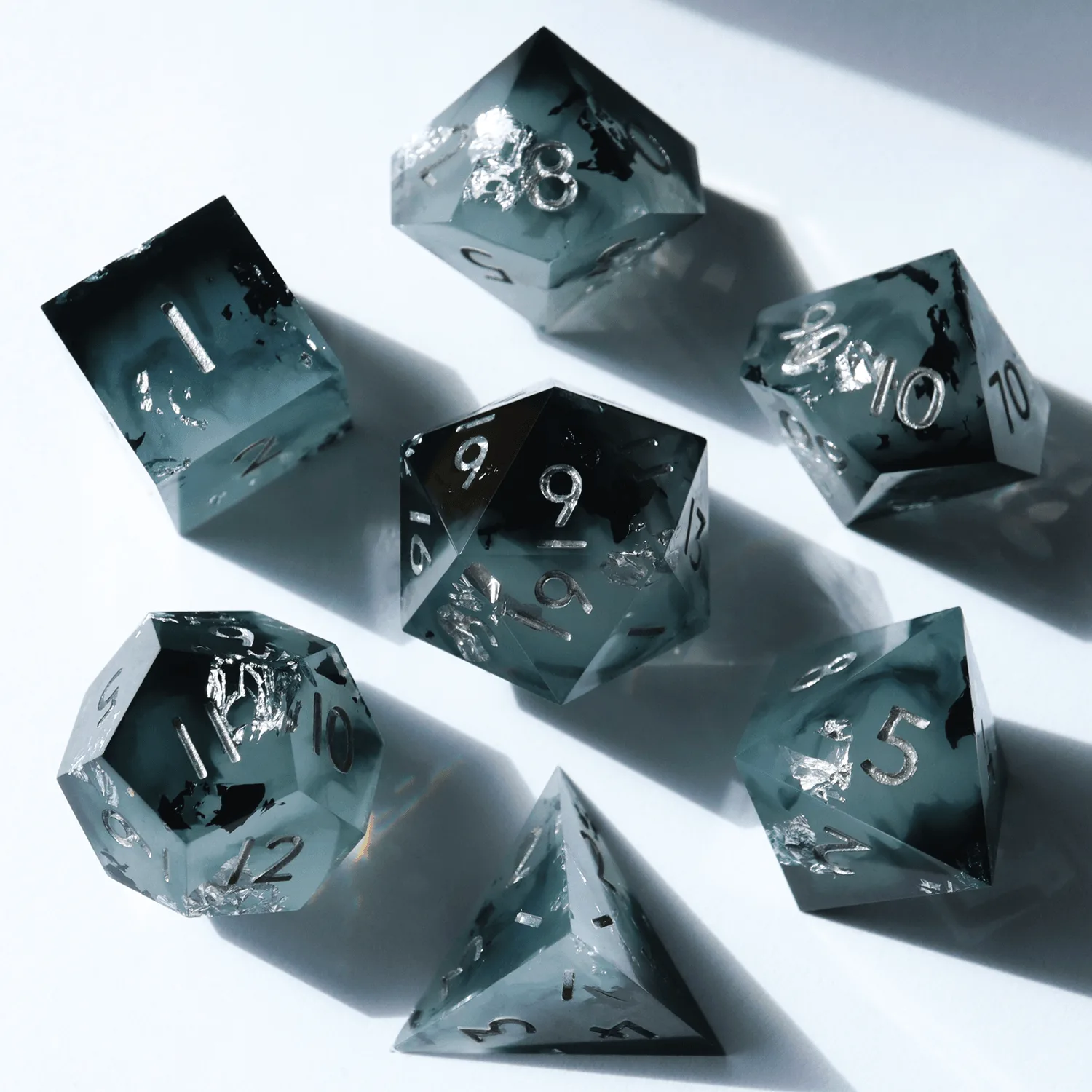
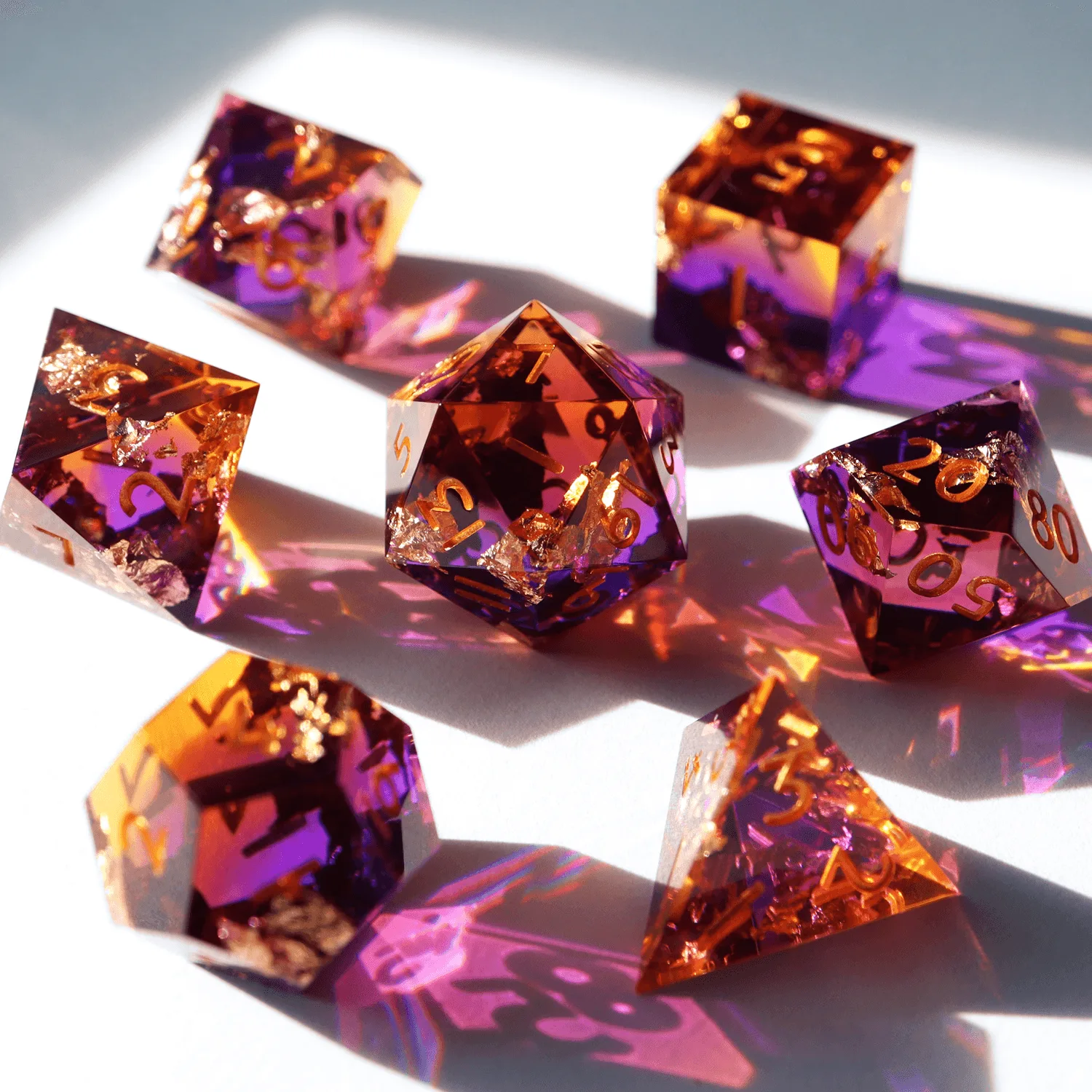
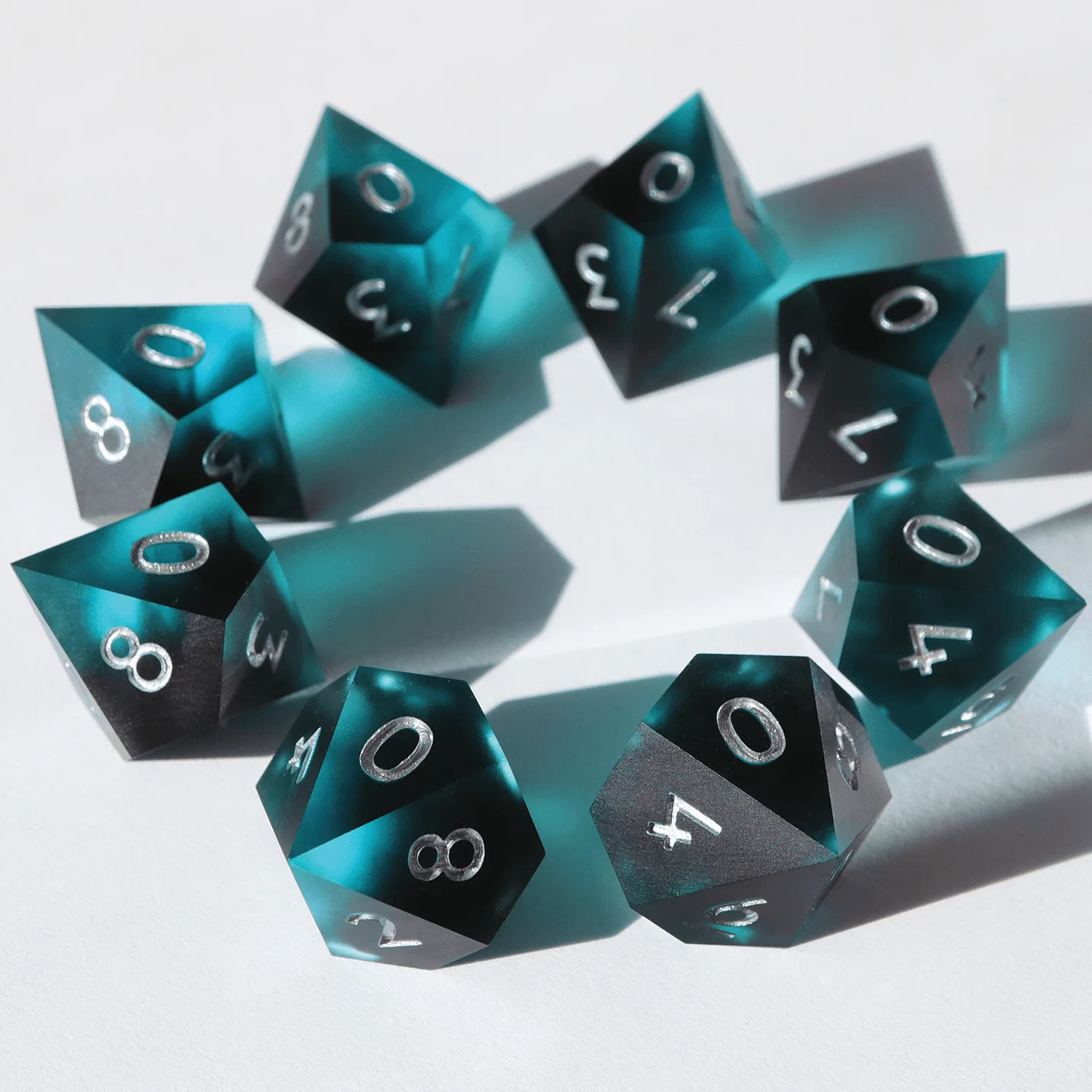
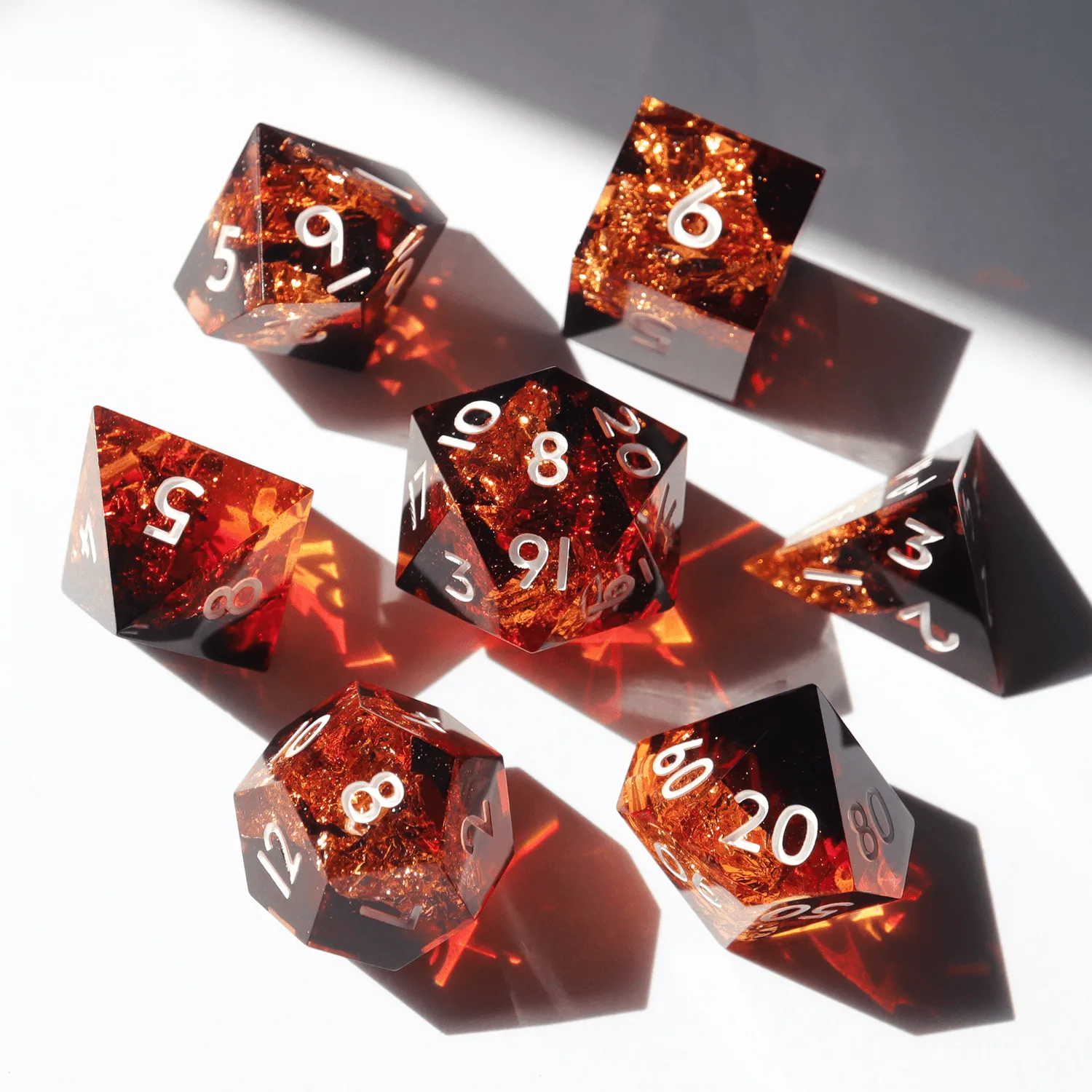
Handmade sharp edge dice often have crisp, deep numbers that are easy to read, but glitter or foil inclusions can sometimes obscure a number. Hold the die at eye level and tilt it to catch light on the engraved numbers. For the Fireheart Single d20, the orange-red-black color scheme with foil inclusions may make numbers less visible in dim light—use a well-lit table. Also, note that the sharp edges can feel different from rounded dice, but reading the result remains the same: look at the top face.
Steps to Read a Single d20 Correctly
- Step 1: Locate the top face: After rolling, look at the die from above. The number on the uppermost flat surface is your result. Ignore any numbers on sides or the bottom. Common mistake: glancing at the side number, which is not the result. Always confirm the top face by looking straight down.
- Step 2: Verify the number pattern: Check that opposite sides add up to 21. For example, if 20 is on top, 1 should be directly underneath. This confirms standard numbering. If you find a different pattern, the die may be non-standard or defective. A standard d20 always sums to 21 on opposite sides.
- Step 3: Perform a fairness check: Roll the die at least 20 times and note the results. If one number appears significantly more often, consider a float test. Handmade dice can have tiny air bubbles that affect balance. Accept minor variance for casual play. No die is perfectly random, but extreme bias indicates a problem.
Product Facts
- Fireheart Single d20: The Fireheart Single d20 is an orange-red-black set with foil and glitter inclusions that flash like embers in flame. This listing is for one single D20. All sets sold by Everything Dice are handmade and quality-inspected to be visually perfect and suitable for casual play. Because of the handmade nature, each set will vary slightly in color proportions and inclusions. When reading this die, the foil and glitter can catch light and make numbers harder to see in certain angles. The slight color variation between sets means no two dice are identical, but the numbering remains standard for fair play.