Quick Answer
To read a supplement label, start with the serving size and the number of servings per container, then check the percent daily value (%DV) for key nutrients, and finally review the ingredient list to see what's actually inside. This helps you compare products and avoid overdosing or missing out on important nutrients.
Supplement labels can feel like a maze of numbers, percentages, and unfamiliar ingredients. But once you know what each part means, you can quickly evaluate any product and decide if it fits your needs. Whether you're checking a multivitamin, an herbal supplement, or a single nutrient, the same basic principles apply.
This guide walks through the supplement facts panel step by step, explains the difference between serving size and percent daily value, and gives you practical tips for comparing labels. You'll also see how these concepts apply to real products, like Nature's Way supplements, so you can shop with confidence.
Start with Serving Size and Servings per Container
The serving size is the amount you should take at one time, such as '1 capsule' or '2 tablets'. It tells you the quantity of the product that the nutrient values refer to. The 'servings per container' tells you how many of those servings are in the whole bottle. Multiplying the serving size by the number of servings gives you the total amount of product in the container.
A common mistake is to assume that the entire bottle is one serving, especially with powders or liquids. Always check the serving size first. If you take more than the recommended serving, you'll need to adjust the nutrient amounts accordingly. For example, if a serving is 2 capsules and you take 4, you're getting double the listed nutrients.
- Check the serving size before you buy—if it's '3 capsules' and you prefer fewer pills, look for a more concentrated product.
Understand Percent Daily Value (%DV)
The percent daily value (%DV) tells you how much a nutrient in a single serving contributes to a daily diet based on a 2,000-calorie reference. A %DV of 5% or less is considered low, while 20% or more is high. This helps you quickly see if a product provides a significant amount of a nutrient.
However, %DV is not the whole story. For vitamins and minerals, a higher %DV often means you're covering more of your daily needs. But for some nutrients, like fiber or certain herbal extracts, there may be no established %DV, so you'll see a dash or '†' instead. This doesn't mean the ingredient is unimportant—it just means there's no standard reference value.
- Use %DV to compare products: if one multivitamin has 100% DV for vitamin D and another has 200%, the latter provides more—but more isn't always better if you get vitamin D from other sources.
Read the Ingredient List Carefully
The ingredient list shows everything in the product, including active ingredients, excipients, and fillers. For herbal supplements, the list often includes the botanical name and the part of the plant used, such as 'root' or 'leaf'. This matters because different parts can have different effects.
Look for the amount of each active ingredient, usually in milligrams (mg) or micrograms (mcg). If a product doesn't list the amount of a key ingredient, that's a red flag—you can't know if you're getting an effective dose. Also, check for allergens or ingredients you want to avoid, like gluten, soy, or artificial colors.
- If a product lists a proprietary blend, the individual amounts may not be disclosed—be cautious and look for brands that provide full transparency.
Compare Labels Across Products
To compare supplements, look at the same serving size. If one product has 500 mg of an herb per capsule and another has 250 mg, you'll need twice as many capsules of the second product to get the same dose. Also compare the %DV for vitamins and minerals to see which product is more concentrated.
Price per serving is another useful metric. Divide the total price by the number of servings to get the cost per serving. This helps you compare products of different sizes fairly. Remember that the cheapest option isn't always the best value if you need to take more capsules to reach the same dose.
- Keep a notepad or use a calculator app on your phone to compare cost per serving and nutrient amounts across brands.
Steps to Read a Supplement Label Like a Pro
- Check the serving size: Find the serving size and the number of servings per container. This tells you how much to take and how long the bottle will last. Common mistake: assuming one capsule equals one serving when it might be two or more.
- Review the percent daily value (%DV): Look at the %DV for vitamins and minerals. Use it to gauge whether the product provides a significant amount of a nutrient. Remember, 5% or less is low, 20% or more is high. Checkpoint: If a nutrient has no %DV, it's not a reflection of quality—just a lack of a reference standard.
- Read the ingredient list: Identify the active ingredients and their amounts. Look for the botanical name and plant part for herbs. Be wary of proprietary blends that hide individual amounts. Checkpoint: If the amount of a key ingredient isn't listed, consider contacting the manufacturer or choosing a more transparent brand.
- Compare labels side by side: Compare the same serving size and calculate cost per serving. This helps you make an apples-to-apples comparison between different brands. Next step: Once you've compared, you can confidently choose the product that best fits your needs and budget.
Real Product Examples
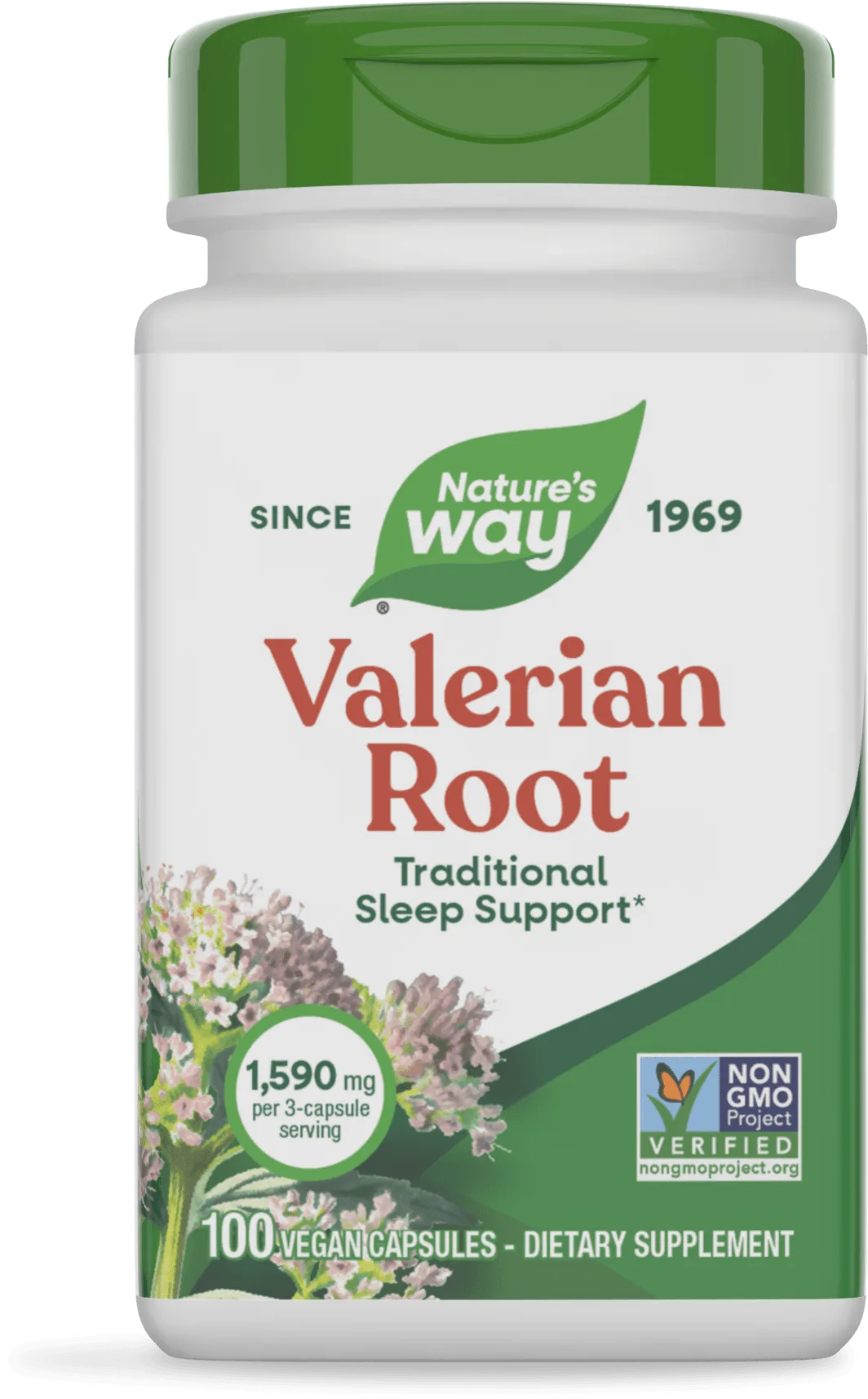
- valerian-root-384723">Valerian Root: Nature's Way Valerian Root provides 3 capsules one hour before bedtime, sourced from European farms in places like Poland, the Netherlands, and Bulgaria. The serving size is 3 capsules, so you need to take all three to get the intended dose. If you prefer fewer capsules, look for a more concentrated valerian product.
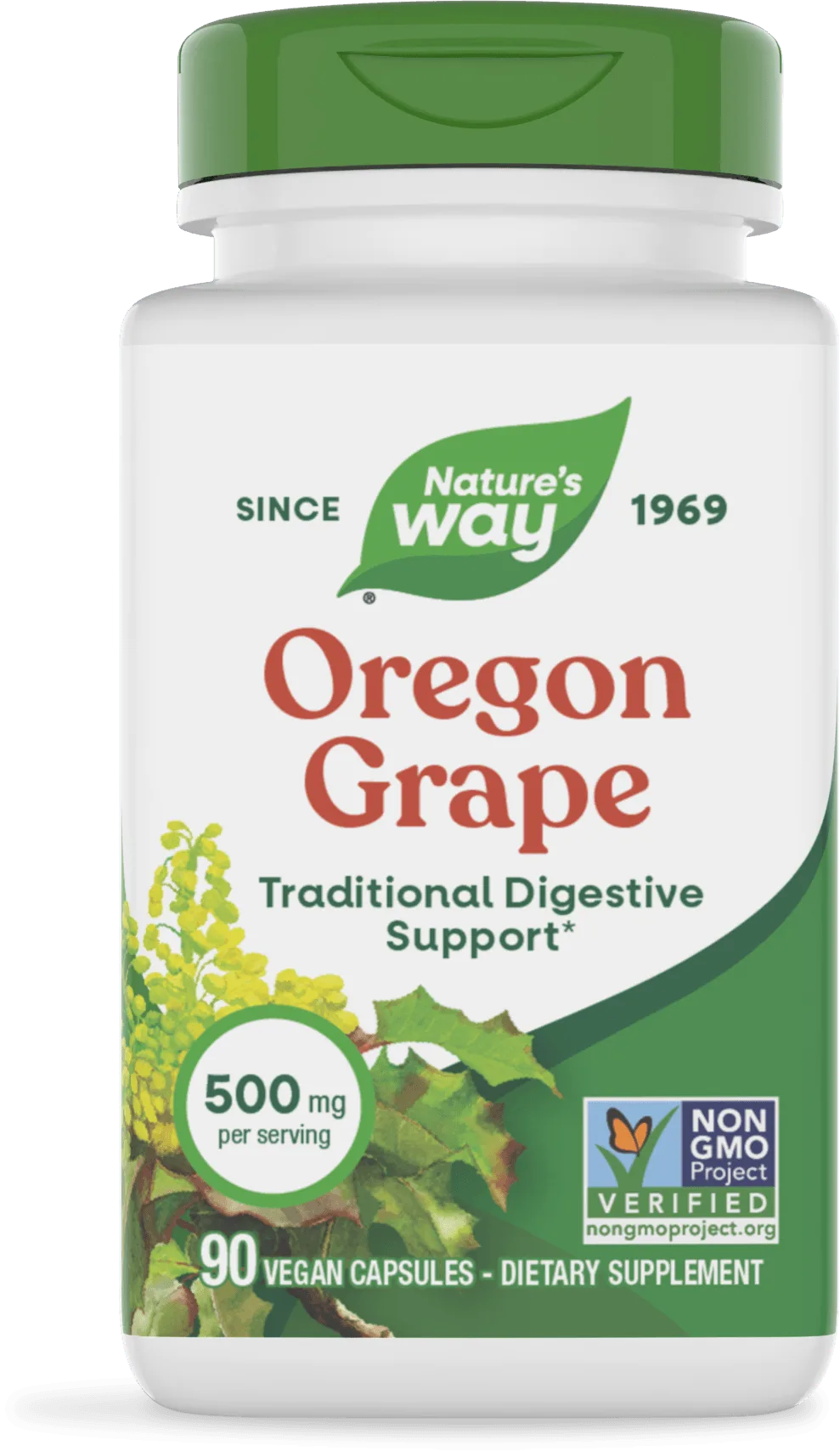
- https://natureswaybx.com/products/oregon-grape-384712Oregon Grape: Oregon Grape provides 500 mg of Oregon grape (root and stem) per serving, and is gluten-free and vegan with no artificial colors, flavors, or preservatives. The label clearly states the amount of active ingredient (500 mg) and the part of the plant used, so you know exactly what you're getting. The allergen-free claim helps if you have sensitivities.
Reading a supplement label doesn't have to be confusing. Start with the serving size, understand the %DV, and always check the ingredient list. With these steps, you can compare products with confidence and choose supplements that align with your health goals.