Quick Answer
Start by checking the Supplement Facts panel for serving size, active ingredients, and percent Daily Value. Then look for third-party testing seals like NSF or USP to confirm quality. Always review the ingredients list for fillers and allergens.
Walking down the supplement aisle can feel overwhelming. Every bottle promises something, but the real story is on the label. Learning how to read a supplement label helps you avoid wasted money and choose products that actually match your goals.
This guide breaks down the Supplement Facts panel, explains common ingredients, and shows you what certifications mean. By the end, you'll know exactly what to look for in supplements.
Start with the Supplement Facts Panel
The Supplement Facts panel is the heart of any supplement label. It lists the serving size, servings per container, and the amount of each active ingredient per serving. Always compare the serving size to how you plan to take the product—some labels list two capsules as a serving, not one.
Next, look at the percent Daily Value (%DV). This tells you how much of a nutrient a serving provides relative to a standard daily diet. A %DV of 20% or more is considered high, while 5% or less is low. For vitamins and minerals, aim for products that deliver meaningful amounts without exceeding upper limits.
- Check the serving size first—it determines all other numbers on the label.
- Pay attention to the %DV for nutrients you need more of, like Vitamin D or iron.
Decode the Ingredients List
The ingredients list reveals what else is in the product beyond the active nutrients. Look for a short list with recognizable names. Avoid products with excessive fillers, artificial colors, or proprietary blends that hide individual amounts.
Common additives like magnesium stearate and silicon dioxide are safe in small amounts, but if you have sensitivities, look for products labeled free from common allergens. If a label lists a blend without showing each ingredient's amount, you can't know how much you're actually getting.
- A shorter ingredients list often means a cleaner product.
- Watch for hidden sugars or artificial sweeteners in gummies or powders.
Understand Certifications and Third-Party Testing
Third-party testing means an independent lab verifies that the product contains what the label claims and is free from harmful contaminants. Look for seals from organizations like NSF International, USP, or Informed Choice. These certifications add confidence, especially for athletes or those with strict dietary needs.
Not every quality supplement carries a third-party seal, and the absence of one doesn't automatically mean the product is poor. However, if a brand doesn't provide any testing information, it's harder to verify quality. When in doubt, check the brand's website for batch-specific certificates of analysis.
- Look for NSF, USP, or Informed Choice seals on the label.
- If no seal is present, search the brand's website for testing documentation.
How to Read a Supplement Label in 5 Steps
- Check the Serving Size: Look at the serving size and servings per container. Compare it with how you plan to take the supplement. A common mistake is assuming one pill equals one serving when it might be two. Adjust your dose based on the label, not habit.
- Review the Active Ingredients: Find the active ingredients and their amounts per serving. Check the %DV to see if the dose is meaningful. Avoid proprietary blends that hide individual amounts. If an ingredient amount isn't listed, you can't evaluate it.
- Scan the Ingredients List for Fillers: Look for a short list of recognizable ingredients. Be cautious of artificial colors, excessive fillers, or hidden sugars, especially in gummies or flavored powders. A cleaner list usually means fewer unnecessary additives.
- Look for Third-Party Testing Seals: Check for NSF, USP, or Informed Choice certifications. If none are present, search the brand's website for certificates of analysis or testing statements. Third-party testing adds confidence in quality and accuracy.
- Verify Allergen and Dietary Suitability: Read the allergen statements and check for common allergens like gluten, soy, or dairy. If you follow a specific diet, look for vegan or plant-based labels. Make sure the product fits your dietary needs before purchasing.
Real Product Examples
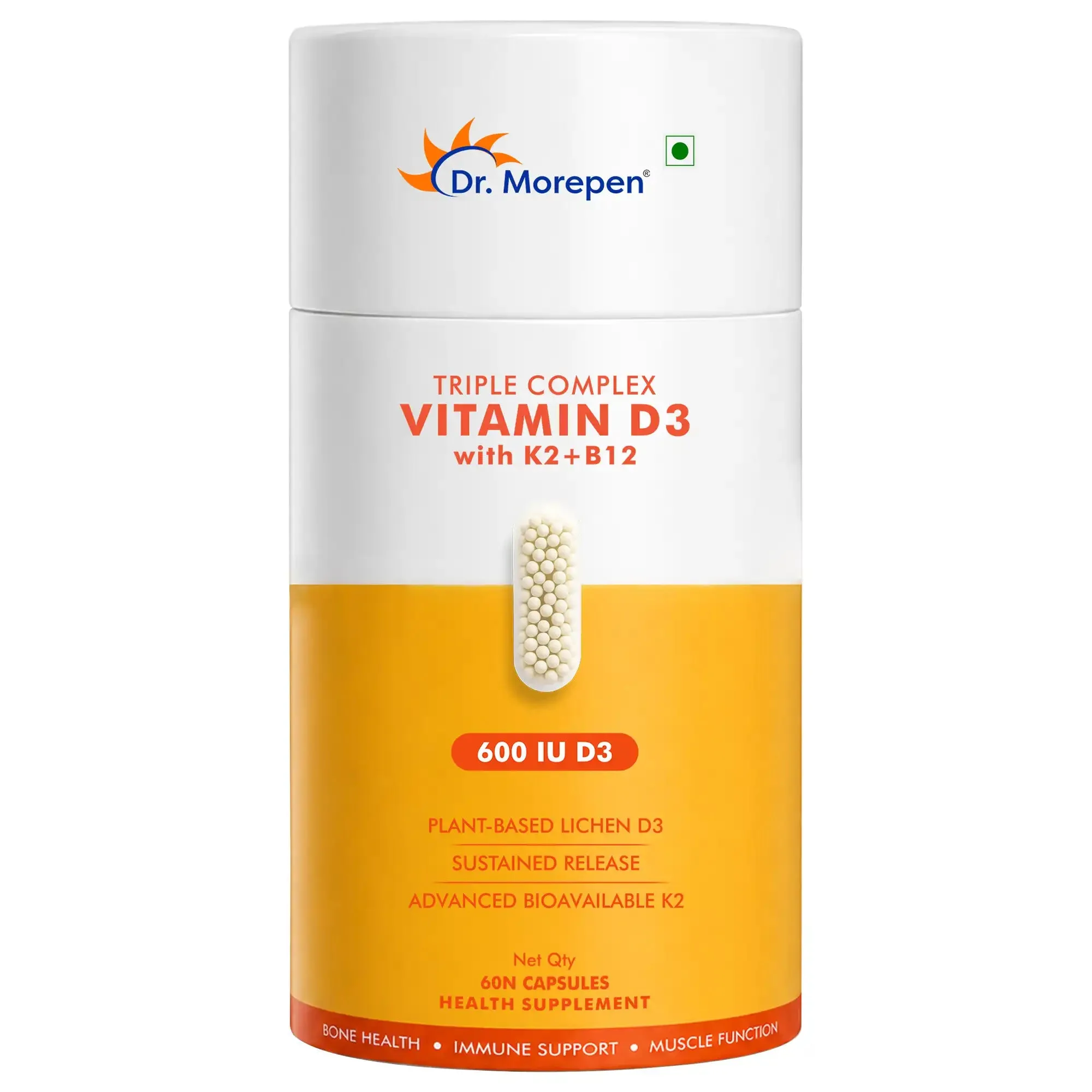
- Triple Complex Vitamin D3 with K2+B12: Dr. Morepen Triple Complex Vitamin D3 with K2 + B12 is a plant-based formula combining 600 IU lichen-derived Vitamin D3, 55 mcg Vitamin K2 (MK-7), and Vitamin B12. Its sustained-release pellet system ensures gradual, all-day nutrient delivery for consistent efficacy. When reading a label, check for delivery technology like sustained-release pellets—they affect how steadily your body absorbs the nutrients.
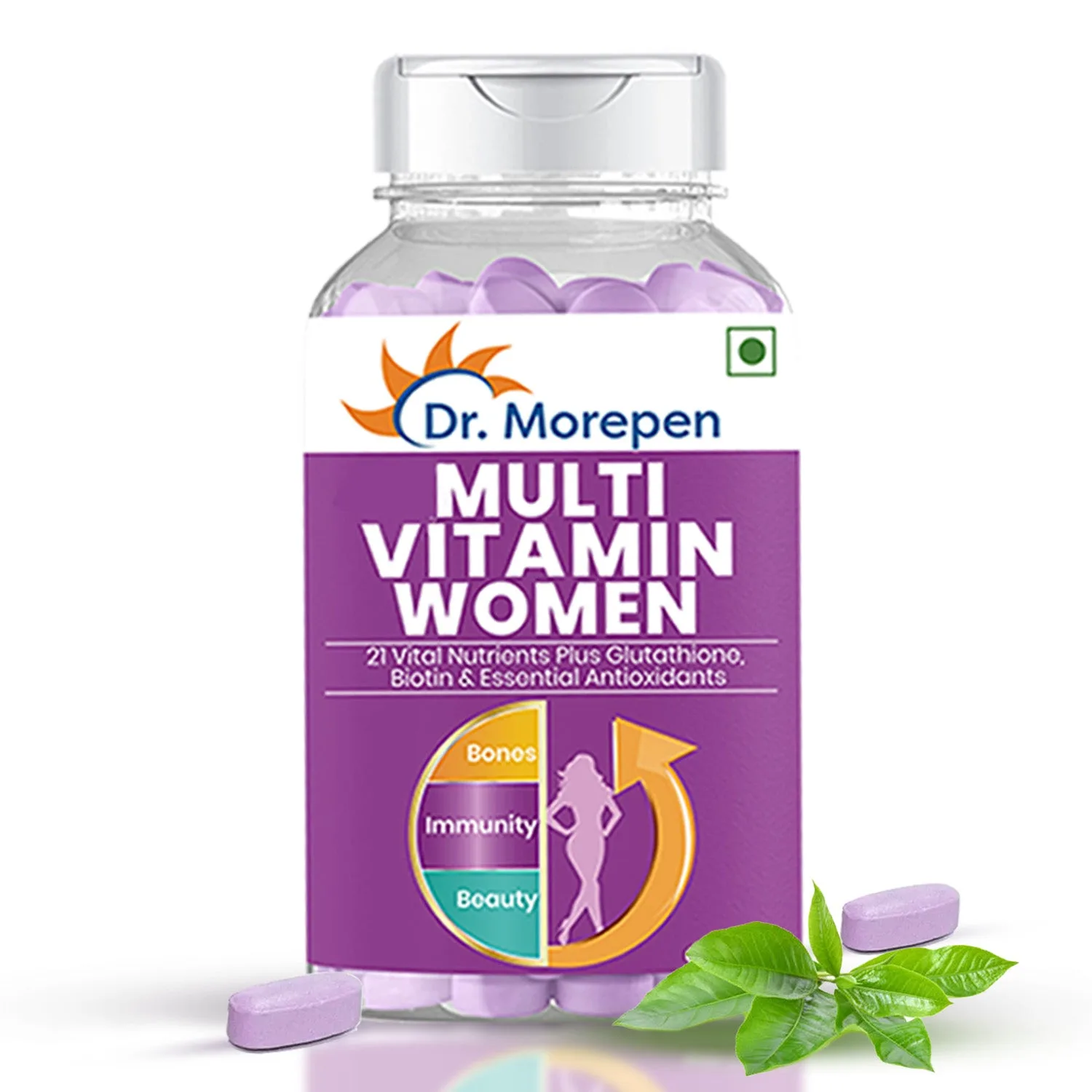
- https://teaboxyf.com/products/multivitamin-for-women-copy-a773f1e15035c953b824f70d-631009Multivitamin For Women: Features: Advanced Women’s Multivitamin – Scientifically formulated with 21 essential vitamins, minerals, and plant-based extracts. Supports Daily Energy & Vitality – Helps reduce fatigue and promotes an active lifestyle. Boosts Immunity & Wellness – Contains key antioxidants and nutrients to support overall health. This label highlights the number of nutrients and specific benefits, so you can quickly see if it covers your needs—like energy and immunity—before you buy.
Reading a supplement label doesn't have to be confusing. Focus on the serving size, active ingredients, and third-party testing seals. With these steps, you can choose supplements that match your health goals and avoid products that don't deliver what they promise.