Quick answer
To read a Bordeaux wine label correctly, start with the appellation (the place name like "Margaux" or "Pomerol"), then check the classification (Grand Cru Classé, Cru Bourgeois, or no classification), and finally look at the producer and vintage. The appellation tells you the strictest rules the wine follows, and the classification gives a quick quality shorthand.
Why Bordeaux labels are different
Bordeaux labels emphasize place over grape variety. Unlike New World wines that shout "Cabernet Sauvignon" or "Merlot" on the front, a Bordeaux label leads with the château (estate) and the appellation. The grape blend is almost never listed on the front label, so you need to know that a bottle from the left bank (Médoc, Graves) is typically Cabernet-dominant, while a right bank bottle (Saint-Émilion, Pomerol) leans toward Merlot. This system rewards regional knowledge and makes the label your first buying guide.
The back label is often more helpful for practical details. It may list the alcohol percentage, volume (75 cl is standard), and sometimes a short tasting note. If you see "Mis en bouteille au château" (bottled at the estate), it's a sign of quality control. Skip bottles that lack this phrase unless you're buying a generic Bordeaux AOC.
What the classification tells you
Bordeaux has several official classifications that rank estates by quality over time. The most famous is the 1855 Classification for the Médoc and Sauternes, which ranks châteaux from Premier Grand Cru Classé (top tier) down to Cinquième Grand Cru Classé. Saint-Émilion updates its classification every 10 years, and the Cru Bourgeois label applies to many solid mid-tier Médoc wines. Wines without a classification can still be excellent, especially from lesser-known appellations like Fronsac or Côtes de Bordeaux, but you'll need to rely more on the producer's reputation.
A common mistake is assuming all Bordeaux with a fancy label is classified. Many bottles simply say "Bordeaux" or "Bordeaux Supérieur" with no château name—these are generic blends and rarely offer the complexity of a classified growth. If you want the best value, look for a Cru Bourgeois or a wine from a lesser-known appellation with a good vintage year.
Vintage matters more in Bordeaux than almost anywhere
Bordeaux's maritime climate means vintages vary dramatically. A warm, dry year like 2015 or 2016 produced rich, age-worthy wines, while a cool, rainy year like 2013 yielded leaner, earlier-drinking bottles. If you see a classified wine from a weak vintage at a low price, it may still be a good everyday drink, but don't expect it to improve with age. For non-classified Bordeaux, vintage is even more critical because the wine has less structure to survive a poor year.
When buying Bordeaux to drink now, focus on recent good vintages (2019, 2020, 2021 for right bank, 2020 for left bank). For aging, look for 2016, 2018, or 2020 from a top château. If you're shopping for a gift or special occasion, a bottle from a strong vintage with a clear appellation and classification is the safest bet.
5 steps to read any Bordeaux label
- Find the appellation: Look for the place name in the middle of the label, often in a smaller font below the château name. It will say something like "Appellation Margaux Contrôlée" or "Saint-Émilion Grand Cru". This is the most important line because it tells you the legal rules the wine must follow. Common mistake: Confusing the brand name with the appellation. The appellation is always the place, not the producer.
- Check the classification: Scan for terms like "Grand Cru Classé", "Cru Bourgeois", or "Premier Grand Cru Classé". If you see none, the wine is either unclassified or from an appellation without a classification system (like Pomerol). Verdict: A classified wine from a good vintage is almost always a safe pick. Unclassified wines can be great values if you know the producer.
- Identify the producer and vintage: The château name is usually the largest text on the label. Below it, the vintage year tells you when the grapes were harvested. For non-vintage Bordeaux (rare), skip it. Checkpoint: If the vintage is faded or missing, the wine may be old and past its peak. For recent vintages, check a vintage chart.
- Look for bottling information: Find "Mis en bouteille au château" on the label. This guarantees the wine was bottled at the estate, which usually means better quality control. If it says "Mis en bouteille par" followed by a négociant name, the wine was bottled by a merchant. Common mistake: Thinking all Bordeaux is estate-bottled. Many generic Bordeaux are bottled by négociants, and the quality can vary widely.
- Read the back label for clues: Flip the bottle over. You'll often find the alcohol percentage, volume, and sometimes a brief tasting note or food pairing suggestion. For a quick quality check, look for the words "Grand Vin" (great wine) or a mention of barrel aging. Next step: Use the back label to decide if the wine is ready to drink now or needs cellaring. A high alcohol level (14%+) usually means a riper, more approachable style.
Bordeaux wine worth trying
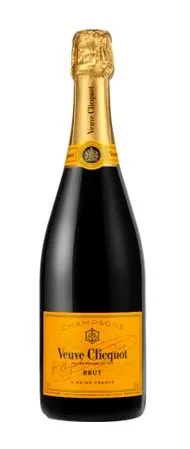
- VEUVE CLICQUOT BRUT YELLOW LABEL, Champagne: Dominated with mostly Pinot Noir this lip smacking Champagne should always be a staple in your cellar. Flavors of pear and honeysuckle engulf you with a creamy finish. Drink with oysters or your favorite appetizer. Sustainable vineyard practices. While not a Bordeaux, Veuve Clicquot Brut Yellow Label is a benchmark sparkling wine that demonstrates how a clear label with producer name, style, and region makes buying easy. Compare its straightforward labeling to a Bordeaux label that requires more interpretation.