Quick answer
Coffee tasting notes describe what a coffee reminds the roaster of, not what was added to the bag. Read them as a rough map: origin and roast level tell you the style, the note list tells you the direction, and your own brew tells you the truth. Start with one coffee, taste it twice, and compare what you notice against the label.
A bag of coffee can read like a wine list written by someone showing off. Clementine, honeycomb, cola, raw sugar, stone fruit. None of those things are in the bag, and that is exactly the point. Tasting notes are comparisons, not ingredients.
Once you know how to read them, those words become genuinely useful. They tell you whether a coffee will taste bright or deep, delicate or bold, and whether it will hold up to milk. This guide walks through a simple process you can use on any bag, including the ones already in your kitchen.
What coffee tasting notes actually mean
When a roaster writes "clementine, red apple, honeycomb," they are describing the impression the coffee left on their palate during evaluation. Coffee is a fruit seed, and roasting develops hundreds of aromatic compounds that overlap with the ones found in fruit, sugar, chocolate, and spices. The note is a reference point, not a recipe.
This is why two people can read the same bag differently. Your water, grind, brew method, and even what you ate beforehand all shift what you notice. The label is a starting hypothesis. Your cup is the experiment that confirms or corrects it.
- Treat every note as "reminds me of," never "contains."
Start with origin and roast level, not the note list
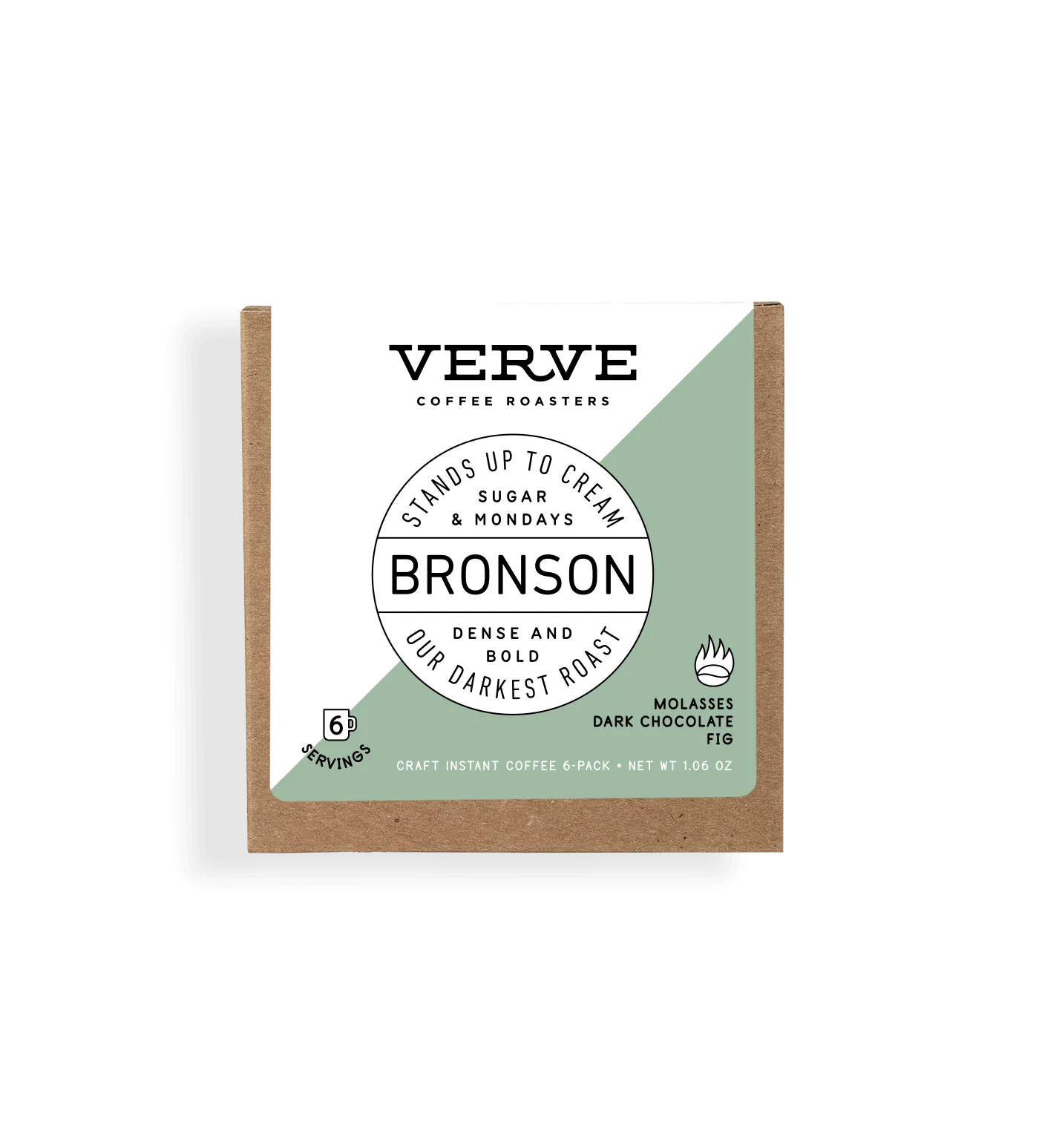
Origin and roast level set the boundaries for what the notes can mean. A washed Colombian coffee grown at high elevation, like Colombia Saldaña Highlands, tends toward balanced sweetness and bright acidity. A dark roast built for depth, like Bronson French Roast Craft Instant Coffee, will lean chocolate and sugar rather than delicate fruit.
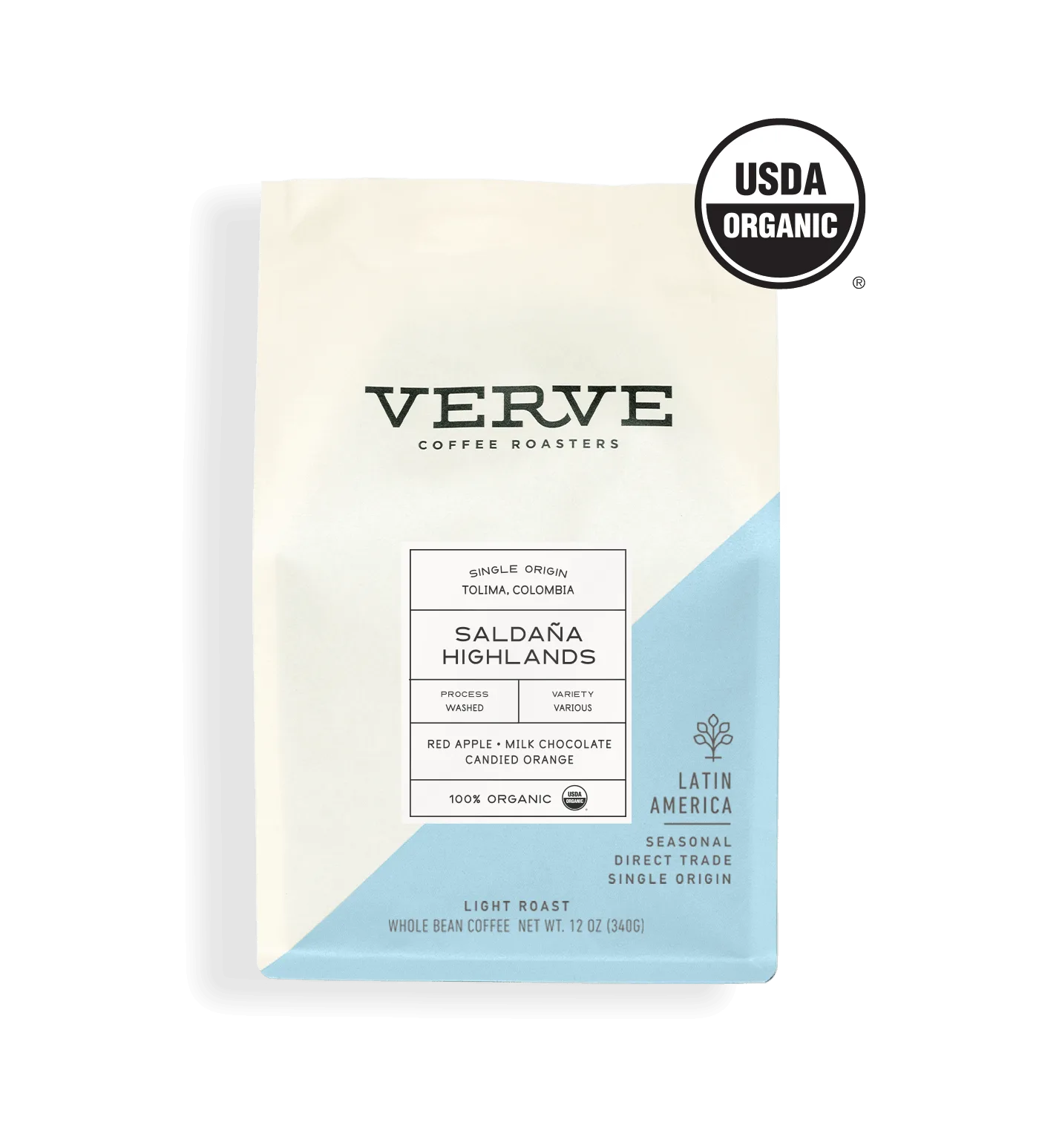
Colombia Saldaña Highlands
So read the bag in order: origin first, roast level second, notes third. If a note seems to contradict the roast level, trust the roast level. A light roast rarely tastes like dark chocolate, and a French roast rarely tastes like clementine, no matter what the label suggests.
- High-grown washed coffees usually read as clean and bright; natural or dark-roasted coffees usually read as sweeter and heavier.
Group the notes into families
Most coffee flavor descriptors fall into a handful of families: fruit, sugar and caramel, chocolate and nuts, floral, spice, and earthy. Grouping them keeps a long list from feeling overwhelming. Three fruit words are not three separate flavors; they are one direction, stated three ways.
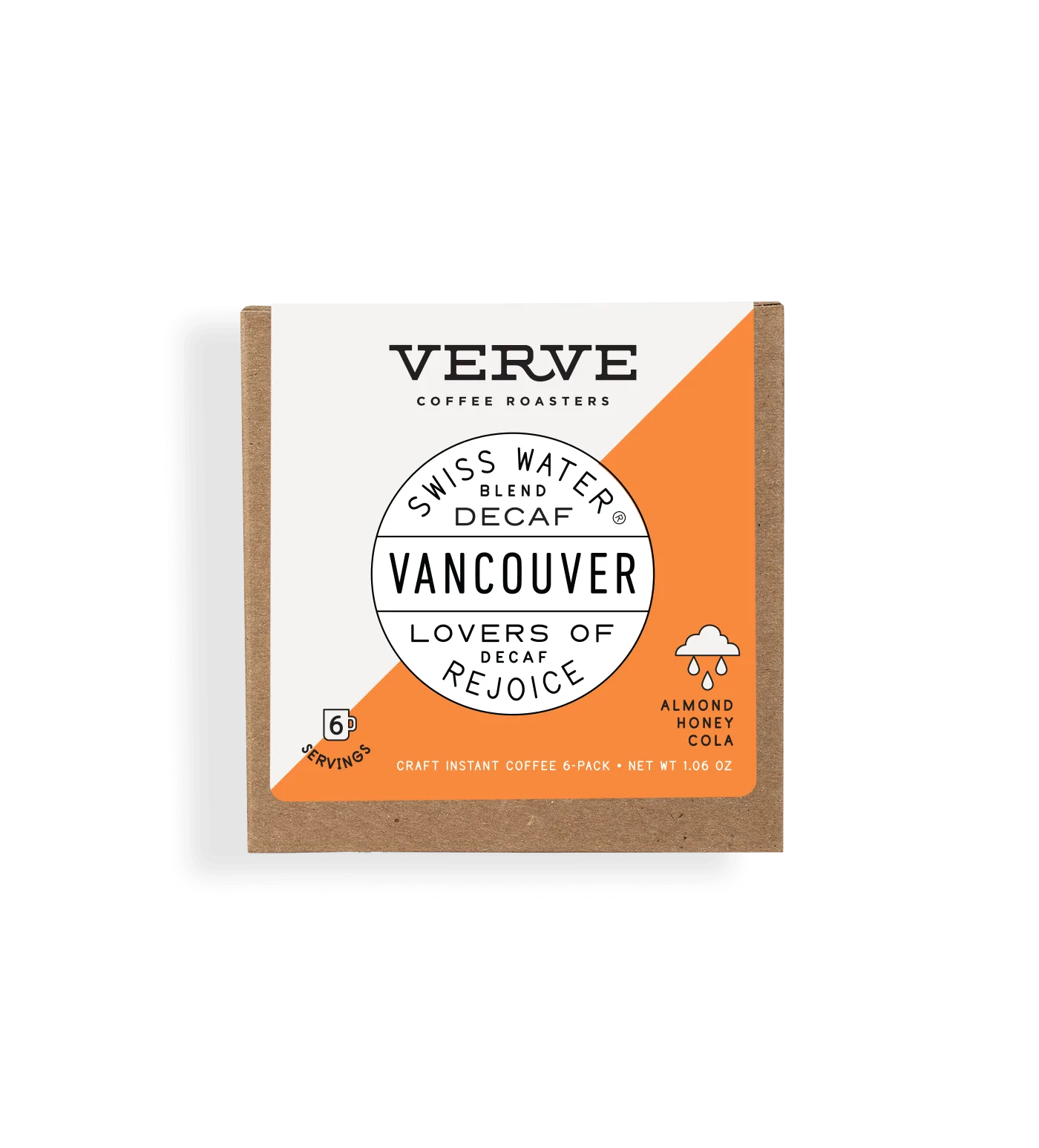
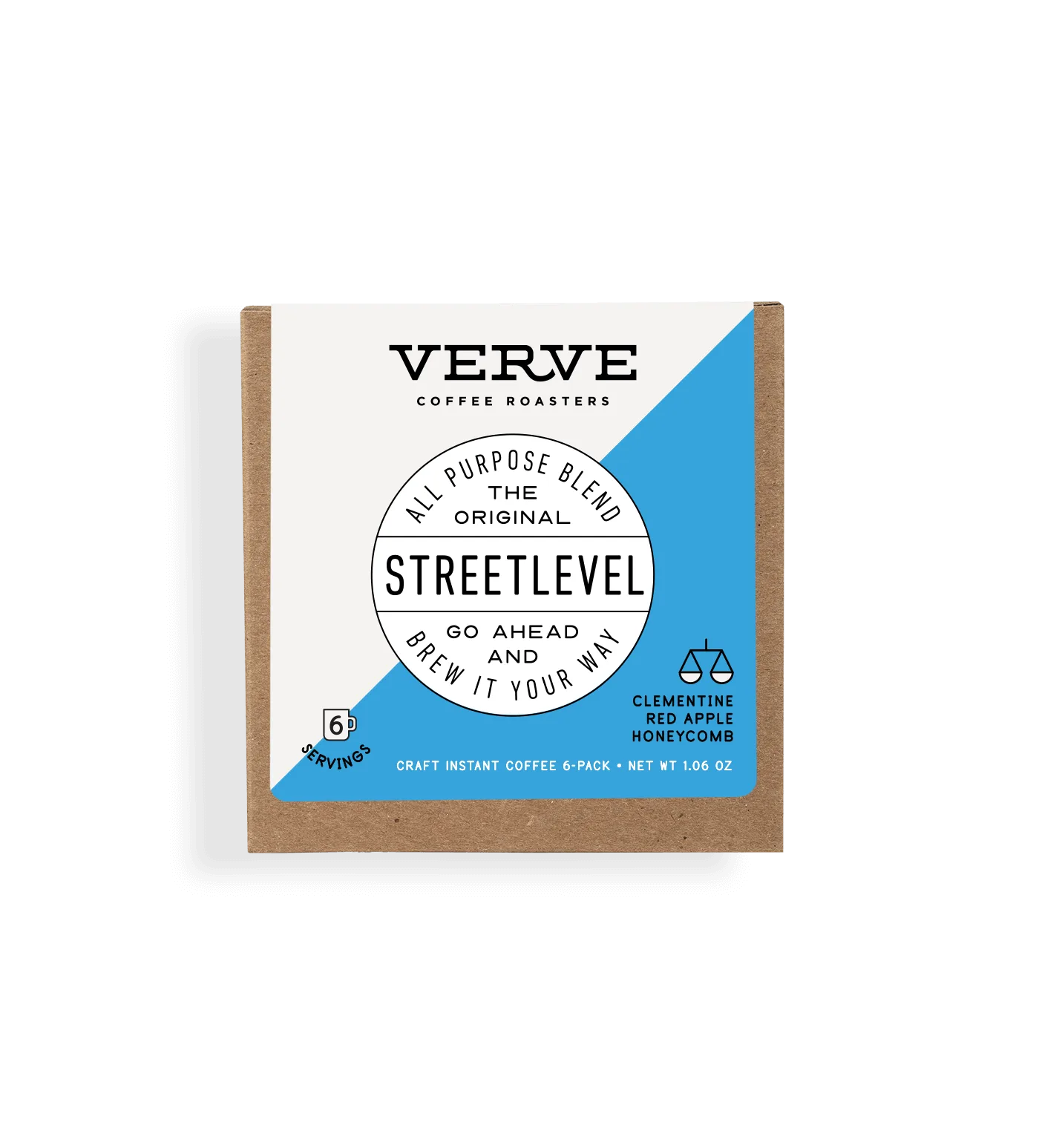
This is where a coffee tasting guide earns its keep. If a bag lists almond, honey, and cola, you are looking at a nutty, sweet, slightly dark profile, which is exactly how Vancouver Decaf Craft Instant Coffee reads. If a bag lists clementine, red apple, and honeycomb, you are looking at a brighter, fruit-forward cup.
- Write the family name next to each note before you brew. It cuts the list in half.
Taste with a comparison in mind
The fastest way to understand coffee flavor notes is to taste two coffees side by side. Brew the same amount of each, in the same method, and sip them alternately while both are still warm. Differences that were invisible alone become obvious in pairs.
A useful pairing is a bright, fruit-forward coffee against a deep, sweet one. Streetlevel Craft Instant Coffee brings ripe stone fruit and zesty citrus balanced with syrupy sweetness, while Bronson French Roast Craft Instant Coffee leads with dark chocolate and raw sugar. Tasting them together teaches you more in ten minutes than reading ten labels.
- Let both cups cool slightly. Many fruit and floral notes only appear as the coffee drops below hot.
Use the notes to choose your next bag
Once you know which families you enjoy, shopping gets simple. If you liked a coffee described with caramel and honey, look for bags with sugar, caramel, or honey notes. If you liked a coffee with citrus and apple, look for fruit and floral notes. You are pattern-matching, not memorizing.
Be honest about how you drink your coffee. A delicate floral coffee can disappear under milk and sugar, while a bold, sweet coffee holds its ground. Bronson was built with dense, seasonally harvested coffees selected for their sweetness and depth and their ability to withstand cream and sugar, which makes it a practical choice if you take your coffee with either.
- If you add milk, favor chocolate, nut, and caramel notes over delicate florals.
Keep a simple tasting log
You do not need a formal scoresheet. A note on your phone with the coffee name, the brew method, and two words about what you tasted is enough. After a month, patterns show up: you reach for the same families again and again, and you stop wasting money on bags that were never going to suit you.
Keep the log honest rather than impressive. "Tasted like burnt toast" is more useful to future you than a borrowed phrase about bergamot. The goal is a personal coffee tasting guide, not a performance.
- Log the brew method too. The same coffee can read completely differently as pour over versus espresso.
Five steps to read any coffee bag
- Read the origin and roast level first: These two facts set the range of what the coffee can taste like. A washed high-grown Colombian will read bright and balanced; a French roast will read deep and sweet. Common mistake: jumping straight to the note list and ignoring the roast level that contradicts it.
- Group the notes into families: Sort every descriptor into fruit, sugar, chocolate and nut, floral, spice, or earthy. Three fruit words become one direction instead of three separate flavors. Checkpoint: if you can name the family for each note, you understand the bag.
- Brew it and taste it warm, then cooler: Taste the coffee at serving temperature, then again after it cools for a few minutes. Fruit and floral notes often appear only as the cup drops below hot. Common mistake: judging the coffee from the first scalding sip and stopping there.
- Compare it against a second coffee: Brew two coffees in the same method and sip them alternately. Pair a bright, fruit-forward coffee against a deep, chocolate-forward one to make the contrast obvious. Checkpoint: you should be able to say which one is brighter and which is sweeter.
- Log two words and shop by family: Write the coffee name, brew method, and two honest words about what you tasted. Next time, choose a bag whose notes fall in the family you liked. Next step: after a month of logs, you will know your pattern well enough to buy with confidence.
How these coffees read on the label
- Streetlevel Craft Instant Coffee 6 Pack: Verve's number-one-selling flagship blend in instant form, with notes of ripe stone fruit and zesty citrus balanced by a syrupy sweetness. Tasting notes listed as clementine, red apple, and honeycomb. A good first bag for learning fruit-forward notes, because the citrus and stone fruit are stated plainly and the sweetness keeps them approachable.
- Bronson French Roast Craft Instant Coffee 6 Pack: Dark chocolate and raw sugar sweetness define this boldest roast, built with dense, seasonally harvested coffees selected for sweetness, depth, and the ability to withstand cream and sugar. Shows how roast level overrides delicate notes. If you drink coffee with milk or sugar, this is the profile that will still taste like something.
- Vancouver Decaf Craft Instant Coffee 6 Pack: A deep-rooted caramel sweetness layered over a honey-like mouthfeel, with decadent chocolate notes. Tasting notes listed as almond, honey, and cola. A clear example of nut, sugar, and dark notes grouped together, and proof that decaf can carry a full flavor profile rather than a thin one.
- Colombia Saldaña Highlands: Grown between 1,700 and 2,000 meters in the southern highlands of Tolima, this washed lot brings together coffees from smallholder members of Asprasar Cooperative, preserving the balanced sweetness and bright acidity characteristic of the region. Origin and elevation explain why this coffee reads balanced and bright. When a label gives you this much context, the notes become easier to predict.
Coffee tasting notes are a shorthand for direction, not a promise. Read the origin and roast level, group the descriptors into families, taste the coffee warm and cool, and write down two honest words. Do that a few times and the intimidating bag becomes a useful one.