Quick Answer
Start by checking the ingredient list for whole herbs you recognize, then look for any additives or vague terms. The best herbal teas list specific botanicals and avoid artificial flavors, sweeteners, and unnecessary fillers.
Walking down the tea aisle can feel overwhelming with so many boxes promising calm, energy, or better sleep. But the label holds the key to whether a tea will actually deliver those benefits. Learning to read herbal tea labels helps you choose products that are both effective and safe.
This guide breaks down exactly what to look for and what to avoid, so you can shop with confidence and pick teas that align with your wellness goals.
Start with the Ingredient List
The ingredient list is the most important part of any herbal tea label. Look for whole herbs, roots, leaves, and flowers that you recognize. For example, chamomile, peppermint, or ginger are straightforward and indicate a traditional, simple blend. If you see long chemical names or numbers, that's a red flag.
Also, check the order of ingredients. In the US, ingredients are listed by weight, so the first few items make up the majority of the blend. If you're buying a tea for sleep and the first ingredient is a generic 'tea blend' or 'natural flavors,' the active herbs might be in very small amounts.
- Tip: If you can't pronounce an ingredient, it's often a synthetic additive. Stick to teas with short, recognizable lists.
Watch Out for Hidden Additives
Many commercial teas contain additives like artificial flavors, sweeteners, or preservatives to enhance taste or extend shelf life. These can dilute the herbal benefits and may cause unwanted side effects. Look for terms like 'natural flavors'—while they sound benign, they can be a mix of chemicals that aren't fully disclosed.
Also, be wary of added sugar, honey, or stevia. If you want a sweet tea, you can add your own sweetener. That way, you control the amount and quality. Additionally, some teas include 'dietary supplements' like vitamins or botanical extracts that aren't regulated the same way as food, so their safety and efficacy are less certain.
- Tip: Choose teas that are 100% herbal with no added flavors or sweeteners. If you want a flavored tea, look for ones that use natural ingredients like dried fruit or spices.
Understand the Source and Quality
The label can tell you where the herbs come from and how they're processed. Look for country of origin, organic certification, or other quality markers. Organic teas are grown without synthetic pesticides, which is better for your health and the environment. However, organic doesn't always mean better—some small farms use sustainable practices but aren't certified due to cost.
Also, check for information about the manufacturer. Reputable brands often share their sourcing and production methods on their website. If a label is vague about origins, it might be a sign of lower-quality ingredients. For example, herbs from polluted regions might contain heavy metals.
- Tip: When in doubt, research the brand. Look for transparency about sourcing and third-party testing for contaminants.
Check for Allergens and Caffeine
If you have allergies or sensitivities, read the label carefully for potential allergens like citrus peel, nuts, or gluten. Cross-contamination can also occur during processing, so look for 'may contain' statements if you're highly allergic.
Herbal teas are naturally caffeine-free, but some blends include ingredients like yerba mate or guarana that contain caffeine. If you're sensitive, look for terms like 'caffeine-free' or 'naturally caffeine-free.' Even 'decaffeinated' can mean there's a small amount left.
- Tip: Always read the full label, not just the front. The front might say 'calming' but the back could list caffeine-containing ingredients.
Look for Purpose-Specific Formulations
Many herbal teas are designed for specific wellness goals, like sleep, stress, or immunity. These blends often combine herbs that work synergistically. When reading labels, look for herbs that match the claimed benefit. For example, for sleep, common herbs include valerian root, passionflower, and chamomile.
Be cautious of blends that promise too much or include a laundry list of herbs. Sometimes less is more. A focused formula with a few well-known herbs can be more effective and easier to understand.
- Tip: If a tea claims to support sleep, but the label doesn't include any known sleep-supporting herbs, it's probably not going to work.
Step-by-Step: How to Read a Herbal Tea Label
- Check the ingredient list: Look for whole herbs you recognize. Avoid long chemical names or generic terms like 'spices' or 'natural flavors'. If you can't identify half the ingredients, put it back.
- Scan for additives: Look for added sugars, sweeteners, artificial flavors, or preservatives. If present, consider whether you want those in your tea. Choose teas with no additives for the purest experience.
- Verify the source and quality: Look for organic certification, country of origin, and brand transparency. Research the brand if needed. Quality herbs make a noticeable difference in taste and effect.
- Check for allergens and caffeine: Read for potential allergens and caffeine sources. Look for 'caffeine-free' if you're sensitive. Your safety comes first.
- Match herbs to your goal: Ensure the herbs listed align with the intended benefit. For example, for stress, look for adaptogens like ashwagandha or lemon balm. The label should back up its claims with real ingredients.
How Your Tea USA Blends Meet These Criteria
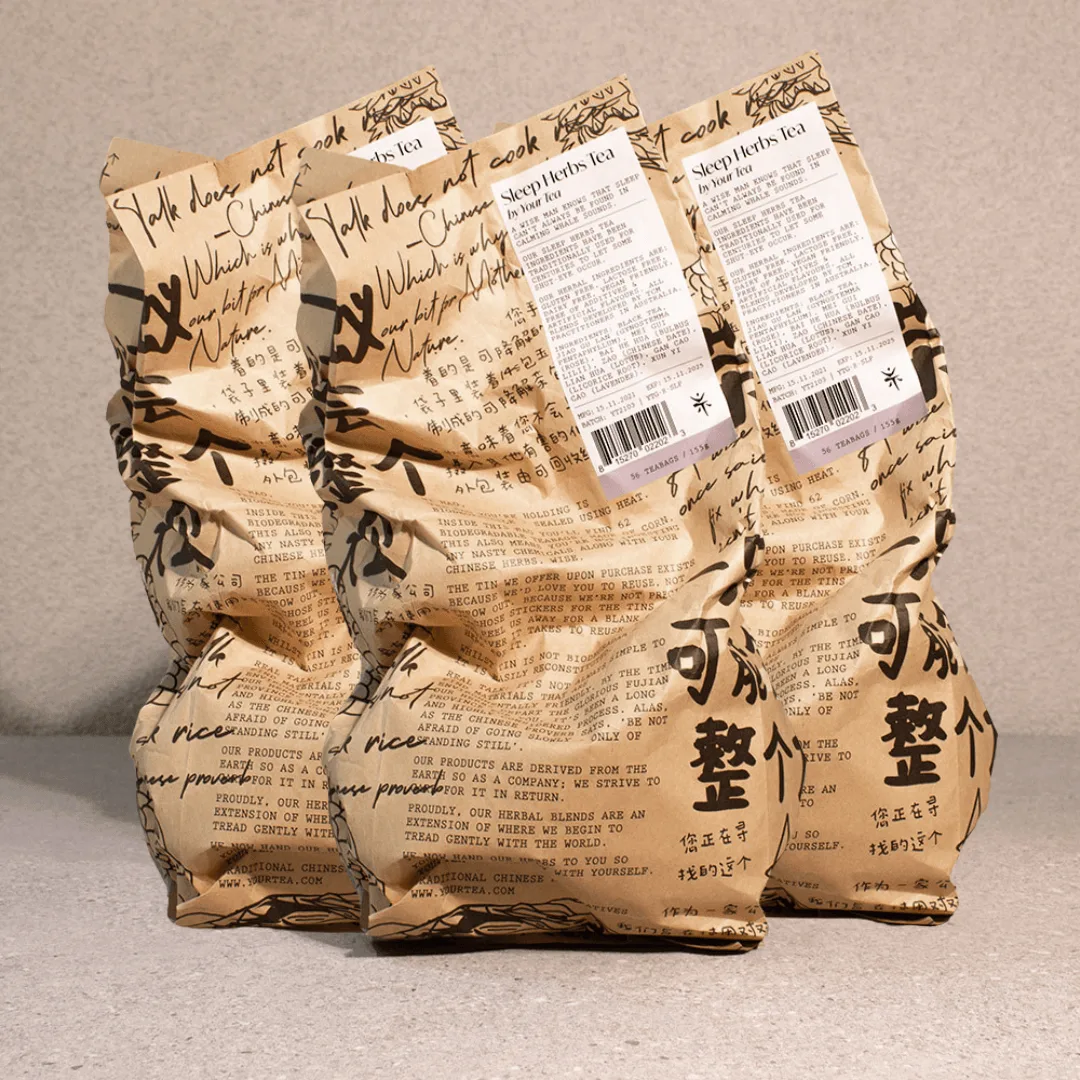
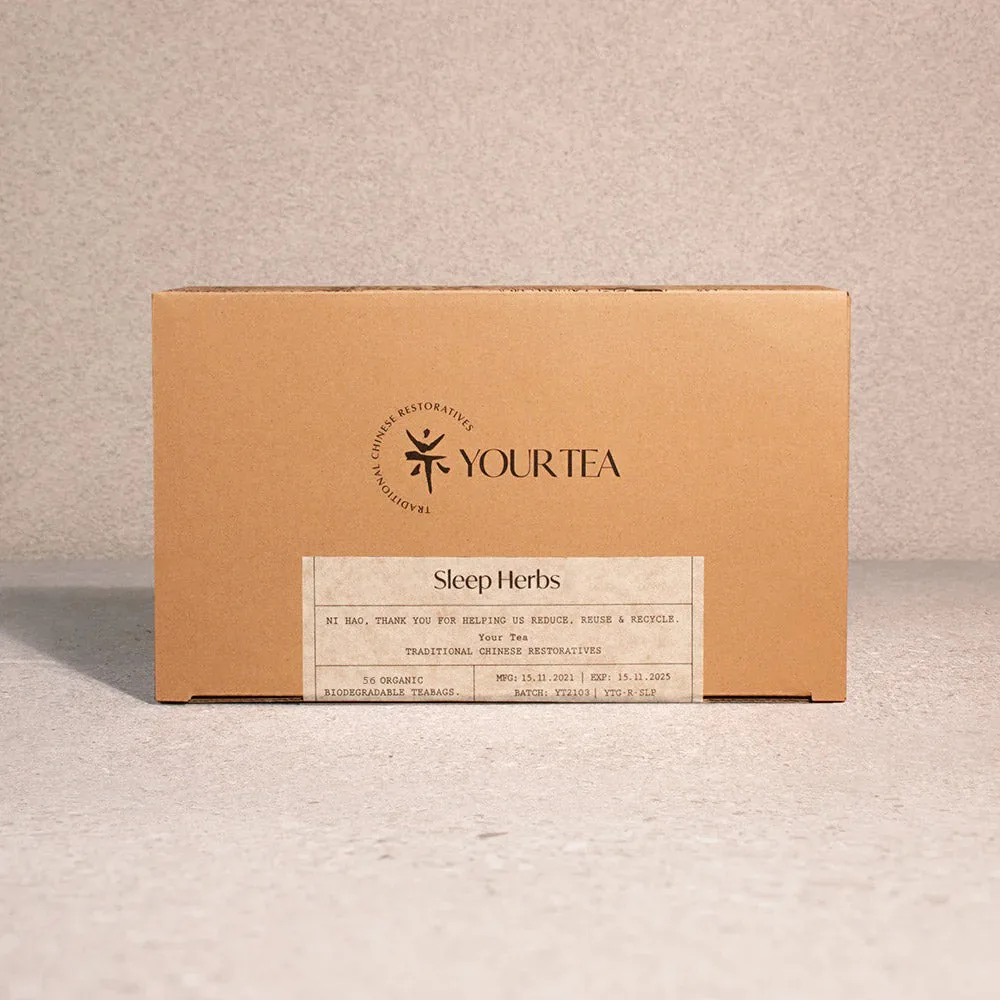
- https://yourteafza.com/products/sleep-herbs-tea-bundle-9c4a9377345ae7984d239d63-853679Sleep Herbs Tea Bundle: Our Sleep Herbs Tea was developed to address the root cause of insomnia, through the power of ancient Chinese herbs. This blend was formulated by our Australian Chinese Medicine Doctors, based on Traditional Chinese Medicinal Principles. When you see a tea with a clear purpose and a formulation based on a traditional system, you can trust that the ingredients were chosen intentionally for that benefit.
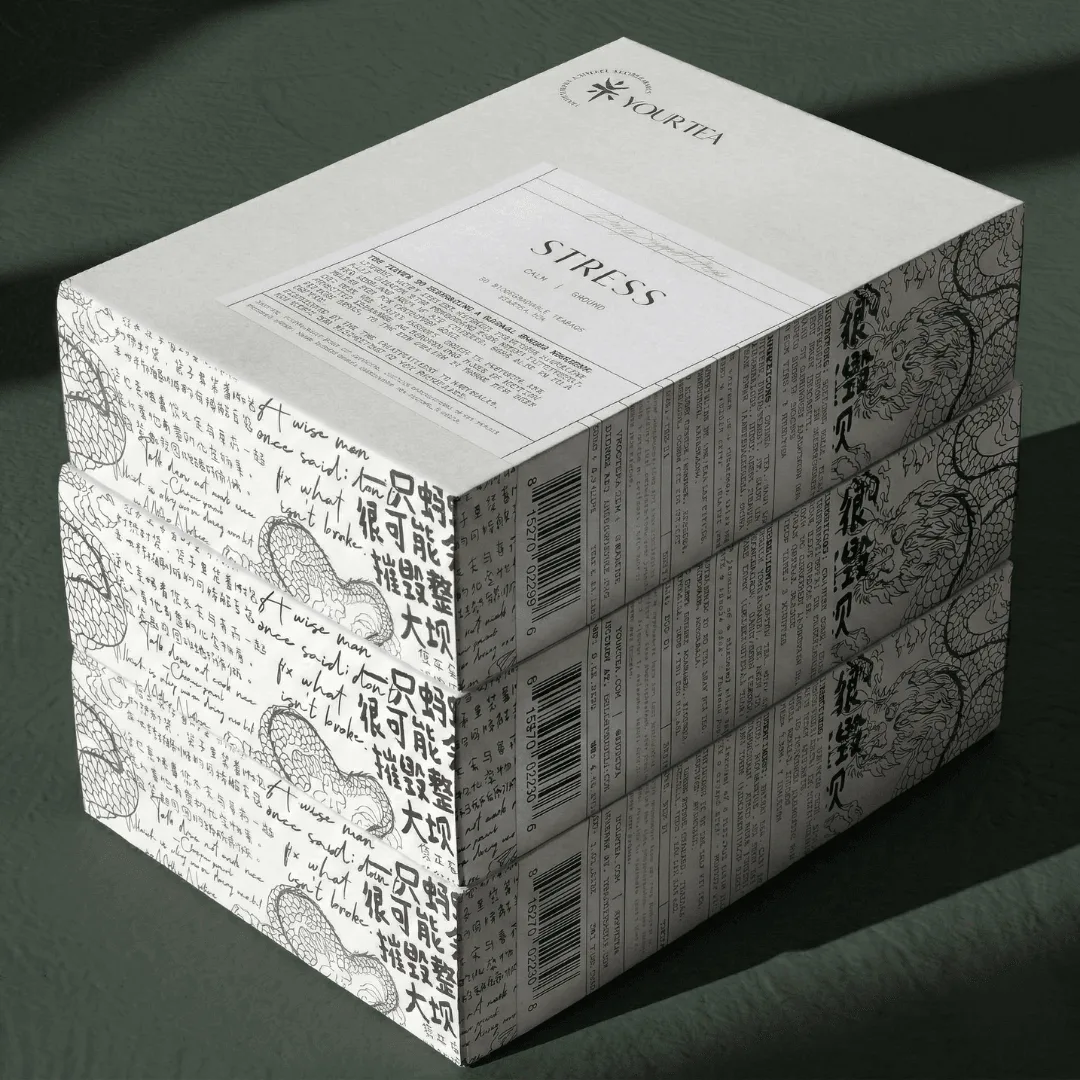
- STRESS BUNDLE | Daily Support Herbs Tea: Chai Hu is a featured ingredient, which from a Traditional Chinese Medicine perspective is said to be one of the strongest (of 3) useful herbs for dispersing Liver Qi. Look for labels that highlight key herbs and explain their role. This transparency helps you understand what you're consuming and why.
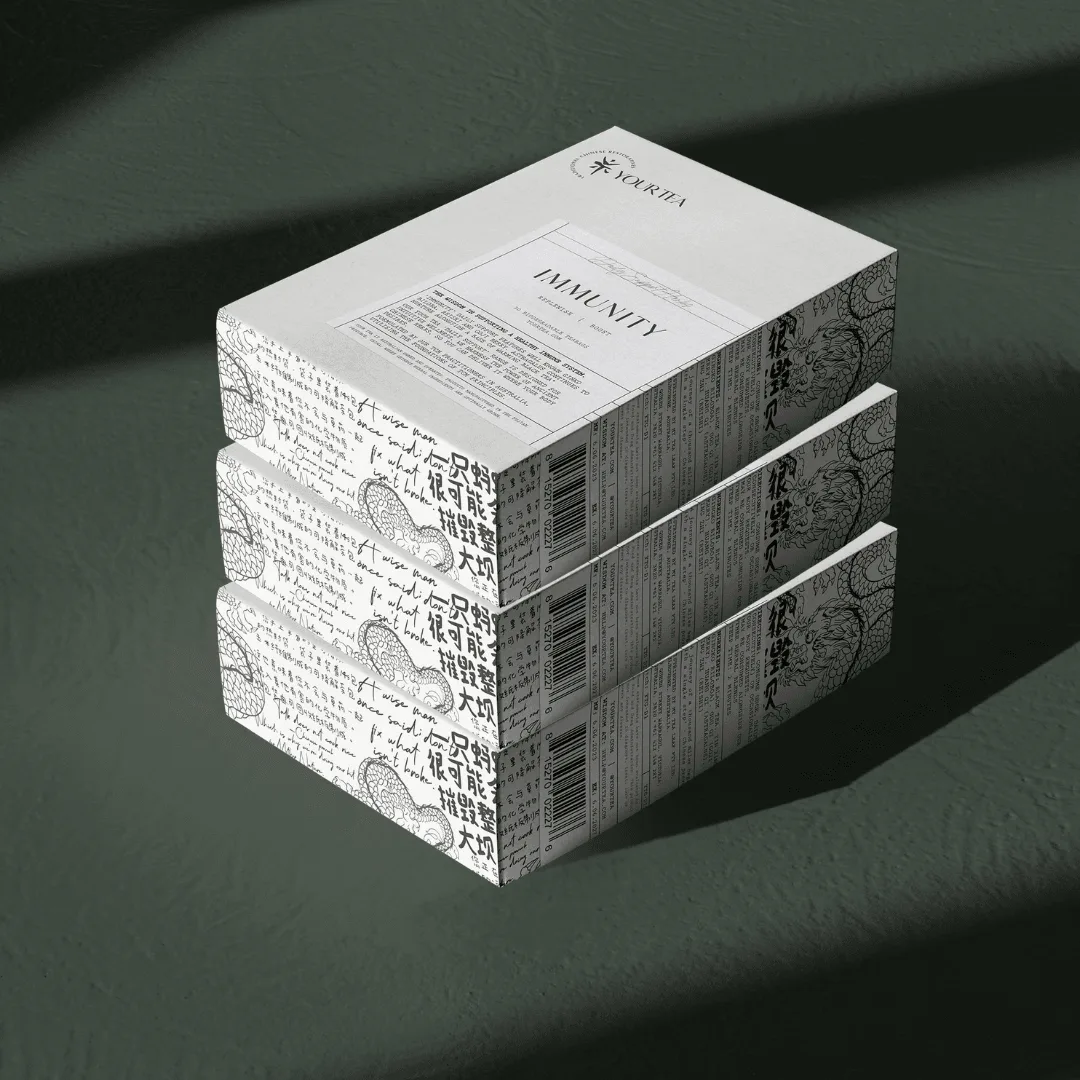
- IMMUNITY BUNDLE | Daily Support Herbs Tea: Included in 'Immunity', is Ginkgo Biloba; a power herb commonly known for being rich in antioxidants, whilst Ling Zhi (Reishi) is said to stimulate the immune system. Specific herb names are a good sign. Vague terms like 'immune blend' hide what's actually inside.
Reading herbal tea labels doesn't have to be complicated. Once you know what to look for, you can quickly spot quality blends that align with your wellness goals. Remember: the best tea is one with transparent, recognizable ingredients and no hidden extras. Happy tea shopping!