Quick Answer
Start by checking for a certification seal, then scan the ingredient list for whole, recognizable botanicals. Look for the tea type, origin, and brewing instructions to ensure you're getting a quality product that fits your needs.
Walking through the tea aisle, you'll see bags and boxes covered with claims like 'organic,' 'natural,' and 'wellness blend.' But what do these labels really tell you? Learning to read organic tea labels helps you choose products that align with your health goals and avoid marketing hype.
This guide breaks down the key elements of a tea label—from certification marks to ingredient lists—so you can shop with confidence.
1. Look for Certification Marks
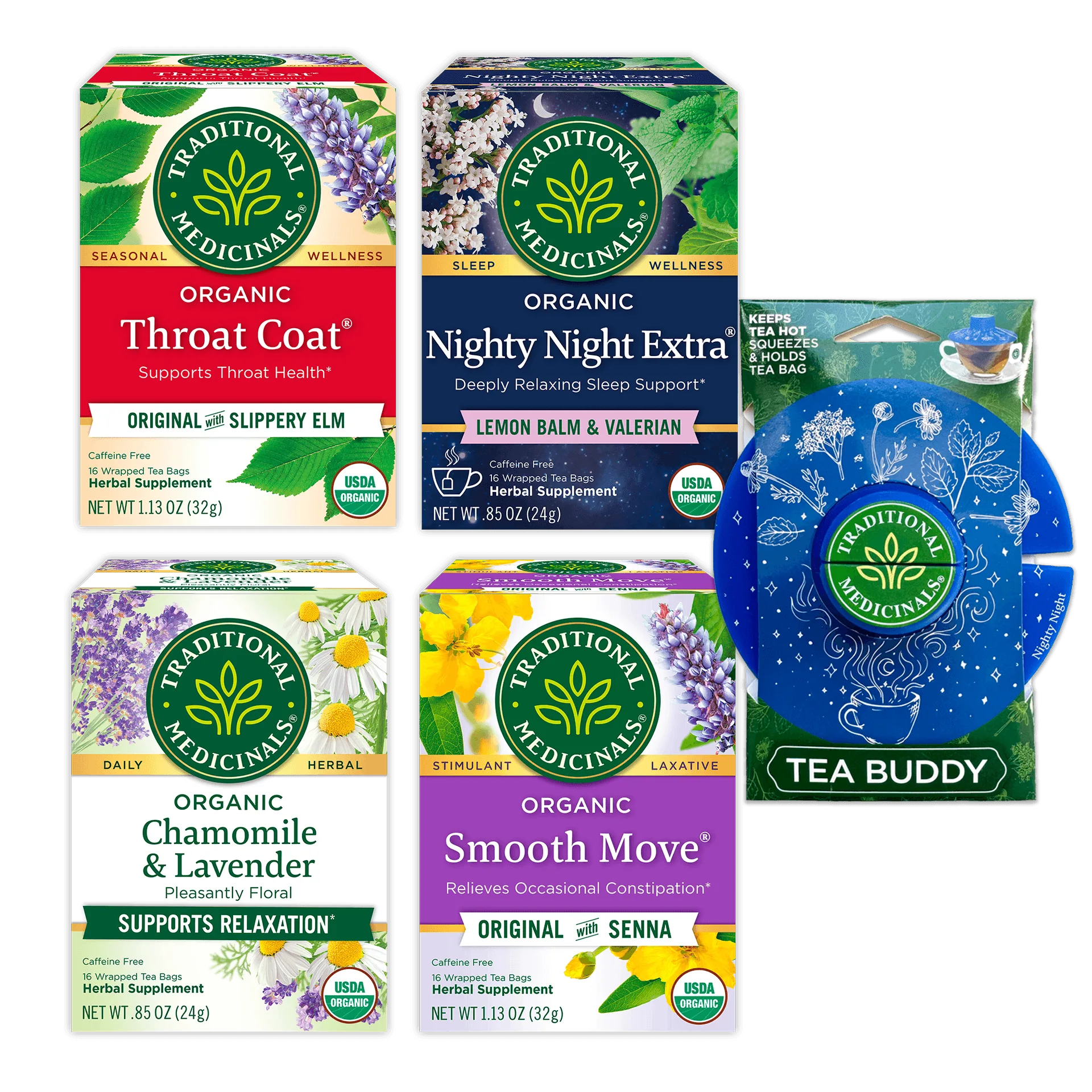
Certification marks are your first clue that a tea is genuinely organic. Look for seals from recognized bodies like USDA Organic, EU Organic, or Australia Certified Organic. These indicate that the tea has been produced without synthetic pesticides or fertilizers and meets strict standards.
If a label says 'organic' but lacks a certification seal, it may be a marketing claim rather than a verified fact. When in doubt, check the brand's website or contact them for details.
- Tip: Certification marks often appear on the front or back of the package; if absent, the tea may still be organic but unverified.
2. Examine the Ingredient List
The ingredient list tells you exactly what's in your cup. Quality organic teas often list whole botanicals—like chamomile flowers, peppermint leaves, or ginger root—rather than vague terms like 'natural flavors.' If you see long chemical names or artificial additives, that's a red flag.
For blended teas, ingredients are listed in descending order by weight. The first few ingredients dominate the blend, so if you're buying a tea for a specific purpose, such as relaxation, ensure the key herb appears near the top.
- Check for allergens or herbs you might want to avoid, especially if you're pregnant or on medication.
3. Identify the Tea Type and Origin
Tea labels often specify the type—green, black, white, oolong, or herbal—and the origin. Single-origin teas, like a Darjeeling from India, offer distinct flavor profiles, while blends may combine leaves from multiple regions. Origin can influence taste and price, but it's not a quality guarantee.
Herbal teas, also called tisanes, are not true teas (which come from Camellia sinensis). If a product is labeled 'tea' but contains only herbs, check the fine print to understand what you're buying.
- Tip: Some labels include harvest date or batch number, which can indicate freshness.
4. Check Serving Size and Brewing Instructions
Labels typically indicate how many servings are in the package and suggest brewing time and temperature. These details matter: over-steeping can make tea bitter, while under-steeping may not extract full flavor. A quality tea will often provide specific instructions for optimal taste.
Serving size also helps you compare value. For example, a 60-gram package with 30 servings means about 2 grams per cup, which is standard for loose-leaf tea.
- Mistake to avoid: Ignoring brewing instructions can ruin the flavor of an otherwise excellent tea.
5. Understand Health Claims with Caution
Many wellness teas make claims about supporting cholesterol, energy, or mood. While these can be helpful, remember that teas are not medicines. Labels should not claim to diagnose, treat, or cure diseases. If a tea promises dramatic results, approach with skepticism.
Instead, look for teas that align with your lifestyle. For instance, a blend designed to calm may contain herbs like chamomile or lemon balm, while an energy tea might include green tea or guarana. Read the ingredient list to see if the botanicals support the intended benefit.
- Always consult a healthcare provider before using herbal teas for medicinal purposes.
Step-by-Step Label Reading Checklist
- Check for certification seals: Look for USDA Organic, EU Organic, or similar marks on the packaging. These verify organic practices. No seal? The claim may be unverified.
- Scan the ingredient list: Look for whole, recognizable botanicals and avoid artificial additives. Ingredients are listed by weight, so the first few dominate. If you see 'natural flavors' without specifics, consider another brand.
- Note the tea type and origin: Identify whether it's true tea or herbal, and where it comes from. Origin can hint at flavor and quality. Single-origin teas may offer unique profiles.
- Review serving size and brewing instructions: Check how many servings you get and follow the suggested brewing time and temperature for best flavor. Over-steeping leads to bitterness.
- Evaluate health claims critically: Understand that teas support wellness but are not medicines. Compare the ingredient list to the claimed benefit. If a claim seems too good, research the ingredients.
Products That Showcase Clear Labeling
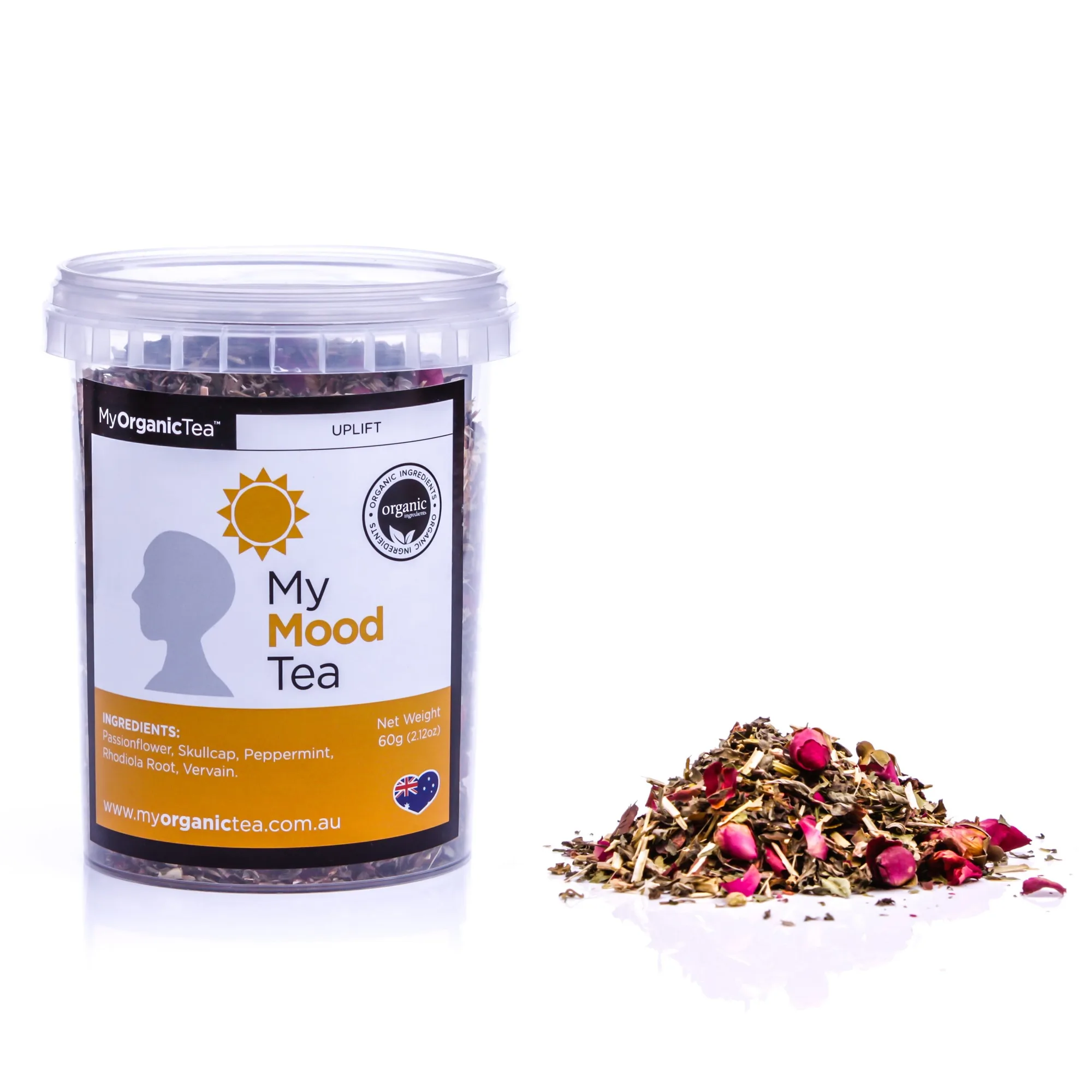
- My Mood Tea 60 Grams (30 Serves): This blend from the MY ORGANIC TEA range is recommended for balancing and maintaining mood. My Mood Tea is very good for balancing moods associated with a busy life. When you see a tea labeled for mood support, check the ingredient list for calming herbs that match the claim.
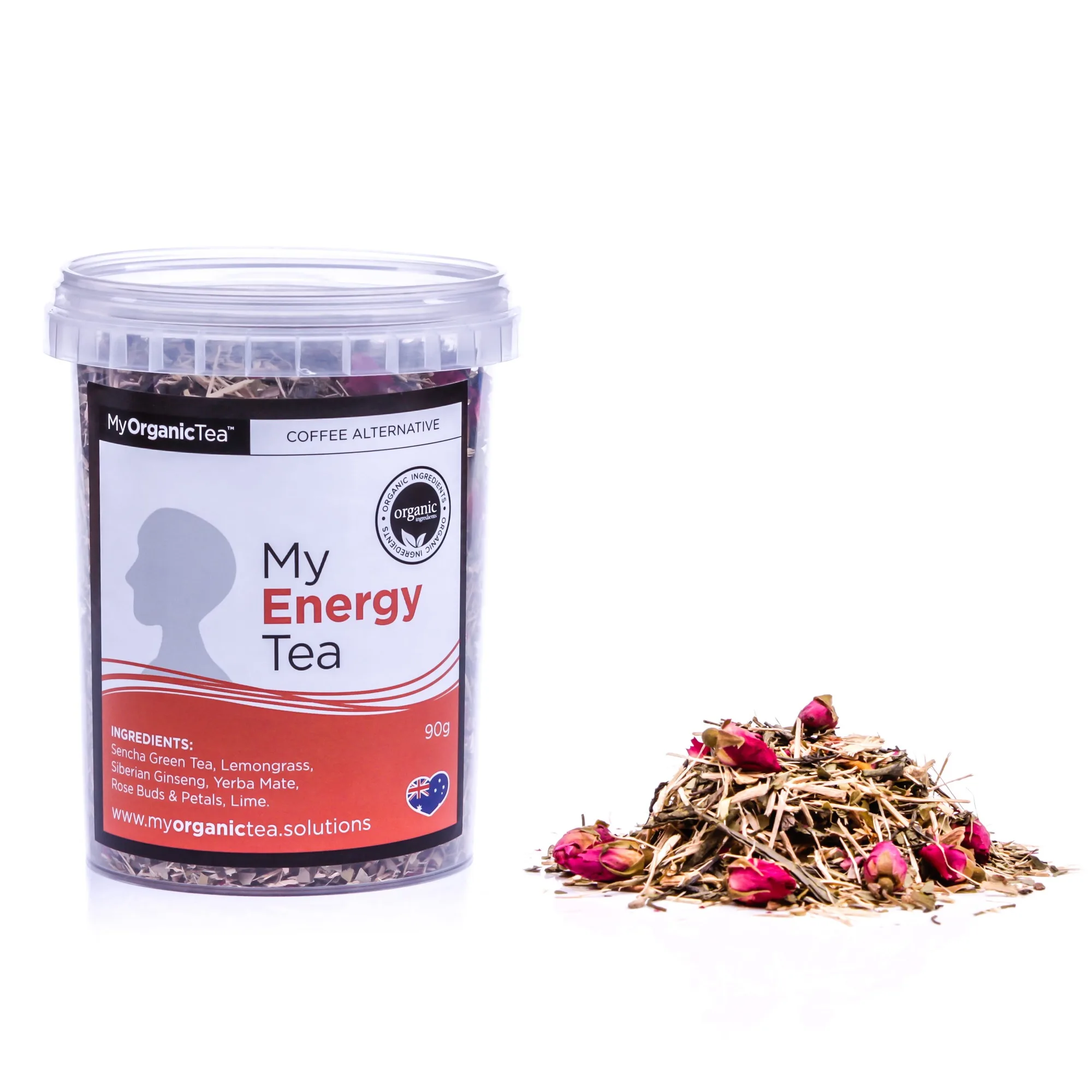
- My Energy Tea 60 Grams (30 Serves) Organic Tea Product: My Energy Tea is a blend that is synergistic by nature & especially balancing to... Energy teas often contain stimulating botanicals; reading the label helps you understand what gives you the boost.
Reading organic tea labels doesn't have to be complicated. By focusing on certifications, ingredients, and brewing details, you can choose teas that are both enjoyable and aligned with your wellness routine. Next time you pick up a package, take a few extra seconds to read the fine print—your cup will thank you.