Quick Answer
To read a herbal tea ingredient label effectively, start by scanning the ingredient list for whole, recognizable botanicals and check for any additives or flavorings. Look for certifications like organic, and always review the brewing instructions to ensure you get the best flavor and benefits. This guide walks you through each step.
Herbal tea labels can feel like a foreign language, with long botanical names, certifications, and brewing instructions that all seem to compete for your attention. But learning to read them is a valuable skill—it helps you choose teas that match your wellness goals and avoid hidden additives.
Whether you're buying your first box of sleep tea or comparing digestive blends, this practical guide will show you exactly what to look for. We'll break down the label step by step, so you can shop with confidence and brew a better cup every time.
Start with the Ingredient List
The ingredient list is the heart of any herbal tea label. It tells you exactly what's inside the tea bag, listed in order of quantity. Look for whole, recognizable botanicals like chamomile, peppermint, or ginger. If you see a long list of unpronounceable chemicals, it's a sign the tea may contain artificial additives.
For example, Tipson's wellness teas are made using all natural fruits, herbs, roots, seeds, and flowers, with no additives, preservatives, or flavoring. That's the kind of transparency you want to see. If a label doesn't list ingredients clearly, consider it a red flag.
- Check that the first few ingredients are botanicals you recognize.
- Avoid teas with artificial colors, flavors, or preservatives.
Look for Certifications and Claims
Certifications like 'organic' or 'gluten-free' are not just marketing—they indicate that the product meets specific standards. For instance, Tipson's wellness teas are caffeine-free and gluten-free, which is important if you're sensitive to caffeine or have celiac disease.
However, don't rely solely on certifications. Read the fine print to understand what they mean. 'Natural' doesn't always mean 'organic,' and 'caffeine-free' is different from 'decaffeinated.' Knowing these distinctions helps you make an informed choice.
- Look for 'organic' if you prefer pesticide-free ingredients.
- Check for 'caffeine-free' if you're sensitive to caffeine.
Understand Brewing Instructions
Brewing instructions on the label are more than just a suggestion—they're optimized for the tea blend to deliver the best flavor and benefits. Over-steeping can make herbal tea bitter, while under-steeping may result in a weak cup. Follow the recommended water temperature and steeping time for the best results.
For example, Tipson's tea bags are individually wrapped in recyclable foil envelopes, which helps preserve freshness. This packaging detail matters because it protects the tea from air and moisture, ensuring that your brew tastes as intended.
- Use the recommended water temperature; boiling water can scorch delicate herbs.
- Set a timer to avoid over-steeping.
5 Steps to Decode Any Herbal Tea Label
- Read the ingredient list from top to bottom: Ingredients are listed by quantity. The first few are the most prominent. Look for whole botanicals you recognize. Checkpoint: If you can't pronounce it, question it.
- Check for additives and allergens: Scan for artificial flavors, preservatives, or common allergens. Look for certifications like gluten-free if you have sensitivities. Checkpoint: A short, clean list is usually better.
- Look for certifications and origin claims: Organic, non-GMO, or fair-trade certifications add credibility. Origin claims can indicate quality, but verify them. Checkpoint: Don't trust claims without evidence.
- Review brewing instructions: Follow the recommended water temperature and steeping time. This ensures optimal flavor and extraction of beneficial compounds. Checkpoint: Over-steeping can ruin a good tea.
- Assess packaging for freshness: Individually wrapped tea bags in foil envelopes protect against air and moisture, preserving flavor and potency. Checkpoint: Good packaging matters for long-term storage.
How Tipson Teas Measure Up
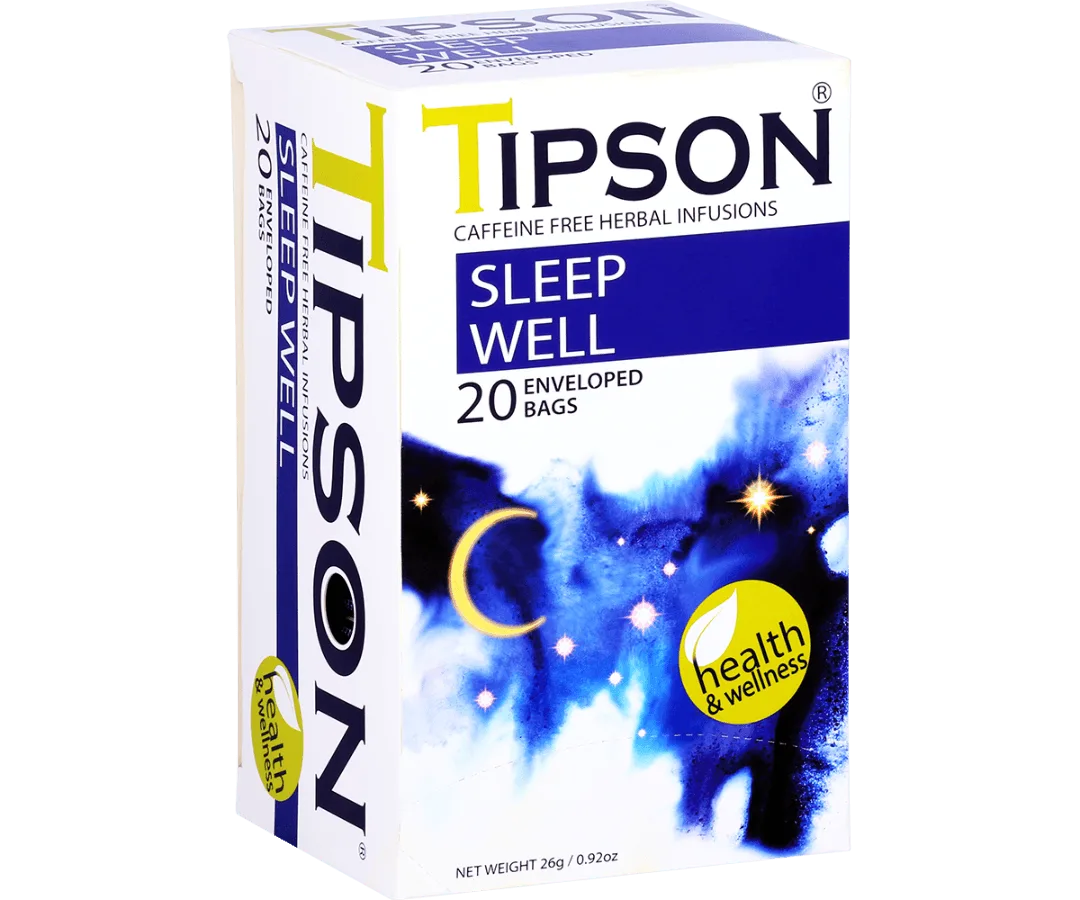
- Tipson Herbal Wellness - Sleep Well Tea - 20 Enveloped Tea Bags: Made using all natural fruits, herbs, roots, seeds & flowers sourced from special, selected gardens. Caffeine & gluten free with no additives, preservatives or flavouring. When reading labels, this is the ideal profile: a short, clean ingredient list with no hidden additives, making it a safe choice for nightly relaxation.
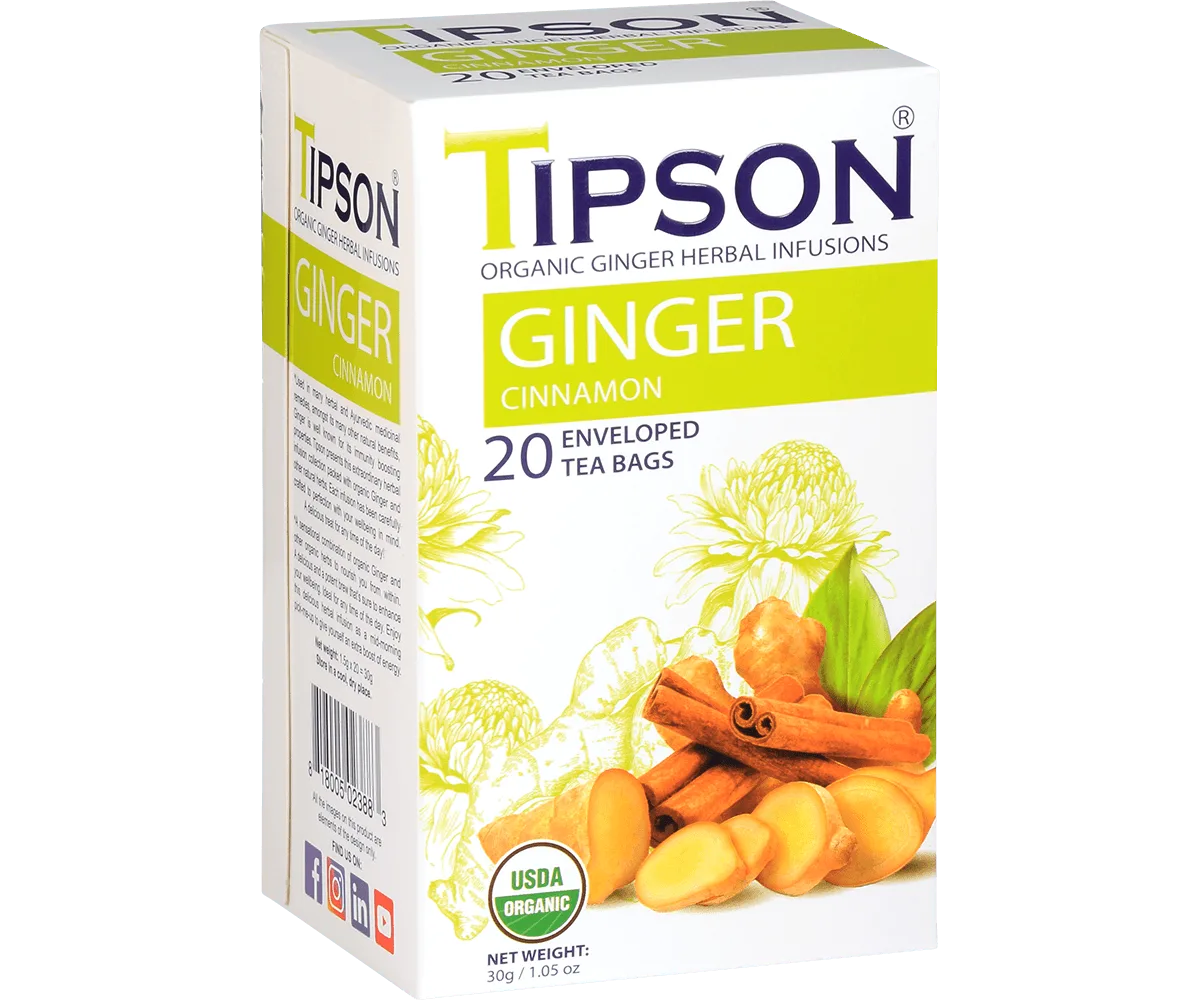
- Tipson Organic Ginger with Cinnamon - 20 Enveloped Tea Bags: Ginger is renowned for its rich supply of nutrients and bioactive compounds that support both body and mind, from easing digestion to enhancing brain function. This label highlights a single functional ingredient, making it easy to understand what you're getting and why it might support your wellness routine.
Reading a herbal tea ingredient label doesn't have to be intimidating. By focusing on the ingredient list, certifications, brewing instructions, and packaging, you can confidently choose a tea that aligns with your wellness goals. Next time you pick up a box, take a moment to read the label—your cup will thank you.