Quick answer
Start with the serving size, then read the ingredient list from first to last ingredient. Look for fruit named first, scan for added sugars and syrups, and check whether the fruit is concentrated or pureed. A clean label fruit bar usually lists only fruit, sometimes with a spice like cinnamon. If the list is long and includes syrups, colors, or preservatives, treat it as a fruit-flavored snack rather than a real fruit serving.
Why ingredient order matters more than front-of-package claims
Ingredients are listed by weight, so the first ingredient is what you are mostly eating. If a bar claims 'made with real fruit' but the first ingredient is a syrup or fruit puree from concentrate, the fruit content is likely lower than the front label suggests. For a clean label fruit bar, you want to see a whole fruit like apples or apricots at the top of the list. The shorter the list, the easier it is to verify what you are buying.
How to spot added sugars and syrups without getting fooled by names
Added sugars hide under many names: cane sugar, brown rice syrup, agave, corn syrup solids, and fruit juice concentrate. Even 'no added sugar' can mean the product relies on concentrated fruit sugars, which still count as free sugars on a nutrition label. Check the total sugars line and compare it to the grams of fruit you would eat in a whole serving. For a no added sugar fruit snack, the ingredient list should show fruit and nothing else sweet.
What crunchables ingredients tell you about texture and processing
Fruit crunchables are usually made by drying fruit puree into a crisp shape. The ingredient list may include fruit puree, fruit juice, and sometimes added fibers or starches to hold the crunch. If the list includes maltodextrin, dextrose, or natural flavors, the product is more processed than a simple dried fruit bar. That does not make it unhealthy, but it does mean you should treat it as a snack food, not a direct fruit equivalent.
Your step-by-step label reading routine
- Check the serving size first: Look at the top of the nutrition panel to see how many bars or pieces count as one serving. A 35-count bag of minis may list one mini bar as a serving, while a full-size bar might be two servings. Common mistake: assuming the whole package is one serving and misreading the sugar and calorie numbers. Write down the serving size before you compare any other number.
- Read the ingredient list from first to last: The first ingredient is the largest by weight. For a fruit bar, you want to see a fruit name like apples, apricots, or blueberries at the top. If the first ingredient is a syrup, juice concentrate, or starch, the product is built around something other than whole fruit. Checkpoint: a clean label fruit bar often lists two or three ingredients total. If fruit is not first, treat the bar as a snack, not a fruit serving.
- Scan for added sugars under any name: Look for sugar, cane sugar, brown rice syrup, agave, corn syrup, dextrose, maltodextrin, and fruit juice concentrate. These all count as added or free sugars. Common mistake: trusting a 'no added sugar' claim without checking the total sugars line and the ingredient list. Checkpoint: if you see any of these names, the product is not a no added sugar fruit snack. Compare the total sugars per serving to the grams of whole fruit you would eat instead.
- Check for preservatives, colors, and natural flavors: Ingredients like potassium sorbate, sulfur dioxide, artificial colors, and natural flavors signal a more processed product. They are not automatically unsafe, but they mean the bar is not a simple fruit + fruit formula. For crunchables, starches and fibers may be added to create crunch, so read the list to understand what you are buying. Checkpoint: if you cannot picture the ingredient in a kitchen, it is an additive. Fewer unfamiliar ingredients usually means a cleaner label.
- Compare the fruit content to the price and packaging: A bar with two ingredients and no added sugar often costs more per bar than a fruit-flavored snack with syrups. That price difference reflects the fruit content. Decide whether you want a daily fruit serving or an occasional treat, then choose accordingly. Common mistake: buying a large pack of fruit-flavored snacks and assuming it delivers the same fruit as a two-ingredient bar. Match the label to your goal: real fruit serving or snack food.
What clean labels look like in practice
- Minis Variety Pack - Blueberry, Cherry, Fig, Mango & Strawberry (35 Bars): Minis Variety Pack - Blueberry, Cherry, Fig, Mango & Strawberry (35 Bars) contains 7 mini bars each of Apple + Blueberry, Apple + Cherry, Apple + Fig, Apple + Mango, and Apple + Strawberry. The bars are made with fruit + fruit, 100% natural, plant-based, gluten-free, and non-GMO. This is a clear example of a label where fruit is the only ingredient, so you can see what a two-ingredient fruit bar looks like before you compare other products.
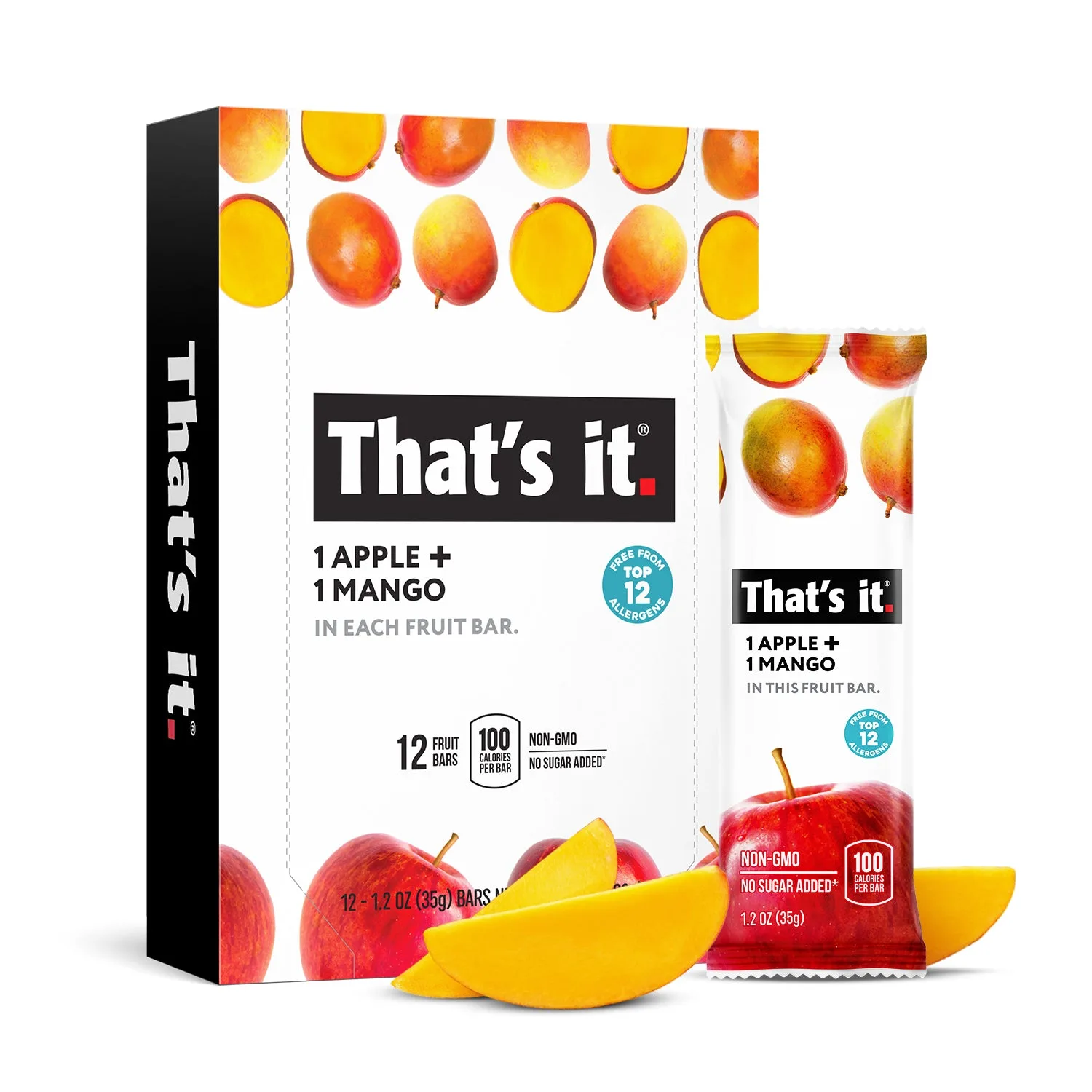
- Apple + Apricot Fruit Bars: Apple + Apricot Fruit Bars are made from just two real fruit ingredients: apples and apricots, with no added sugars, preservatives, or artificial ingredients. When the ingredient list is only apples and apricots, you can skip the added sugar hunt and focus on serving size and fruit variety instead.
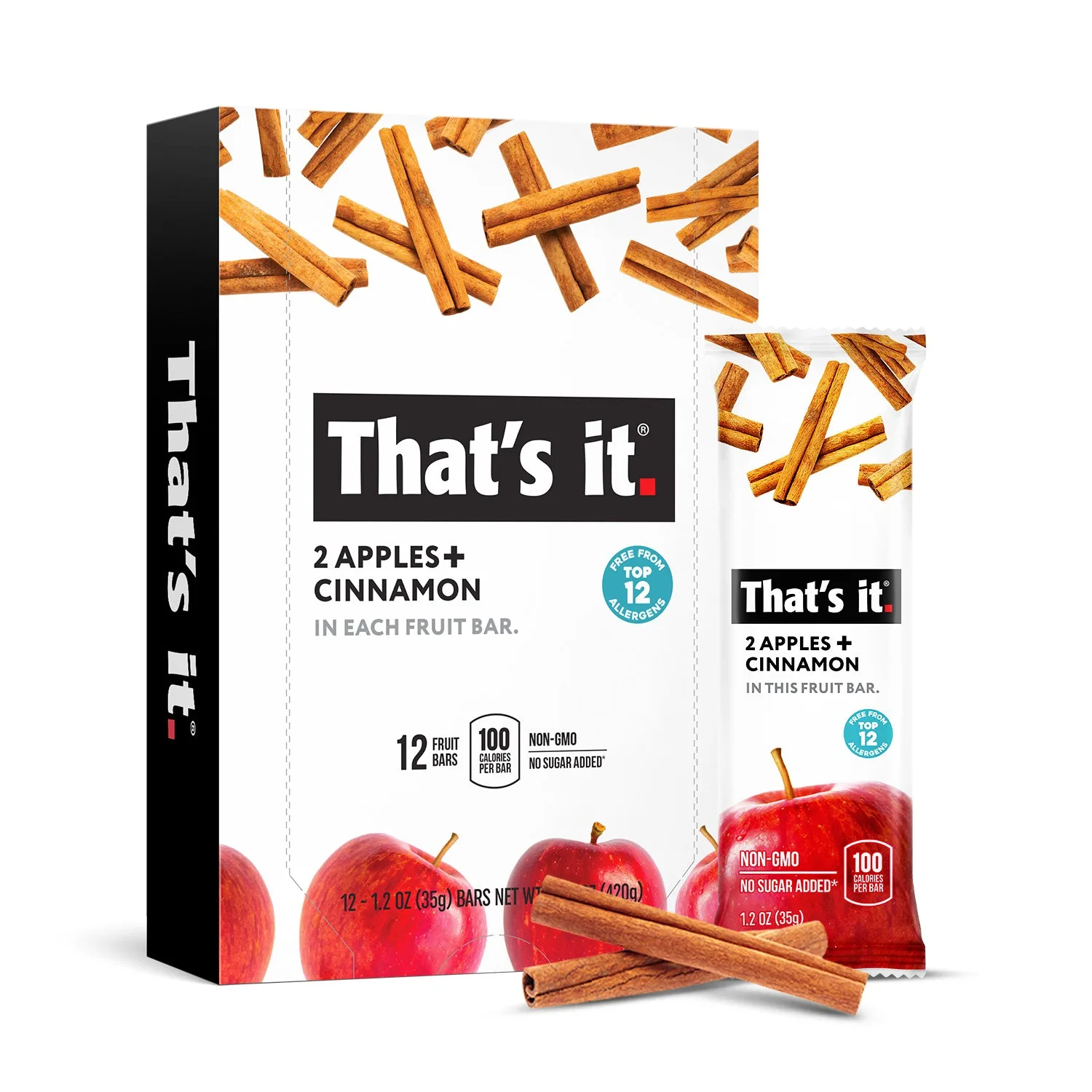
- Apple + Cinnamon Fruit Bars: Apple + Cinnamon Fruit Bars list only apples and cinnamon as ingredients, with two apples plus a dash of cinnamon and nothing else. Spices like cinnamon can add flavor without adding sugar, so a two-item list is a quick checkpoint for a clean label fruit bar.