Quick answer
Start by understanding the book's structure and format, then use visual cues and context to enjoy the art and text, even without fluent Japanese.
Why Japanese art books can feel different
Japanese art books often mix text and images in ways that differ from Western publications. The reading direction may be right-to-left, and captions or essays can assume familiarity with local pop culture or art history. Recognizing these differences helps you avoid confusion and get more from the book.
Steps to read a Japanese art book
- Check the reading direction: Open the book from the right side (the spine is on the right). Pages turn left to right. Text columns often read from top to bottom, right to left. If you accidentally start from the left, you'll read the book backwards.
- Identify the book's structure: Look for a table of contents (目次, mokuji) at the beginning. Art books often have sections: gallery plates, artist commentary, and making-of or interview pages. Knowing the structure lets you skip or focus on sections that interest you most.
- Use visual context for captions: Captions and labels often accompany images. Even without reading Japanese, you can match numbers or symbols in the image to the caption. Art books may include English titles or romanized names. Don't worry about translating every word; the images tell the story.
- Look for English summaries or glossaries: Some Japanese art books include a brief English summary, index, or glossary at the back. Check the last few pages for this. A quick scan can unlock the book's main themes and artist intent.
- Practice reading aloud with read-aloud books: For books like MOE Rasenjin Hayami that contain read-aloud pieces, try reading the text aloud. The phonetic furigana (small hiragana above kanji) helps with pronunciation. Reading aloud improves comprehension and makes the experience more immersive.
Product facts
-
Yotsuda Sun Making + Illustrating: Yotsuda Sun Making + Illustrating is the first collection of works from illustrator Sezuda Sun, who transitioned from a professional baseball player to an illustrator, using psychology to create captivating images. This background means the book likely includes behind-the-scenes making-of content and psychological insights, which you can appreciate even without reading every word.
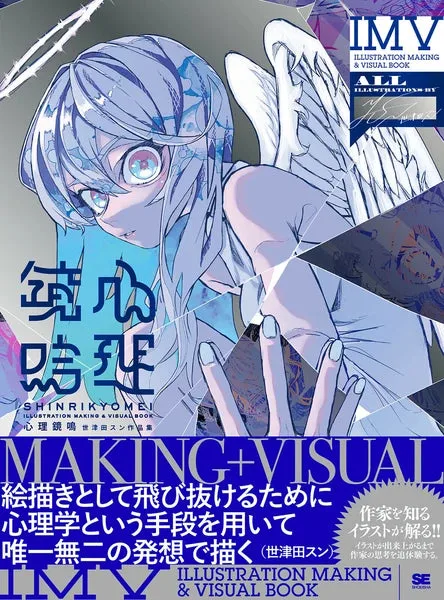
Yotsuda Sun Making + Illustrating
-
MOE Rasenjin Hayami: MOE Rasenjin Hayami is a B6-sized collection of 10 read-aloud pieces originally published in Rakuen magazine, spanning genres from science fiction to folk tales. The compact B6 format and read-aloud nature make it ideal for practicing reading aloud or following along with audio, helping you engage with the text even at a beginner level.
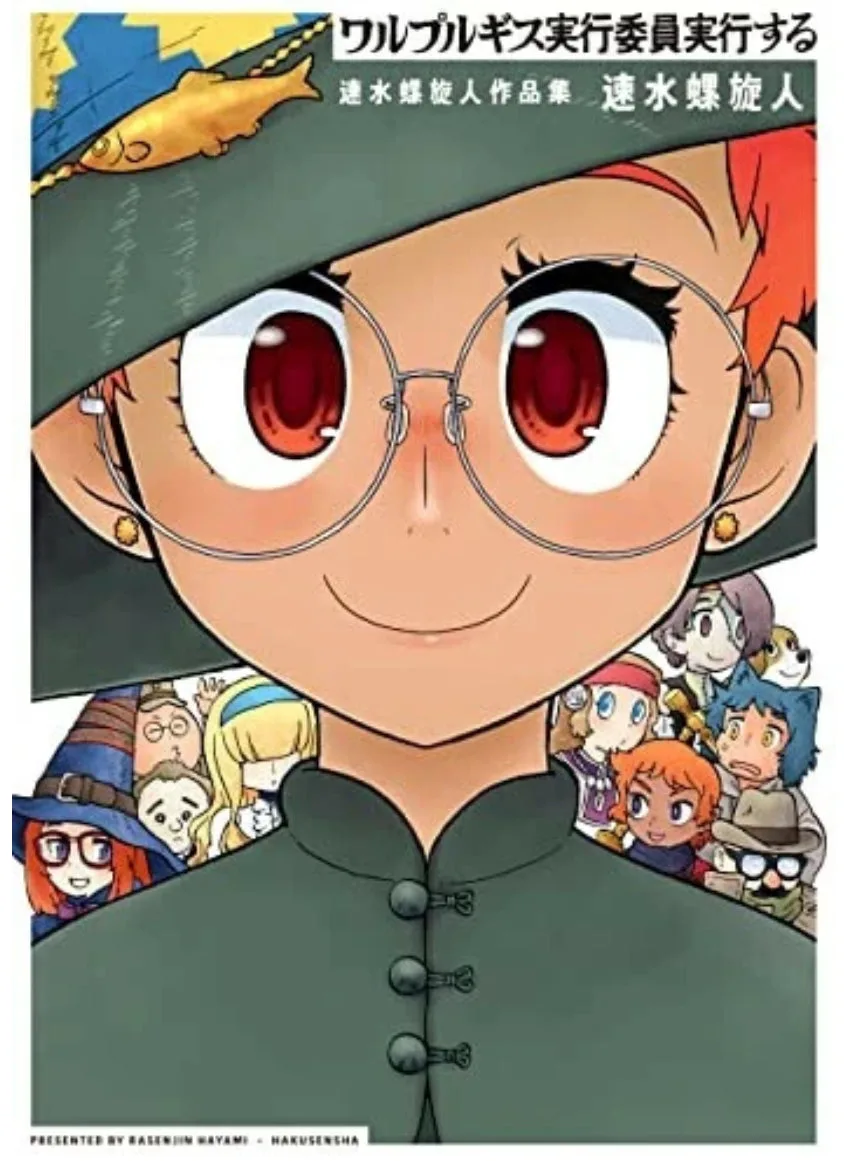
MOE Rasenjin Hayami