Quick answer
Start with the serving size, then check whether each ingredient is listed with a specific amount. Red flags include proprietary blends that hide individual doses, caffeine content that isn't disclosed, and serving sizes that don't match how you'll actually use the product. For Kaged products, the label lists exact amounts and identifies patented ingredients, so you can compare formulas directly.
Why the Serving Size Is the First Thing to Check
The serving size tells you how much of the product the manufacturer used to calculate every number on the label. If a pre-workout lists 200 mg of caffeine per scoop and you take two scoops, you're getting 400 mg. That matters because many labels show amounts per serving, not per container or per scoop if the scoop is smaller than the serving. Always find the serving size line before you look at anything else. Then ask: does that serving match how you plan to use it? If you typically take half a scoop, all the ingredient amounts are cut in half too.
How to Spot a Proprietary Blend
A proprietary blend lists ingredients together under one total milligram amount, like 'Energy Blend 500 mg' with several items underneath. You can't tell how much of each ingredient you're getting. That's a red flag because the effective dose of one ingredient might be 200 mg, but if it's buried in a blend, it could be 20 mg. Kaged products generally avoid proprietary blends for key ingredients, listing exact amounts so you can compare against research or your own experience. When you see a blend, treat the product as a question mark until you can find independent testing or clearer labeling.
Check Caffeine and Other Stimulants Separately
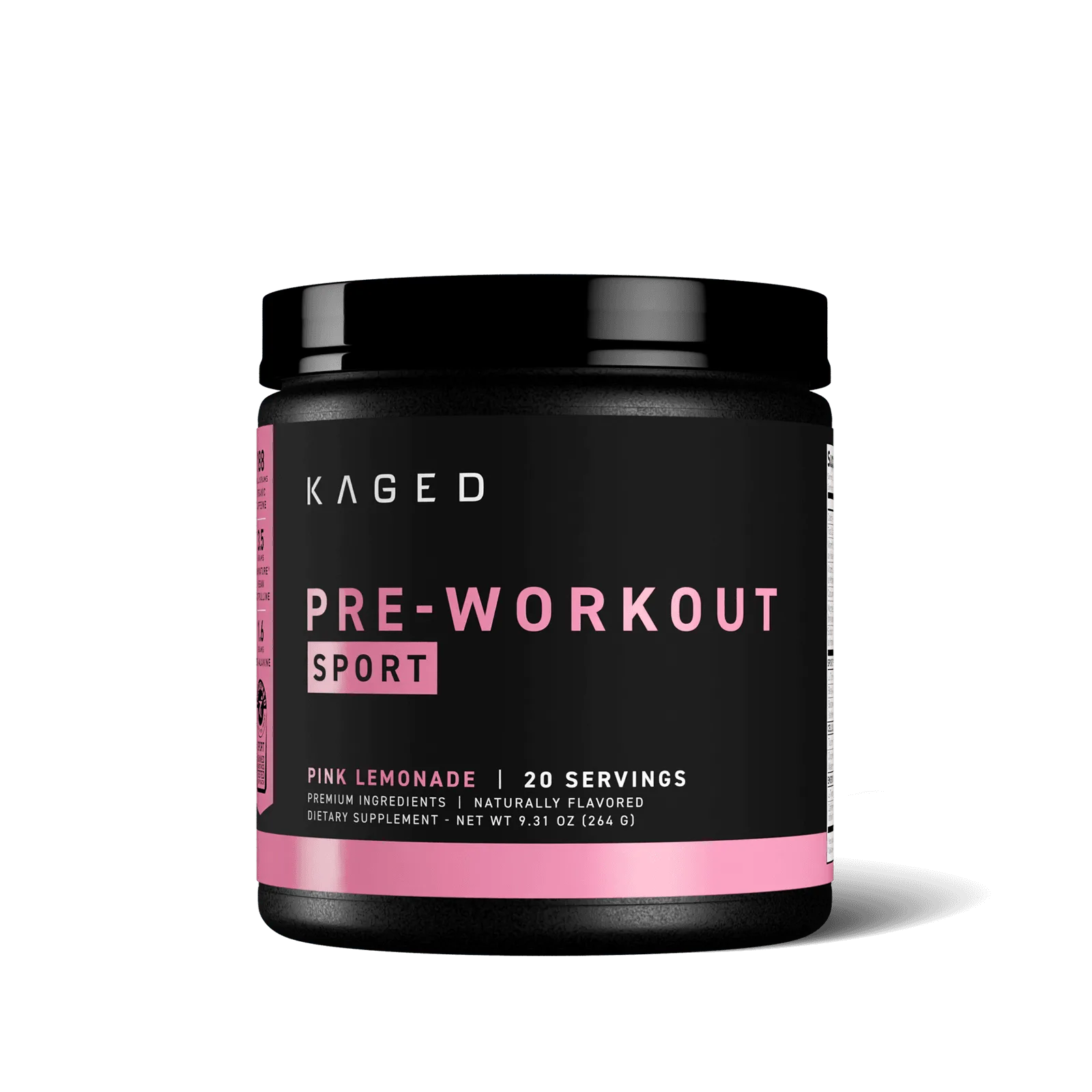
Caffeine is often hidden inside blends or listed as 'natural caffeine' without a number. For pre-workout label red flags, the biggest one is undisclosed caffeine. If you're sensitive, stacking a pre-workout with coffee or another stimulant can push you over your limit. Kaged Pre-Workout Sport lists natural caffeine with a specific amount, so you can plan your intake. Also look for other stimulants like theobromine or yohimbine, which may not be obvious. If the label doesn't tell you how much caffeine you're getting, that's a dealbreaker for many people.
Compare Ingredient Forms, Not Just Names
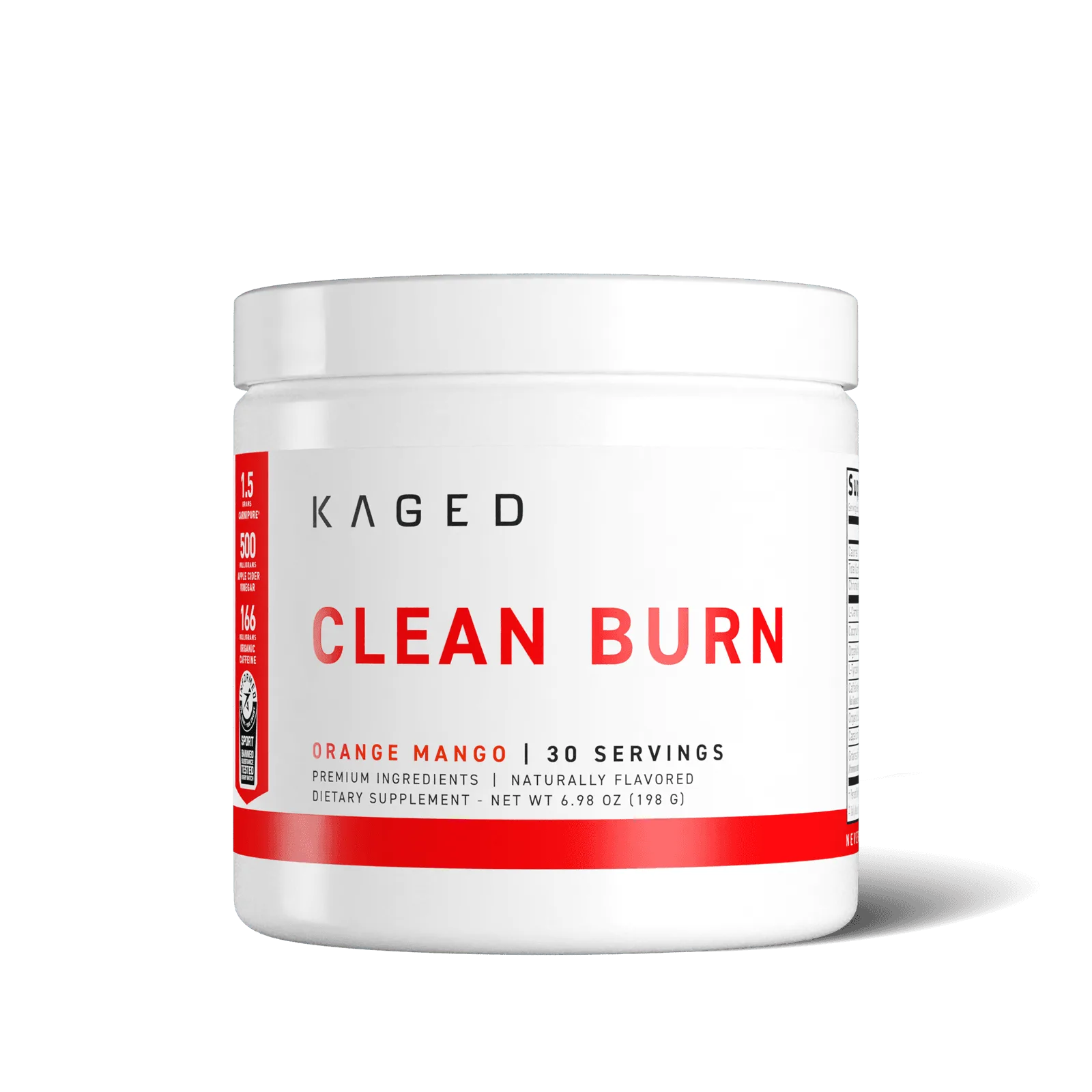
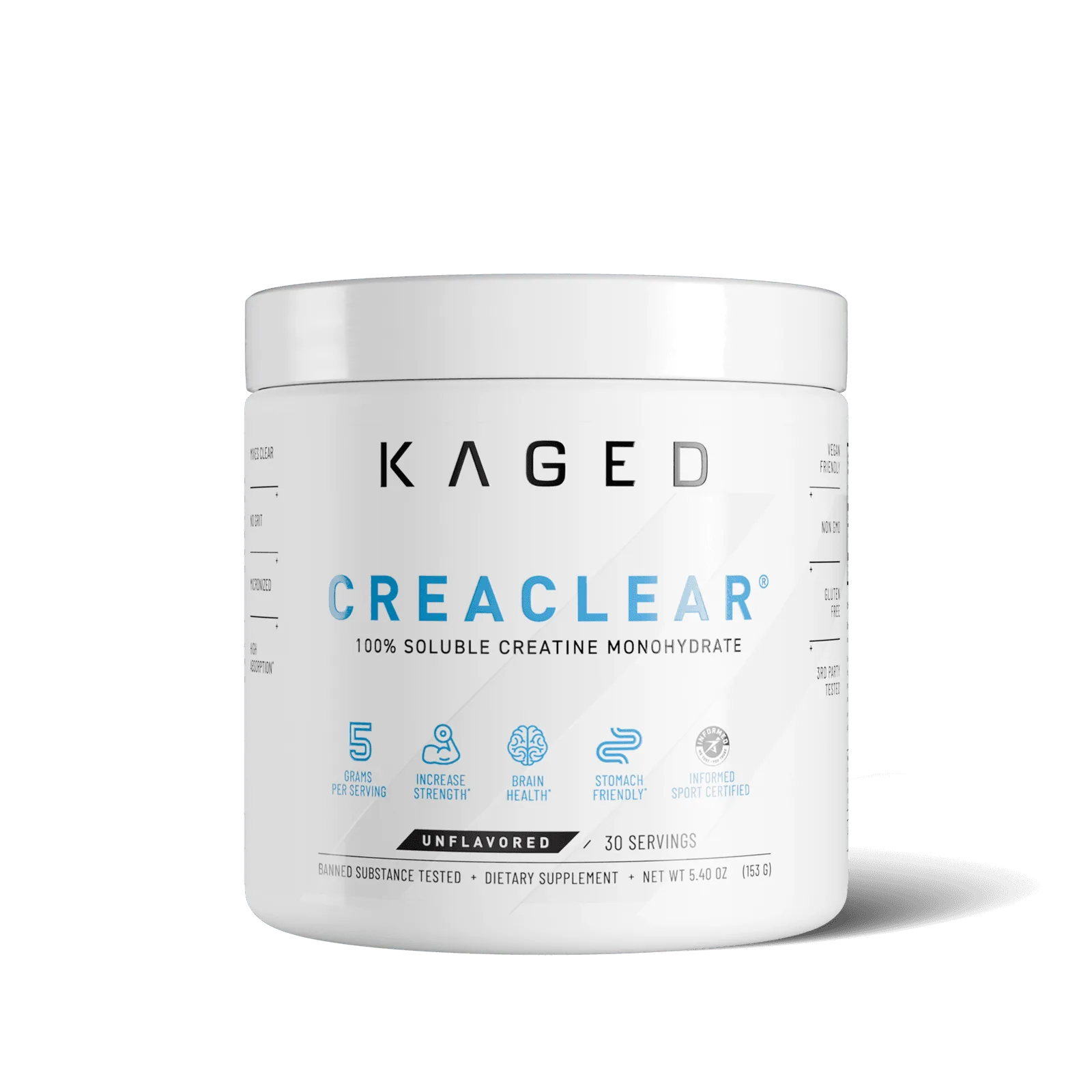
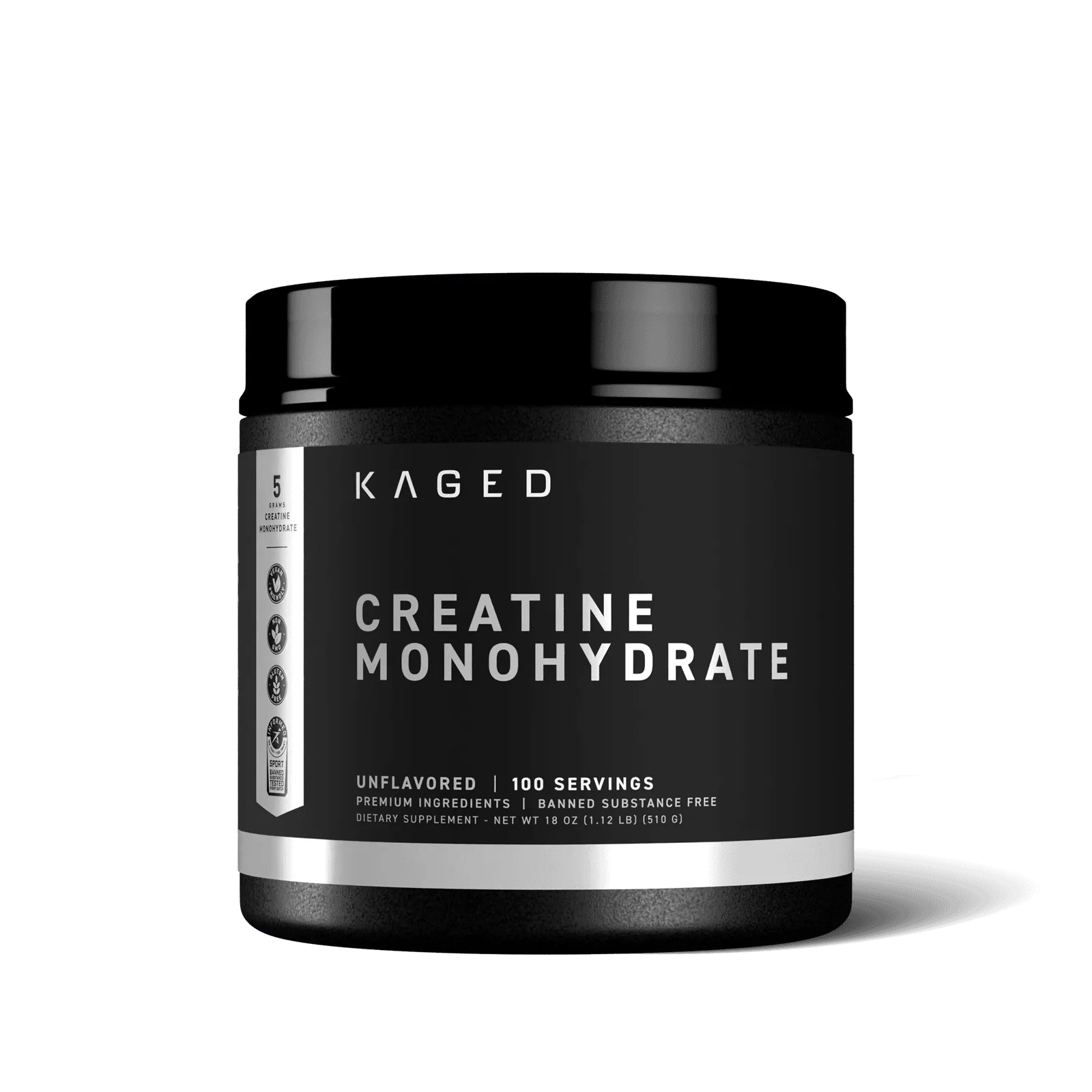
Two products can both list 'creatine monohydrate' but use different forms. CreaClear® is a patented form of creatine monohydrate that mixes clear in water, which may reduce bloating and improve absorption. That's a meaningful difference if you've had trouble with regular creatine. Similarly, Clean Burn Powder uses Capsimax® and organic AmaTea® guayusa, which are branded ingredients with specific research behind them. When you see a patented or trademarked ingredient, it often means the manufacturer chose a more expensive, more studied form. That's not automatically better for everyone, but it's a signal to look closer.
creatine monohydrate
Step-by-step label reading checklist
- Find the serving size: Look at the top of the Supplement Facts panel. Note whether it's one scoop, two scoops, or a different amount. Common mistake: assuming one scoop equals one serving. Check the container for how many servings it actually provides. If the serving size doesn't match your typical use, recalculate all ingredient amounts.
- Scan for proprietary blends: Look for the word 'blend' or a total milligram amount followed by a list of ingredients. Common mistake: trusting that the blend contains effective doses. Without individual amounts, you can't know. If a blend contains a stimulant or a key active ingredient, consider a product with transparent dosing.
- Check caffeine and stimulant totals: Find caffeine listed separately or within a blend. Add up all sources if you take multiple products. Common mistake: not accounting for caffeine in other supplements, coffee, or tea. Aim to stay under 400 mg total caffeine per day from all sources, or lower if you're sensitive.
- Compare ingredient forms and patents: Look for trademarked names like CreaClear®, Capsimax®, or AmaTea®. These often indicate a specific form or extract. Common mistake: assuming all forms of an ingredient are identical. Patented forms may offer better mixing, absorption, or tolerability, but they aren't required for results.
- Match the label to your goal: Ask whether the product's purpose aligns with what you need. A thermogenic powder like Clean Burn is for metabolism support, while Pre-Workout Sport is for energy and focus. Common mistake: buying based on front-of-label claims without checking the back. If the ingredient amounts don't support your goal, choose a different product rather than doubling the serving.
Label facts from Kaged products
- CreaClear™: CreaClear® is a patented form of creatine monohydrate that mixes 100% clear in water, with benefits for muscle, strength, and between-set recovery. If you dislike gritty creatine or experience bloating, this form may be easier to take consistently, which is what actually drives results.
- Pre-Workout Sport: Pre-Workout Sport contains natural caffeine for energy and focus, essential electrolytes, and patented key ingredients at key doses, with no artificial colors or flavors. The label discloses caffeine and electrolytes, so you can track your intake and avoid doubling up on stimulants without knowing it.
- Clean Burn Powder: Clean Burn Powder with ACV includes Capsimax® and organic AmaTea® guayusa, and is described as a thermogenic powder to support metabolism and healthy weight loss. The branded ingredients indicate specific sourcing, but the label still requires you to check total caffeine and serving size to fit your tolerance.