As a parent, you want the best for your children, and that includes the vitamins they take. Gummy vitamins have become a popular choice for kids because they taste great and are easy to chew. But with so many options on the market, how do you know which one is truly right for your child? The answer lies in learning how to read gummy vitamin labels effectively.
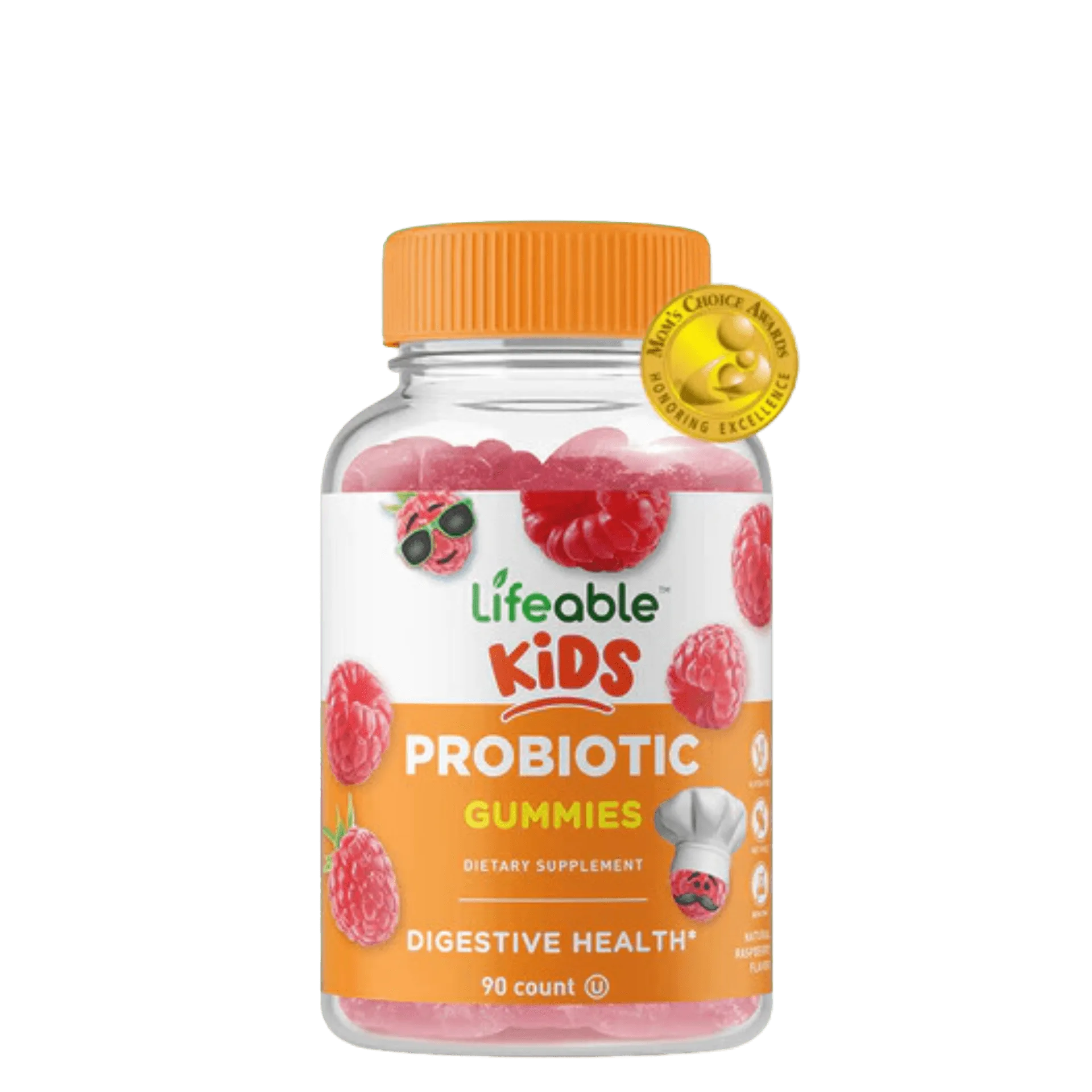
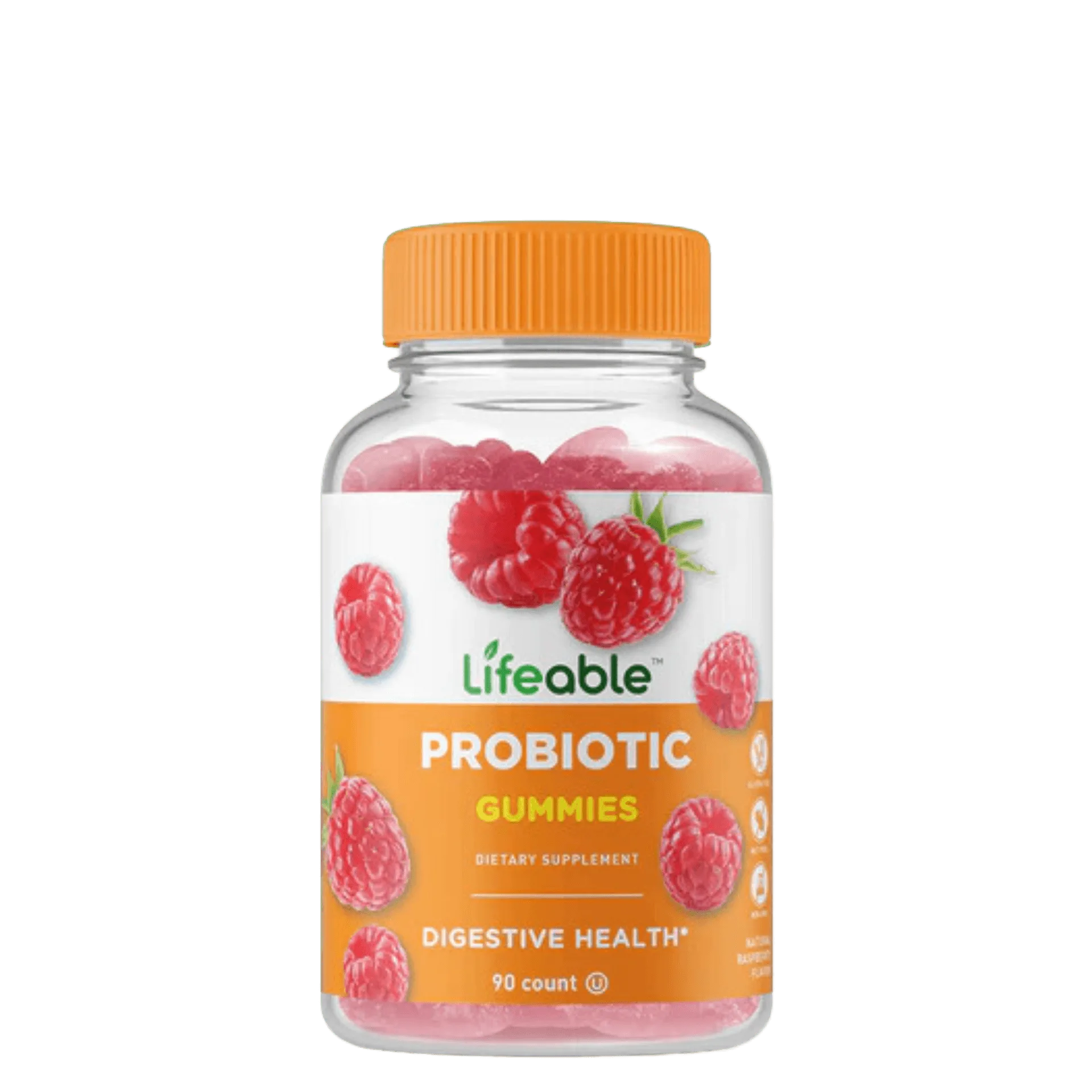
This guide will walk you through the essential parts of a supplement label, from the nutrition facts panel to the ingredient list, so you can make informed decisions. Whether you're choosing a daily multivitamin or a targeted supplement like https://lifeableyh.com/products/probiotic-gummies-for-kids-375722https://lifeableyh.com/products/probiotic-gummies-for-kids-375742Probiotic Gummies for Kids, understanding labels is key to ensuring your child gets the nutrients they need without unwanted additives.
Start with the Supplement Facts Panel
The Supplement Facts panel is the most important part of any vitamin label. It tells you exactly what's in each serving, including the amount of each nutrient and the percentage of the Daily Value (DV) for children. Pay attention to the serving size, which is often two gummies, and make sure you're giving your child the correct amount based on their age.
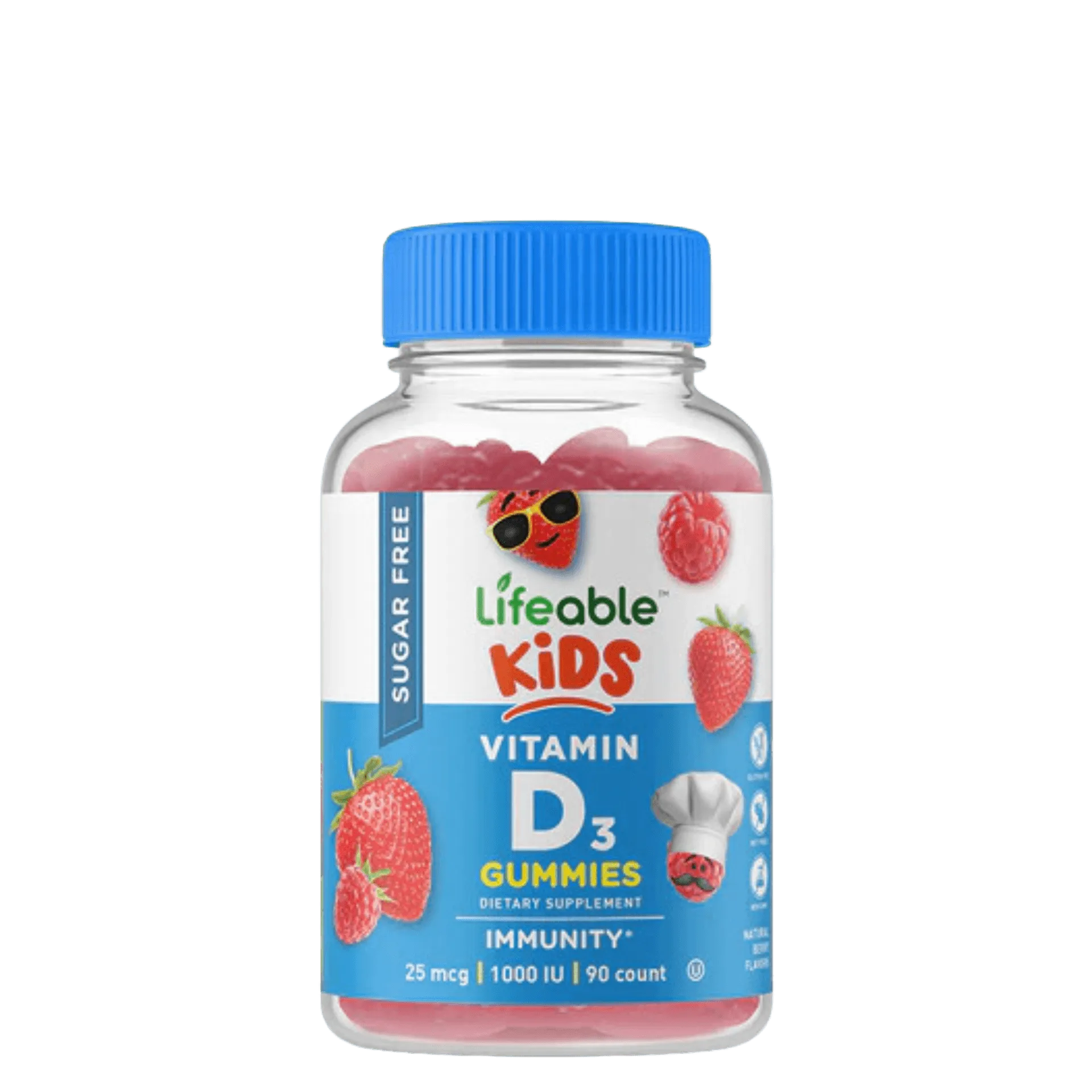
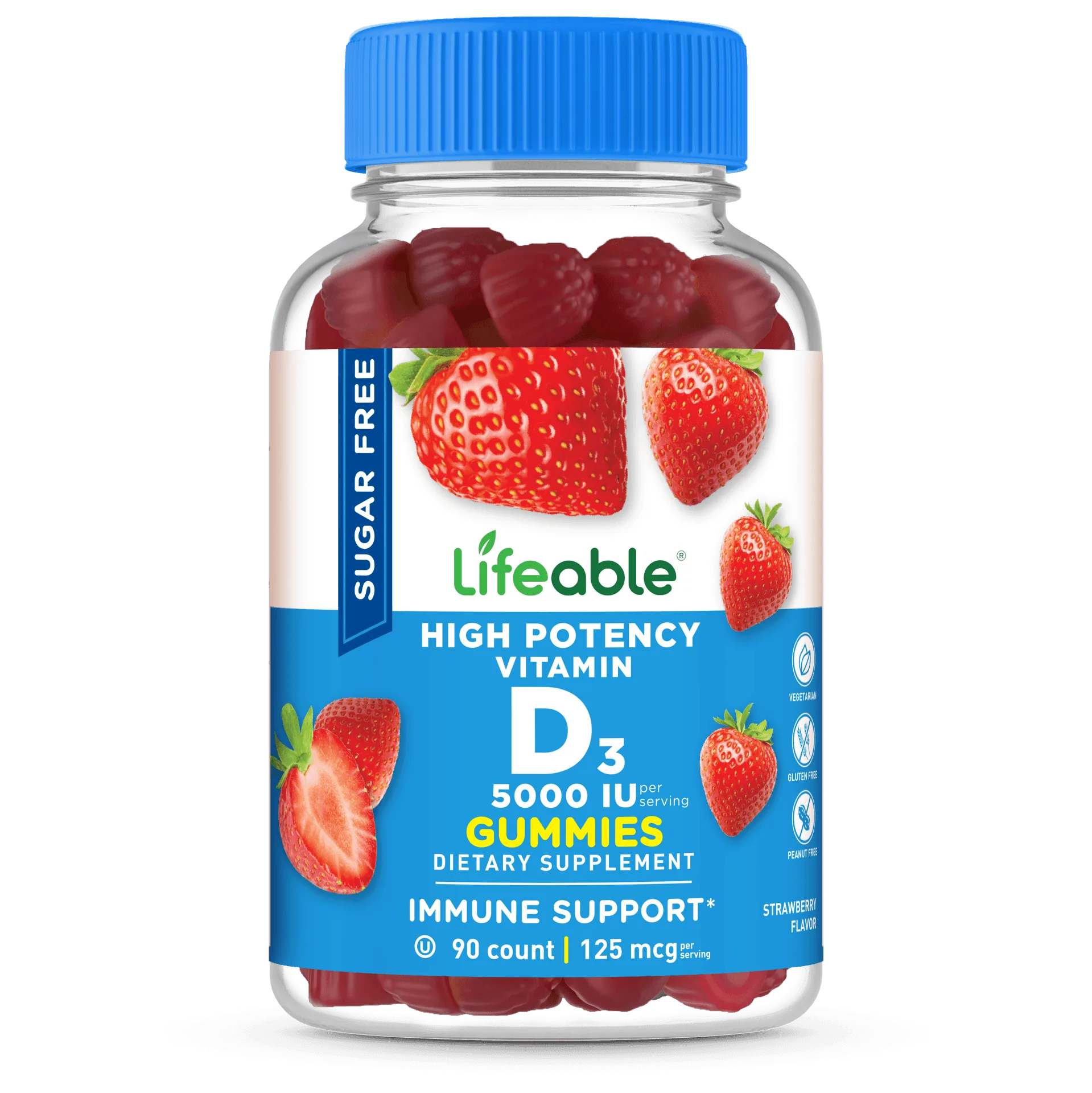
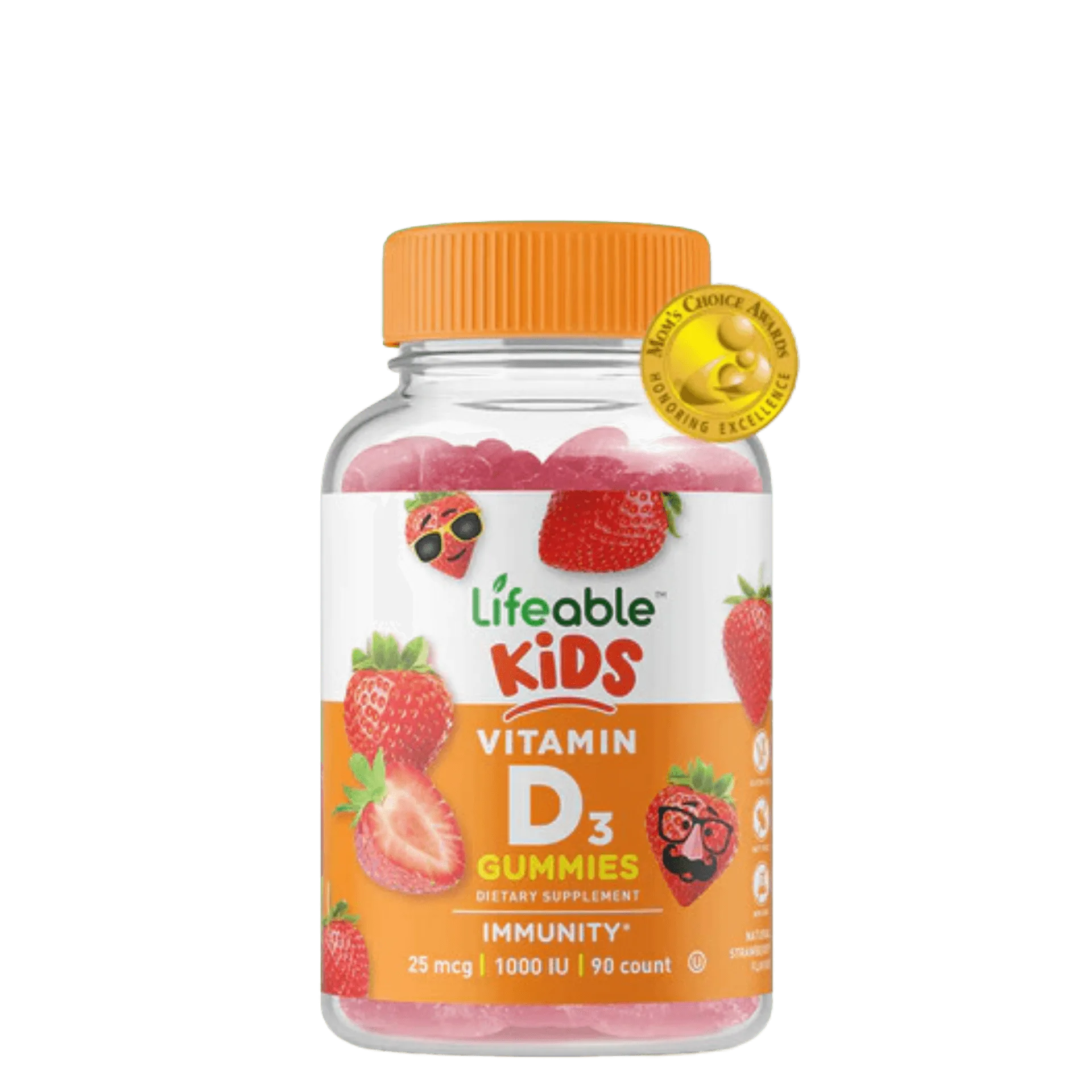
Look for key nutrients like Vitamin D, Calcium, and Iron, which are essential for growing kids. For example, https://lifeableyh.com/products/sugar-free-vitamin-d-gummies-for-kids-375739Sugar Free Vitamin D Gummies for Kids clearly list the vitamin D content per serving, making it easy to track your child's intake. Also, check the %DV to see if the product provides a significant amount of the nutrient or just a small boost.
- Check the serving size and adjust for your child's age.
- Look for essential nutrients like Vitamin D, Calcium, and Iron.
- Understand the %DV to gauge nutrient levels.
Decode the Ingredient List
Ingredients are listed in descending order by weight, so the first few items are the most abundant. In gummy vitamins, you'll often see sugar, corn syrup, or other sweeteners listed first. That's why it's important to choose options with lower sugar content or those sweetened with natural alternatives like fruit juice or stevia.
Also, watch out for artificial colors, flavors, and preservatives. Many parents prefer gummies made with natural ingredients and no high-fructose corn syrup. For instance, Probiotic Gummies for Kids are formulated with natural fruit flavors and colors, making them a cleaner choice for your family.
- Be mindful of sugar content and sweeteners.
- Avoid artificial colors, flavors, and preservatives when possible.
- Look for natural fruit extracts or vegetable juices for coloring.
Understand What 'Natural' and 'Organic' Really Mean
Labels often use buzzwords like 'natural' or 'organic' to attract buyers, but these terms have specific definitions. 'Natural' typically means no artificial ingredients, but it doesn't guarantee that the product is free from pesticides or GMOs. 'Organic' is a stricter certification that ensures ingredients are grown without synthetic pesticides or fertilizers.
As a parent, you should also look for third-party certifications like NSF or USP, which indicate that the product has been tested for quality and purity. These certifications add an extra layer of trust, especially when choosing a supplement for your child.
- Look for third-party certifications like NSF or USP.
- Understand that 'natural' doesn't always mean 'organic'.
- Check for allergen information, especially if your child has sensitivities.
Check for Allergens and Dietary Restrictions
If your child has food allergies or follows a specific diet, you'll need to read labels carefully. Common allergens in gummy vitamins include gelatin (derived from animals), dairy, soy, and gluten. Many brands now offer vegan or gluten-free options, so you don't have to compromise on nutrition.
For example, Sugar Free Vitamin D Gummies for Kids are gluten-free and suitable for most dietary needs. Always look for clear allergen statements on the label, and if in doubt, contact the manufacturer for more information.
- Check for common allergens like gelatin, dairy, soy, and gluten.
- Look for vegan or gluten-free labels if needed.
- Contact the manufacturer if allergen information is unclear.
Reading gummy vitamin labels doesn't have to be overwhelming. By focusing on the Supplement Facts panel, ingredient list, and certifications, you can confidently choose a product that supports your child's health. Remember to prioritize low sugar, natural ingredients, and essential nutrients. For a great starting point, explore Probiotic Gummies for Kids to see how a well-labeled gummy can fit into your family's routine.