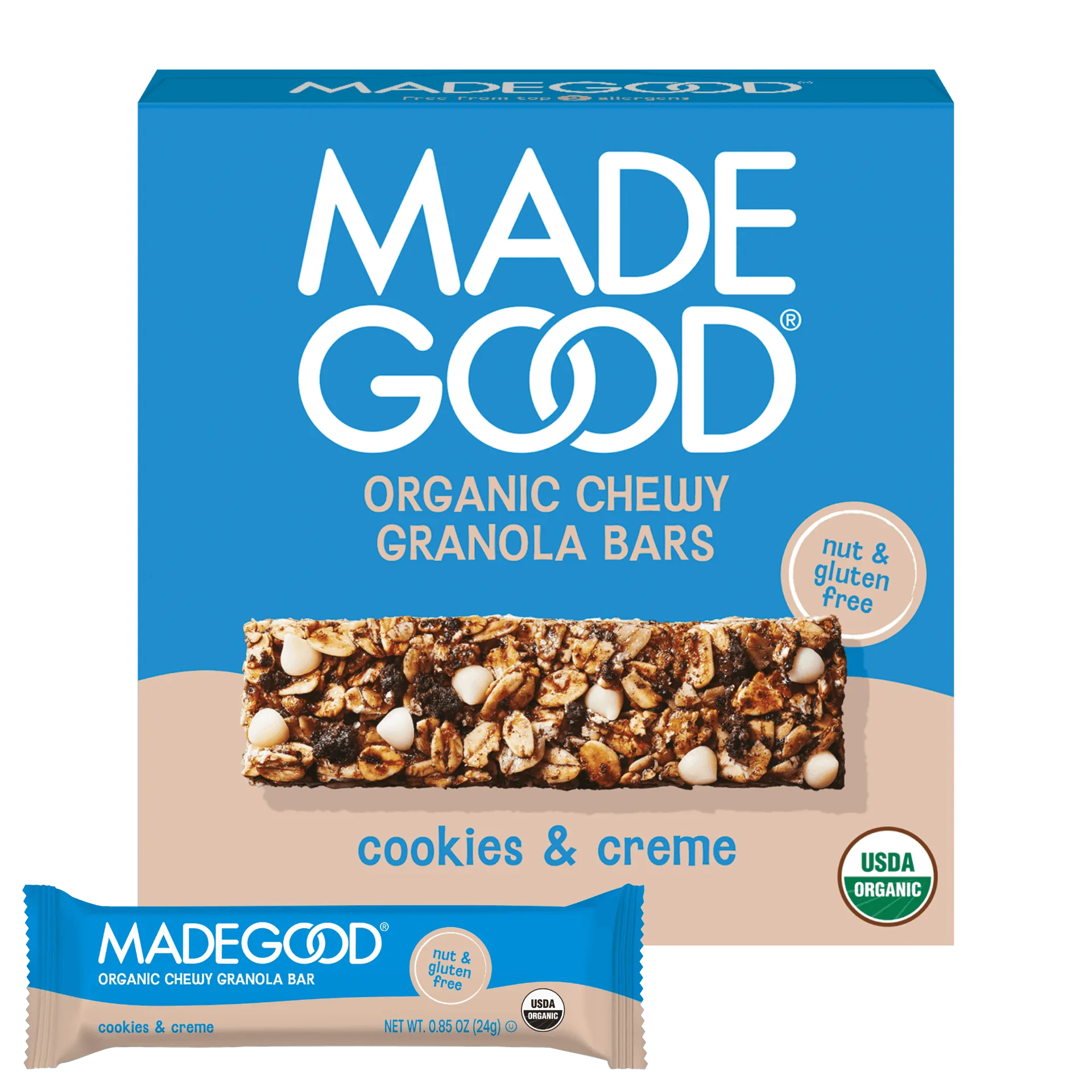
Granola bars are a convenient and tasty snack, but with so many options on the market, how do you know which one is truly healthy? The answer lies in the nutrition label. Learning to read and interpret these labels can help you make informed choices that align with your dietary goals, whether you're looking for a quick energy boost, a post-workout snack, or a lunchbox addition for your kids.
In this guide, we'll break down the key components of a nutrition label specifically for granola bars. From serving sizes to sugar content and fiber, we'll explain what to look for and what to avoid. By the end, you'll be equipped to compare products like a pro and choose the best granola bar for your needs.
Start with the Serving Size
The first thing to check on any nutrition label is the serving size. This tells you the amount of food that the nutritional information refers to. For granola bars, the serving size is often one bar, but it can sometimes be two bars or even a fraction of a bar. If you eat more than the serving size, you'll need to multiply the numbers accordingly.
For example, if a granola bar has 100 calories per serving and the serving size is one bar, eating two bars means you're consuming 200 calories. This is especially important if you're tracking your daily intake. Always check the serving size before comparing nutrition facts between different brands or flavors.
- Check the serving size first—it's the foundation of all other nutritional values.
- If you eat more than one serving, adjust the numbers to reflect your actual consumption.
Calories: How Much Energy Do You Need?
Calories provide a measure of how much energy you get from a serving of food. For a snack, granola bars typically range from 90 to 200 calories. The right amount depends on your individual energy needs, activity level, and dietary goals. If you're using granola bars as a pre-workout snack, you might want a higher-calorie option to fuel your session. For a light afternoon snack, a lower-calorie bar might be more appropriate.
Remember that not all calories are created equal. A bar with 150 calories from whole grains and nuts will keep you fuller longer than one with 150 calories mostly from added sugars. So, while calories are a useful starting point, they should be considered alongside other nutrients like fiber and protein.
Fats: Not All Fats Are Bad
Fats are an essential part of a healthy diet, but the type of fat matters. Look for granola bars that are low in saturated fats and trans fats. Saturated fats, often found in coconut oil or palm oil, should be limited. Trans fats, which are rare now but still appear in some processed foods, are best avoided entirely.
On the other hand, unsaturated fats—found in nuts, seeds, and whole grains—are beneficial for heart health. Many granola bars contain nuts like almonds or peanuts, which contribute healthy fats and protein. For example, a bar with almonds can offer a satisfying crunch and a good dose of monounsaturated fats.
- Aim for granola bars with 0g trans fat and low saturated fat.
- Look for bars that include nuts or seeds for healthy unsaturated fats.
Carbohydrates and Fiber: The Good and the Not-So-Good
Carbohydrates are your body's primary energy source, but not all carbs are equal. The total carbohydrates on a label include sugars, fiber, and complex carbs. Fiber is a type of carbohydrate that your body can't digest, and it's crucial for digestive health and satiety. A good granola bar should have at least 3 grams of fiber per serving, which helps keep you full and supports stable blood sugar levels.
When looking at the fiber content, consider the source. Whole grains like oats, quinoa, and brown rice are excellent sources of fiber. Some granola bars also include added fiber from chicory root or other sources. While these can boost the fiber count, it's better to choose bars with naturally occurring fiber from whole food ingredients. For instance, our Chocolate Chip Granola Bites are made with whole grains and provide a satisfying crunch with a good amount of fiber.
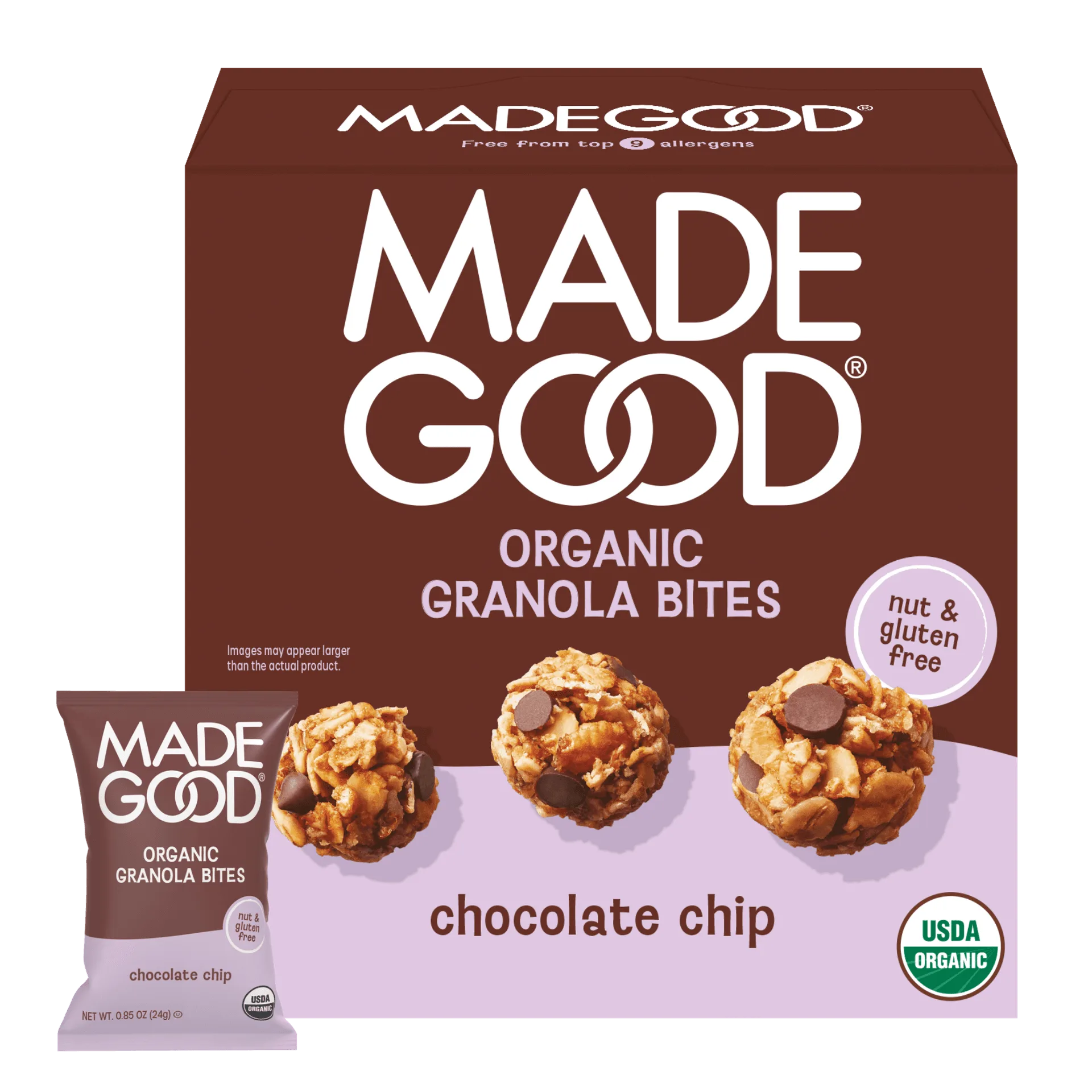
Chocolate Chip Granola Bites
- Look for at least 3g of fiber per serving in a granola bar.
- Prefer bars with fiber from whole grains over those with added fiber isolates.
Sugar: The Hidden Enemy
Sugar content is one of the most critical aspects to check on a nutrition label. Many granola bars are loaded with added sugars, which can lead to energy crashes and contribute to long-term health issues. The American Heart Association recommends limiting added sugars to no more than 25 grams per day for women and 36 grams for men. A single granola bar can contain a significant portion of that daily limit.
When reading the label, look at both 'Total Sugars' and 'Added Sugars.' Total sugars include naturally occurring sugars from ingredients like fruit, while added sugars are those incorporated during processing. Ideally, you want a bar with low added sugar—5 grams or less is a good benchmark. For example, our Mixed Berry Granola Bars are sweetened with fruit and have a moderate sugar content, making them a balanced choice for a fruity snack.
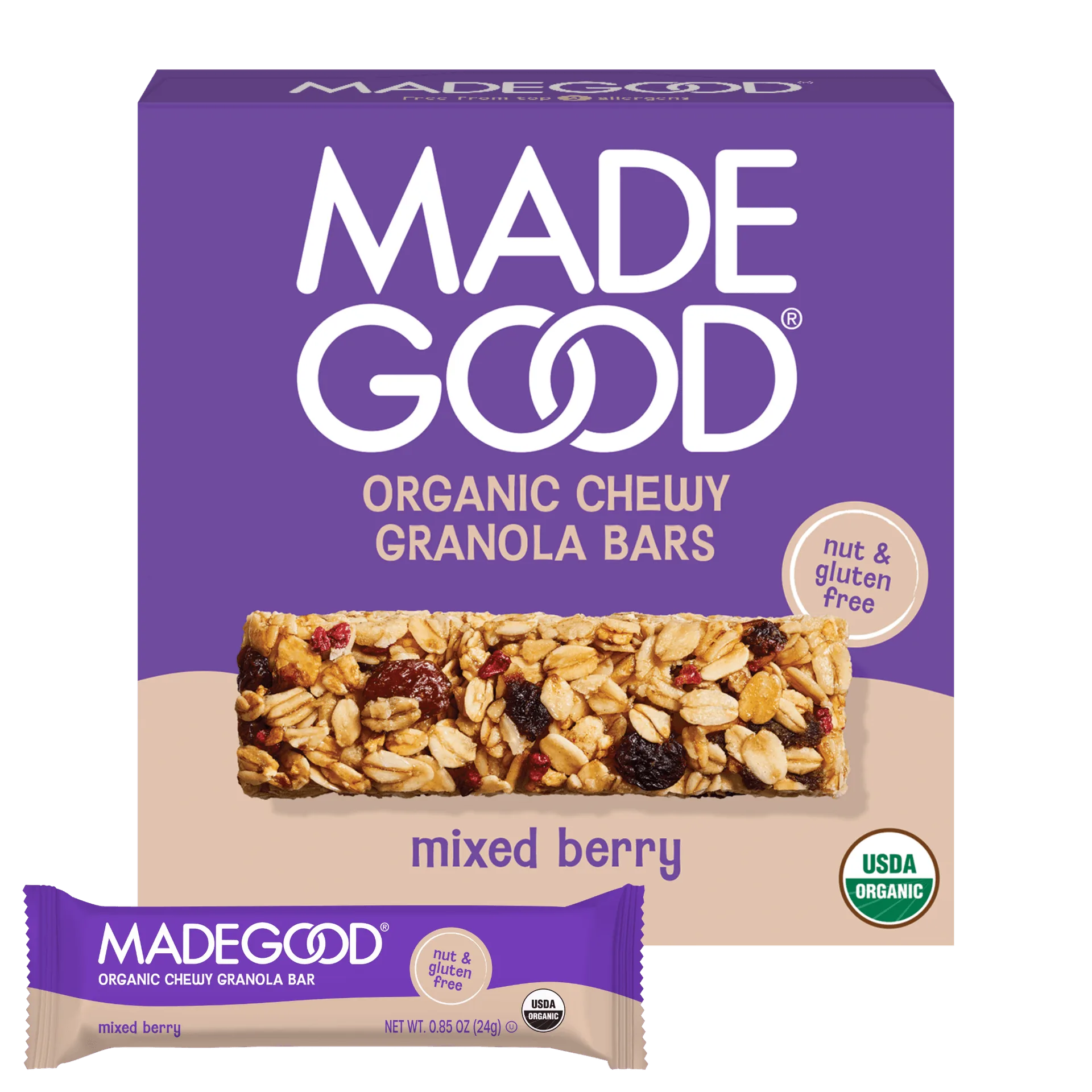
Mixed Berry Granola Bars
- Check 'Added Sugars' on the label and aim for 5g or less per serving.
- Be wary of bars that list sugar, corn syrup, or honey high on the ingredient list.
Protein: Building Blocks for Satiety
Protein is essential for repairing tissues and keeping you feeling full. While granola bars aren't typically high in protein, some contain nuts, seeds, or added protein powders. A bar with 5-10 grams of protein can be a great snack option, especially after a workout or as a mid-day pick-me-up.
However, don't be fooled by bars that are marketed as 'high protein' if they also contain excessive sugar or artificial ingredients. Balance is key. A bar like our Vanilla Drizzled Granola Bars offers a moderate amount of protein with a delicious vanilla flavor, making it a satisfying snack without overdoing the sugar.
- Look for bars with at least 5g of protein for a more filling snack.
- Combine protein with fiber for sustained energy.
Ingredients: The First Ingredient Matters Most
The ingredient list is just as important as the nutrition facts. Ingredients are listed in descending order by weight, so the first ingredient is the most abundant. Look for bars where whole grains, nuts, or fruits are listed first, rather than sugars or refined flours.
Also, be cautious of long ingredient lists with unpronounceable additives. Short, simple ingredient lists are generally a sign of a less processed product. For instance, our Chocolate Banana Granola Bars feature real banana and chocolate chips, with a straightforward list that you can feel good about.
- The first ingredient should be a whole food, not sugar or syrup.
- Avoid bars with artificial colors, flavors, or preservatives.
Vitamins and Minerals: The Bonus Nutrients
Some granola bars are fortified with vitamins and minerals, which can be a plus if you have specific nutritional needs. Common additions include calcium, iron, and B vitamins. While these aren't essential for everyone, they can help you meet your daily requirements.
However, don't rely solely on fortified bars for your nutrient intake. Whole foods like fruits, vegetables, and whole grains should be your primary sources. If you're choosing a fortified bar, make sure it doesn't come at the cost of high sugar or low fiber.
- Check for added vitamins and minerals if you have dietary gaps.
- Remember that whole foods are still the best source of nutrients.
Reading nutrition labels on granola bars doesn't have to be complicated. By focusing on serving size, fiber, sugar, and ingredients, you can make healthier choices that fit your lifestyle. Next time you're shopping, pick up a bar and give it a quick scan—your body will thank you. For a tasty and nutritious option, try our Chocolate Chip Crunchy Cookies or our Sea Salt Star Puffed Crackers for a savory twist.