When you pick up a box of herbal tea, a bag of ginseng root candy, or a bottle of capsules, the label is your window into what you're about to consume. Yet many shoppers skip the fine print, relying on familiar packaging or a quick glance at the front. Learning to read product labels—especially on herbal supplements and wellness foods—can help you choose products that match your health goals and avoid unwanted ingredients.
Prince of Peace offers a wide range of traditional herbal products, from teas and candies to ginseng roots and extracts. While each product type has its own labeling quirks, the same core principles apply: check the ingredient list, understand the serving size, look for certifications, and spot any allergens. In this guide, we'll break down exactly what to look for on a Prince of Peace label, so you can shop with confidence.
Start with the Ingredient List
The ingredient list is the most important part of any product label. It tells you exactly what's inside, listed in descending order by weight. For herbal products, you'll often see the active botanical (like American ginseng or ginger) near the top, followed by other components such as sweeteners, fillers, or preservatives.
For example, if you're looking at a bag of Prince of Peace American Ginseng Root Candy, the first ingredient should be the ginseng root itself, followed by sugar or honey. If you see a long list of unrecognizable chemical names, that's a red flag. Prince of Peace products typically keep ingredient lists short and recognizable, which is a good sign of quality.
- Look for the active herbal ingredient first—it should be one of the top items.
- Be cautious of added sugars or artificial sweeteners if you're watching your intake.
- If you have allergies, scan for common allergens like soy, wheat, or dairy.
Understand Serving Size and Dosage
Serving size tells you how much of the product is considered one portion, and for supplements, it often includes the amount of active ingredient per serving. This is crucial for getting the right dose. For teas, a serving might be one tea bag; for candies, it might be two pieces; for capsules, it could be two capsules.
Pay attention to the 'Supplement Facts' panel if the product is a dietary supplement. It lists the serving size, servings per container, and the amount of each ingredient. For example, a capsule product might state 'American ginseng root powder 500 mg' per serving. Knowing this helps you compare products and adjust intake based on your needs.
- Always check the serving size before you consume—more isn't always better.
- For teas, note if the label suggests steeping time and water temperature.
- Compare the active ingredient amount per serving across similar products.
Look for Certifications and Quality Seals
Certifications on a label can give you extra confidence in the product's quality. Look for organic seals, non-GMO labels, or kosher certification. For example, Prince of Peace Organic White Tea carries an organic certification, which means the tea leaves were grown without synthetic pesticides or fertilizers.
While not every product will have certifications, their presence is a positive sign. Also, check for a 'Manufactured in' statement or a company address—this adds transparency. For ginseng products, look for the species and origin, such as 'Wisconsin American ginseng' on the label, which indicates a specific, high-quality source.
- Organic and non-GMO seals indicate stricter farming standards.
- Look for the botanical name (e.g., Panax quinquefolius) to know exactly what you're getting.
- Country of origin can matter for herbs like ginseng—Wisconsin-grown is often prized.
Spot Hidden Additives and Allergens
Even in herbal products, you might find additives like preservatives, artificial colors, or flavorings. These are listed in the ingredient list, so you can avoid them if you prefer clean labels. Prince of Peace products, such as their honey loquat candies, often use simple ingredients like honey and loquat extract, but it's always wise to double-check.
Allergen warnings are usually placed near the ingredient list or at the bottom of the label. Common allergens include tree nuts, peanuts, soy, and gluten. If you have sensitivities, look for 'Contains' statements or 'May contain' warnings. For instance, a candy made in a facility that processes nuts might carry a cross-contamination warning.
- Watch for 'natural flavors'—these can sometimes hide additives.
- If you're gluten-free, verify that the product is labeled gluten-free or check for wheat ingredients.
- Reach out to the manufacturer if you have questions about allergen cross-contamination.
Check Expiration Dates and Storage Instructions
Expiration dates are more than just a suggestion—they indicate when the product is expected to retain its potency and freshness. For herbal products, using them past the date may result in reduced effectiveness. Always check the 'Best By' or 'Expires' date on the label before purchasing.
Some products also include storage instructions. For example, ginseng roots should be kept in a cool, dry place to prevent mold, while teas should be stored away from moisture and strong odors. Following these guidelines ensures you get the most out of your purchase.
- Always check the expiration date—don't assume it's far in the future.
- Note any special storage conditions like 'refrigerate after opening'.
- If a product looks discolored or has an off smell, discard it even if the date is still good.
Reading product labels doesn't have to be overwhelming. By focusing on the ingredient list, serving size, certifications, additives, and expiration dates, you can make informed choices that align with your health goals. Next time you shop for herbal wellness products, take a moment to flip the package over—you'll be glad you did. For a delicious way to start, try the Prince of Peace Honey Loquat Candy, 76g—just check the label to see its simple, wholesome ingredients.
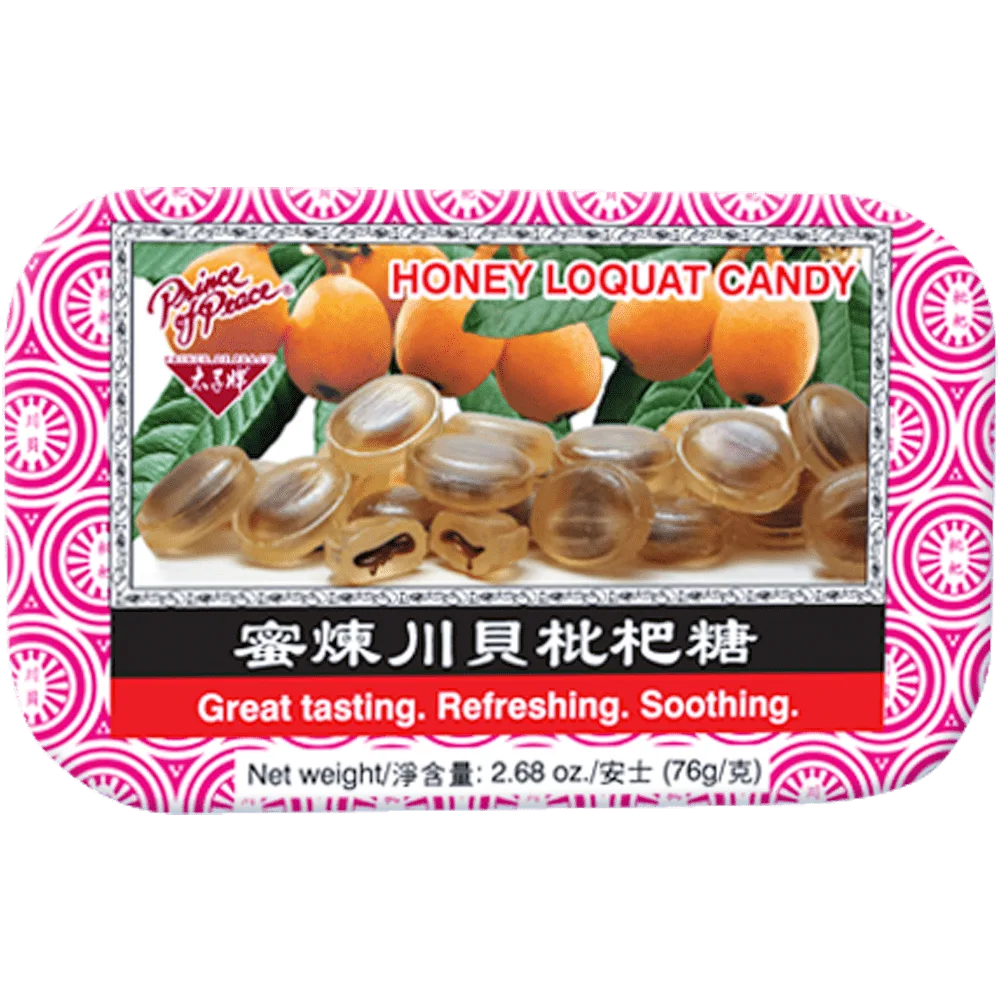
Prince of Peace Honey Loquat Candy, 76g