Walking down the beverage aisle can feel overwhelming. With dozens of colorful cans and bottles competing for your attention, how do you know which soda is actually a good choice? The answer lies in reading the label. Understanding soda labels isn't just about counting calories—it's about knowing what goes into your body and making informed decisions that align with your health goals.
Many people grab a soda based on flavor or brand loyalty, but the ingredient list and nutrition facts panel hold the real story. In this guide, we'll break down every section of a soda label, from serving sizes and added sugars to mysterious additives. By the end, you'll be equipped to spot the difference between a sugary treat and a smarter sip.
Decoding the Nutrition Facts Panel
The nutrition facts panel is your first stop. Start by checking the serving size—some bottles contain two or more servings, meaning the calories and sugar listed are only for one serving. If you drink the whole bottle, you're consuming double or triple the numbers shown. For example, a 12-ounce can of Strawberry Lemon might list 25 grams of sugar per serving, but if the bottle is 20 ounces, you're actually getting closer to 40 grams.
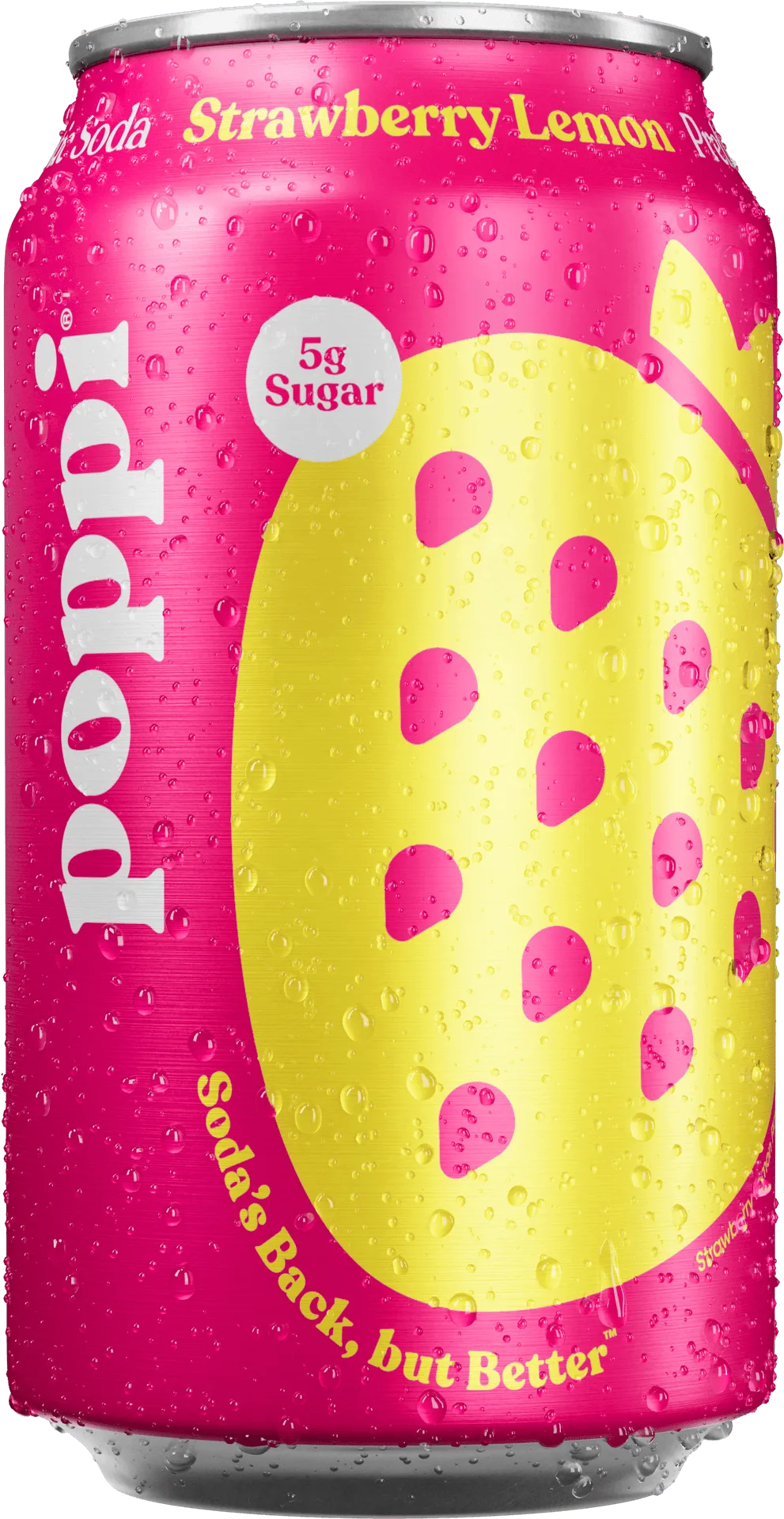
Strawberry Lemon
Next, look at total carbohydrates and added sugars. The American Heart Association recommends no more than 36 grams of added sugar per day for men and 25 grams for women. Many mainstream sodas exceed that in a single can. Pay attention to the % Daily Value column—anything above 20% for added sugar is considered high. For a cleaner option, consider a low-sugar choice like Alpine Blast, which uses natural sweeteners and contains fewer grams of added sugar.
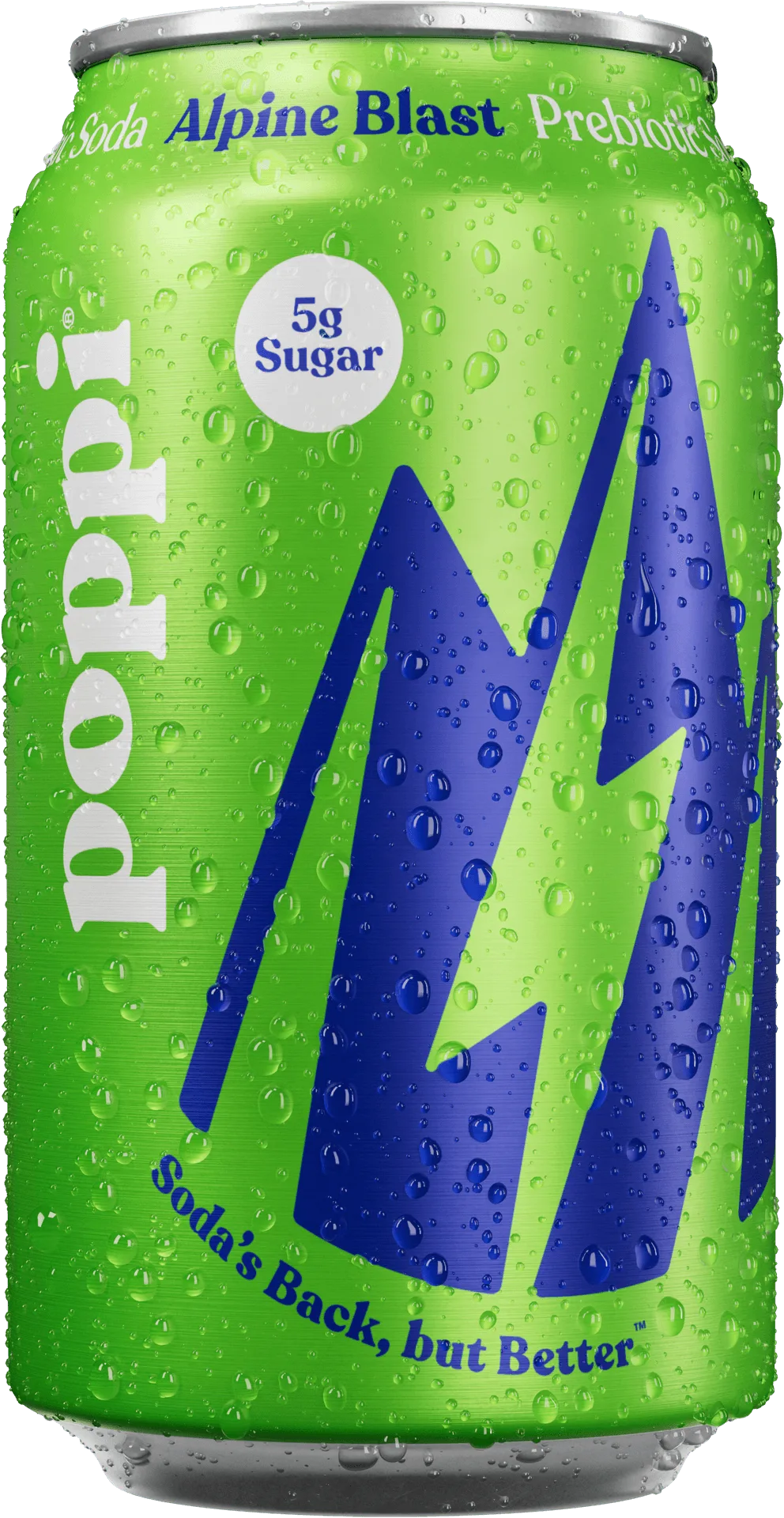
Alpine Blast
- Always check the serving size first—it changes everything.
- Compare added sugar grams to your daily limit (25-36g).
- Look for drinks with less than 10% DV of added sugar per serving.
Understanding the Ingredient List
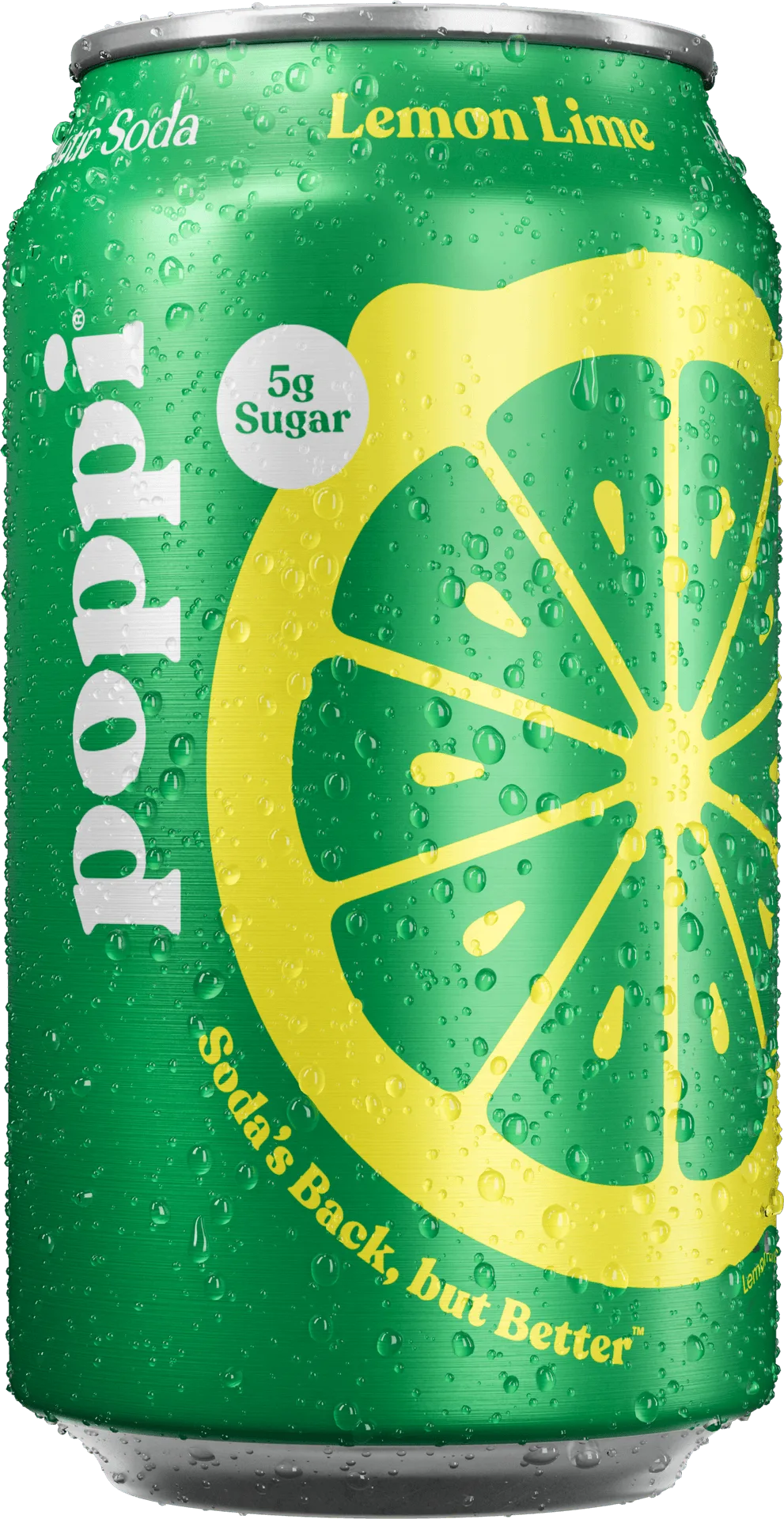
Ingredients are listed in descending order by weight, so the first few items make up the bulk of the drink. If sugar or high-fructose corn syrup appears near the top, that's a red flag. Natural sodas often list real fruit juice, cane sugar, or natural flavors instead. For instance, Lemon Lime contains real lime juice and organic cane sugar, giving it a cleaner profile than artificial alternatives.
Watch out for hidden names for sugar: dextrose, maltose, sucrose, agave nectar, and fruit juice concentrate all count as added sugars. Also, be wary of artificial sweeteners like aspartame or sucralose, which some studies link to digestive issues. Preservatives such as sodium benzoate or potassium sorbate extend shelf life but may cause reactions in sensitive individuals. The shorter and more recognizable the ingredient list, the better.
- Ingredients are listed by weight—first is most abundant.
- Look for real fruit juice or natural flavors instead of artificial ones.
- Avoid long chemical names you can't pronounce.
Spotting Healthier Soda Options
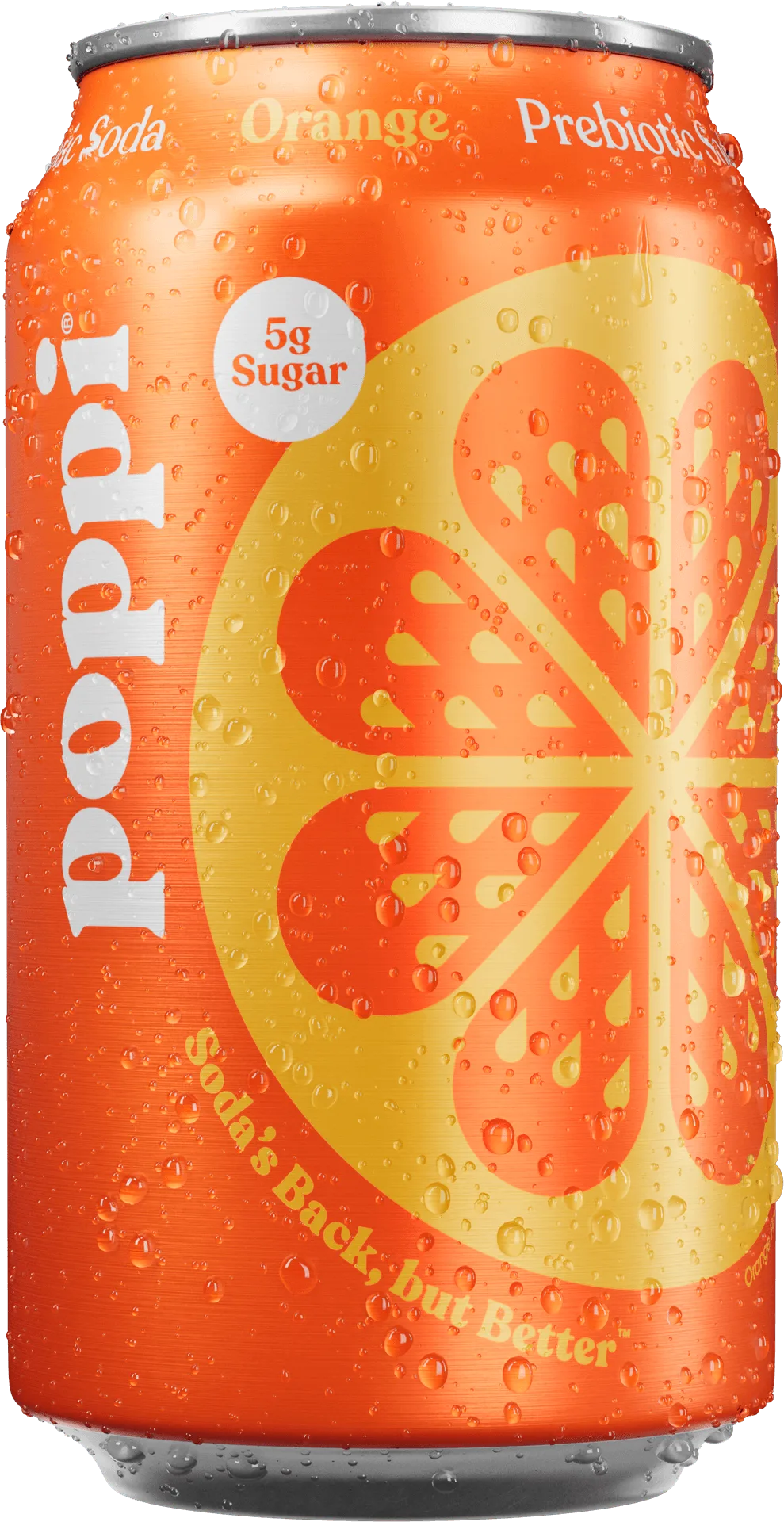
Not all sodas are created equal. Some brands now offer functional beverages with added vitamins, prebiotics, or natural caffeine. When scanning labels, look for drinks that use real ingredients and have lower sugar content. A good benchmark is under 10 grams of sugar per serving and no artificial dyes. For example, Orange is made with real orange juice and contains no high-fructose corn syrup, making it a refreshing choice without the guilt.
Also consider the presence of beneficial additives like apple cider vinegar or green tea extract, which can aid digestion or provide antioxidants. But be cautious—terms like 'natural flavors' can still hide synthetic compounds. Your best bet is to choose sodas with transparent labeling and third-party certifications. Brands that list every ingredient clearly and avoid vague terms are more likely to prioritize your health.
- Aim for sodas with less than 10g sugar per serving.
- Look for functional ingredients like prebiotics or real fruit juice.
- Avoid artificial colors (Red 40, Yellow 5) and preservatives.
Common Labeling Tricks to Watch Out For
Food and beverage companies use clever marketing to make products seem healthier. Phrases like 'all natural,' 'no artificial flavors,' or 'lightly sweetened' are not strictly regulated. A soda labeled 'natural' can still contain processed sugar and natural flavors derived from chemical processes. Always verify claims by reading the actual ingredient list and nutrition facts.
Another trick is 'serving size manipulation.' Some brands use unrealistically small serving sizes (like 8 ounces) to make sugar and calorie numbers appear lower. If you typically drink a full can or bottle, multiply the numbers accordingly. Also, watch for 'evaporated cane juice'—it's just a fancy name for sugar. Being label-savvy means questioning every claim and trusting only the hard data on the package.
- 'Natural' doesn't mean healthy—check the sugar content.
- Multiply nutrition numbers if you drink more than one serving.
- Ignore front-of-package buzzwords; read the back label.
Making the Switch: From Sugary Sodas to Better Choices
Transitioning to healthier sodas doesn't have to be boring. Start by comparing labels of your favorite brands with cleaner alternatives. You'll often find that craft sodas use real fruit, less sugar, and no artificial ingredients. For example, Cream Soda offers a rich, creamy flavor without high-fructose corn syrup, making it a satisfying swap for traditional cream sodas.
Gradually reduce your intake by mixing soda with sparkling water or choosing smaller cans. Once you train your palate to appreciate natural sweetness, you'll find overly sugary drinks cloying. Many people report feeling more energetic and less bloated after switching to cleaner sodas. Remember, the goal isn't perfection—it's progress. Every better choice you make adds up over time.
- Start by swapping one sugary soda per day for a cleaner option.
- Mix soda with sparkling water to dilute sweetness gradually.
- Notice how your body feels after drinking natural vs. artificial sodas.
Reading soda labels is a simple skill that can transform your beverage choices. By understanding serving sizes, spotting hidden sugars, and favoring real ingredients, you can enjoy fizzy drinks without compromising your health. Ready to try a cleaner soda? Explore Orange today and taste the difference natural ingredients make.