Quick Answer
To read a sparkling water nutrition label like a pro, start by checking the ingredient list for real, recognizable components and look for zero added sugars and artificial sweeteners. Then, scan the nutrition facts for calorie and sodium content, and verify that flavors come from real fruit extracts rather than 'natural flavors' with undisclosed sources.
Walk into any store and you'll see shelves lined with colorful cans of sparkling water. But not all are created equal. Some hide added sugars, artificial sweeteners, or vague 'natural flavors' that aren't so natural. Learning to read a sparkling water nutrition label helps you make choices that match your health goals—whether you're cutting sugar, watching sodium, or simply avoiding mystery ingredients.
This guide breaks down the label step by step. You'll learn what to look for, what to avoid, and how to spot a clean sparkling water that uses real fruit extracts. By the end, you'll feel confident picking a can that's both refreshing and genuinely good for you.
Start with the Ingredient List
The ingredient list is your first clue. Ingredients appear in descending order by weight, so the first few items make up the bulk of the drink. In a clean sparkling water, you'll typically see carbonated water followed by natural flavors or fruit extracts, and possibly citric acid for tartness. If you spot high-fructose corn syrup, sucralose, or a long list of artificial-sounding names, it's a sign the product isn't as clean as it claims.
A common mistake is assuming 'natural flavors' always means healthy. In reality, 'natural flavors' can include many chemical compounds, and manufacturers aren't required to disclose them. For a more transparent choice, look for specific fruit extracts, like hibiscus or passionfruit, which are listed on the label. Aura Bora, for example, uses real fruit extracts in flavors like Hibiscus Passionfruit, so you know exactly what you're tasting.
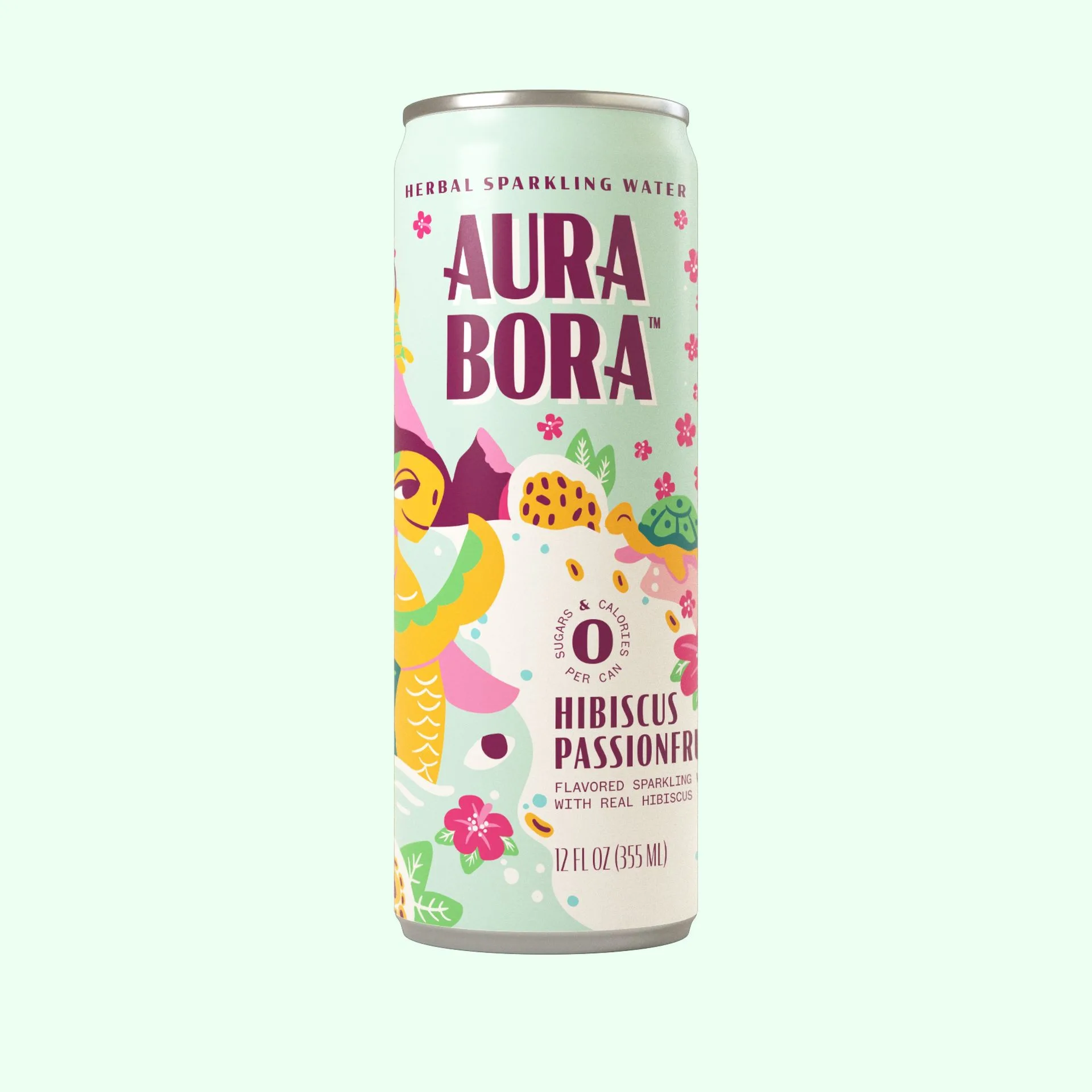
Hibiscus Passionfruit
- Check the first three ingredients—they matter most.
- Avoid artificial sweeteners like aspartame or sucralose.
- Look for specific fruit extracts rather than vague 'natural flavors'.
Scan for Added Sugars and Sweeteners
Flip to the Nutrition Facts panel and look at 'Total Sugars' and 'Added Sugars.' The FDA now requires added sugars to be listed separately. A clean sparkling water should have 0 grams of added sugar. Some brands use sugar alcohols or artificial sweeteners to add sweetness without calories, but these can cause digestive issues or aftertastes. If you see erythritol, stevia, or monk fruit, they're not necessarily harmful, but they're not 'no sweetener' either.
A common mistake is assuming 'zero sugar' means 'no sweetener.' Many zero-sugar drinks contain artificial sweeteners. For a truly clean option, choose sparkling water that has no sweeteners at all—just water, carbonation, and natural flavor. Aura Bora's Lime Cardamom, for instance, is a great example of a flavor that gets its character from real lime and cardamom, not added sweeteners.
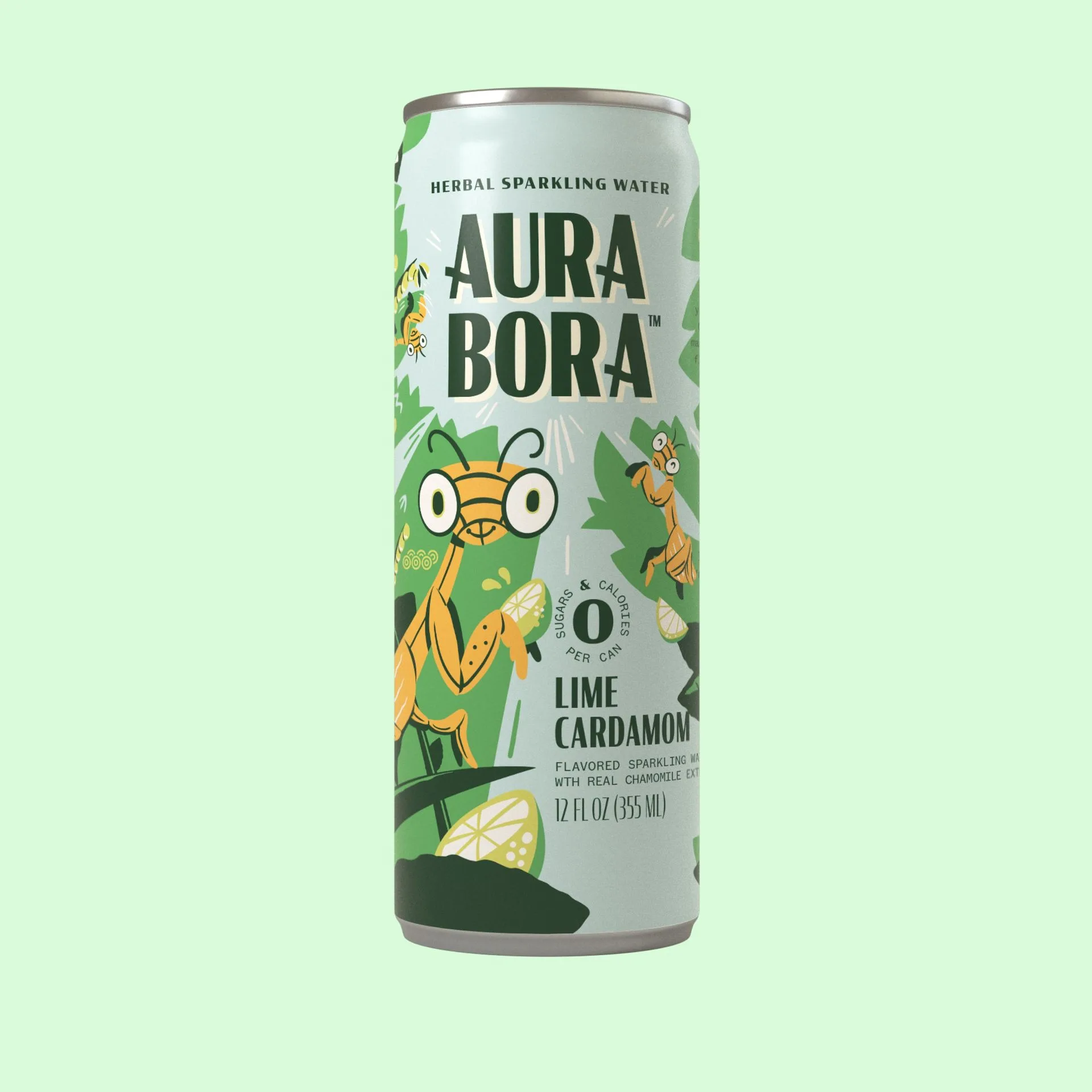
Lime Cardamom
- Aim for 0g added sugars and no artificial sweeteners.
- Be wary of sugar alcohols like xylitol or erythritol.
- Real fruit extracts can provide flavor without sugar.
Check Calories and Sodium
Calories in sparkling water should be minimal—typically 0 to 10 per serving. If a can has more than 10 calories, it likely contains added sugar or fruit juice. Sodium is another consideration. Most sparkling waters are low in sodium, but some flavored versions add sodium for taste. The American Heart Association recommends limiting sodium, so check the label and aim for less than 50 mg per serving if you're watching your intake.
A common mistake is ignoring sodium because you think sparkling water is just water. Some brands add sodium bicarbonate or sodium citrate to adjust pH or enhance flavor. If you're on a low-sodium diet, this matters. Always check the sodium line on the label.
- Choose sparkling water with 0-10 calories per serving.
- Keep sodium under 50 mg per serving if possible.
- Be mindful that added minerals can increase sodium.
Understand Flavor Sources: Real Fruit vs. Natural Flavors
Flavor can come from real fruit extracts, essential oils, or 'natural flavors.' Real fruit extracts are made by concentrating the actual fruit, so you get authentic taste and potentially some beneficial compounds. 'Natural flavors' are more ambiguous—they can be made in a lab and still be called natural. For a cleaner product, look for labels that mention specific fruits or botanicals.
Aura Bora's Grapefruit Elderflower is a perfect example: it's made with real grapefruit and elderflower, giving it a bright, aromatic taste that artificial flavors can't replicate. When you see 'natural flavors' on a label, consider it a yellow flag and look for more specific information on the front of the can or the brand's website.
- Look for labels that list specific fruit extracts.
- Avoid products with 'natural flavors' but no specifics.
- Real fruit extracts often provide a more complex, authentic taste.
5 Steps to Master Sparkling Water Labels
- Read the ingredient list first: Look for carbonated water and real fruit extracts. If you see artificial colors, sweeteners, or a long list of unrecognizable names, put it back. Checkpoint: The ingredient list should be short and understandable.
- Check for added sugars: Look at the 'Added Sugars' line. It should read 0g. Be mindful that 'no added sugar' doesn't mean no sweetener—check for artificial sweeteners too. Checkpoint: Aim for 0g added sugars and no artificial sweeteners.
- Examine calorie and sodium content: Calories should be minimal (0-10 per can). Sodium should be under 50mg per serving unless you have specific dietary needs. Checkpoint: Low numbers are your friend.
- Evaluate flavor sources: Look for specific fruit extracts or botanicals. If the label says 'natural flavors' without specifics, consider it a red flag and research the brand. Checkpoint: Real fruit extracts mean more transparency.
- Look for certifications or clean claims: Some brands highlight 'no artificial anything' or 'vegan' on the can. While not a guarantee, these claims often indicate a cleaner product. Always verify with the ingredient list. Checkpoint: Trust but verify.
How Aura Bora Sparkling Waters Align with Clean Labels
- Hibiscus Passionfruit: May the tropical hibiscus flowers and sweet-then-tart passionfruit explode over your tastebuds and transport you to a faraway beach. The tangy aftertaste will leave your mouth watering. This flavor gets its taste from real hibiscus and passionfruit, not artificial flavors, so you can enjoy a tropical sip without mystery ingredients.
- Grapefruit Elderflower: We spent months sourcing the richest grapefruit to pair with sweet and aromatic elderflower. A match made in sparkling water heaven. When a brand invests in real grapefruit and elderflower, you can trust that the flavor comes from clean, recognizable ingredients.
Reading a sparkling water nutrition label doesn't have to be complicated. By focusing on the ingredient list, checking for added sugars and sweeteners, and understanding flavor sources, you can confidently choose a drink that's both refreshing and clean. Next time you reach for a can, apply these steps—and enjoy the fizz with peace of mind.