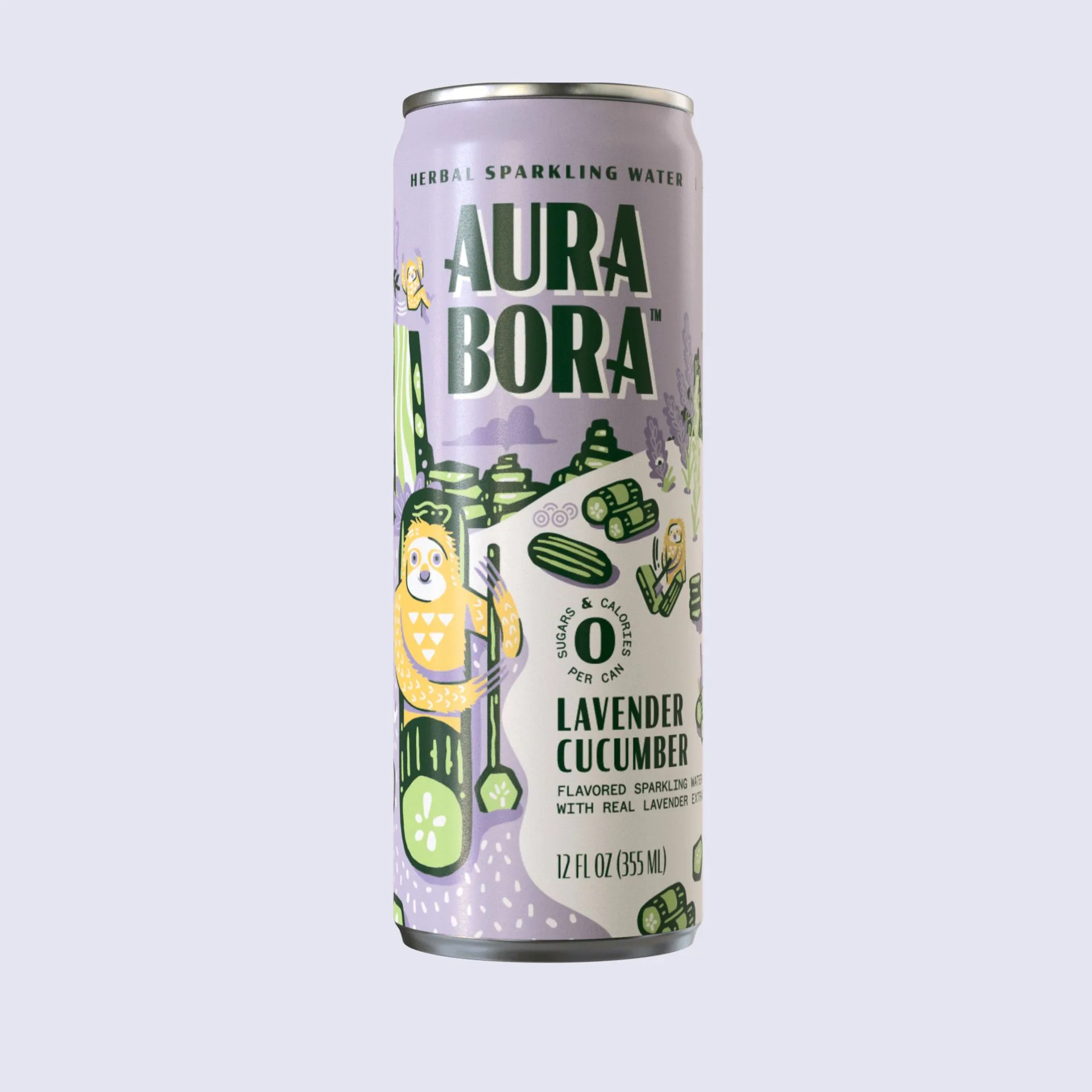
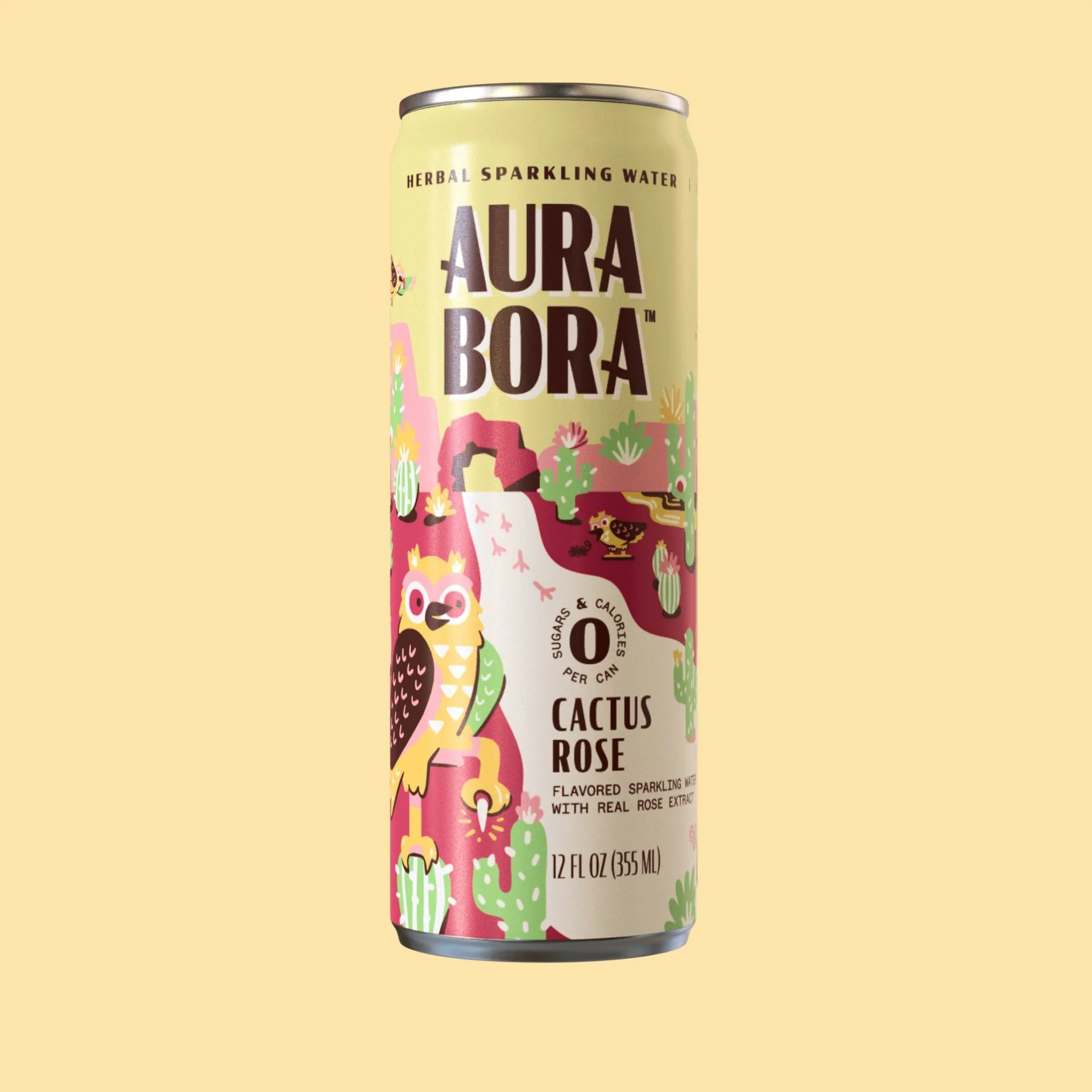
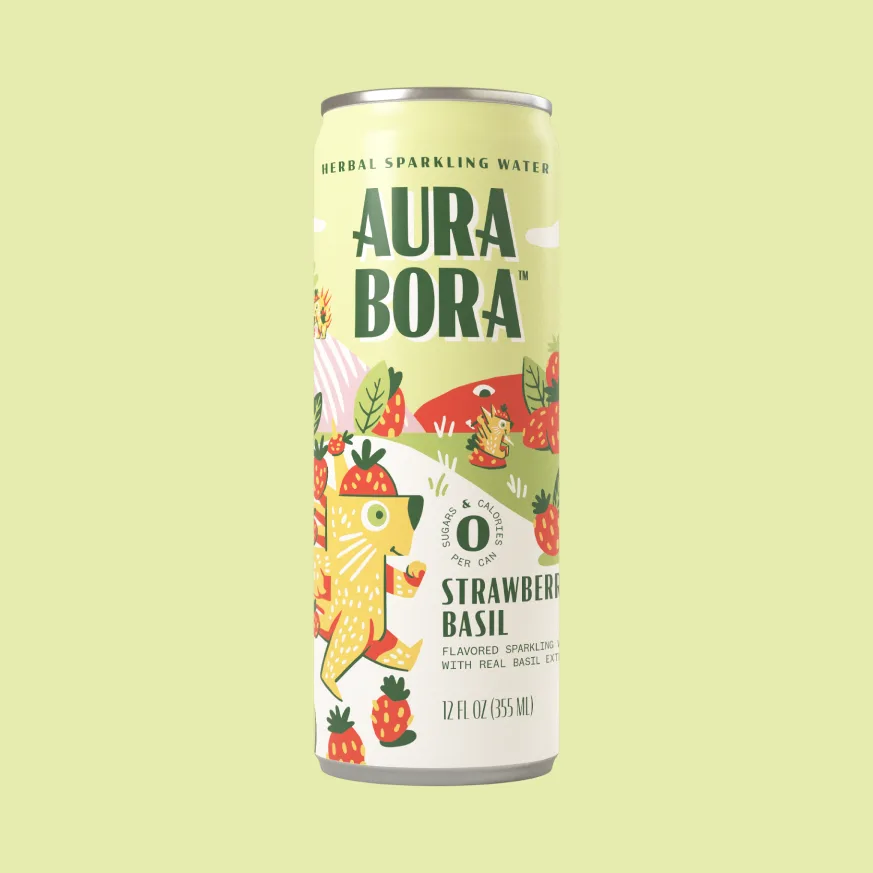
With the rise of flavored sparkling water, the beverage aisle has never been more exciting. But between sleek cans and bold flavor names, it's easy to overlook the fine print on the back. Understanding how to read nutrition labels on sparkling water is key to making healthy drinking choices that align with your wellness goals.
Whether you're trying to cut back on sugar, avoid artificial ingredients, or simply find a drink that tastes great without hidden additives, knowing what to look for on a label empowers you. This guide will walk you through every section of a sparkling water nutrition facts panel and ingredients list, so you can sip with confidence.
Start with Serving Size and Calories
The first thing to check on any nutrition label is the serving size. For most sparkling water brands, a single can is typically one serving, but some larger bottles may list multiple servings per container. If you drink the whole bottle, you'll need to multiply the numbers accordingly.
Calories are the next big clue. True sparkling water—made from carbonated water and natural flavors—should contain zero calories. However, some brands add sugar, fruit juice concentrates, or other caloric sweeteners. A low-calorie or zero-calorie claim is a good sign, but always verify by scanning the calories per serving.
- Look for 0 calories if you want a truly guilt-free drink.
- If calories are present, check the source—added sugars or fruit juice?
Check Total Sugars and Added Sugars
One of the most important sections for health-conscious consumers is sugars. The label breaks this down into "Total Sugars" and "Added Sugars." Total sugars include naturally occurring ones (like from fruit juice) plus any added during processing. The American Heart Association recommends limiting added sugars to no more than 25-36 grams per day.
For sparkling water, you ideally want 0 grams of total sugar and 0 grams of added sugar. Some brands use fruit juice for flavor, which can add a few grams of natural sugar but still counts toward total sugars. If you see "Organic Cane Sugar" or "Fruit Juice Concentrate" in the ingredients, that's added sugar by another name.
- Aim for 0g added sugar in your sparkling water.
- Watch for hidden sugar terms: dextrose, maltodextrin, agave, honey.
Decode the Ingredients List
Ingredients are listed in descending order by weight. The first ingredient should always be carbonated water. After that, you might see natural flavors, citric acid (for tartness), or electrolytes. A short, recognizable list is a hallmark of a clean product.
Brands like Aura Bora keep it simple. For example, their Grapefruit Elderflower sparkling water contains only carbonated water, natural flavors, and a touch of fruit extract. Similarly, Hibiscus Passionfruit relies on real botanicals for its vibrant taste, not artificial additives. When you see ingredients you can actually pronounce, you're on the right track.
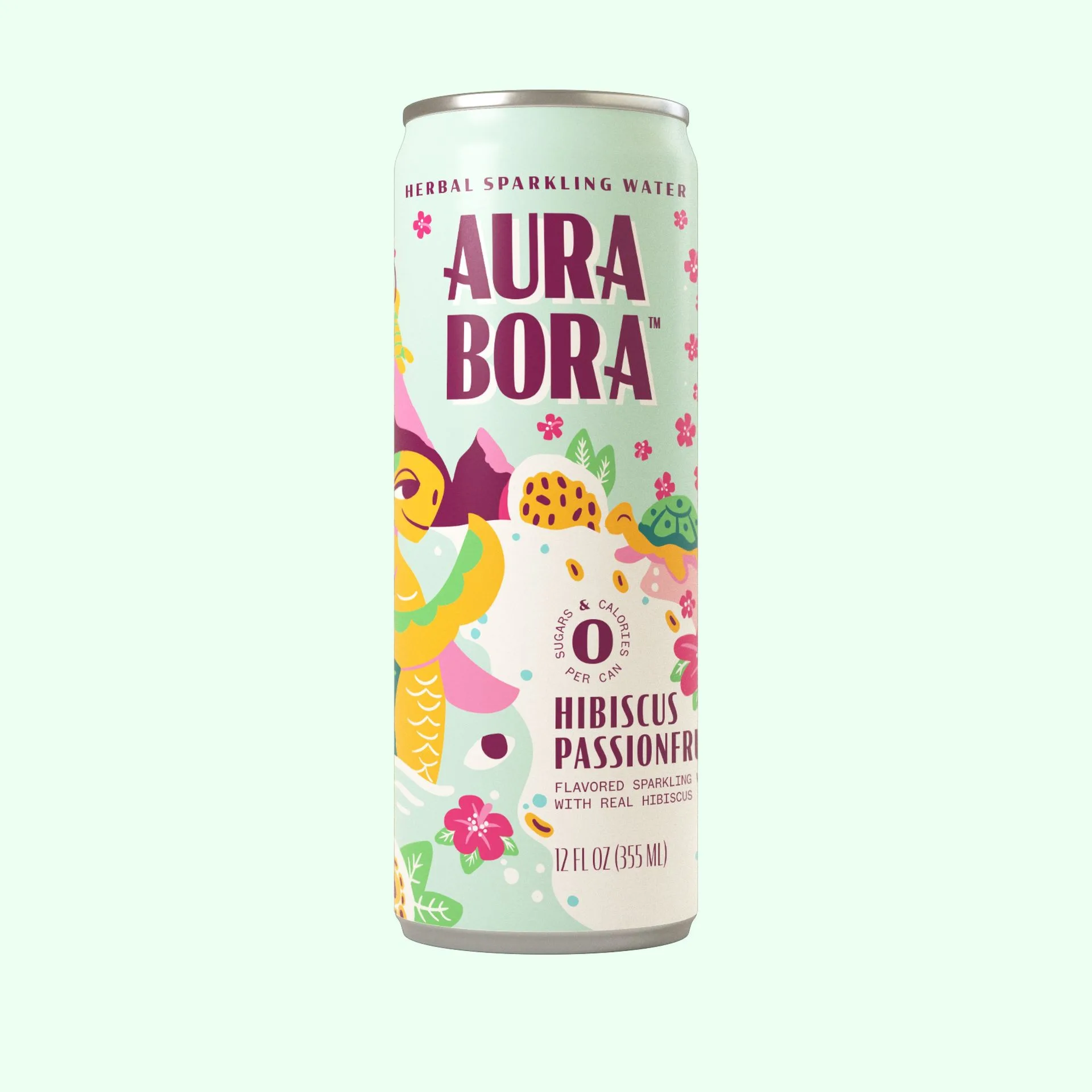
Hibiscus Passionfruit
- Avoid artificial sweeteners: aspartame, sucralose, acesulfame potassium.
- Look for natural flavors and real fruit or botanical extracts.
Watch for Artificial Sweeteners and Sugar Alcohols
Some sparkling waters marketed as "zero sugar" still contain artificial sweeteners or sugar alcohols to provide sweetness without calories. Common ones include stevia, erythritol, monk fruit, and sucralose. While some people tolerate these well, others experience digestive discomfort or an aftertaste.
If you prefer a completely unsweetened experience, stick with sparkling waters that list only carbonated water and natural flavors. Many premium brands, including Aura Bora's Lime Cardamom and Strawberry Basil, use no sweeteners at all—just pure flavor from herbs and fruits. That's the cleanest option for daily hydration.
- Stevia and monk fruit are natural, but can have a distinct taste.
- Sugar alcohols like erythritol may cause bloating in sensitive individuals.
Look for Electrolytes and Minerals
Some sparkling waters are fortified with electrolytes like sodium, potassium, and magnesium for added hydration benefits. This can be useful after exercise or on hot days. However, most people get enough electrolytes from food, so this is more of a bonus than a necessity.
Check the sodium content if you're watching your salt intake. A typical electrolyte-enhanced sparkling water might contain 10-50 mg of sodium per serving. For comparison, a plain sparkling water usually has 0 mg. If you want a mineral boost without extra sodium, look for naturally mineral-rich spring water bases.
- Electrolytes are helpful for active individuals, but not required for everyday hydration.
- Keep sodium under 50mg per serving if you're on a low-sodium diet.
Understand Claims Like "Natural" and "Organic"
Labels often boast terms like "all-natural," "organic," or "non-GMO." While these can indicate higher quality, they aren't always regulated strictly. For example, "natural flavors" can be derived from natural sources but still processed. USDA Organic certification is more rigorous and ensures no synthetic pesticides or GMOs.
When choosing sparkling water, don't rely solely on front-of-package buzzwords. Flip the can over and read the ingredients yourself. A brand that is transparent about its sourcing—like Aura Bora, which uses real fruit and botanical extracts—will have a clean, short ingredients list you can trust.
- Look for third-party certifications: USDA Organic, Non-GMO Project Verified.
- Be skeptical of vague terms like "made with real fruit"—check the actual fruit content.
Reading nutrition labels doesn't have to be confusing. By focusing on calories, sugars, ingredients, and sweeteners, you can quickly identify sparkling waters that fit your healthy lifestyle. Next time you're shopping, grab a can of Lavender Cucumber or Blueberry Wildflower and see how simple and delicious clean hydration can be. Explore Aura Bora's full collection and taste the difference that real, transparent ingredients make.