Quick Answer
To read a squishie size chart, match the product's listed dimensions to how you'll actually use it: small for pocket fidgets, medium for desk or hand-held squeezing, and large for packing or display. Always measure your intended use area (hand, pocket, or packing spot) first, then compare against the chart's smallest and largest dimensions. If a chart omits a measurement you need, treat that as a decision limit and choose a product that lists it.
Why Squishie Size Charts Matter More Than You Think
Squishies are soft and compressible, so their listed size can feel very different in hand. A small squishie may stretch to fit a palm, while a large one can feel bulky for pocket carry. Size charts usually give dimensions for the item at rest, not stretched or squeezed. That means the same 'medium' can behave differently across shapes: a round frog squishie and a long sheath squishie of similar length will have different bulk and weight distribution. Always read the chart with your intended use in mind, not just the label.
How to Measure for a Squishie
Start by measuring the space where the squishie will live or be used. For a hand fidget, measure your palm width and the distance from wrist to fingertips. For a pocket or pouch, measure the internal dimensions. For packing, measure the area where you want the packer to sit and note any pressure points. Then compare your measurements to the chart's length, width, and height. If the chart lists only one dimension, ask yourself whether the missing ones are critical for your use. When they are, choose a product that lists them or contact the maker.
Squishie Sizing for Beginners: Start with Use, Not Size
New buyers often pick a size based on photos, but photos can make small items look larger. Instead, decide how you'll use it first. If you want a quiet fidget for meetings, a small, soft squishie that fits in one hand works well. If you want a desk companion or a display piece, medium or large gives more presence. For packing, firmness matters as much as size: an extra-soft squishie may feel more comfortable against the body, while a firmer one holds its shape. The chart tells you the footprint; your use tells you whether that footprint works.
Reading Charts When Measurements Are Missing
Some squishies list only size names like Small, Medium, or Large without dimensions. That's a decision limitation, not a flaw. In those cases, rely on the product's stated use cases and firmness options. For example, if a product is described as a packer or fidget, the maker has likely chosen sizes that suit those uses. If you need precise fit, choose a product that lists dimensions, or ask the seller for measurements before buying. Never guess a measurement that isn't provided.
Firmness and Size Together
Size charts tell you the space an item takes up; firmness tells you how it behaves in that space. A large squishie in extra-soft silicone can compress more than a small one in medium firmness. If you're packing, extra-soft is often recommended for comfort, but it may also flatten more over time. If you're fidgeting, a firmer squishie may hold its shape better for squeezing and poking. Read the firmness options alongside the size chart so you're not surprised by how the item feels.
Decision Rules for Choosing Squishie Size
- Measure your use space first: Measure your hand, pocket, or packing area before looking at the chart. Compare the smallest and largest listed dimensions to that space. If the chart doesn't list the dimension you need, treat it as a dealbreaker and choose a product that does.
- Match size to primary use: Small for discreet fidgeting, medium for desk or hand-held squeezing, large for packing or display. Don't size up for 'more squish'—firmness controls that. Pick the size that fits the space, then adjust firmness for feel.
- Check firmness alongside size: Extra-soft compresses more and is often recommended for packing; medium firmness holds shape better for fidgeting. A large extra-soft can feel smaller in hand than a small medium-firm. Read both columns before deciding.
- When in doubt, ask: If a chart is unclear or missing key measurements, contact the seller. Guessing leads to returns and disappointment. A quick question beats a wrong-size purchase.
Product Facts
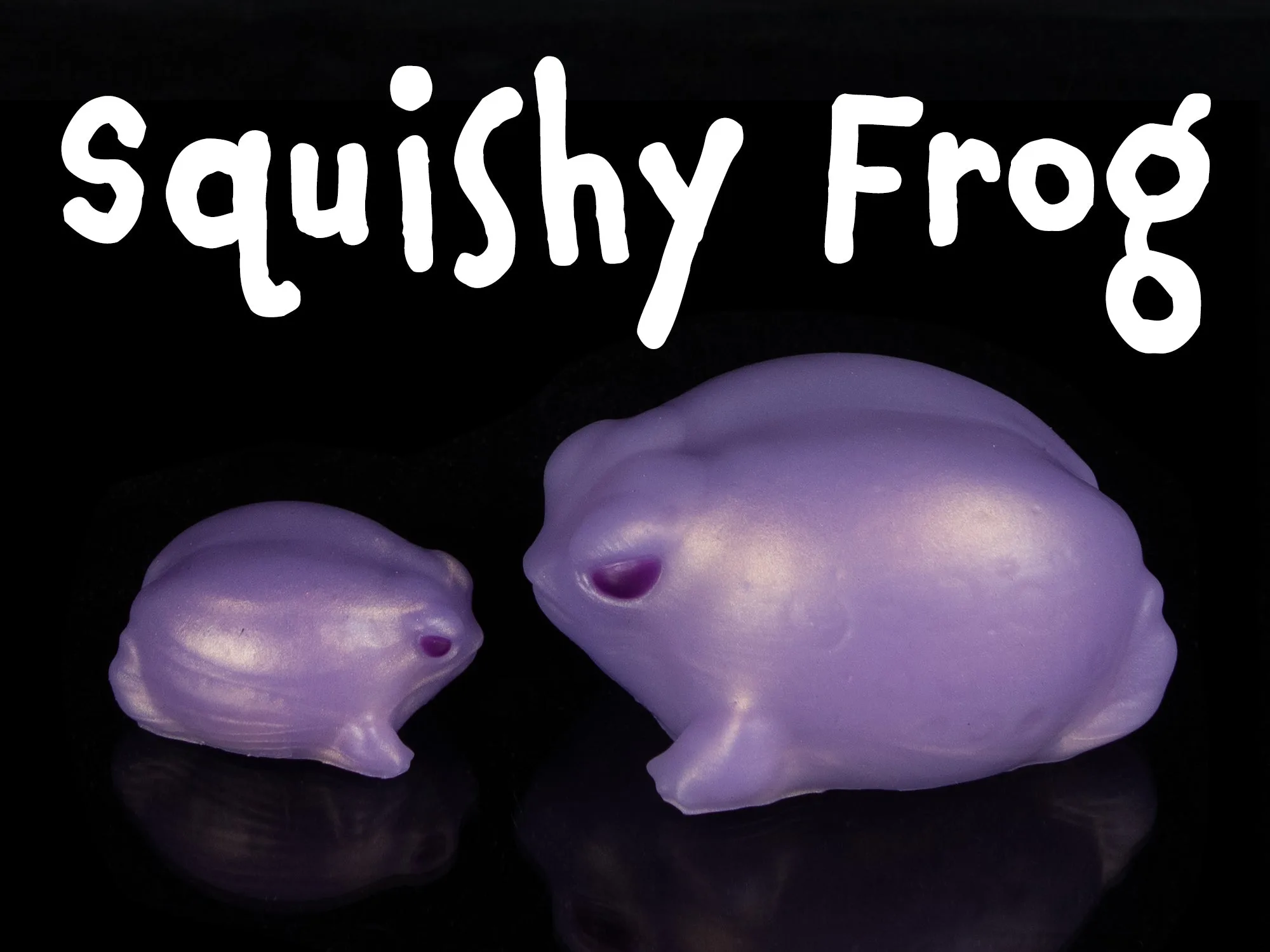
- Squishy Frog: The Frog comes in two sizes, Small and Large, in six different curated colors. Two sizes simplify the choice: Small for pocket or hand fidgets, Large for desk or display. The color options let you pick a visual match without changing fit.
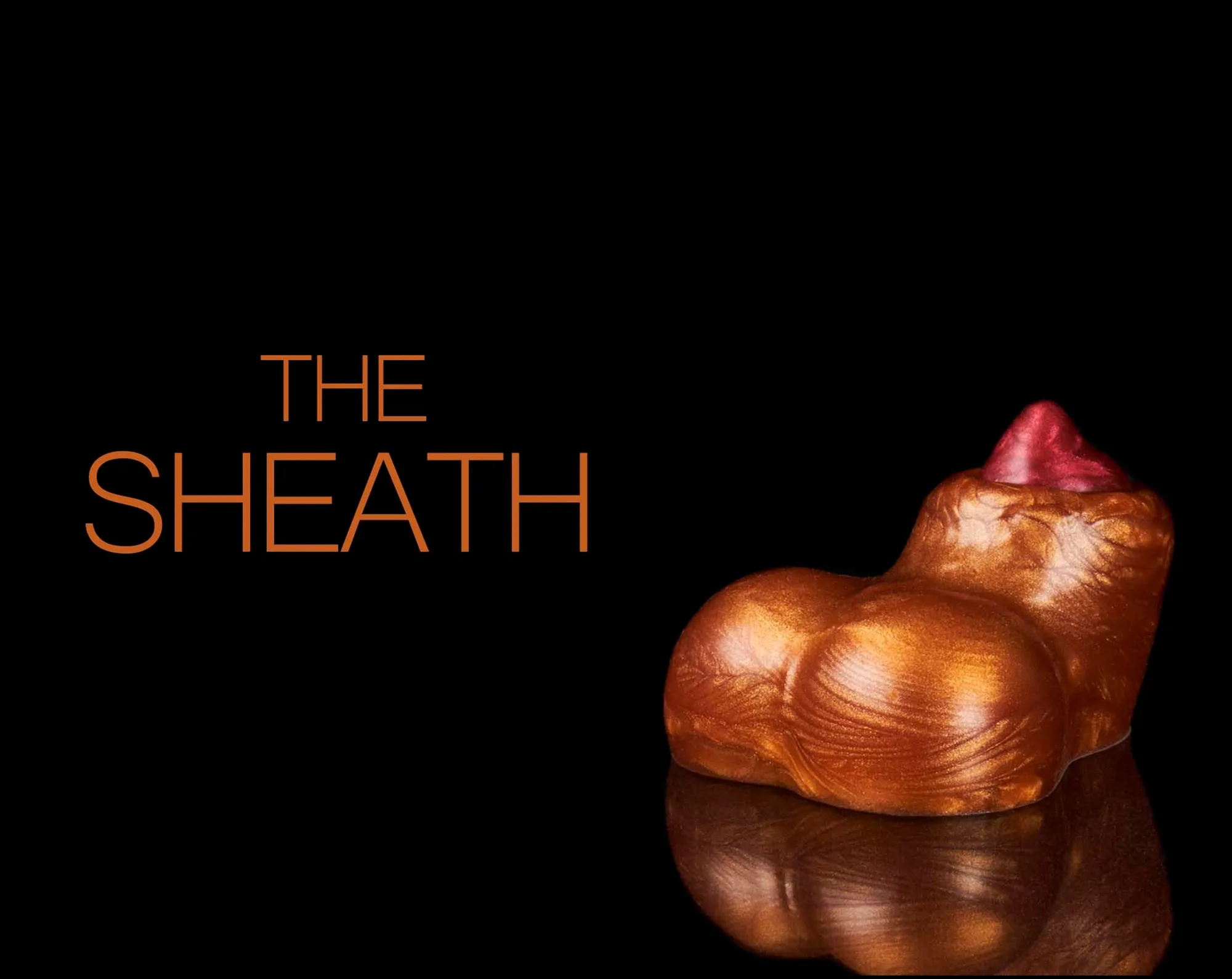
- The Sheath: This squishy sheath comes in Small, Medium, or Large, in extra-soft, soft, or medium firmness. Three sizes and three firmness levels let you tune both footprint and feel. Extra-soft is recommended for packing or novelty fidget use, so size and firmness work together.
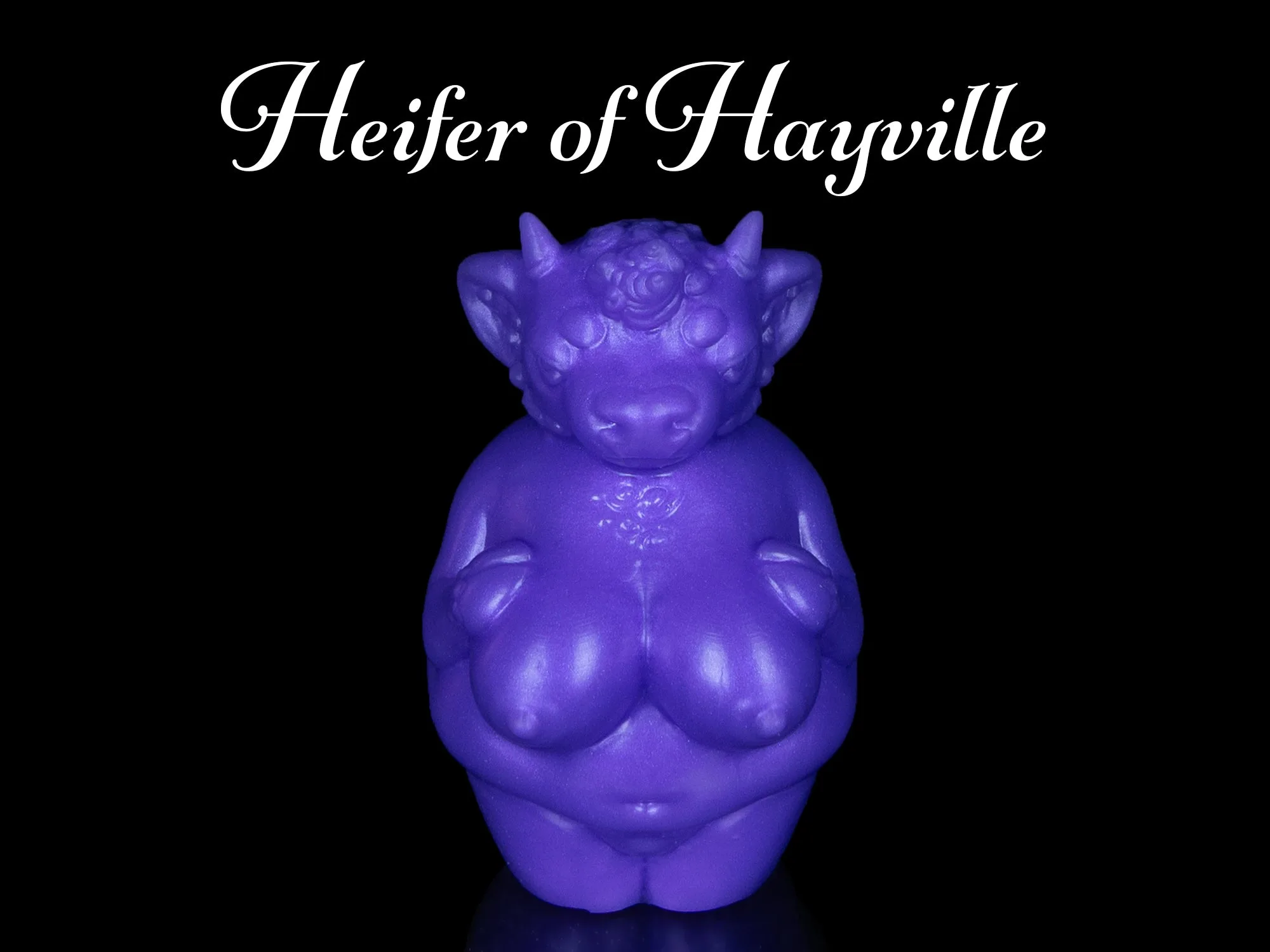
- Heifer of Hayville: Heifer of Hayville is available in five sizes (from Mini to Extra-Large). A five-size range gives more precise fit options than a two- or three-size chart, which helps if you're between sizes or want a specific display scale.
Who This Squishie Fit Guide Is For
Best for
- First-time squishie buyers who want a clear sizing method
- Shoppers choosing between multiple sizes of the same squishie
- Anyone using a squishie as a packer or fidget who needs fit and firmness guidance
Not for
- Buyers who already know their exact size and firmness preferences
- Shoppers looking for a specific product recommendation rather than a sizing framework