Walking down the supplement aisle can feel like reading a foreign language. With terms like 'proprietary blend,' 'AFUs,' and 'KSM-66®,' it's easy to feel overwhelmed. But learning how to read supplement labels is one of the most valuable skills you can develop for your health. It empowers you to choose products that actually deliver what they promise—and avoid those that don't.
This guide breaks down every part of a supplement label, from the Supplement Facts panel to ingredient lists and health claims. By the end, you'll know exactly what to look for and what to ignore, helping you make smarter decisions for your wellness journey.
The Supplement Facts Panel: Your Starting Point
The Supplement Facts panel is the most important part of any supplement label. It lists serving size, servings per container, and the amount of each ingredient per serving. This is where you'll find the 'active' ingredients—the nutrients, herbs, or compounds that provide the intended benefit.
Start by checking the serving size and servings per container. This tells you how many capsules, tablets, or scoops to take and how long the product will last. Then, look at the amount of each ingredient. For example, if you're looking at a protein powder, you'd want to see grams of protein per scoop. For vitamins, you'll see percentages of Daily Value (%DV) for nutrients like vitamin D or calcium.
One key tip: Don't be swayed by large numbers. More isn't always better. Some nutrients are only effective within a certain range, and taking too much can be harmful. Always compare the amounts to recommended daily intakes or clinical studies.
- Check serving size and servings per container first.
- Look for %DV for vitamins and minerals, but note that many botanicals don't have a %DV.
- Pay attention to the amount of active ingredients—more isn't always better.
Understanding Ingredient Lists and Proprietary Blends
Below the Supplement Facts panel, you'll often find an ingredient list. This includes inactive ingredients like fillers, binders, and natural flavors. While these are generally safe, some people prefer to avoid artificial additives. If you have allergies or sensitivities, always scan this list for common allergens like soy, gluten, or dairy.
Proprietary blends are a special category. They allow manufacturers to hide the exact amount of each ingredient in a blend, listing only the total weight. This can be a red flag because you can't tell if you're getting an effective dose of a key ingredient. For example, a 'focus blend' might contain 500 mg total, but you don't know how much of that is each herb. When possible, choose products that disclose individual ingredient amounts.
For instance, Force Factor's products often provide full transparency. The Force Factor ProbioSlim Akkermansia Probiotics & Postbiotics label clearly states the amount of Akkermansia muciniphila (1 billion AFUs) and other components, so you know exactly what you're getting.
- Scan for allergens and artificial additives in the ingredient list.
- Be cautious with proprietary blends—look for full disclosure of amounts.
- Choose brands that are transparent about ingredient dosages.
Decoding Health Claims and Marketing Buzzwords
Supplement labels are full of claims like 'supports immune health,' 'promotes joint comfort,' or 'enhances focus.' While these can be helpful, they're not always backed by strong science. The FDA regulates supplements differently than drugs, so claims are not pre-approved. Look for claims that are specific and supported by evidence, and be wary of vague or exaggerated language.
Also, watch out for buzzwords like 'clinical strength,' 'doctor recommended,' or 'premium.' These are marketing terms that don't guarantee quality. Instead, look for third-party testing seals, such as NSF, USP, or Informed Choice. These certifications indicate that the product has been independently verified for purity and potency.
When you see a specific extract or ingredient like KSM-66® Ashwagandha, that's a good sign. KSM-66 is a patented, clinically studied form of ashwagandha. Products like Force Factor Amazing Ashwa Soft Chews highlight such ingredients, giving you confidence in their effectiveness.
- Look for third-party testing seals (NSF, USP, etc.).
- Be wary of vague claims like 'supports overall health' without specifics.
- Recognize patented ingredients as a sign of quality.
Practical Tips for Evaluating Supplement Quality
Now that you know how to read the label, here are some practical tips for evaluating overall quality. First, check the expiration date and lot number. These ensure freshness and traceability. Second, consider the form of the supplement—capsules, powders, soft chews, or tablets. Choose what fits your lifestyle and preferences.
Third, look at the brand's reputation. Do they have a history of quality? Do they provide third-party testing results? Brands like Force Factor are known for their commitment to quality, and their products often include clinically studied ingredients. For example, Force Factor Total Beets Tablets for Blood Pressure Support feature MegaNatural® BP grape seed extract, a clinically studied ingredient for heart health.
Finally, don't forget to consider your specific needs. If you're looking for joint support, you might choose a product like Better Turmeric Soft Chews. If you're focused on gut health, a greens powder or probiotic could be a better fit. Always align your supplement choice with your health goals.
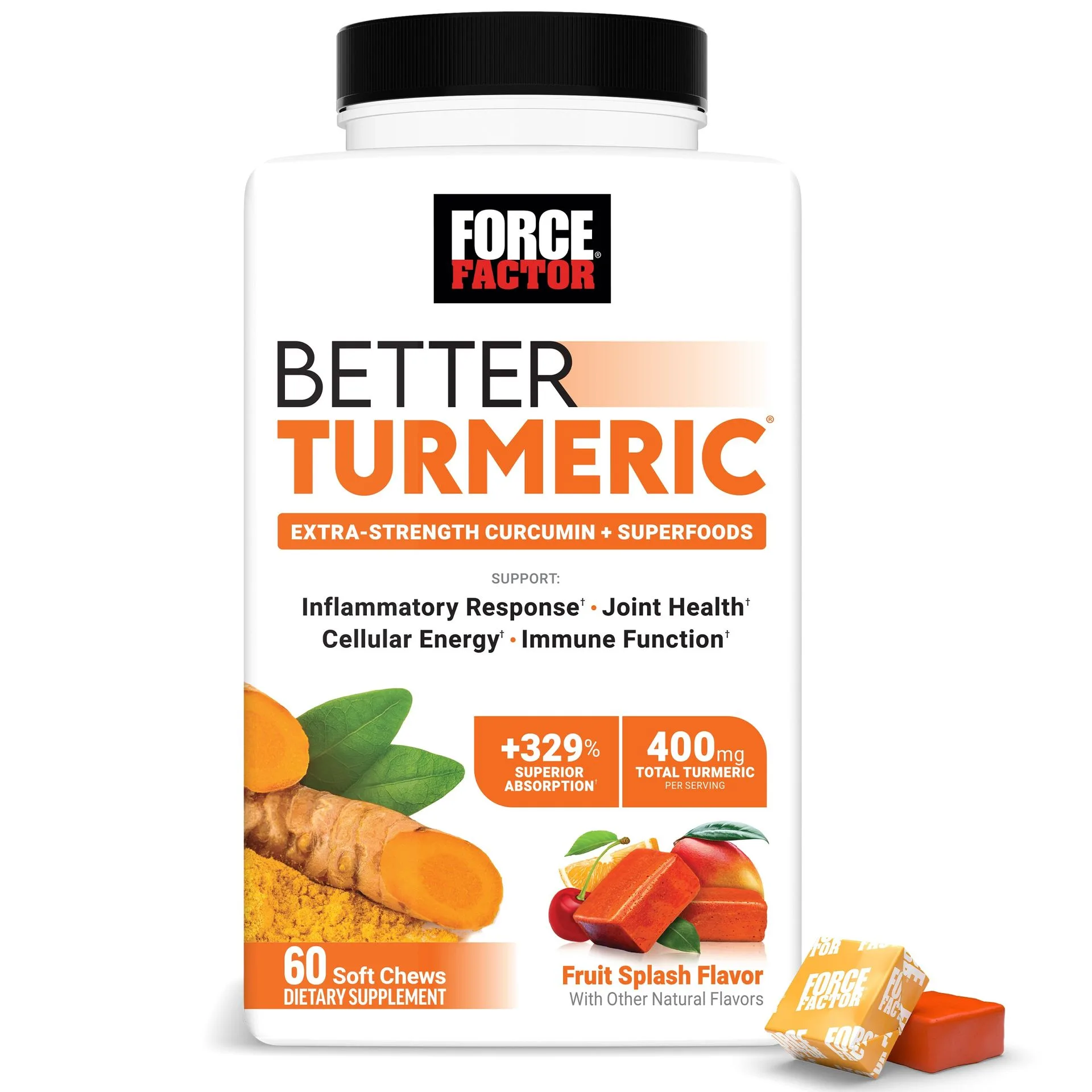
Better Turmeric Soft Chews
- Check expiration date and lot number.
- Research the brand's reputation and third-party testing.
- Choose a supplement form that fits your routine.
Reading supplement labels doesn't have to be intimidating. By focusing on the Supplement Facts panel, understanding ingredient lists, and being skeptical of marketing claims, you can make informed choices that support your health. Start with a product that offers transparency and quality—like Force Factor's range—and you'll be on your way to unlocking your potential.