Walking down the supplement aisle can feel like reading a foreign language. Between the bold claims on the front and the fine print on the back, it's easy to feel overwhelmed. But learning how to read supplement labels is one of the most important skills you can develop for your health journey. It empowers you to choose products that actually match your goals and avoid unnecessary additives.
This beginner's guide will break down every part of a supplement label—from the supplement facts panel to the ingredient list—so you can shop with confidence. Whether you're new to supplements or just want to brush up, by the end of this article, you'll know exactly what to look for and what to ignore.
The Supplement Facts Panel: Your Starting Point
The supplement facts panel is the most important section on any label. It tells you the serving size, the amount of each ingredient per serving, and the percent daily value (%DV) where applicable. The serving size is crucial—it's the amount you're supposed to take at one time, and all the numbers on the panel refer to that single serving, not the whole bottle.
Pay close attention to the %DV. This tells you how much a nutrient in a serving contributes to a daily diet based on a 2,000-calorie reference. For vitamins and minerals, a %DV of 20% or more is considered high, while 5% or less is low. However, for ingredients without an established daily value, you'll see a dash or no %DV—that's normal for herbal extracts, enzymes, and many specialty compounds.
- Always check the serving size first—it's the foundation for everything else.
- Use %DV to gauge whether a nutrient is high or low, but remember it's based on a general reference.
- For proprietary blends, the total weight is listed, but individual ingredient amounts are not—so research the blend carefully.
Decoding the Ingredient List
The ingredient list is where you'll find everything that goes into the product, listed in descending order by weight. The first few ingredients make up the bulk of the formula, so if you see a beneficial ingredient near the top, that's a good sign. Conversely, if you see sugars, fillers, or artificial colors early in the list, you might want to reconsider.
Look for recognizable ingredients and be cautious of proprietary blends. A proprietary blend is a mixture of ingredients where only the total weight is disclosed, not the individual amounts. This can make it hard to know if you're getting an effective dose. If a product uses a proprietary blend, do your homework—look for third-party testing or clinical studies that support the formula.
- Watch out for hidden sugars—they can appear as maltodextrin, dextrose, or fruit juice concentrates.
- Artificial colors and flavors are often unnecessary; choose products with natural ingredients.
- If you have allergies, scan the 'Contains' statement below the ingredient list for common allergens.
Common Label Terms Explained
Supplement labels are full of terms that can be confusing. Here are a few you'll see often and what they really mean. 'Standardized' means the product contains a consistent amount of a specific compound, usually an active ingredient. 'Whole food' suggests the nutrients come from concentrated whole foods, but the term isn't regulated, so check the ingredient list for actual food sources.
Other common terms include 'chelated' (minerals bound to amino acids for better absorption), 'bioavailable' (how easily your body can use the nutrient), and 'hypoallergenic' (formulated to reduce allergy risk, but not a guarantee). Understanding these terms helps you compare products and choose ones that align with your health needs.
- Don't be fooled by 'natural'—it's not strictly regulated, so always check the ingredient list.
- Look for 'third-party tested' or 'USP verified' for quality assurance.
- If a term is unfamiliar, look it up—reputable brands will provide clear explanations on their websites.
Applying Your Knowledge: What to Look For in Women's Supplements
Now that you know the basics, let's apply it to real products. For example, if you're considering a collagen supplement, you'll want to check the type of collagen (I, II, or III) and the dose. A product like the Free Soul x PerfectTed Matcha Collagen Powder combines collagen with matcha, so you'd also want to check the caffeine content and any added sweeteners.
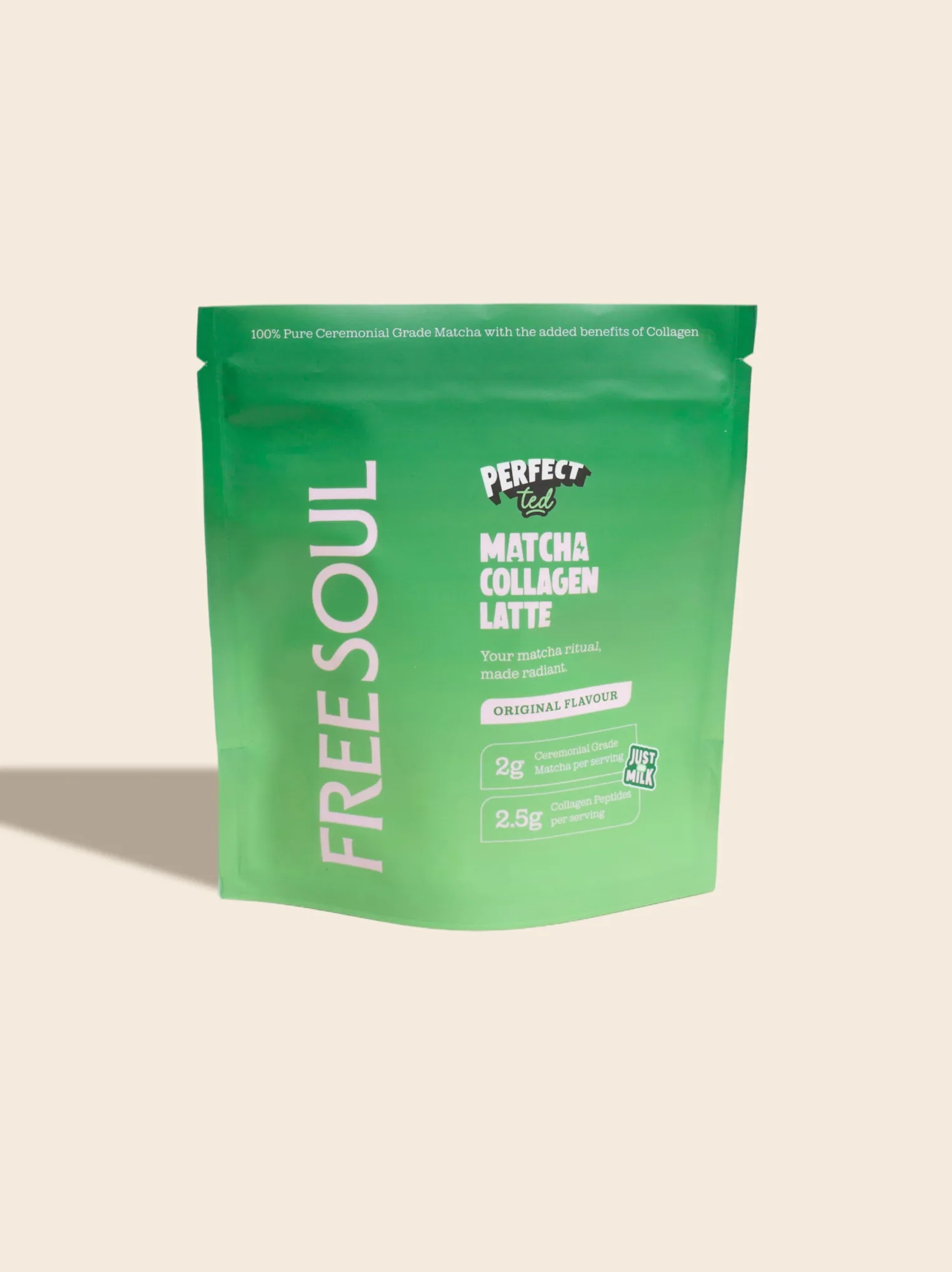
Free Soul x PerfectTed Matcha Collagen Powder
Similarly, for a multivitamin or targeted supplement like the Hair, Skin & Nails Gummies, look at the vitamins and minerals included, their forms (e.g., methylated B vitamins), and the amount of added sugar. Gummies often contain sugar or sugar alcohols, which can add up if you take multiple servings a day. Always compare the nutrient amounts to your dietary needs and any recommendations from your healthcare provider.
- For collagen, look for hydrolyzed collagen peptides and a dose of 2.5–15 grams per day.
- For gummies, check the sugar content per serving and consider sugar-free options.
- For protein powders, check the protein-to-carb ratio and the source (whey, plant, etc.).
Red Flags to Avoid
While most supplements are safe, there are some red flags to watch for. Be wary of products that make bold health claims like 'cures disease' or 'works instantly'—these are not allowed by the FDA and indicate a questionable product. Also, avoid products with proprietary blends that hide ingredient amounts, especially if the blend includes stimulants or obscure herbs.
Another red flag is a label that doesn't provide clear contact information for the manufacturer or lacks a lot number and expiration date. Reputable companies are transparent about their sourcing and manufacturing. If a product seems too good to be true, it probably is—stick with brands you trust and that have a track record of quality.
- Look for a 'Supplement Facts' panel—if it's missing, don't buy.
- Check for a lot number and expiration date to ensure freshness and traceability.
- Avoid products with long lists of artificial ingredients or fillers.
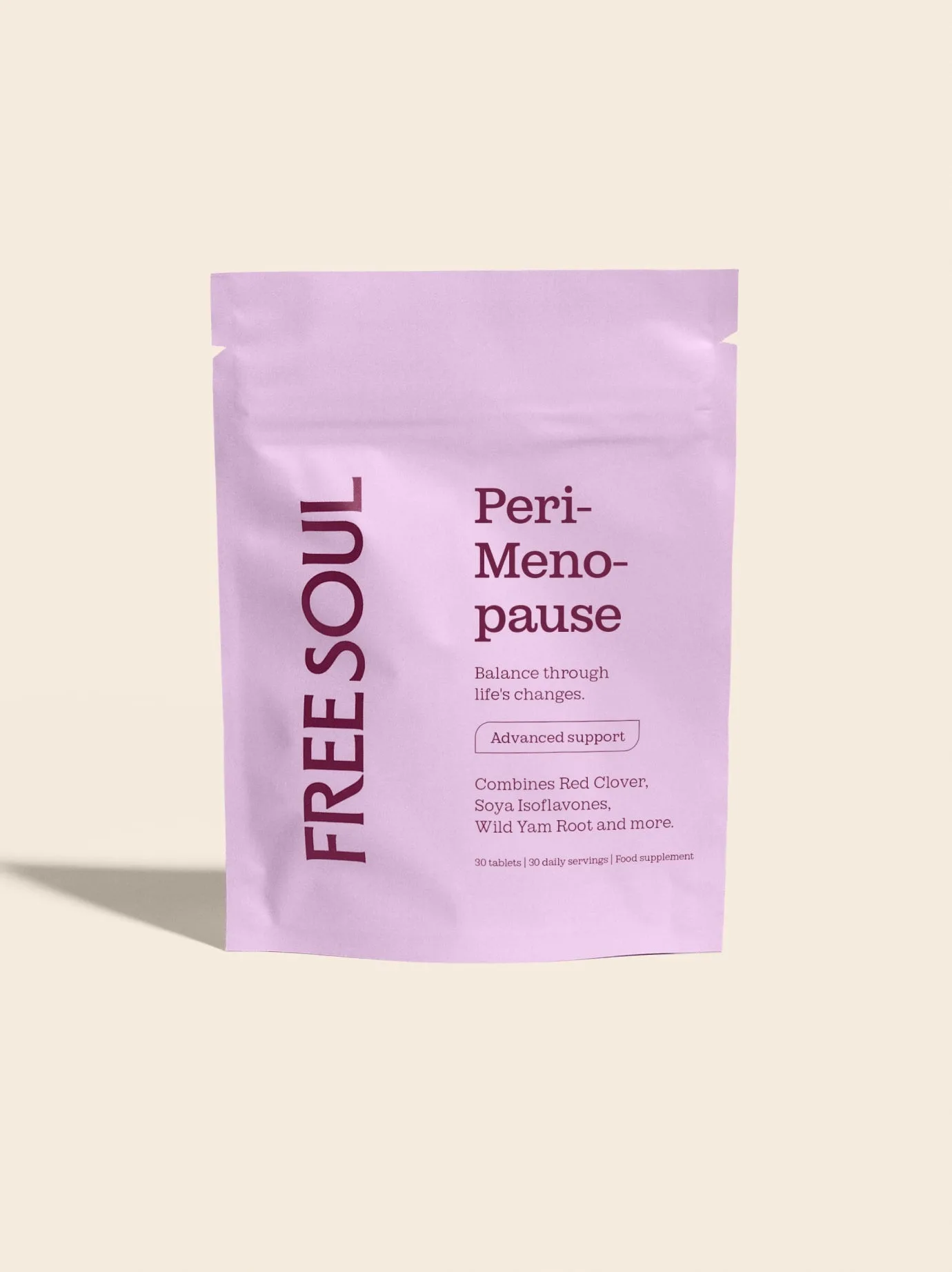
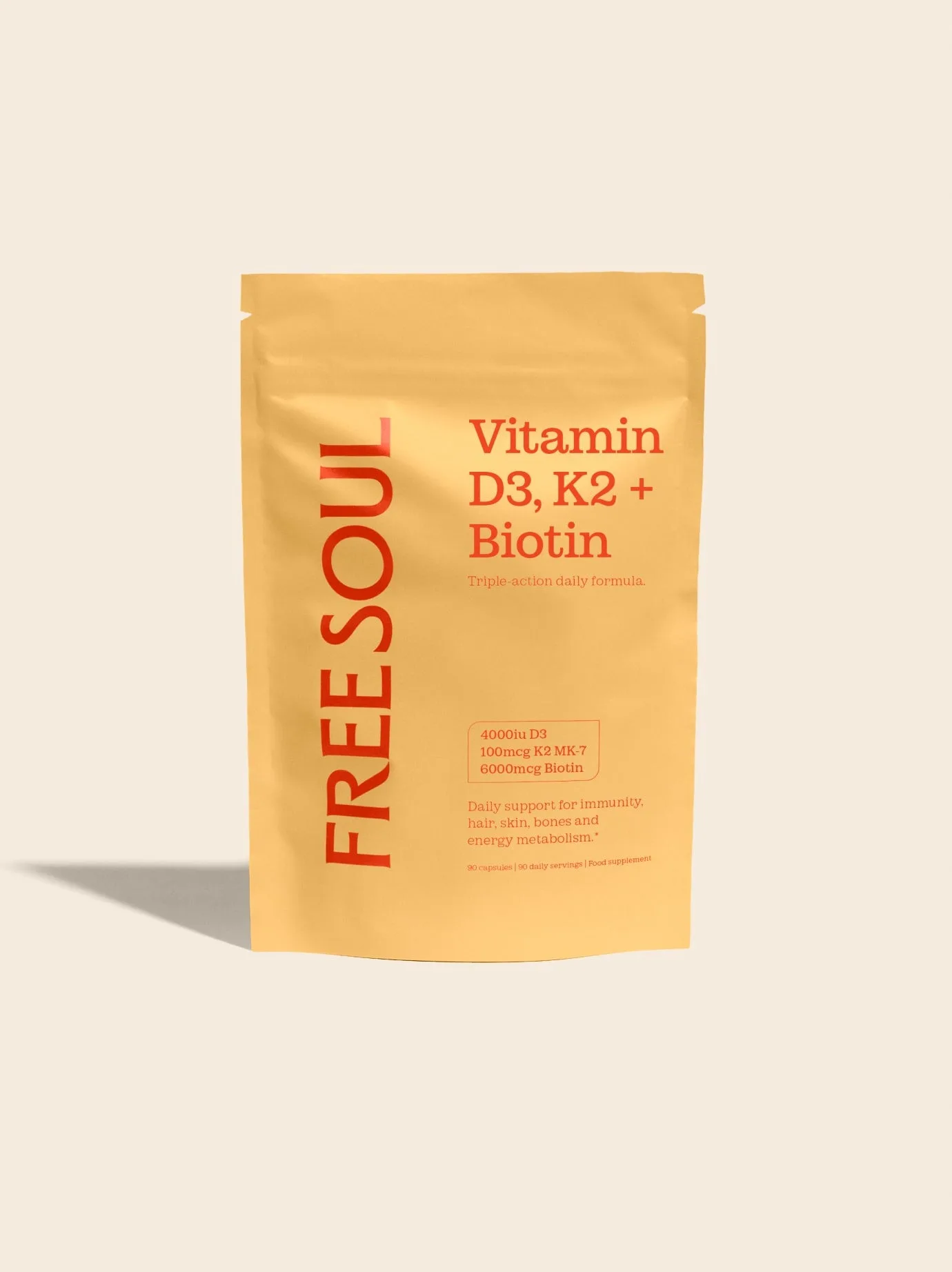
Reading supplement labels doesn't have to be intimidating. Once you understand the basics—serving size, ingredients, %DV, and common terms—you'll be able to make smarter choices for your health. Remember to always consult your healthcare provider before starting any new supplement. Ready to put your knowledge to the test? Explore our range of women-focused supplements, like the Perimenopause Supplement or the Vitamin D3 + K2 and Biotin, and see how clear labeling makes a difference.