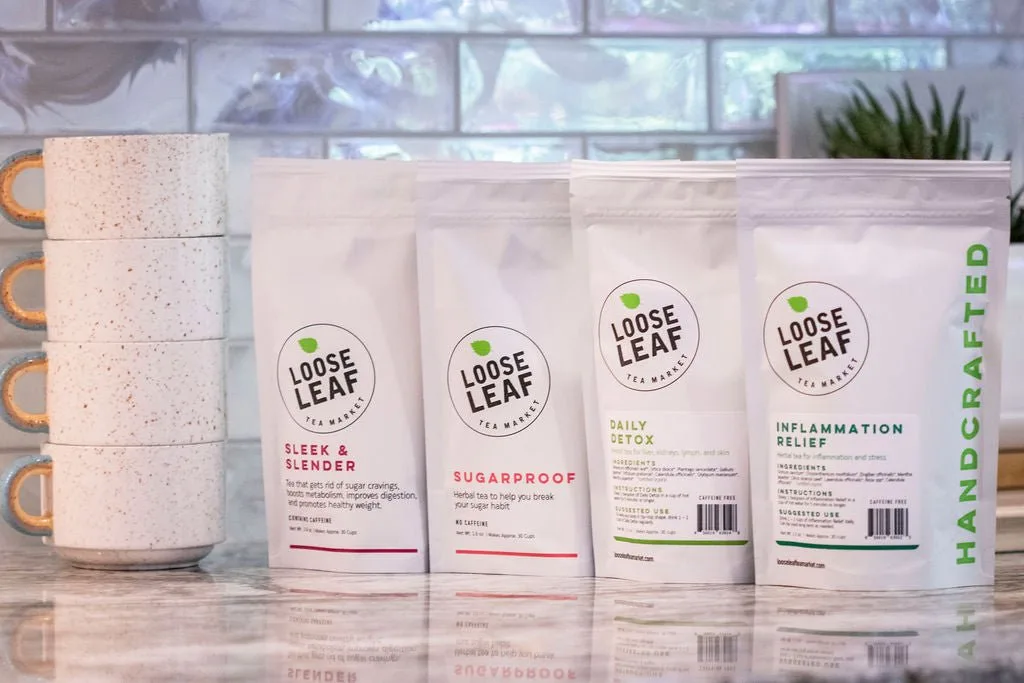
When you pick up a bag of loose leaf tea, do you know what you're really buying? Tea labels can be confusing, filled with vague terms like 'natural flavors,' 'estate grown,' or 'single origin.' Understanding these labels is key to selecting a tea that matches your taste preferences and health goals.
This guide will help you decode tea labels, from ingredient lists to origin claims, so you can shop with confidence. Whether you're a seasoned tea drinker or just starting your loose leaf tea journey, learning to read labels will elevate your tea experience.
Start with the Ingredients List
The most critical part of any tea label is the ingredients list. For pure teas like green, black, or oolong, the ingredient should simply be the tea plant (Camellia sinensis). If you see additional ingredients, it's a blended or flavored tea. Look for natural ingredients like dried fruits, flowers, or spices, and be cautious of artificial additives.
For herbal teas (tisanes), the ingredients are the herbs, spices, and other botanicals. These are naturally caffeine-free and often used for specific wellness benefits. For example, a calming blend might include chamomile and lavender, while a detox tea might feature dandelion root and ginger. Always check the label to ensure the ingredients align with your needs.
- Beware of 'natural flavors'—these can be synthetic and may mask lower-quality ingredients.
- If you have allergies, scan the label for common allergens like nuts or soy.
Understand Origin and Terroir
Origin labeling tells you where the tea was grown. Single-origin teas come from one specific region, offering a unique flavor profile influenced by local soil, climate, and altitude—collectively known as terroir. For example, a Darjeeling from India has a distinct muscatel character, while a Sencha from Japan is grassy and vegetal.
Some labels mention 'estate' or 'garden,' indicating the tea comes from a single plantation. This often signals higher quality and traceability. However, not all single-origin teas are superior; some blends are crafted to achieve a consistent taste. Understanding origin helps you predict flavor and find teas you'll love.
- Look for specific regions like Uva (Sri Lanka) or Yunnan (China) rather than just 'China' or 'India.'
- Check if the label indicates harvest season—first flush teas are often prized for their delicate flavors.
Decode Certifications and Quality Indicators
Certifications like USDA Organic, Fair Trade, and Rainforest Alliance provide assurance about farming practices and worker welfare. Organic certification means no synthetic pesticides or fertilizers were used. Fair Trade ensures farmers receive fair wages. These labels add value but also affect price.
Quality indicators include terms like 'whole leaf,' 'broken leaf,' or 'fannings.' Whole leaf teas are generally higher quality and produce a more nuanced cup. Broken leaves and fannings are often used in tea bags and may brew faster but with less complexity. For loose leaf tea, you'll typically find whole leaves, but it's worth checking.
- Don't assume 'premium' or 'gourmet' means high quality—check the actual leaf grade.
- If you're buying a blend, ensure the base tea is still of good quality, not just a carrier for flavors.
Watch Out for Misleading Claims
Some labels use terms like 'detox' or 'energy boost' without scientific backing. While certain herbs have traditional uses, these claims are often marketing. For example, a 'detox tea' may contain laxative herbs like senna, which can be harmful if overused. Always research unfamiliar ingredients.
Similarly, 'natural' doesn't always mean healthy. Sugar or artificial sweeteners can hide in flavored teas. Check the nutrition facts if available. For those managing sugar cravings, choose teas without added sweeteners, like the Detox Tea - Caffeine-Free from our store, which relies on natural ingredients.
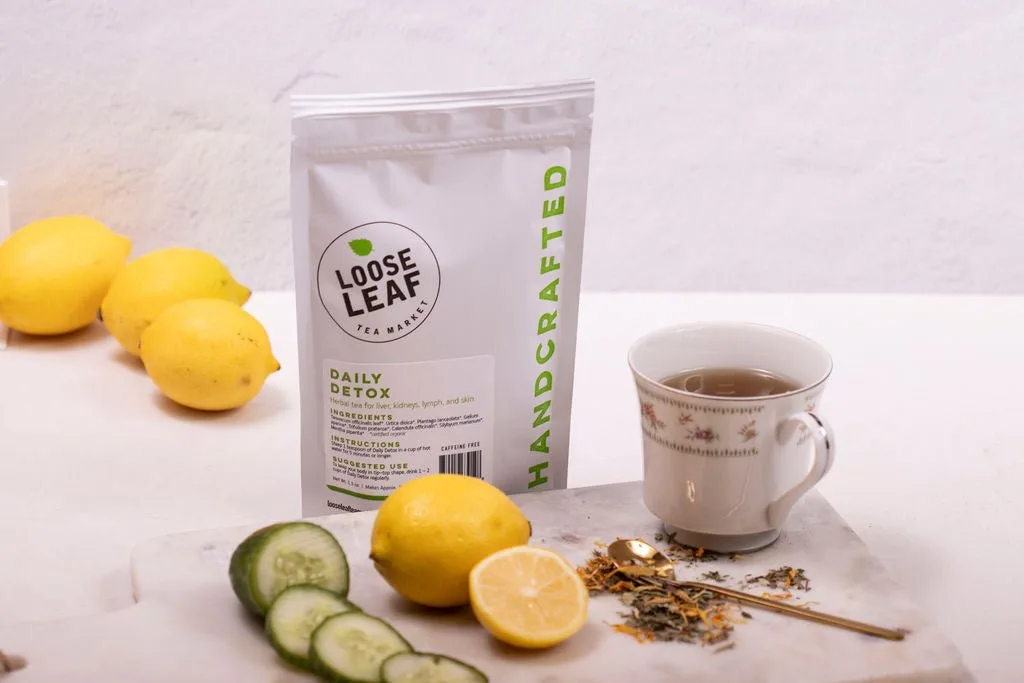
Detox Tea - Caffeine-Free
- Be skeptical of 'miracle' health claims—consult a healthcare provider if you have concerns.
- When in doubt, choose teas with transparent labeling and simple ingredient lists.
How to Choose Based on Your Needs
Now that you can read labels, how do you choose? For daily enjoyment, look for high-quality whole leaf teas with clear origin information. For wellness goals, such as reducing stress or supporting sleep, opt for caffeine-free herbal blends with beneficial herbs. For example, our Cortisol Tea Bundle Caffeine-Free is crafted with adaptogens and calming botanicals, ideal for stress management.
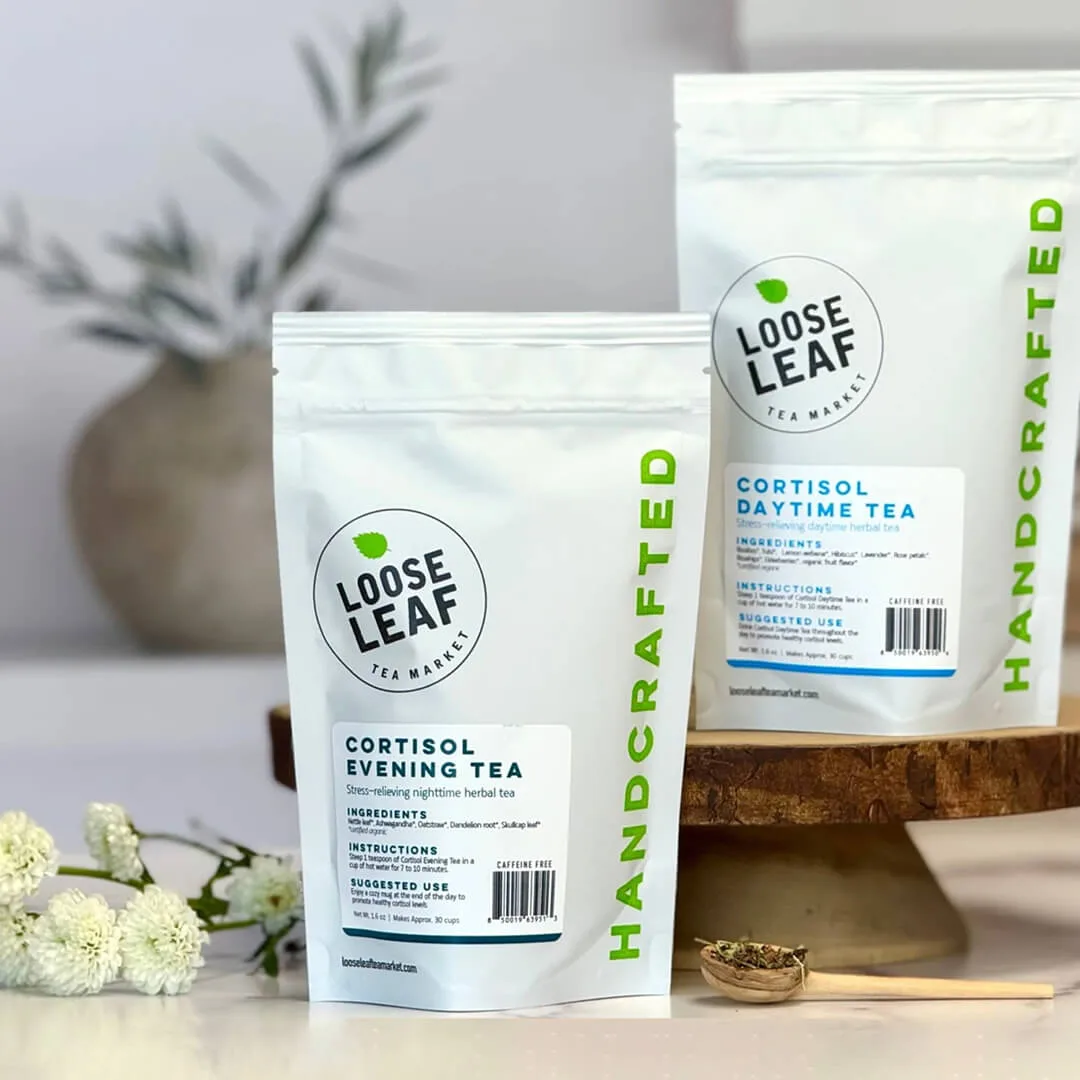
Cortisol Tea Bundle Caffeine-Free
If you're new to loose leaf tea, start with a sampler or a bundle like the Core 4 Tea Bundle, which offers a variety of flavors to explore. Remember, the best tea is one that suits your taste and lifestyle.
- Consider your caffeine sensitivity—choose decaf or herbal options for evening.
- Read reviews to see if others enjoyed the flavor and quality.
Reading tea labels is a skill that enhances your tea experience. By understanding ingredients, origins, and certifications, you can make informed choices that align with your preferences and values. Next time you shop, take a moment to read the label—you'll be rewarded with a better cup.