Walking into a tea shop or browsing online can feel overwhelming when you see terms like 'orthodox,' 'CTC,' 'first flush,' 'single origin,' and 'grade FTGFOP1.' These phrases aren't just marketing fluff—they tell you exactly what’s inside the packet and how it will taste. Understanding tea labels empowers you to choose teas that match your preferences, whether you love a delicate white tea or a bold breakfast blend.
In this guide, we’ll decode the most common terms you’ll find on tea packaging—from processing methods to harvest seasons and quality grades. By the end, you’ll confidently pick teas that suit your palate and brewing style. Let’s start with the basics.
Processing Methods: Orthodox vs. CTC
One of the first things to look for on a tea label is the processing method, usually described as 'orthodox' or 'CTC.' Orthodox tea is made using traditional methods where whole leaves are carefully rolled, oxidized, and fired. This process preserves the leaf’s natural shape and produces complex flavors. Orthodox teas are ideal for loose-leaf brewing and are often single-origin.
CTC stands for 'crush, tear, curl.' This machine-based method produces small, uniform granules that brew quickly and yield a strong, consistent cup. CTC teas are common in tea bags and are perfect for milk tea or iced tea. If you see 'orthodox' on a label, expect a nuanced flavor; if you see 'CTC,' expect a bold, brisk brew. For a classic example of orthodox tea, try a single-origin like Sencha - Loose Leaf, which showcases the delicate processing of Japanese green tea.
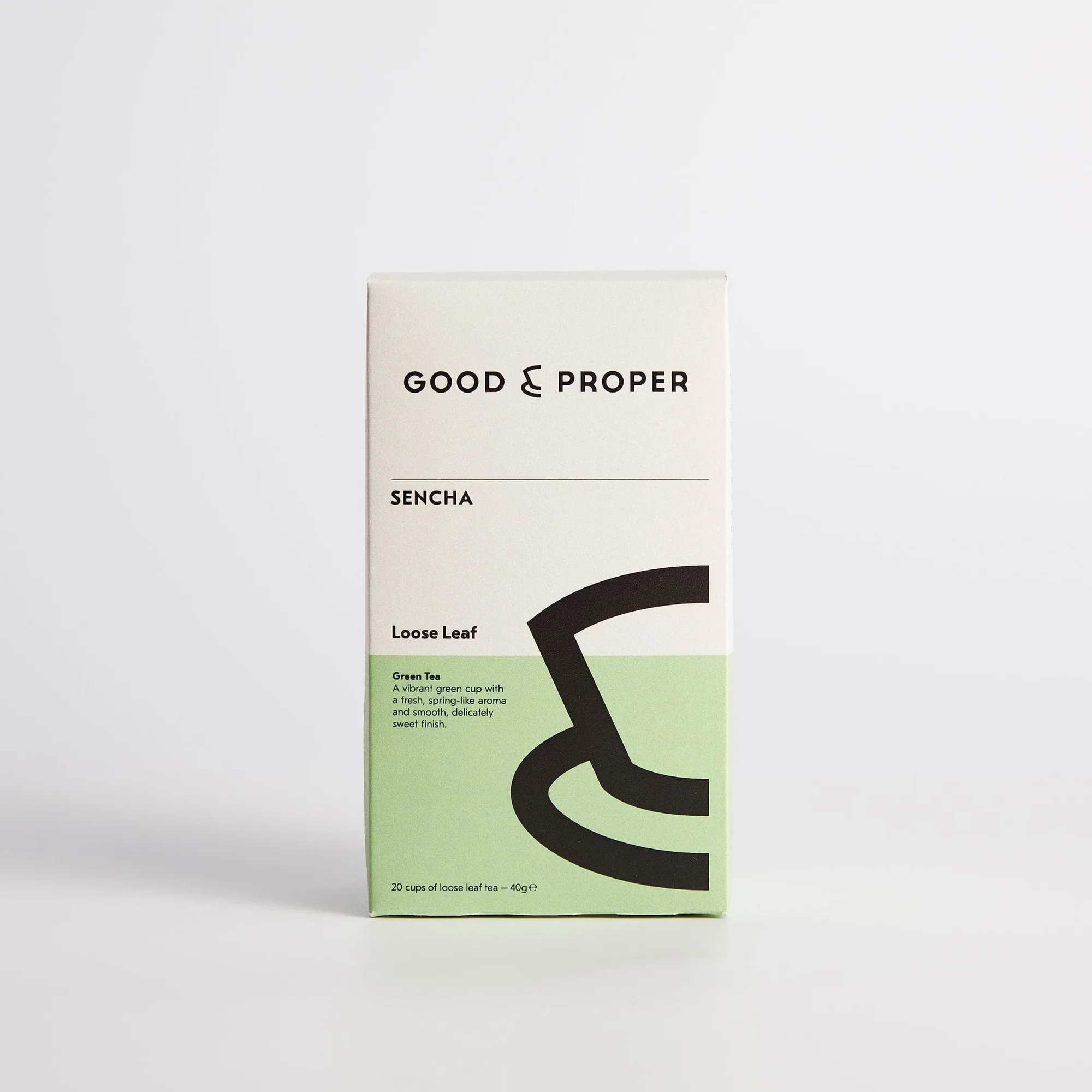
Sencha - Loose Leaf
- Orthodox = whole leaf, complex flavor, ideal for gongfu brewing.
- CTC = small granules, quick brew, strong and consistent.
- Check the label: orthodox is often marked clearly; CTC may not be stated but is common in bagged teas.
Tea Grades: Decoding the Alphabet Soup
Tea grades are a shorthand for leaf size and quality, especially for black teas from India and Sri Lanka. The highest grades are whole-leaf grades like 'SFTGFOP1' (Special Finest Tippy Golden Flowery Orange Pekoe 1). The more letters, the higher the quality. 'OP' (Orange Pekoe) means large, whole leaves without tips. 'BOP' (Broken Orange Pekoe) indicates smaller broken leaves that brew faster.
Lower grades like 'Fannings' (small particles) and 'Dust' (fine powder) are used in most commercial tea bags. While they brew quickly, they lack the complexity of whole-leaf teas. When buying loose leaf, look for whole-leaf grades—they offer more nuanced flavors and can be steeped multiple times. For a high-quality whole-leaf experience, consider a tea like Ceylon - Loose Leaf, which is typically graded as OP or higher.
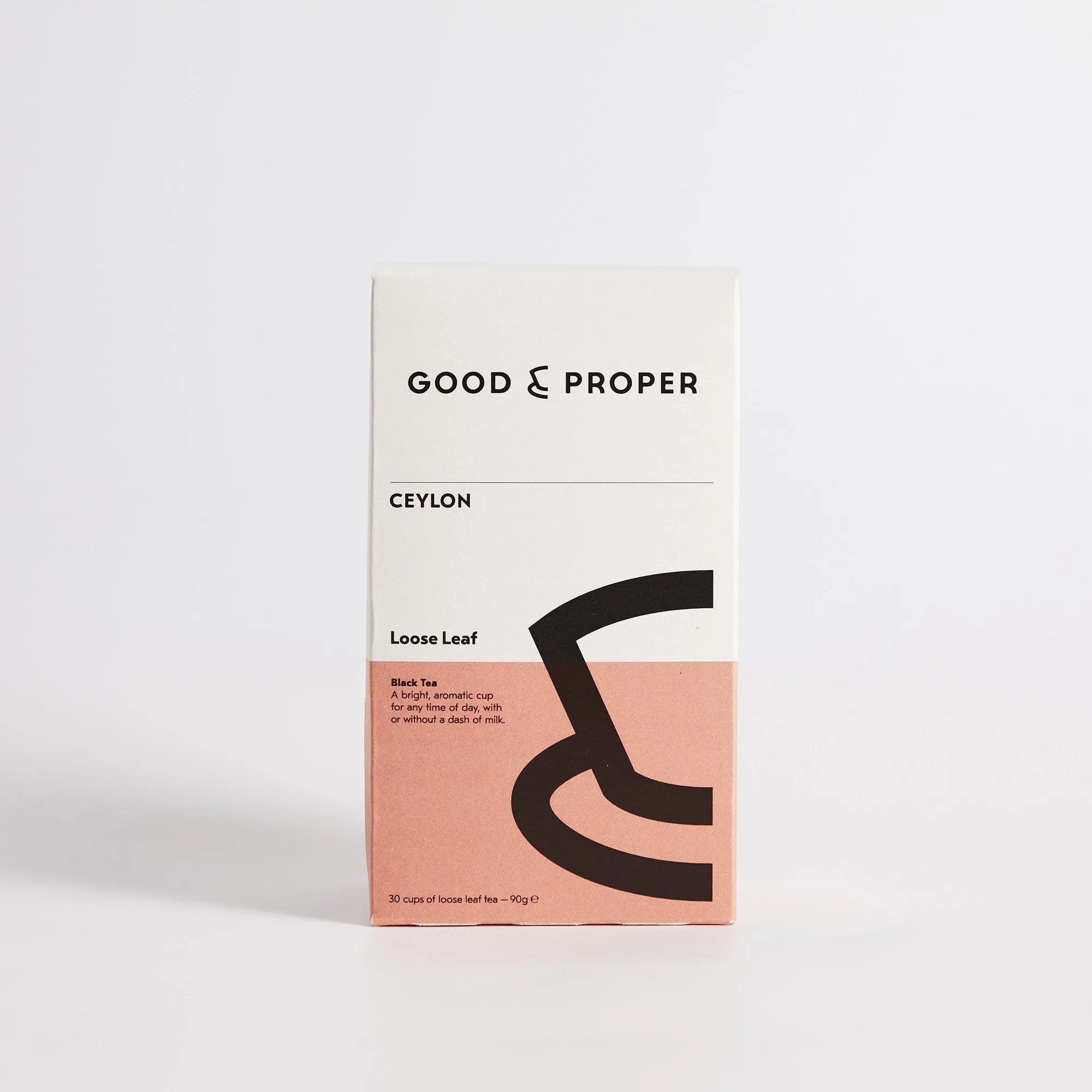
Ceylon - Loose Leaf
- SFTGFOP1 = highest whole-leaf grade with golden tips.
- OP = large whole leaves, good for beginners.
- BOP = broken leaves, stronger brew.
- Fannings/Dust = quick but one-dimensional flavor.
Origin and Terroir: Single Origin vs. Blends
Tea labels often specify the origin—country, region, or even a specific estate. Single-origin teas come from one place, offering a taste of that terroir. For example, a Darjeeling first flush has a muscatel character unique to that region. Blends combine teas from multiple origins to create a consistent flavor profile, like English Breakfast or Earl Grey.
Look for terms like 'estate-grown' or 'single estate' for the purest expression of a region. If you see 'blended' or 'assembled,' the tea is crafted for consistency. Some labels also mention altitude, which can affect flavor—high-grown teas tend to be more delicate and aromatic. For a unique single-origin experience, try Bao Zhong (Pouchong) - Loose Leaf, a lightly oxidized oolong from Taiwan with floral notes.
- Single origin = taste of one place, ideal for exploration.
- Blends = consistent flavor, great for daily drinking.
- Altitude matters: high-grown teas often have brighter, more complex flavors.
Harvest Season: Flush, First Flush, and Second Flush
For teas like Darjeeling and Assam, the harvest season—called a 'flush'—dramatically affects flavor. First flush teas are harvested in spring (March-April) and are light, floral, and astringent. Second flush teas, picked in summer (May-June), are fuller, fruitier, and more rounded. Autumn flush teas are milder and less expensive.
Other teas may not use 'flush' but still have harvest seasons. For example, Japanese green teas like Sencha are best when harvested in spring (shincha). Labels may mention 'first harvest' or 'spring harvest.' Knowing the flush helps you pick the profile you prefer: bright and floral (first flush) or rich and bold (second flush).
- First flush = light, floral, complex (spring).
- Second flush = full-bodied, fruity, sweet (summer).
- Autumn flush = mild, budget-friendly.
Other Key Label Terms: Organic, Fair Trade, and More
Beyond processing and grade, tea labels often carry certifications. 'Organic' means the tea is grown without synthetic pesticides or fertilizers. 'Fair Trade' ensures farmers receive fair wages and work in safe conditions. 'Rainforest Alliance' focuses on environmental and social sustainability. These labels add value but don't directly indicate flavor quality.
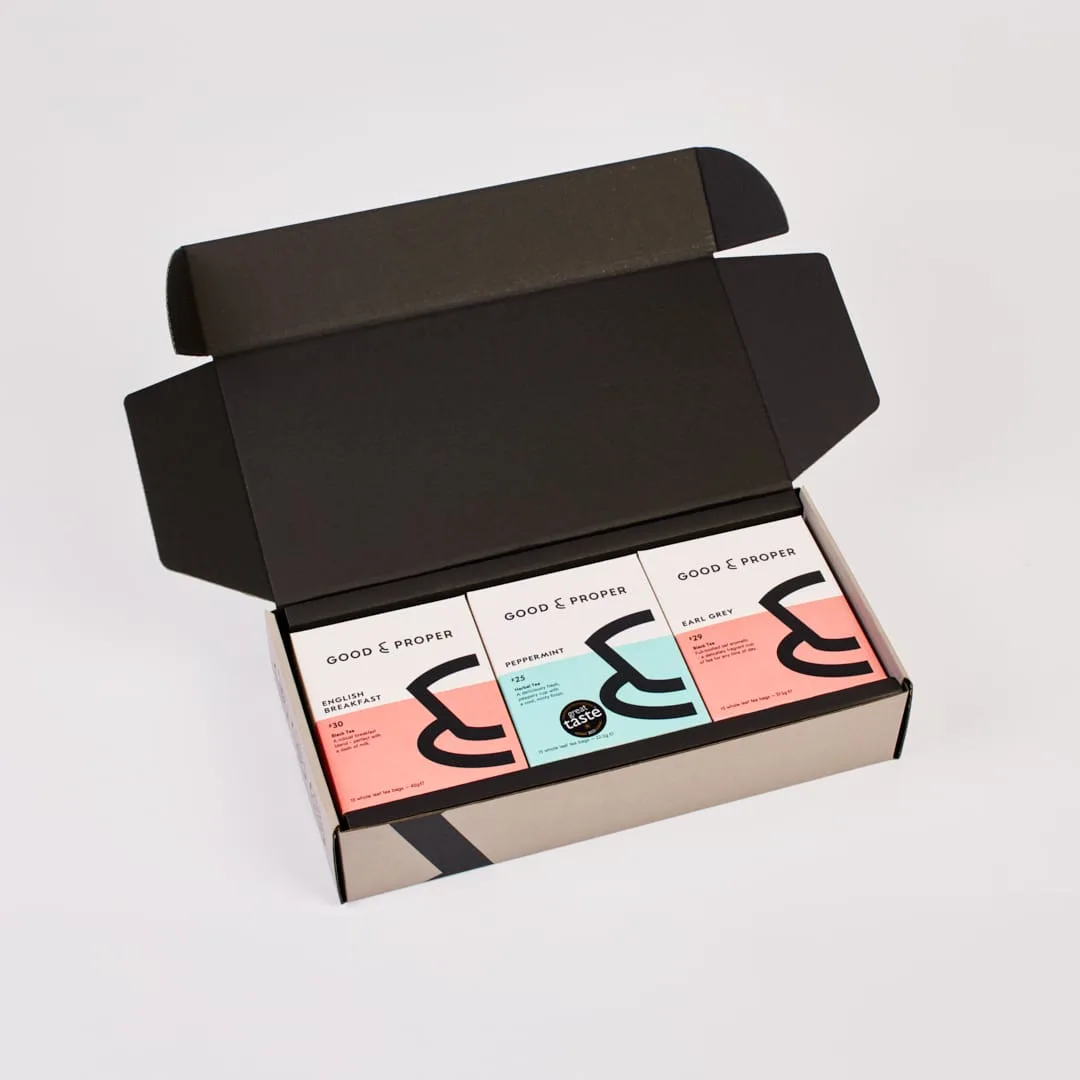
Also look for 'hand-picked' or 'hand-rolled,' which often signal artisanal production. 'Natural flavors' means added flavorings, while 'flavored tea' may use natural or artificial ingredients. If you prefer pure tea without additions, choose 'unflavored' or 'pure.' For a convenient way to explore different teas, consider Tea Bag Samples, which let you taste various styles without committing to a full tin.
- Organic = no synthetic chemicals.
- Fair Trade = ethical sourcing.
- Hand-picked = higher quality, more labor-intensive.
- Natural flavors = added, but not necessarily artificial.
Reading tea labels doesn’t have to be confusing. By understanding processing methods, grades, origin, harvest seasons, and certifications, you can confidently choose teas that match your taste and values. Next time you shop, look for whole-leaf orthodox teas with clear origin and grade information. Start your exploration with a classic like Sencha - Loose Leaf, and enjoy the journey into the world of fine tea.