Walking down the tea aisle or browsing an online tea shop can feel like stepping into a foreign language class. Words like 'orthodox,' 'single origin,' 'CTC,' and 'silken pyramids' appear on nearly every package, but what do they actually mean? Understanding tea labels is the key to choosing a tea that suits your taste, budget, and brewing style.
In this guide, we'll decode the most common terms you'll find on premium tea packaging. Whether you're a curious beginner or a seasoned enthusiast, knowing how to read tea labels will help you make informed decisions and discover new favorites. Let's start with the basics.
The Basics: Origin, Type, and Grade
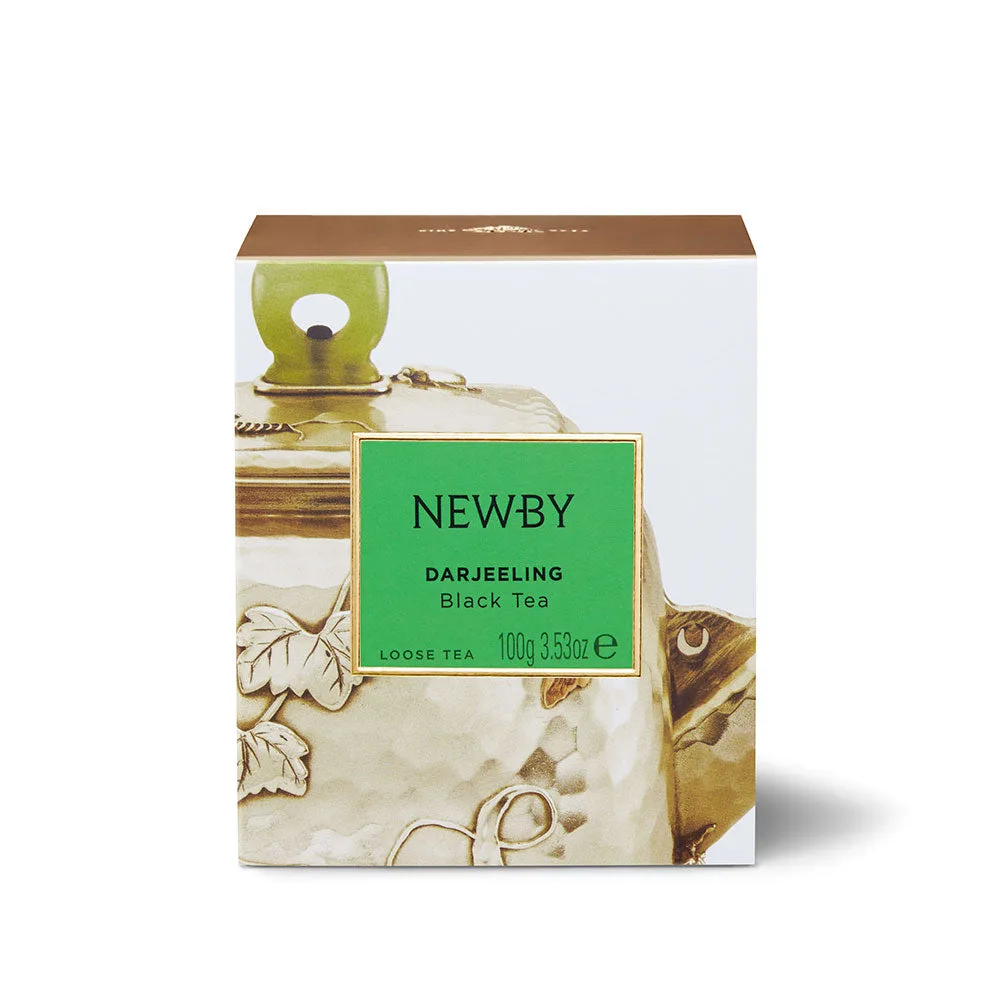
Every tea label tells you where the tea comes from. 'Single origin' means the leaves were grown in one specific region or estate, offering a distinct flavor profile tied to that terroir. For example, a Darjeeling first flush tastes completely different from an Assam. Blends, on the other hand, combine leaves from multiple origins to create a consistent, balanced flavor. If you see 'estate' on the label, it refers to a specific tea garden, which is a mark of traceability and quality.
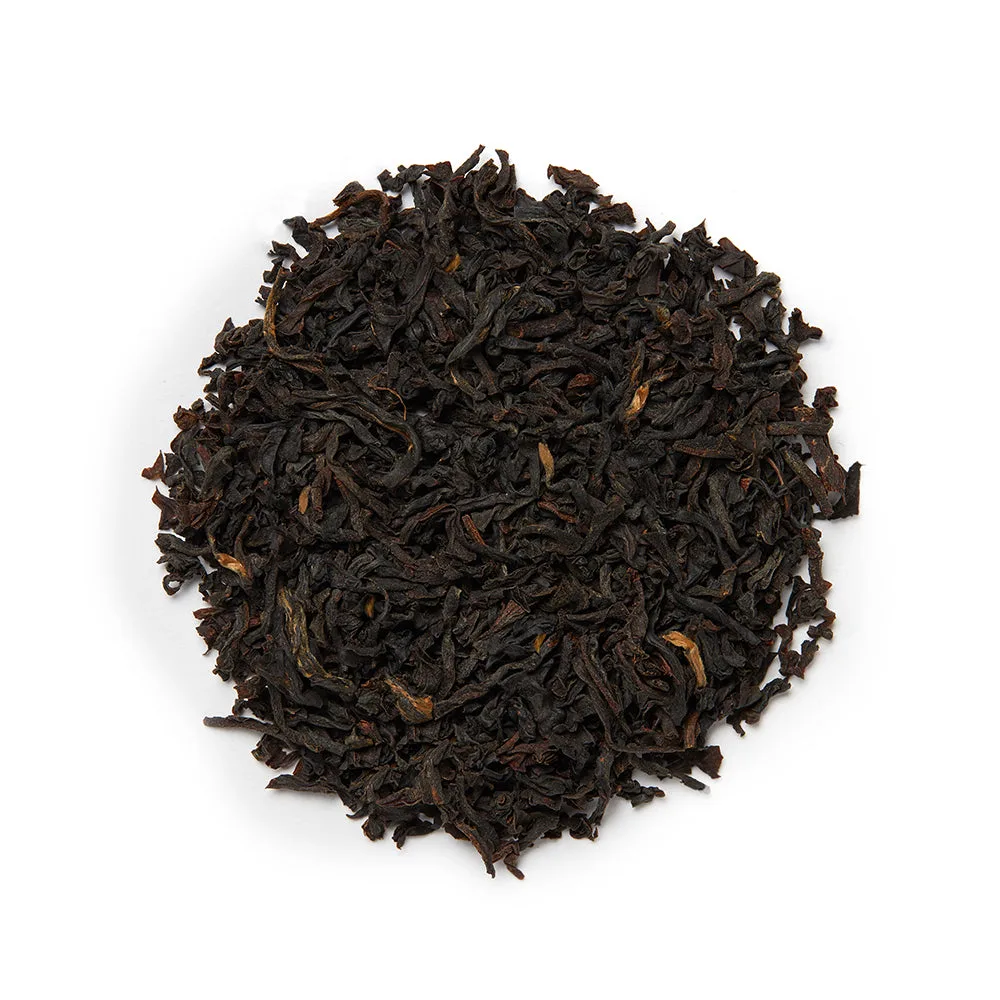
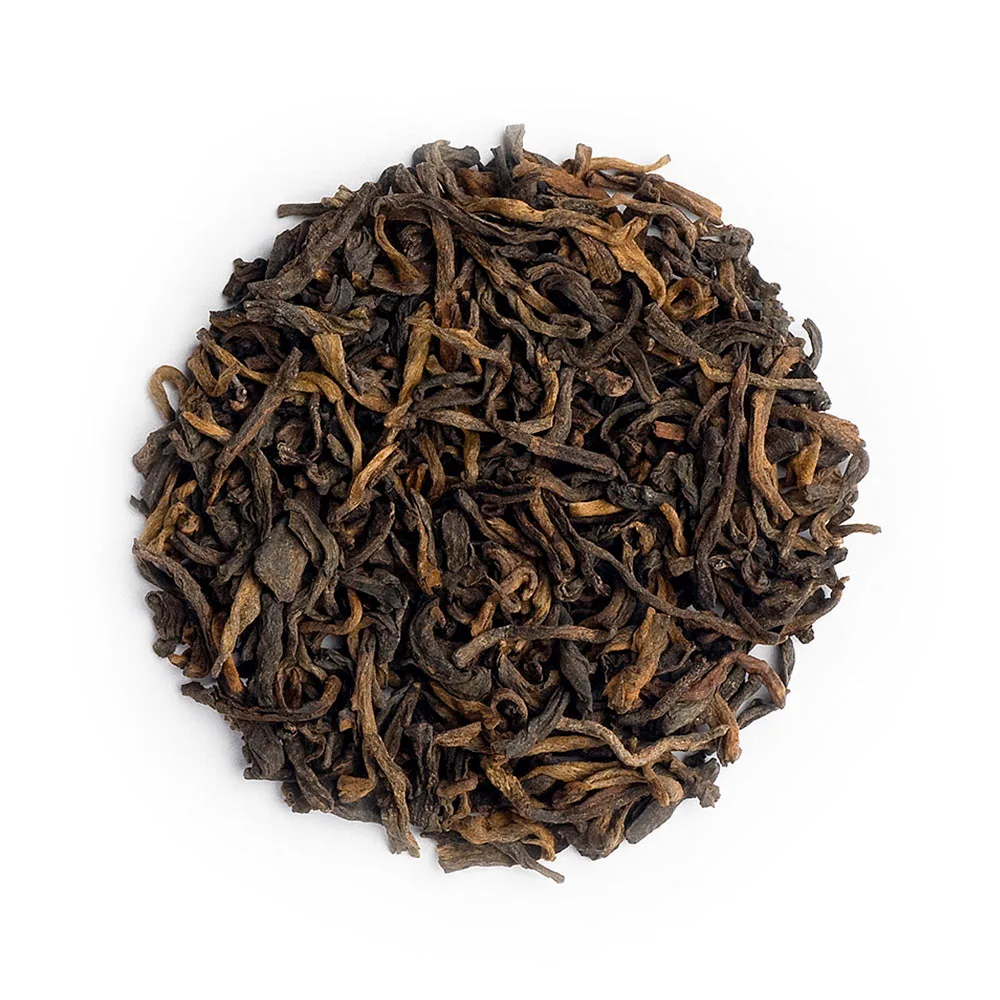
Tea type is also clearly stated: black, green, oolong, white, or herbal. Within black tea, you might see 'orthodox' or 'CTC.' Orthodox tea is made using traditional methods that preserve whole or broken leaves, resulting in complex flavors. CTC (crush, tear, curl) produces small, uniform granules that brew quickly and yield a strong, brisk cup—perfect for milk tea or tea bags. For a premium loose leaf experience, look for orthodox teas like those in the Black Teas Silken Pyramids Gift Box, which showcase the artistry of traditional processing.

Black Teas Silken Pyramids Gift Box
- Tip: Single-origin teas are ideal for exploring unique flavors; blends are better for consistency in everyday cups.
Leaf Grades: From Whole Leaf to Dust
Tea leaves are sorted by size and shape after processing, and these grades appear on labels. Whole leaf grades include 'Orange Pekoe' (OP) and 'Flowery Orange Pekoe' (FOP), which indicate long, unbroken leaves that deliver nuanced flavor. Broken grades like 'BOP' (Broken Orange Pekoe) are smaller and brew faster, often used in tea bags. Fannings and dust are the smallest particles, common in mass-market tea bags for quick, strong infusions but with less complexity.
For the richest taste and aroma, choose whole leaf or large broken leaf teas. Loose leaf options like the Fujian Oolong Loose Leaf Pouch 250g offer a full-bodied experience because the leaves have room to unfurl, releasing essential oils. If convenience matters, high-quality pyramid bags—such as those made with silken pyramids—use larger leaf pieces than traditional flat bags, balancing speed with flavor.
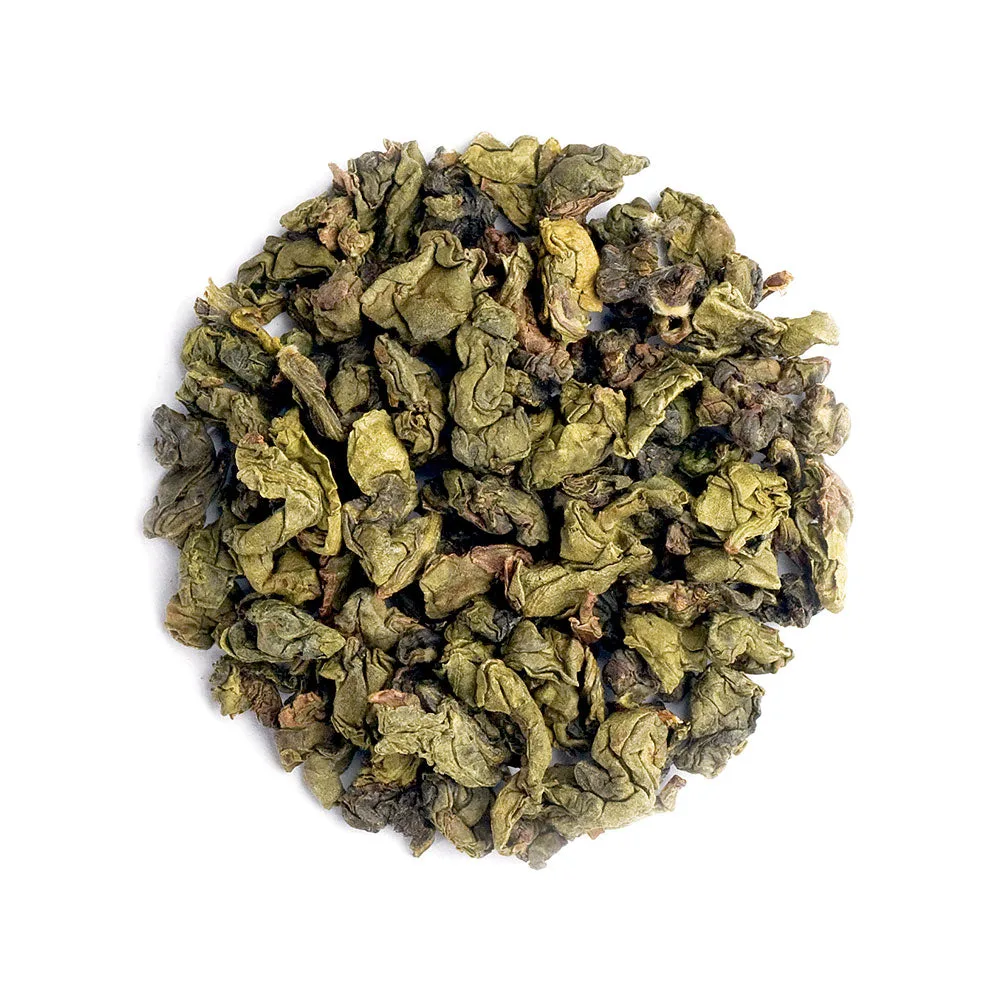
Fujian Oolong Loose Leaf Pouch 250g
- Tip: Don't judge a tea by its grade alone; taste preference matters more than leaf size.
Processing Terms: Orthodox, CTC, and Beyond
Beyond leaf grade, the processing method shapes the final cup. Orthodox processing involves withering, rolling, oxidizing, and firing the leaves by hand or machine, preserving their shape and complexity. This method is typical for premium teas. CTC processing uses machines to cut and roll leaves into pellets, speeding up oxidation and producing a bold, consistent brew ideal for chai or iced tea.
Flavored teas add another layer. Terms like 'natural flavoring' or 'essential oils' indicate that real ingredients (e.g., bergamot for Earl Grey) are used. If you see 'artificial flavors,' the tea likely contains synthetic compounds. For a naturally spiced option, try a blend like Masala Chai - 25 Tea Bags, which uses real spices for an authentic taste. Always check the ingredient list to ensure you're getting what you expect.
- Tip: Orthodox teas are best for sipping plain; CTC teas shine with milk and sugar.
Packaging and Freshness: What to Look For
Tea labels also reveal how fresh your purchase will stay. Look for 'resealable pouch,' 'nitrogen-flushed,' or 'airtight tin'—these protect leaves from light, air, and moisture, which degrade flavor. A 'best before' date is a good indicator of peak quality, but loose leaf tea stored properly can remain fresh for up to two years. Avoid bags with transparent windows if you plan to store the tea long-term, as light accelerates oxidation.
Specialty teas often include brewing instructions. Pay attention to water temperature and steeping time: green and white teas need cooler water (70–80°C), while black and herbal teas can handle boiling water. For example, a Honey Pomelo Flowering Tea requires hot water and a glass teapot to watch the bloom—an experience that starts with reading the label's guidance.
- Tip: Transfer loose leaf tea to an opaque, airtight container after opening to extend freshness.
Certifications and Claims: Organic, Fair Trade, and More
Many tea labels carry certifications that reflect ethical and environmental standards. 'Organic' means the tea was grown without synthetic pesticides or fertilizers. 'Fair Trade' ensures farmers receive fair wages and work under safe conditions. 'Rainforest Alliance' indicates sustainable farming practices. While these labels add value, they also affect price—so prioritize the certifications that matter most to you.
Some teas also highlight 'single estate,' 'hand-picked,' or 'artisanal.' These terms suggest careful cultivation and processing, often resulting in a more refined cup. For a truly luxurious experience, look for limited editions or seasonal offerings. The Limited Edition Easter Selection, for instance, combines premium leaves with festive packaging, making it a thoughtful gift that also tells a story of quality and care.
- Tip: Certifications are a good starting point, but taste remains the ultimate judge.
Now that you know how to decode tea labels, you can shop with confidence and choose teas that match your preferences. Whether you're after a single-origin black tea for a quiet afternoon or a festive gift set for a loved one, understanding these terms ensures you get exactly what you're looking for. Start exploring the world of premium teas today—your perfect cup is just a label away.