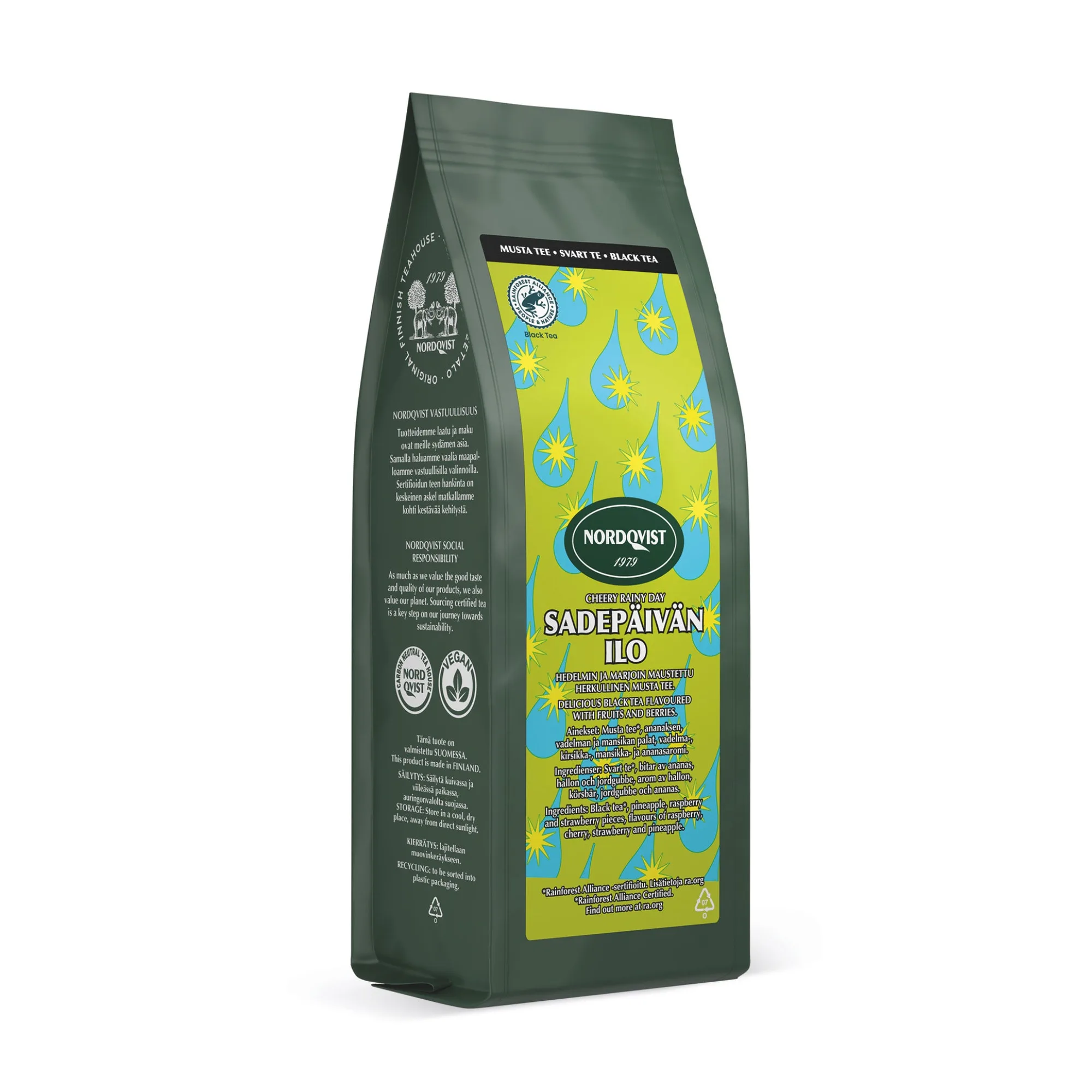
Walking through a tea aisle or browsing an online tea shop can feel overwhelming when every box claims to be the best. But the real story of your tea is hidden in the fine print on the label. Understanding how to read tea labels empowers you to choose teas that match your taste, health goals, and ethical standards.
Whether you are a seasoned tea lover or a curious beginner, this guide will help you decode the key elements on any tea package. From ingredient lists to certifications like organic and fair trade, you will learn exactly what to look for—and what to avoid.
Start with the Ingredient List
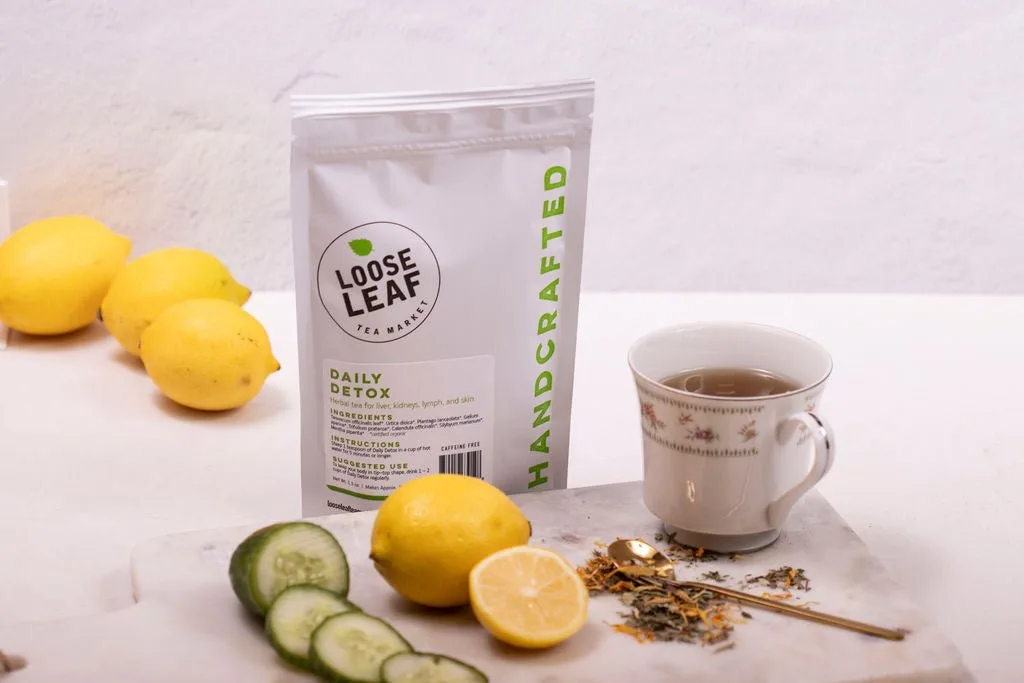
The ingredient list is the most honest part of any tea label. If you see only one ingredient—like Camellia sinensis for true teas or a single herb for herbal blends—you know you are getting a pure product. Many flavored teas, however, add natural or artificial flavors, dried fruits, or spices. Always check if the flavors are natural or synthetic; natural flavors are generally preferred for a cleaner taste.
For tea blends, the ingredients are listed in descending order by weight. If sugar or a sweetener appears near the top, the tea may be more of a dessert drink than a traditional brew. If you are looking for a simple loose leaf experience, consider a product like popcorn tea, which typically contains only green tea and toasted rice. Its minimal ingredient list is a hallmark of quality.
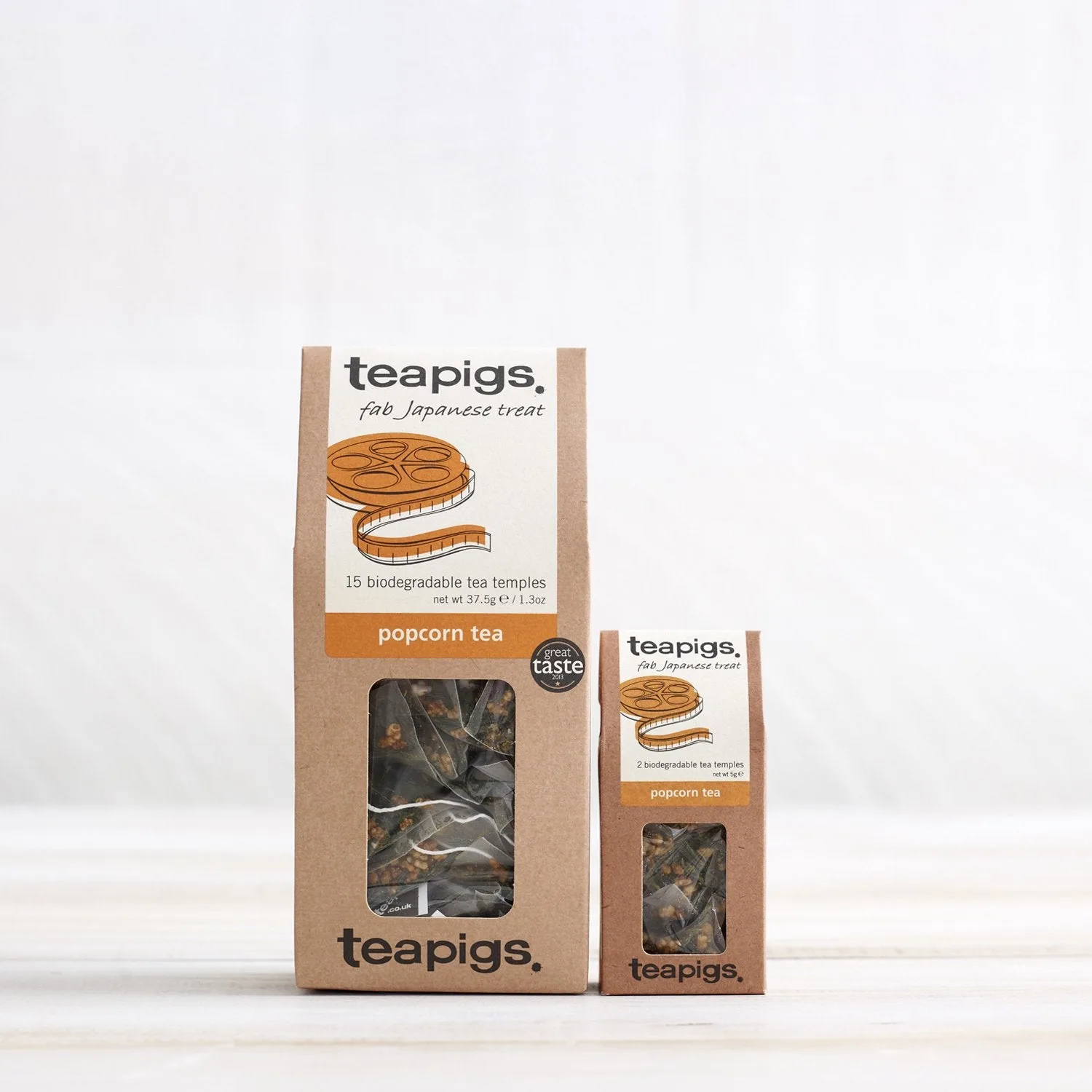
popcorn tea
- Look for whole leaves or large pieces rather than dust or fannings for better flavor.
- Avoid artificial colors or preservatives—quality tea does not need them.
- If a tea is labeled 'naturally flavored,' ensure the flavor source is named (e.g., 'natural bergamot oil' for Earl Grey).
Understanding Certifications: Organic, Fair Trade, and More
Certification logos on tea labels can tell you a lot about how the tea was grown and traded. The most common are organic certifications (like USDA Organic or EU Organic), which guarantee no synthetic pesticides or fertilizers were used. Fair Trade certification ensures that farmers receive fair wages and work under safe conditions. Other seals like Rainforest Alliance focus on environmental and social sustainability.
While certifications add credibility, not all ethical teas carry a logo. Small-scale growers may practice organic farming without paying for certification. If a label lacks a seal but mentions 'grown without chemicals' or 'direct trade,' it may still be a responsible choice. For bulk purchases, such as chai bulk buy, looking for fair trade or organic labels can help you support ethical supply chains while saving money.
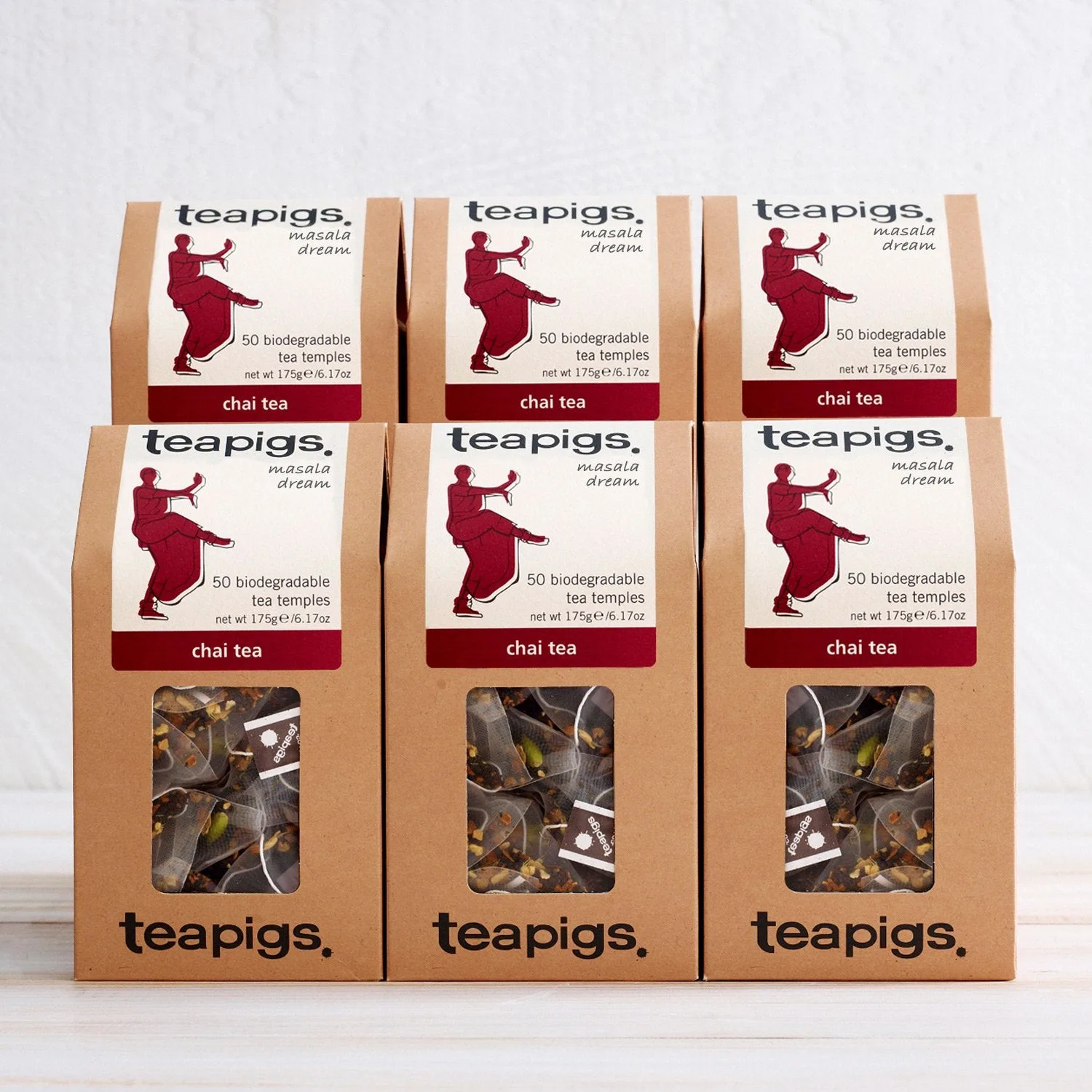
chai bulk buy
- Organic certification is most important for teas you drink daily, as it reduces pesticide exposure.
- Fair Trade certification is especially relevant for black and green teas from large plantations.
- Some brands list the farm or cooperative name—this is a sign of transparency.
Decoding Origin and Harvest Information
The origin of your tea—the country, region, and even the specific garden—affects its flavor profile dramatically. A label that says 'Darjeeling' or 'Assam' tells you more than just geography; it hints at the taste: floral and muscatel for Darjeeling, malty and bold for Assam. Single-origin teas are prized for their distinct character, while blends offer consistency.
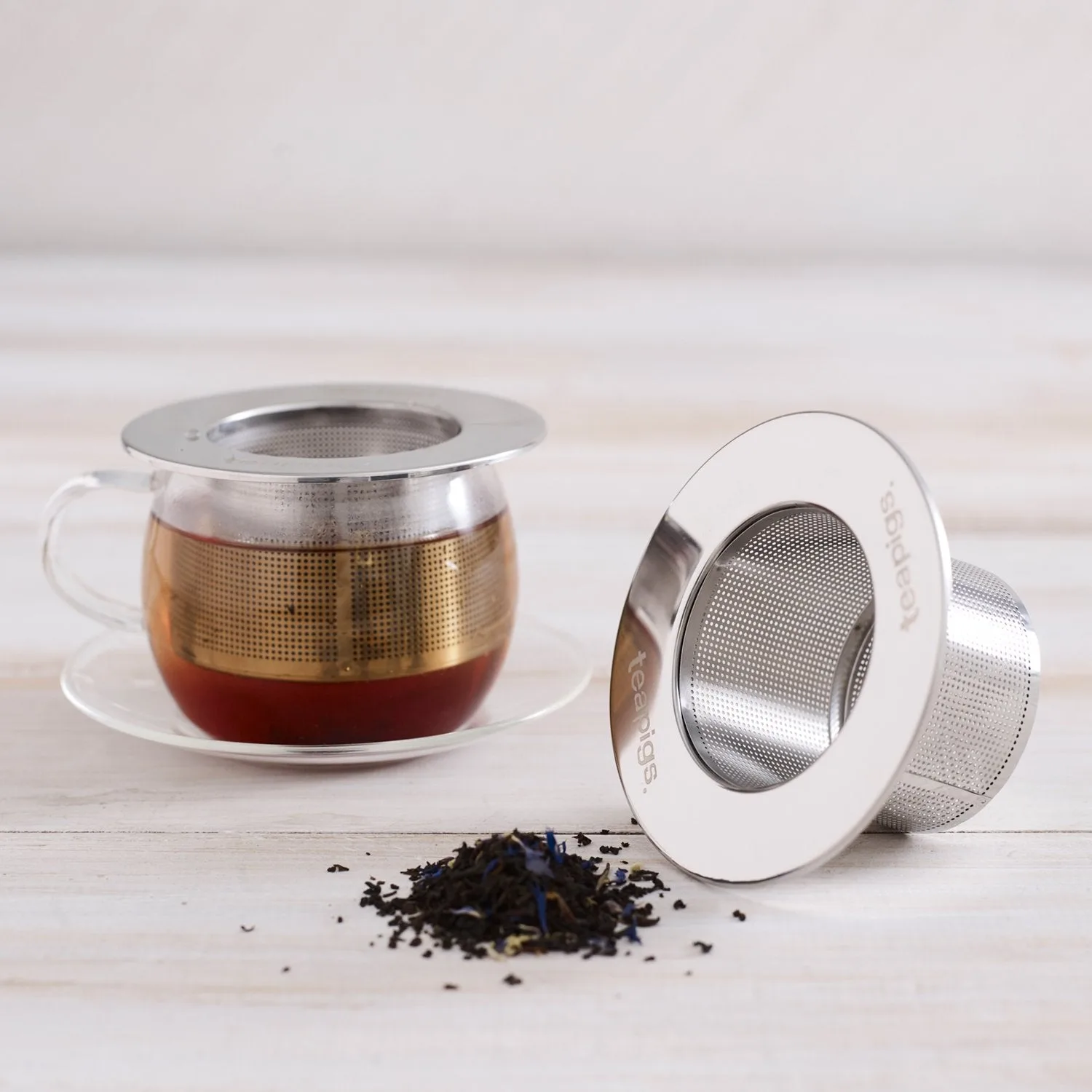
Harvest date or flush (first flush, second flush) is another clue. First flush teas are light and delicate, while second flush teas are richer. If a label includes a harvest year or season, the tea is likely fresher. For green teas, freshness is especially critical. If you are using a tool like a loose leaf tea infuser, fresh leaves will unfurl beautifully and release maximum flavor.
- Look for specific region names (e.g., 'Uji, Japan' for matcha) rather than just 'green tea'.
- Avoid teas without any origin information—this often indicates low-quality commodity tea.
- If the label says 'estate grown,' that tea comes from a single plantation, often with a unique terroir.
What the Label Says About Processing and Form
Tea labels often describe how the leaves were processed: orthodox, CTC (cut, tear, curl), or steamed. Orthodox processing preserves whole leaves and complex flavors, while CTC is used for strong, quick-brewing teas common in tea bags. For herbal and caffeine-free teas, the processing method (dried, roasted, or fermented) also affects taste.
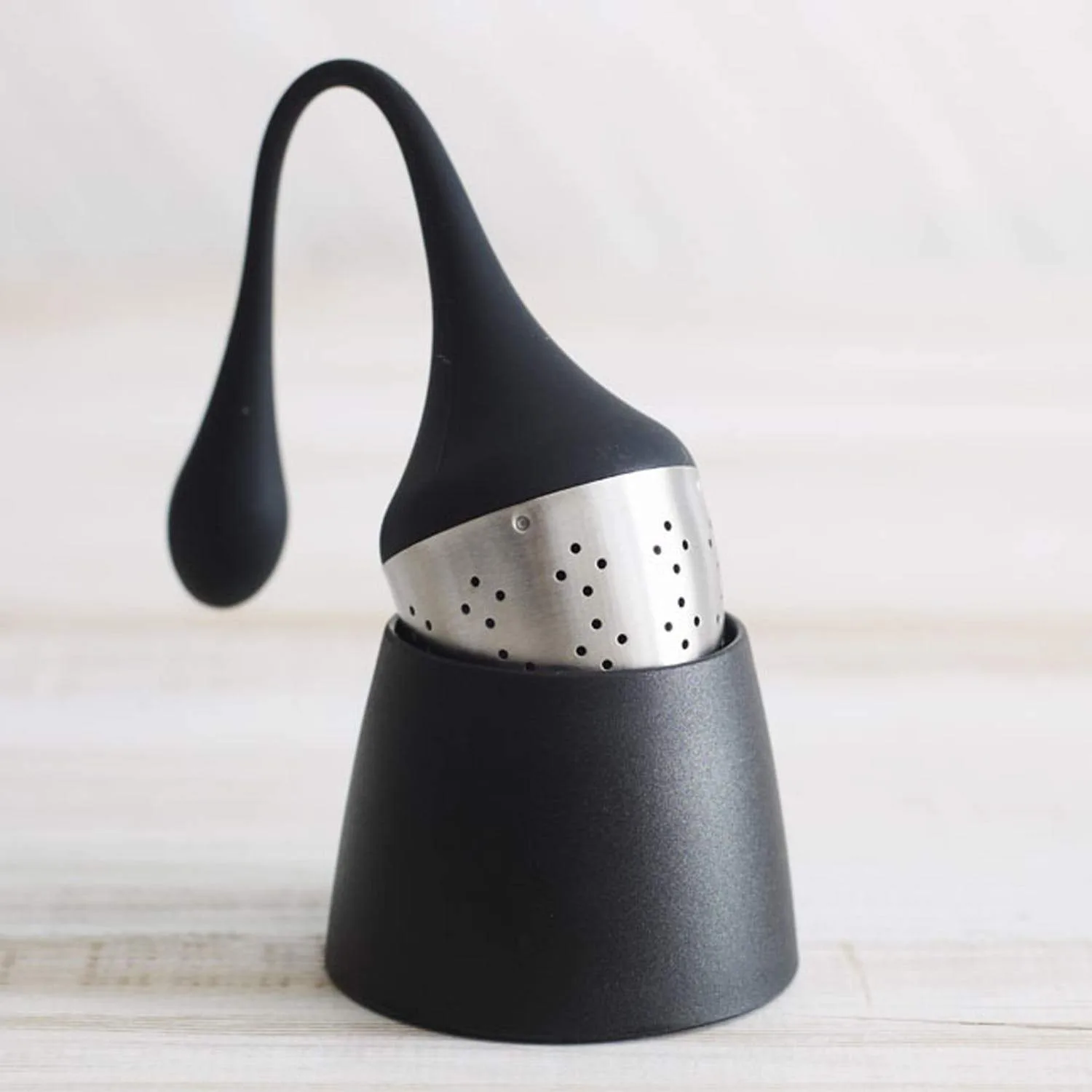
The form of the tea—whole leaf, broken leaf, fannings, or dust—is sometimes indicated. Whole leaf teas generally offer the best flavor and multiple infusions. If you prefer convenience, a hang tea infuser works perfectly with whole leaf teas and allows you to enjoy the full leaf quality without mess.
- Whole leaf or large broken leaf is ideal for loose leaf brewing.
- Dust and fannings are common in mass-market tea bags and brew quickly but lack depth.
- Some labels mention 'hand-rolled' or 'hand-plucked'—these indicate artisanal quality.
Spotting Hidden Additives and Allergens
Many commercial teas contain hidden ingredients like sugar, artificial sweeteners, or even milk powder. If you are watching your sugar intake or have dietary restrictions, always scan the label for 'added sugar,' 'corn syrup,' or 'cream.' Some flavored teas also include nuts or soy lecithin, which can be allergens.
Caffeine content is another important factor. While true teas naturally contain caffeine, some labels indicate 'caffeine-free' if the tea has been decaffeinated (usually via CO2 or ethyl acetate process). Herbal teas are naturally caffeine-free, but blends with yerba mate or guayusa contain caffeine. Always check if you are sensitive.
- If a tea tastes very sweet without added sugar, it may contain licorice root or stevia—check the label.
- Decaffeinated teas may still contain trace amounts (usually 2-5 mg per cup).
- Allergen warnings like 'may contain traces of nuts' are common in facilities that process multiple ingredients.
Reading tea labels doesn't have to be a mystery. By focusing on ingredients, certifications, origin, and processing, you can confidently choose teas that align with your values and taste preferences. Next time you shop, take a moment to flip the package over—your perfect cup starts with what's written there. For a pure and simple green tea experience, try the popcorn tea and taste the difference honest labeling makes.