Quick Answer
To read tea leaves, start by choosing a loose leaf tea with a fine texture and no caffeine, like our Mullein Leaf Tea. Brew it, drink most of the liquid, then swirl the cup and invert it. Interpret the patterns and symbols left in the cup, focusing on the handle as your starting point.
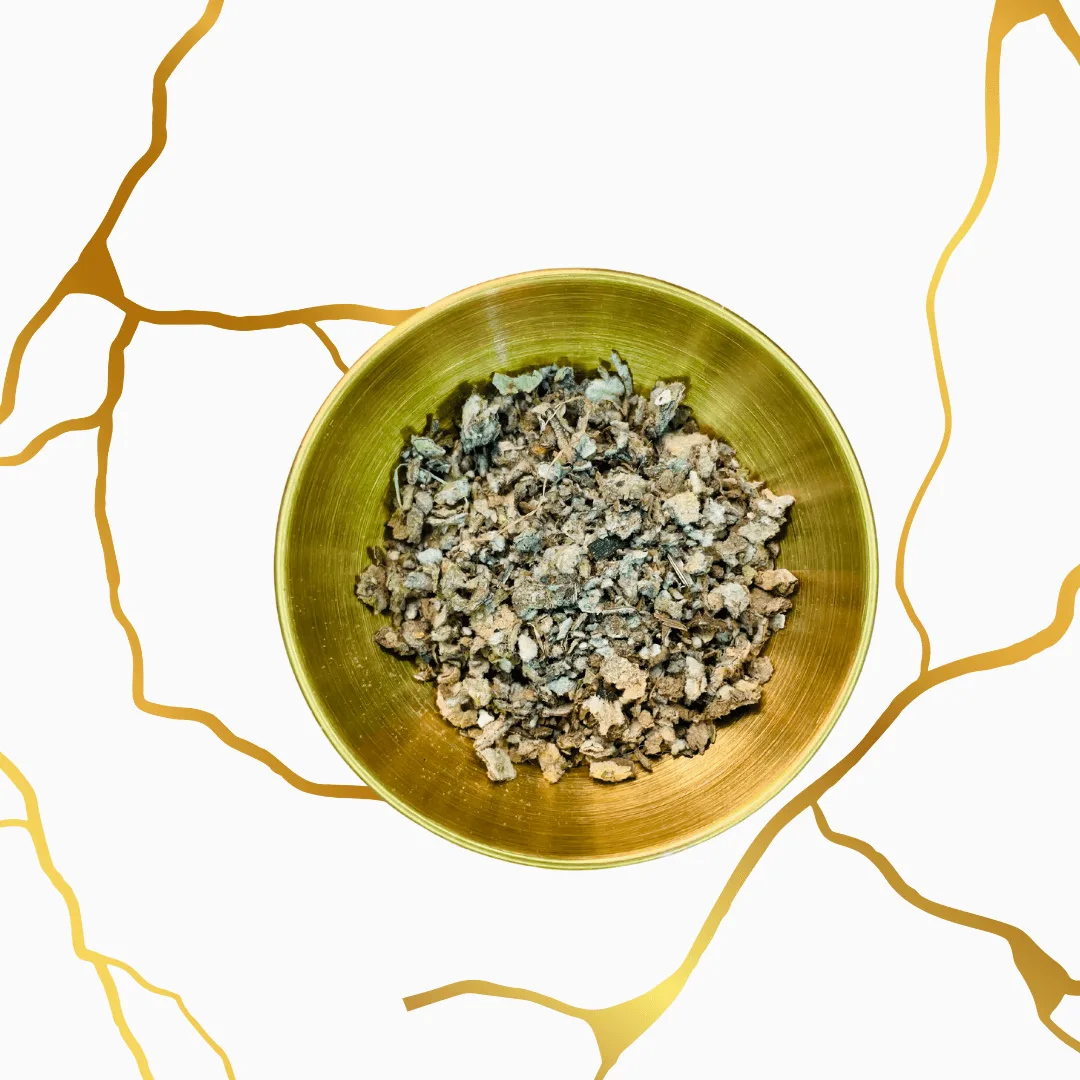
Mullein Leaf Tea
Tea leaf reading, or tasseography, is an ancient practice that turns a simple cup of tea into a moment of reflection and insight. While it's often associated with fortune telling, many people enjoy it as a mindful ritual that encourages intuition and self-discovery.
In this guide, you'll learn the basic steps to read tea leaves, from selecting the right tea to interpreting common symbols. Whether you're a curious beginner or looking to add a new layer to your tea routine, this tea leaf reading guide will help you get started.
Choosing the Right Tea for Tasseography
The type of tea you use matters more than you might think. For clear, readable leaves, opt for a loose leaf tea with a fine, consistent texture. Avoid teas with large chunks of fruit or flowers, as they can obscure the pattern. A simple, caffeine-free herbal tea is ideal because caffeine can make it harder to sit still and focus during your reading.
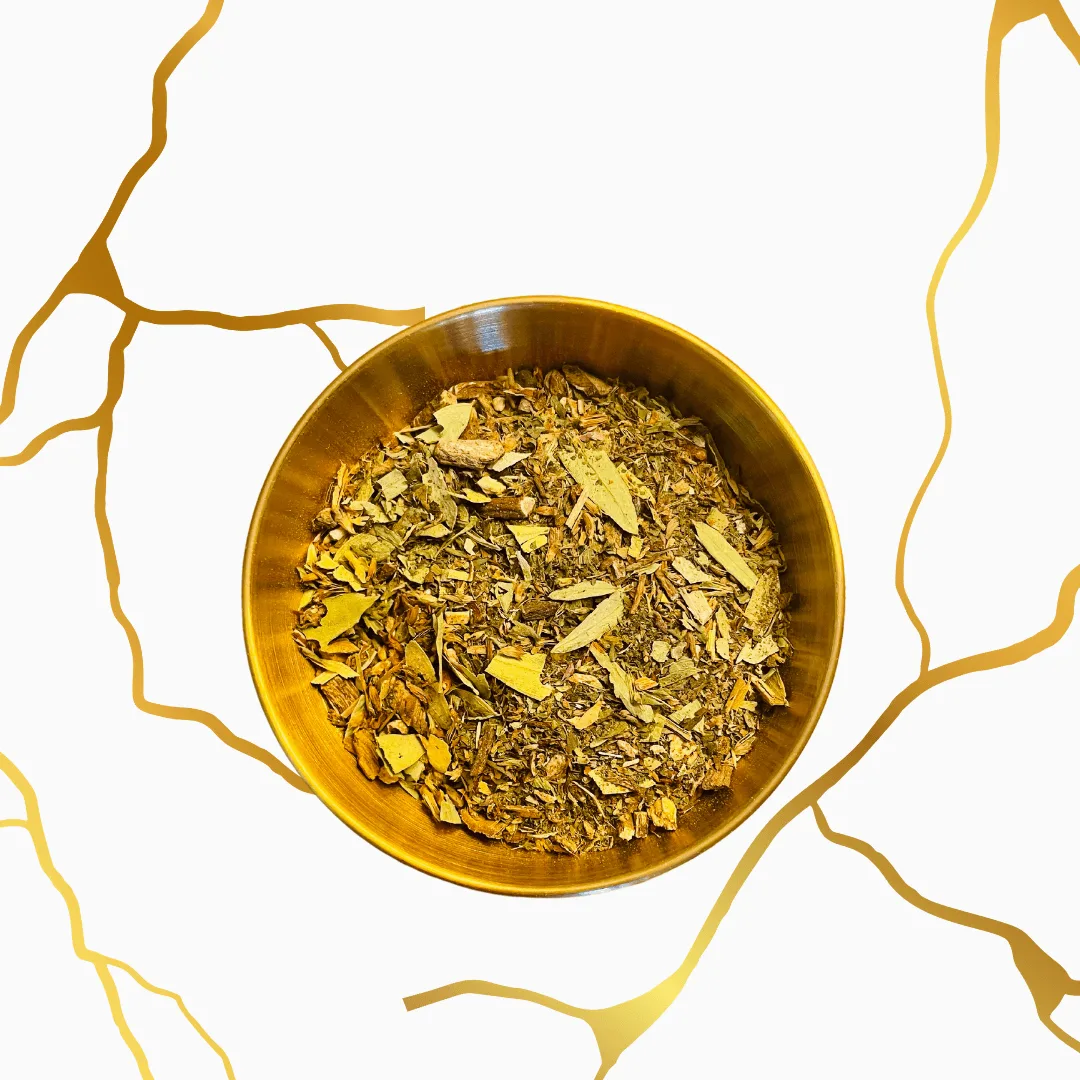
Our Mullein Leaf Tea, with its subtle sweet aroma and bitter undertone, is a great choice. Its finely cut leaves leave a smooth, even layer in the cup, making it easier to spot symbols. Plus, it's caffeine-free, so you can practice in the evening without disrupting your sleep.
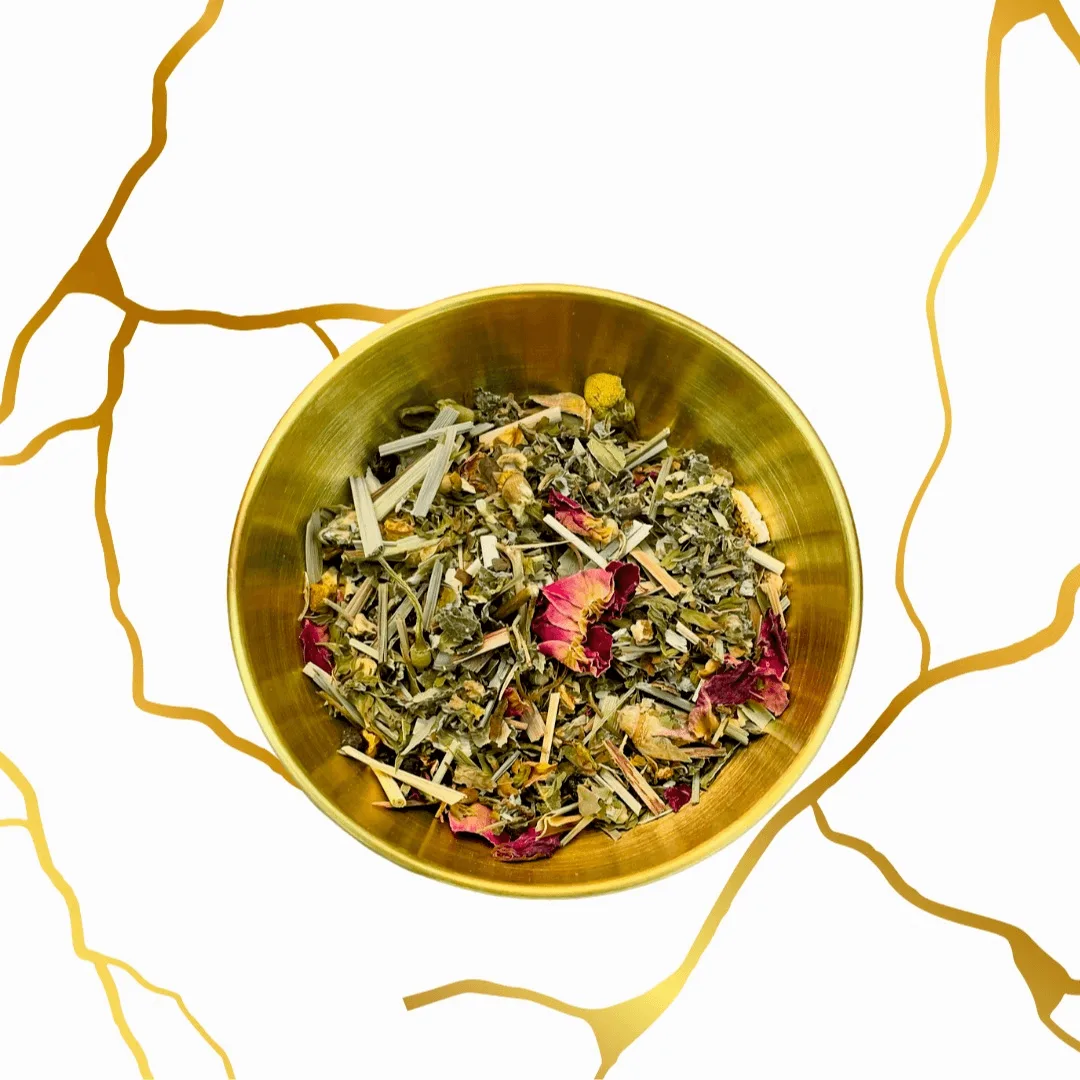
If you prefer a more flavorful option, our Detox Tea (Organic) has a minty flavor with an earthy undertone. Its blend of burdock root, dandelion root, and peppermint leaf creates a distinct sediment that many readers find easy to interpret. Just remember to use loose leaf, not tea bags, for the best results.
- Use a light-colored cup with a wide brim and a plain interior for better visibility.
- Avoid teas with added flavors or large pieces that can clutter the reading surface.
Preparing Your Tea and Cup
To get a good reading, you'll need a cup with a wide, shallow bowl and a handle. White or light-colored cups are best because they make the tea leaves more visible. Avoid cups with patterns or dark interiors that can distract from the symbols.
Place about one teaspoon of loose tea in your cup, then pour hot water over it. Let it steep for three to five minutes, depending on the tea. While you wait, take a few deep breaths and set an intention for your reading. What question or area of your life do you want to explore?
When the tea is ready, drink it slowly, leaving about a teaspoon of liquid at the bottom. Try to finish in one sitting, as this helps create a consistent layer of leaves. If you're using a tea like our Immunity Boost /Stay Well, Be Well Tea, which has a mild flavor and a hint of ginger, you'll enjoy the process without any bitter aftertaste.
- Choose a quiet moment when you won't be interrupted.
- If you're new to tea leaf reading, start with a simple question like 'What should I focus on this week?'
The Swirl and Invert Technique
Once you've finished your tea, hold the cup in your non-dominant hand and focus on your question. Take the cup and swirl it gently three times in a clockwise direction, making sure the liquid and leaves move around the bottom and sides. This distributes the leaves evenly.
Then, quickly invert the cup onto a saucer, allowing the excess liquid to drain. Leave it upside down for about a minute. This step is crucial because it shapes the final pattern of the leaves. If you leave it too long, the leaves may stick and become hard to interpret; too short, and they'll slide around.
After the minute, pick up the cup and turn it right-side up. The leaves will be stuck to the bottom and sides, forming the canvas for your reading. Now, you're ready to interpret what you see.
- Swirl in a clockwise direction for a traditional reading; counterclockwise is sometimes used for negative questions.
- If the leaves are too wet, gently tap the bottom of the cup to release excess moisture.
Interpreting Common Symbols
Interpreting the symbols is the most personal and intuitive part of tea leaf reading. There are many traditional meanings, but your own feelings and associations matter just as much. Start by looking at the overall pattern, then focus on individual shapes.
Common symbols include: a heart represents love or relationships, a circle suggests completion or a cycle, a bird indicates good news, and a mountain may mean a challenge ahead. But these are just starting points. Trust your gut: if a shape reminds you of something specific, that's often the most accurate interpretation.
The position of the symbols also matters. Symbols near the handle relate to your home or immediate environment, while those opposite the handle are more distant. The bottom of the cup often represents the past, the middle the present, and the rim the future.
- Keep a journal of your readings to track patterns and symbols over time.
- Don't overthink it; the best interpretations come from a relaxed mind.
Getting the Most from Your Herbal Tea Reading
Herbal teas offer a unique advantage for tasseography: they are caffeine-free and often have a more robust leaf structure that leaves clearer marks. Our Cinnamon Orange Spice Tea, for example, has a warm, spicy aroma and a robust taste, but it also contains black tea, which has caffeine. For a purely herbal option, try our Liver Cleanse Organic (Tea Bags) – though for reading, you'll want to open the bag and use the loose leaves.
If you're looking for a tea that supports your health while you read, consider our DETOX TEA (Organic). It's designed to gently cleanse and refresh, making it a calming choice for a reflective session. And if you're reading for a friend, our Stress Relief Lazy Daze Tea (Organic) is a soothing blend that can help them relax into the experience.
Remember, the best tea for reading is one you enjoy drinking. If you're not sure where to start, our Mullein Leaf Tea is a versatile choice that works well for both beginners and experienced readers.
- Use a separate cup for reading than your everyday mug to keep the practice special.
- If you're reading for someone else, let them drink the tea and do the swirling.
Your First Tea Leaf Reading: Step-by-Step
- Choose your tea and cup: Select a loose leaf herbal tea, like our Mullein Leaf Tea, and a light-colored cup with a wide brim and handle. Checkpoint: The cup should be plain inside so you can see the leaves clearly.
- Brew and drink with intention: Steep the tea for 3-5 minutes. As you drink, focus on a question or intention. Leave about a teaspoon of liquid at the bottom. Checkpoint: Don't rush; the slower you drink, the more time you have to set your intention.
- Swirl and invert the cup: Swirl the cup three times clockwise, then quickly invert it onto a saucer. Let it drain for exactly one minute. Checkpoint: If you leave it too long, the leaves will stick and become hard to interpret.
- Read the symbols: Turn the cup right-side up and examine the patterns. Start near the handle and work your way around. Note any symbols that stand out. Checkpoint: Trust your intuition; if a shape reminds you of something, that's often the most accurate.
- Record and reflect: Write down your interpretations in a journal, along with the date and your question. Look for patterns over time. Checkpoint: Review past readings to see how your interpretations evolve.
Teas We Recommend for Tasseography
- Mullein Leaf Tea: Provides a very subtle sweet aromatic taste with a bitter undertone. Ingredients: Mullein, Verbascum. Benefits: Mullein may have antiviral and antibacterial properties and may help treat certain respiratory conditions; bronchitis, inflammation, tuberculosis, tonsillitis, pneumonia and asthma. Will assist with the formation of mucus and stimulates the expulsion of phlegm. Size: 1oz. Its finely cut leaves create a smooth, even layer in the cup, making it easier to spot symbols. Plus, it's caffeine-free, so you can practice in the evening without disrupting your sleep.
- Detox Tea (Organic): Detox tea provides a mint flavor with a earthy undertone. This mild tea will jump start your bodies immune system by allowing a gentle and natural cleanse. The unique combination of herbs purifies your mind, body and soul. It is a daily refresher. Caffeine-Free. Ingredients: Organic burdock root, organic dandelion root, organic peppermint leaf, organic red clover blossom, organic licorice root, organic yellowdock. The blend of roots and leaves creates a distinct sediment that many readers find easy to interpret. Its calming, earthy flavor also helps you relax into your reading.
Tea leaf reading is a delightful way to slow down and connect with your intuition. With practice, you'll develop your own style and symbol meanings. Remember, the goal is not to predict the future but to gain insight and clarity. So brew a cup of your favorite herbal tea, and let the leaves guide you.