Quick answer
Read the label in three passes: first the fabric composition, then the care symbols, then the size and fit details. Fabric tells you how the underwear will feel and breathe, care symbols tell you how to wash and dry it without damage, and size details tell you whether the cut matches your body. If a symbol is missing or unclear, treat the garment more gently, not less.
Underwear labels are small, but they carry the information that decides whether a pair feels great for years or loses its shape in a month. Most people glance at the size and cut the tag off. That is a mistake, because the same label also tells you the fiber blend, the maximum wash temperature, and whether the fabric can handle a tumble dryer.
This guide walks through a simple, ordered process for reading any underwear label. It uses real HOM examples so you can see how the details translate into everyday decisions, from a microfiber brief to a cotton boxer brief to a swim trunk. No chemistry degree required.
Start with the fabric composition
The fabric list is the first thing to find, usually printed as percentages. It tells you the base fiber and the stretch fiber. Cotton is breathable and familiar, but it holds moisture. Polyamide and polyester dry faster and keep their color, which is why swimwear and technical underwear often use them. Elastane, sometimes called spandex, is the stretch component; even 5 to 10 percent changes how the garment moves with you.
Read the order of the percentages. The fiber listed first makes up the largest share. A brief that is mostly polyamide with a small amount of elastane will feel smooth and fluid, while a mostly cotton boxer brief will feel more like a classic T-shirt. Neither is better in every situation. Match the fabric to the activity: breathable cotton for cool, dry days, and quick-drying synthetics for heat, travel, or the pool.
- Look for the fiber with the highest percentage first. That is the dominant feel.
- Elastane is the stretch fiber. If it is missing, expect a firmer, less forgiving fit.
- If the label only says 'microfiber' without percentages, treat it as a smooth synthetic blend and wash it cool.
Decode the care symbols in order
Care symbols are standardized pictograms, and they are read left to right in a rough order: wash, bleach, dry, iron, professional care. The washtub with a number is the maximum temperature in Celsius. A washtub with a hand means hand wash only. A triangle means bleach is allowed; a crossed triangle means no bleach. A square with a circle means tumble dry, and a crossed square means do not tumble dry.
The most common mistake is ignoring the dryer symbol. Heat is what kills elastane, so even a garment that survives a warm wash can lose its stretch after a few hot dryer cycles. When in doubt, air dry. It costs nothing and it protects the waistband, the seams, and the color. If a label is missing or worn away, default to cold wash and air dry.
- A washtub with 30 means 30°C, not 30°F. That is a cool wash.
- A crossed-out triangle means no bleach. Do not use oxygen bleach either unless the label allows it.
- A crossed-out square means no tumble dryer. Air dry flat or hang.
Check the sizing and fit information
The size label is not just a letter or number. It often includes the cut name, such as mini brief, trunk, or boxer brief, and sometimes a waist measurement range. That cut name matters more than the letter because brands use different blocks. A medium in a mini brief sits lower and covers less than a medium in a boxer brief. If the label lists a waist range in centimeters or inches, trust that over the letter.
Look for any fit notes, such as 'low rise' or 'wraparound cut.' These are not marketing fluff; they describe how the garment is constructed. A wraparound cut, for example, follows the body more closely than a standard cut. If you are between sizes, the fabric composition helps you decide: a highly stretchy blend can tolerate a snugger size, while a mostly cotton fabric with little elastane will feel tighter and may not relax.
- The cut name is more useful than the letter size. Read both.
- If the label shows a waist range, measure your waist and match it.
- Between sizes with a stretchy fabric? Size down. With a stiff fabric? Size up.
Look for origin, batch, and any special notes
Small print often includes the country of manufacture, a style number, and a batch code. These are not glamorous, but they help you reorder the exact same fit later. The style number is usually the long alphanumeric string on the label. If you find a pair you love, photograph the label before you cut it off. That photo is your shortcut to buying the same model again.
Some labels also carry special notes like 'do not iron print' or 'wash with similar colors.' These are easy to miss but important. A printed waistband or a vinyl-sheen fabric can be damaged by a hot iron even if the base fabric would tolerate it. When a special note appears, it overrides the general symbol for that specific part of the garment.
- Photograph the style number before removing the tag.
- Special notes about prints or trims override the general care symbols.
- If the label is missing entirely, treat the garment as delicate: cold wash, air dry, no bleach.
Your step-by-step label reading routine
- 1. Find the fabric composition: Locate the percentage list. Identify the dominant fiber and the stretch fiber. This tells you how the underwear will feel, breathe, and dry. Checkpoint: if the first fiber is cotton, expect a classic feel and slower drying. If it is polyamide or polyester, expect a smoother, faster-drying feel.
- 2. Read the care symbols left to right: Start with the washtub for temperature, then the triangle for bleach, then the square for drying, then the iron. Note any crossed-out symbol as a hard no. Common mistake: assuming a warm wash is fine because the garment survived once. Heat damage to elastane accumulates over time.
- 3. Check the size and cut name: Read both the letter or number and the cut name (mini brief, trunk, boxer brief). If a waist range is printed, measure yourself and match it. Checkpoint: if you are between sizes, use the fabric stretch to decide. More elastane means you can size down comfortably.
- 4. Note special instructions and style number: Look for notes about prints, trims, or washing with similar colors. Write down or photograph the style number before cutting the tag. Next step: keep that photo in your phone so you can reorder the exact same fit without guessing.
- 5. When in doubt, wash cool and air dry: If a symbol is missing or the label is unreadable, default to the gentlest method: cold water, mild detergent, no bleach, no dryer. This one habit prevents most of the damage that makes underwear lose its shape, color, and stretch.
How HOM labels translate into real care
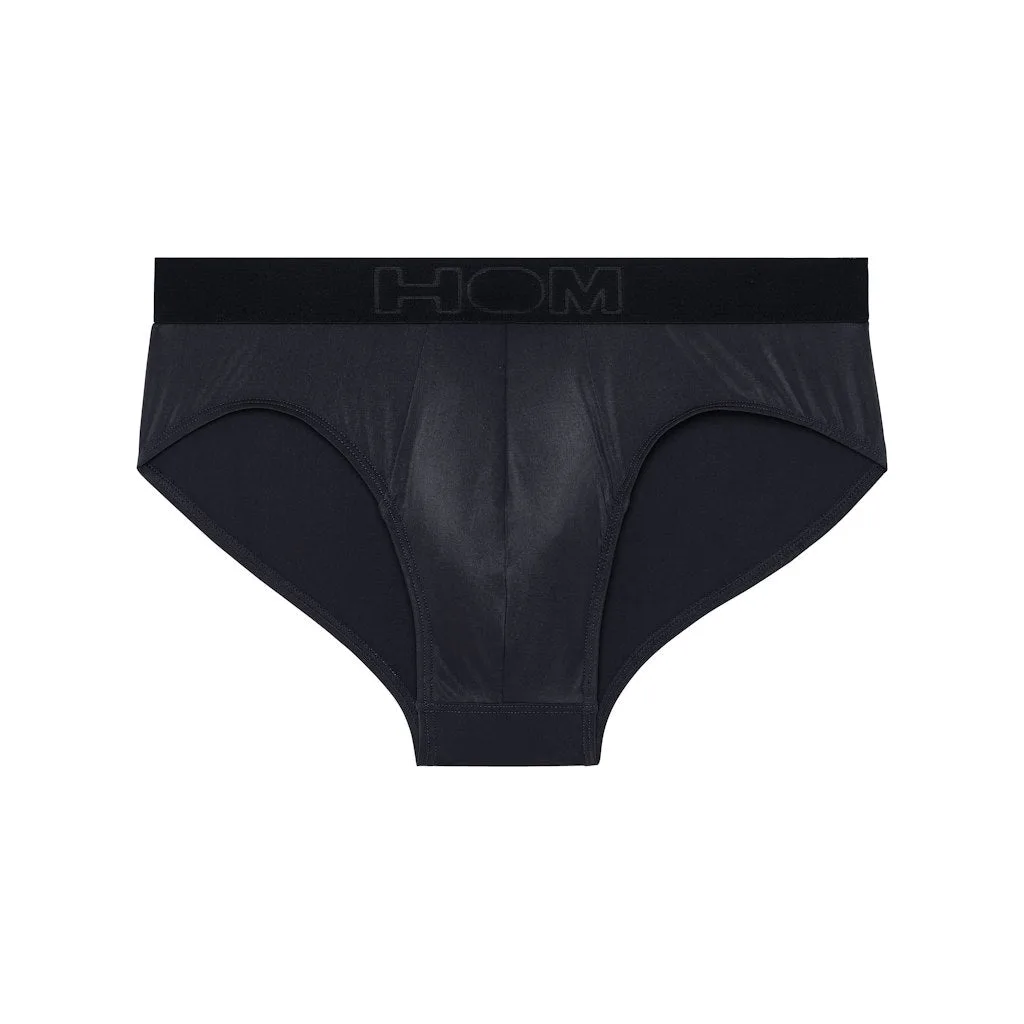
- Supersoft Mini Briefs | Black 403105-0004: Designed to offer excellent comfort, the SUPERSOFT microfiber briefs feature a soft, fluid, breathable fabric, a wraparound cut and invisible interior trim. The microfiber blend and wraparound cut mean the label will likely show a synthetic fiber first and a small amount of elastane. Wash cool and air dry to keep the fluid feel and the trim intact.
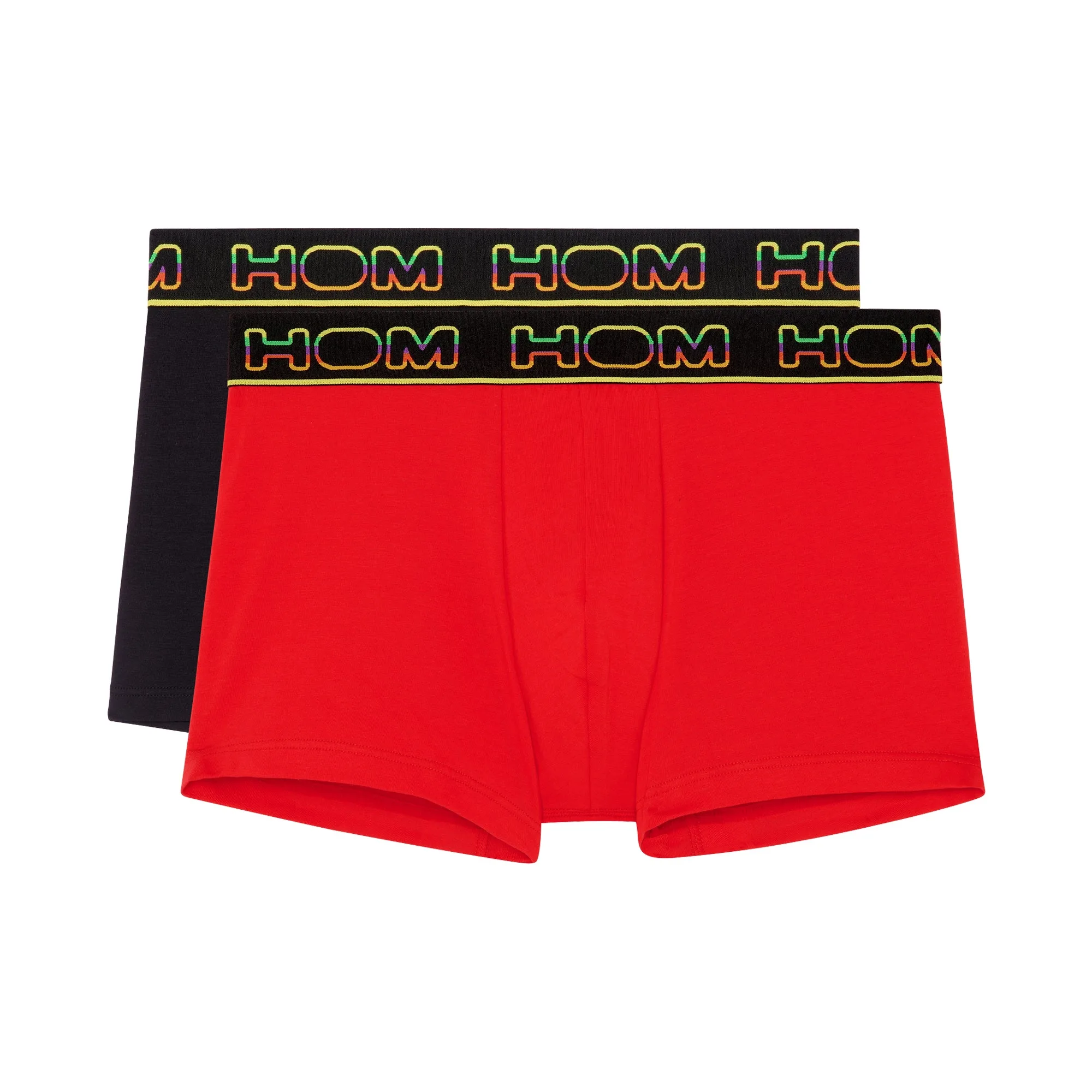
- Ivano #2 Boxer Briefs 2-Pack | Black/Red 402664-D006: IVANO #2 is a set of two boxer briefs, plain red and black with a rainbow stretch waistband. These boxer briefs are made in stretch combed cotton fabric by HOM. Stretch combed cotton is breathable but slower to dry. Expect a care label that allows a cool wash and probably a low tumble dry. Air drying protects the stretch waistband and the color of both pairs.
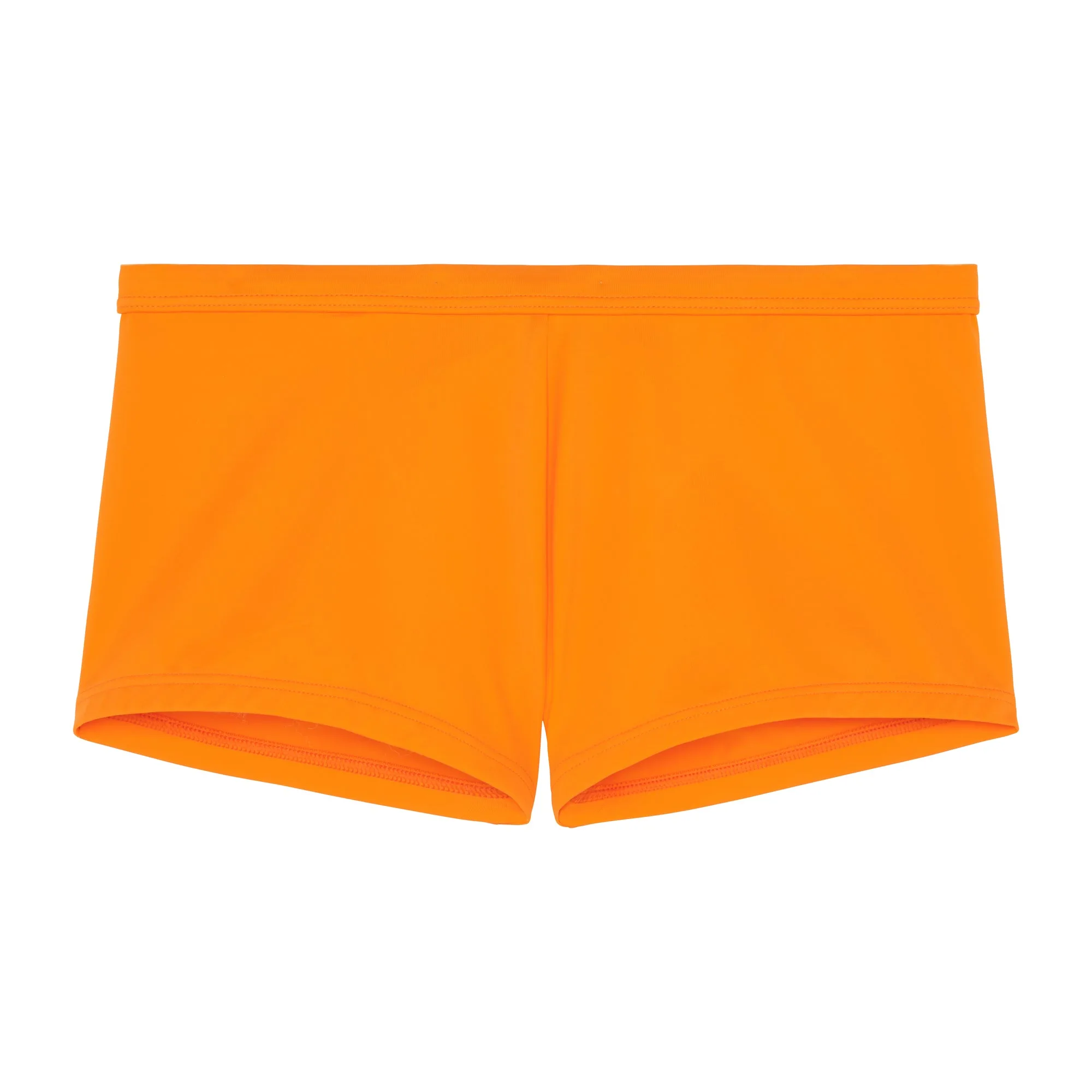
- Sea Life Swim Shorts | Orange 402535-1035: This swimsuit is made of polyamide elastane, which does not crease and maintains the intensity of colors. Polyamide and elastane are sensitive to heat and chlorine. Rinse after swimming, wash cool, and skip the dryer to keep the orange bright and the fabric crease-free.
Reading an underwear label takes about thirty seconds, and it pays you back every time you do laundry. Start with the fabric, decode the care symbols, confirm the cut and size, and note any special instructions. If you ever get stuck, cold wash and air dry is the safe default. Your waistband will thank you.