Quick answer
To reapply sunscreen over makeup without ruining it, use a mineral sunscreen stick for precise areas, a fine mist spray for all-over coverage, or an SPF powder for a matte finish. Always pat, don't rub, and let each layer dry before applying the next.
Why reapplication matters more than you think
Sunscreen isn't a one-and-done step, especially if you're wearing makeup. UV filters break down over time, and sweat or oil can reduce protection. The American Academy of Dermatology recommends reapplying every two hours, or immediately after swimming or sweating. If you're indoors near windows or commuting, you still get incidental UV exposure. The challenge is doing it without turning your carefully applied foundation into a streaky mess. The solution is choosing the right format and technique for touch-ups.
Pick the right format for your makeup style
Not all sunscreens are created equal when it comes to layering over makeup. Lotions and creams are great for your initial morning application, but they can disrupt foundation when reapplied. Instead, reach for a stick, spray, or powder. A mineral sunscreen stick for face is ideal for targeted areas like cheeks, nose, and forehead. It glides on without needing fingers, so you don't drag your base. A sunscreen spray over makeup works well for a quick all-over refresh, provided you mist it finely and let it dry. An SPF powder over makeup is perfect for mattifying and adding a layer of protection without any wetness. Each has trade-offs: sticks can tug if your skin is dry, sprays can miss spots if you're not careful, and powders may not give you the full SPF listed on the label unless you apply enough. The key is to use them as a supplement, not a replacement for your initial sunscreen.
Step-by-step: How to touch up SPF during the day
Follow these steps to keep your makeup intact while staying protected.
- Step 1: Blot away excess oil and sweat. Use a blotting paper or a clean tissue to gently press on your T-zone and any shiny areas. This removes surface grime so your sunscreen can adhere properly. Mistake to avoid: rubbing, which can smear your foundation.
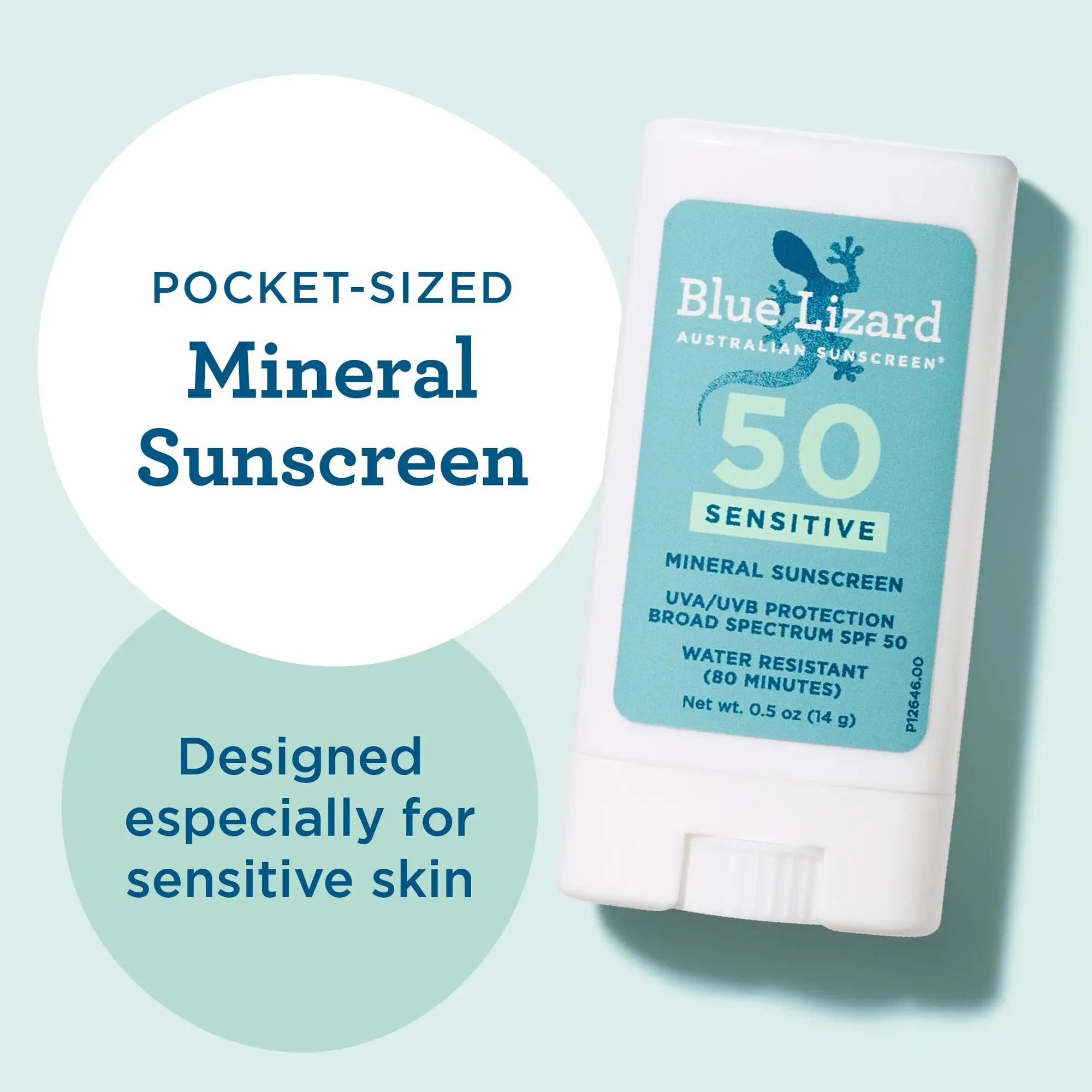
- Step 2: Start with a mineral sunscreen stick for precise coverage. Twist up a stick like Blue Lizard Sensitive Mineral SPF 50 Sunscreen Stick and swipe it directly onto high-exposure areas: cheekbones, nose, forehead, and chin. Then use your fingertips or a makeup sponge to pat—not rub—the product into your skin. Checkpoint: make sure you cover your ears and hairline, common missed spots.
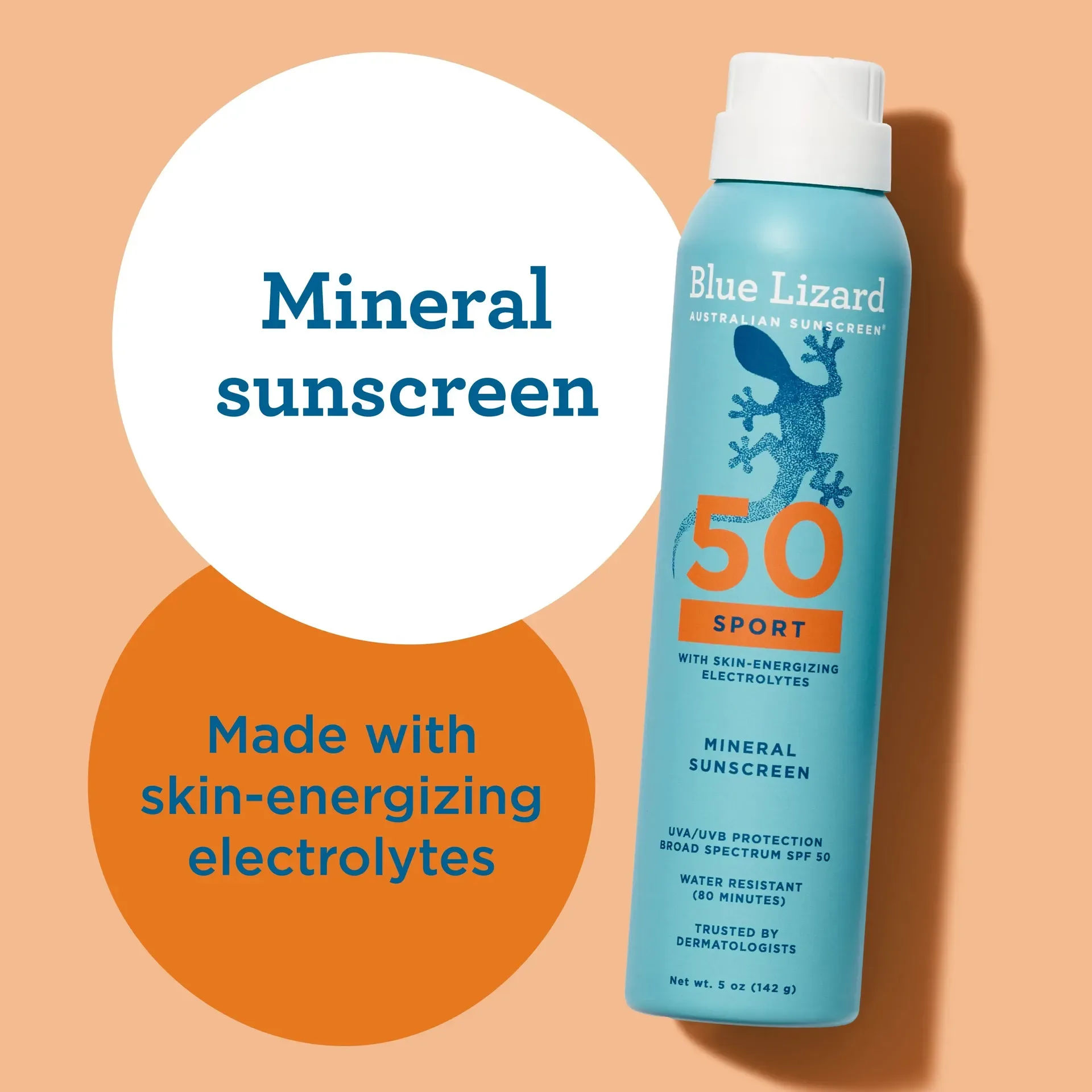
- Step 3: Use a sunscreen spray for an all-over refresh. Hold the nozzle about 6-8 inches from your face and mist in a zigzag pattern, keeping your eyes and mouth closed. Let it dry for a minute before touching your face. Mistake to avoid: spraying too close, which can create wet spots that break down makeup. If you're using Blue Lizard Sensitive Mineral SPF 50 Spray, it dries clear and contains soothing organic aloe, making it a gentle option for sensitive skin.
- Step 4: Set with an SPF powder if you want extra matte protection. Use a large, fluffy brush to dust a mineral SPF powder over your entire face, focusing on the T-zone. This also helps blend any stick or spray residue. Checkpoint: don't rely on powder alone for extended sun exposure—it's best for touch-ups, not primary protection.
- Step 5: Reapply every two hours. Set a timer on your phone if you're outdoors or near a window. If you're swimming or sweating heavily, reapply immediately after towel-drying.
Common mistakes to avoid when reapplying over makeup
Even with the right products, technique matters. Here are pitfalls that can ruin your look or leave you unprotected. First, don't rub—always pat or press. Rubbing disrupts the foundation underneath and can cause pilling. Second, don't skip your neck and ears. These areas are vulnerable and often neglected. Third, don't use a chemical sunscreen spray if you have sensitive skin; mineral formulas are less likely to irritate. Fourth, don't assume your makeup's SPF is enough. The SPF in foundation is typically low and only applies if you use a thick, even layer—which most people don't. Finally, don't forget to wash your hands after applying a stick or cream to avoid transferring sunscreen to your clothes or eyes.
Your reapplication routine at a glance
- Blot first: Press a blotting paper or tissue on oily areas to remove sweat and oil without smearing makeup. Checkpoint: skin should look matte, not shiny, before you apply sunscreen.
- Stick for precision: Swipe a mineral sunscreen stick on cheeks, nose, forehead, and chin, then pat with a sponge to blend. Mistake to avoid: dragging the stick across your face, which can pull at foundation.
- Spray for all-over: Mist a mineral sunscreen spray 6-8 inches from your face in a zigzag pattern, then let it dry. Checkpoint: ensure even coverage by misting again if you missed spots.
- Powder to set: Dust an SPF powder over your face with a fluffy brush to mattify and add a layer of protection. Mistake to avoid: using powder as your only sunscreen for extended outdoor time.
- Repeat every 2 hours: Set a reminder to reapply, especially if you're outdoors or near windows. Checkpoint: after swimming or heavy sweating, reapply immediately.
Products that make reapplication easier
- Blue Lizard Sensitive Mineral SPF 50 Sunscreen Stick: Blue Lizard Sensitive Mineral SPF 50 Sunscreen Stick is a Zinc Oxide-based SPF 50+ formula that glides on easily, rubs in clear, and dries smooth. Its stick format allows precise application over makeup without needing to squeeze or pump, and it's small enough to carry in a purse or pocket for touch-ups.
- Blue Lizard Sensitive Mineral SPF 50 Spray: Blue Lizard Sensitive Mineral SPF 50 Spray is developed for sensitive skin, dries clear, and is enriched with soothing organic Aloe. The fine mist can be sprayed over makeup without disturbing it, and the aloe content helps calm skin, making it suitable for midday refresh.