Quick answer
Most underwire bra discomfort comes from a band that is too loose, cups that are too small or shallow, or wires that sit on breast tissue instead of behind it. Fix the band first, then check cup depth and wire position. If the wire still digs after those corrections, switch to a wire-free shaping bra with moulded or patented cup support so you keep lift without the pressure line.
Underwire bra discomfort rarely means underwires are the problem. It usually means the wire is doing a job the band and cups should be doing — and pressing into your ribs or breast tissue as a result. That is good news, because it means most of the fix is a fit adjustment, not a new wardrobe.
This guide separates the symptom you feel from the cause behind it, gives you a corrective action for each, and tells you when to stop adjusting and choose a wire-free option instead. It covers underwire digging in, bra wire poking, and the point where a comfortable underwire bra is simply the wrong tool for your day.
Start with the band, not the wire
A band that rides up in back shifts the wire forward and down, so it presses into the ribcage or the underside of the bust. Check the band height: it should sit level all the way around. If it climbs, go down a band size and up a cup size to keep the same volume. This one change resolves a large share of underwire bra discomfort because the band, not the wire, is meant to carry most of the support.
Fasten the band on the loosest hook when the bra is new. That gives you room to tighten it as the elastic relaxes over time. If you are already on the tightest hook and the band still moves, the bra is worn out or the wrong size — tightening further only pulls the wire harder into your ribs.
- Band level in back, snug enough that you can fit two fingers under it
- New bras start on the loosest hook so they can be tightened later
- If the band lifts when you raise your arms, size down in the band
Check cup depth and wire position
When the cup is too shallow or too small, breast tissue spills over the top or pushes the wire down onto the ribcage. The wire should sit flat against your ribcage, tracing the natural fold under the bust — not on top of breast tissue and not floating away from the body. If the center panel does not lie flat, the cups are too small or too shallow for your shape.
Wire width matters too. A wire that is too narrow sits on tissue at the sides; one that is too wide extends past the fold and rubs the arm. If the wire leaves red marks that fade within an hour, that is normal pressure. Marks that stay, sting, or itch mean the wire is in the wrong place, not that you are sensitive.
- Center panel flat against the sternum, not lifted away
- Wire follows the fold under the bust, not the breast itself
- Marks that fade quickly are fine; lasting pain is a fit signal
Adjust how you wear and care for the bra
Even a well-fitted underwire can dig if the straps are over-tightened to compensate for a loose band. Loosen the straps until they stay put without pulling the cups upward. Also check that the wire is not bent: wires distort in the wash, and a bent wire creates a pressure point that no sizing change will fix. Hand wash or use a lingerie bag, and never twist the cups.
Rotate your bras so no single one is worn two days in a row. Elastic needs a rest day to recover, and a band that never recovers starts shifting the wire forward again. If a bra has been washed and worn for a year or more and suddenly digs, the elastic has likely given out rather than your body changing.
- Loosen straps before deciding the bra is too small
- Hand wash or bag-wash to keep wires from bending
- Rotate bras daily so the band elastic recovers
When to stop adjusting and go wire-free
If you have corrected the band, checked cup depth, confirmed wire position, and the wire still digs, pokes, or leaves lasting marks, stop adjusting. Some ribcages and some bust shapes simply sit better without a wire, and continuing to force an underwire is how people end up believing support has to hurt. It does not.
Modern wire-free shaping bras use moulded cups, power net, and patented cup construction to lift and define without a wire. They will not feel identical to an underwire — you trade a firmer, more rigid lift for a lighter, more flexible one — but for many people that trade is exactly what makes a bra wearable all day. If your discomfort is positional and constant, this is the right move rather than another size exchange.
- Stop adjusting once band, cup, and wire position all check out
- Choose wire-free when pain is constant rather than occasional
- Expect a softer lift, not a weaker one, from moulded wire-free cups
Diagnose your underwire discomfort
- Band rides up in back, wire presses low on the ribs: The band is too loose and the wire has shifted forward to take the load. Size down in the band and up in the cup, and fasten on the loosest hook. If the band sits level after this change, you have solved it.
- Wire sits on breast tissue or the center panel floats: The cup is too small or too shallow. Go up a cup size, or look for a deeper cup shape if the volume is already right. Wire should trace the fold under the bust, not the breast itself.
- Red marks that sting, itch, or last for hours: The wire is positioned on tissue or the wire is bent. Check wire shape first, then cup width; a distorted wire cannot be fixed by sizing. Marks that fade within an hour are normal; lasting pain is not.
- Pain continues after band, cup, and wire all check out: Your shape or ribcage may simply suit a wire-free bra better. Switch to a moulded or patented-cup wire-free shaping bra instead of exchanging sizes again. Stop adjusting here — choose another option rather than forcing the wire.
Wire-free options that keep shaping
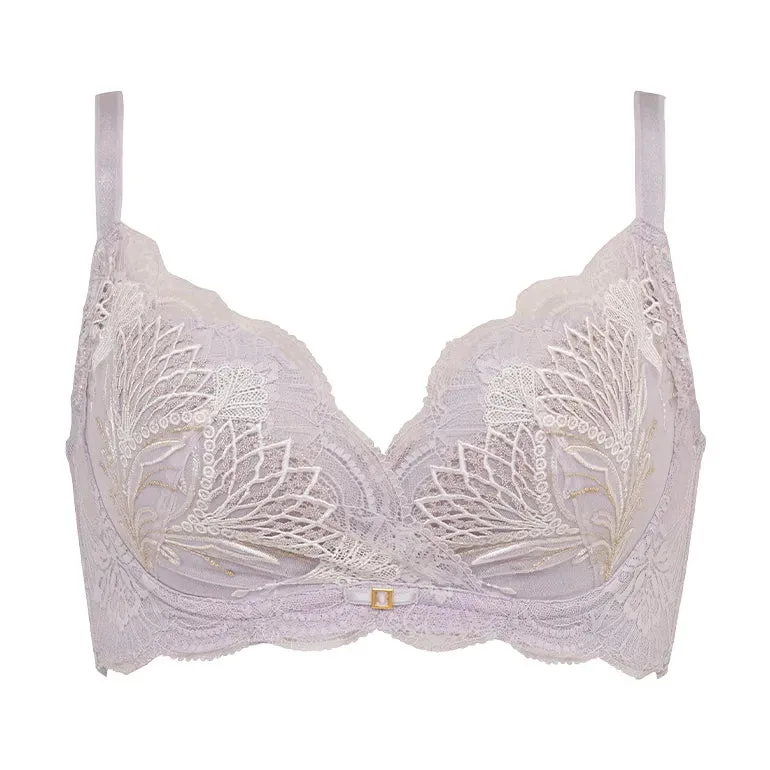
- Lacy Cool Wireless Shaping Bra 26S1: Combines highly breathable lace with power net and ultra-thin moulded cups for a featherlight feel while still shaping the bust. A good first wire-free choice if your discomfort comes from heat, pressure, or a heavy cup, since the breathable build reduces the sweaty, pressing feel that makes wires unbearable.
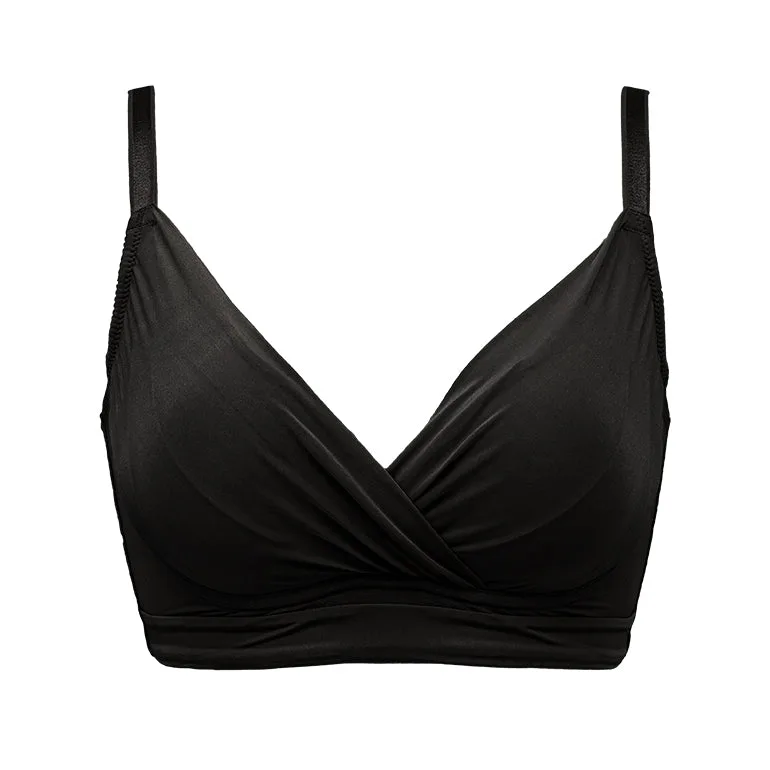
- Seamless Push-Up Wireless Shaping Bra: Heart Cup style wireless bra with patented technology that lifts the bust in three directions, a 100% cotton lining, and an included Lift-Up Pad; it comes in basic colors and works as a T-shirt bra. Useful when you want the lift of an underwire without the wire, and the cotton lining suits anyone whose skin reacts to the pressure and friction of a wire edge.
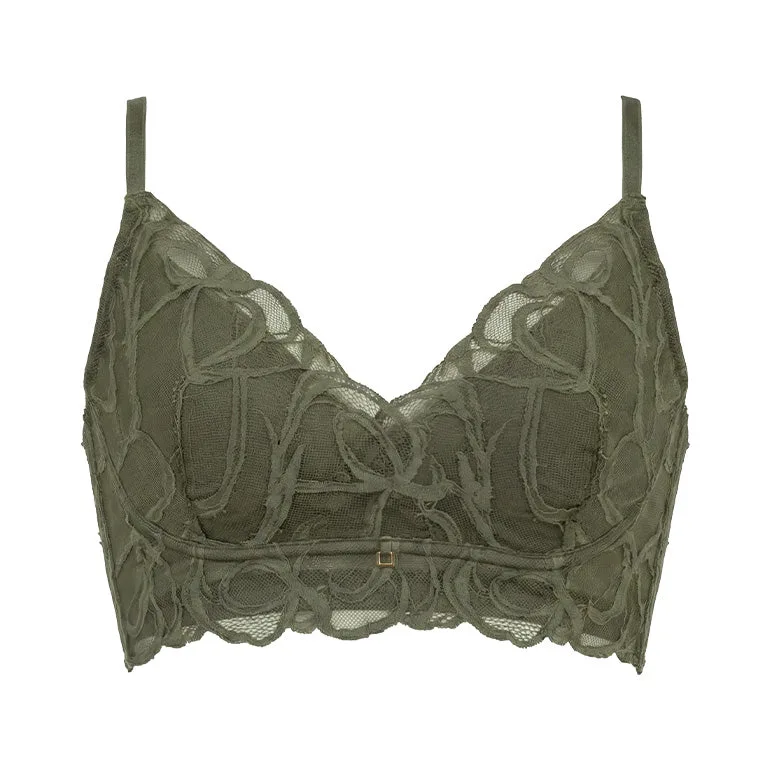
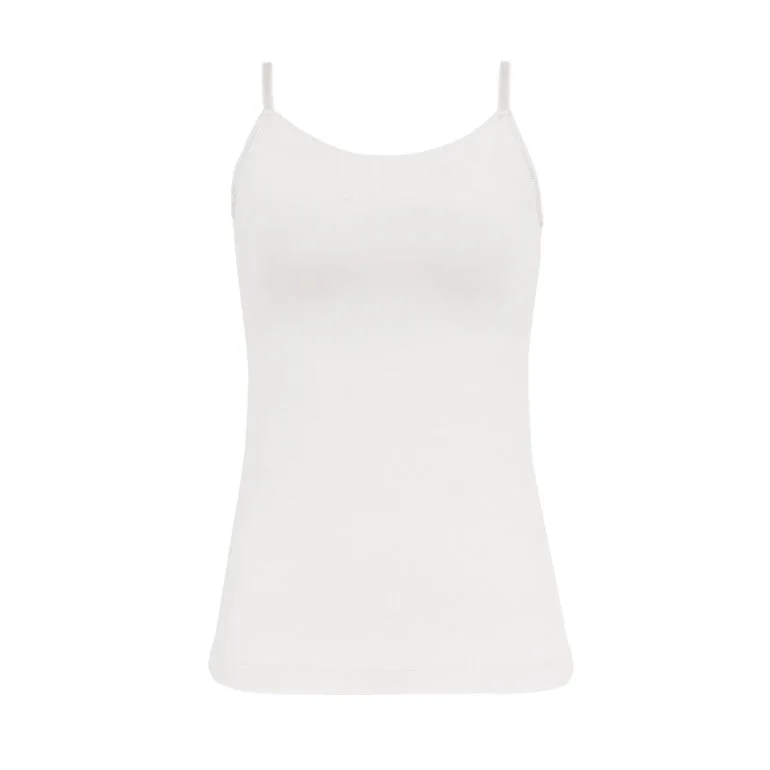
- Light Comfort Shaping Bra Camisole: A wireless bra cami with a built-in original Catcher Cup (Patent No. 6253777) and nylon cotton bare fabric for lightweight, comfortable wear. A practical layer for days when a bra band alone digs, because the camisole spreads pressure across the torso instead of concentrating it at the underbust.
Underwire discomfort is usually a fit message, not a verdict on wires. Fix the band, confirm cup depth and wire position, and care for the bra so the wire stays true. If it still digs after all of that, a wire-free shaping bra is the honest answer — you give up a little rigidity and keep the lift.