Quick answer
Buy a refill pouch instead of a new tin, move the tablets into a dry container you already own, and keep moisture out. Chewtab refills are designed for your existing Chewtab system, so you never need to rebuy the hardware. The whole routine takes about a minute.
Why refilling beats rebuying
A refill is the same tablet in less packaging. That is the entire point of a refillable toothpaste tablet system: you keep the tin, jar, or bottle and only replace what you use. This cuts the plastic that would otherwise come with every new container.
It also saves money. Refill packs are usually priced below the original container, so the second purchase costs less than the first. If you already own a Chewtab tin, a refill keeps it in service instead of sending it to a drawer.
What you need before you start
You need three things: your empty or nearly empty Chewtab container, a refill pack, and a dry spot to work. A clean, dry counter is enough. Do not refill over a sink or a wet bathroom counter, because stray water is the main enemy of toothpaste tablets.
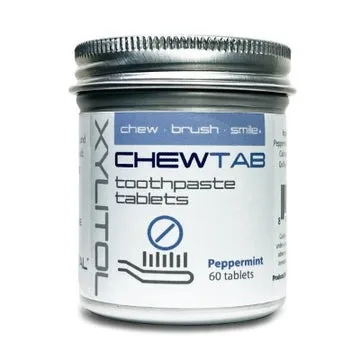
toothpaste tablets
If your current container is damp inside, let it air-dry completely before adding new tablets. A quick wipe with a dry cloth works. Skip the rinse step unless you plan to wait for full drying.
How to store toothpaste tablets so they stay fresh
Toothpaste tablets are pressed powder. Moisture makes them soften, clump, or crumble before you can chew them. Store them in a closed container away from the shower spray, and keep the lid on between uses.
A bathroom cabinet is fine. A shelf directly next to the shower is not. If you travel, use a small dry container rather than a damp toiletry bag. The same rule applies to any refill you decant: dry container, dry hands, closed lid.
How NHAp tablets fit a zero waste routine
Nano hydroxyapatite, or NHAp, is a fluoride-free option some people choose for everyday cleaning. If you are building a zero waste toothpaste routine, NHAp tablets let you keep the same refill format while changing the active ingredients.
The refill format matters as much as the formula. A tablet you can refill in your own container produces less waste than a tube you throw away every few weeks. That is the practical case for refillable toothpaste tablets, regardless of which formula you pick.
Common refill mistakes to avoid
The biggest mistake is pouring refills into a wet tin. The second is leaving the pouch open in a humid bathroom. The third is storing tablets loose in a bag where they rub together and break down.
A less obvious mistake is overfilling. If you cram tablets to the rim, the lid presses on them and creates crumbs. Fill to about three-quarters and leave room for the lid to close cleanly.
Refill steps that keep tablets dry and waste low
- Empty and dry your container: Use up the last tablets, then wipe the inside with a dry cloth. Let it sit open until you are sure no moisture remains. Checkpoint: if you can feel dampness, wait longer. A wet tin ruins a whole refill.
- Open the refill pack over a dry surface: Tear or open the pouch on a dry counter, not over the sink. Keep the opening facing up so tablets do not spill. Common mistake: opening the pack with wet hands after brushing.
- Pour tablets in and stop at three-quarters: Fill the container loosely. Do not pack or shake them down. Leave space so the lid closes without crushing the tablets. Checkpoint: the lid should close with no resistance.
- Close the lid and store away from water: Put the container in a cabinet or on a shelf away from the shower. Keep the lid on between uses. Common mistake: leaving the tin open on a wet bathroom counter.
- Keep the refill pouch sealed for travel: If you have leftover tablets, seal the pouch and store it dry. Use a small dry container for trips rather than a damp toiletry bag. Next step: note how long the refill lasts so you can reorder before you run out.
Refill options that fit this routine
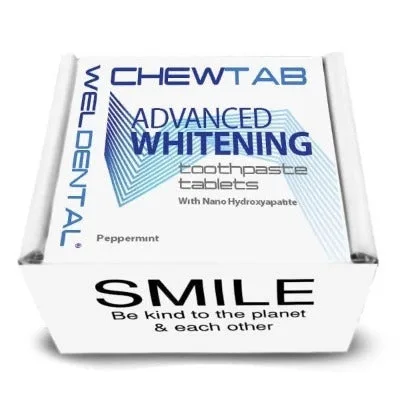
- Chewtab Toothpaste Tablets NHAP Refill: Chewtab Toothpaste Tablets NHAP Refill is a refill pack designed for use with your existing Chewtab system. You keep your current tin and only replace the tablets, which is the lowest-waste way to restock.
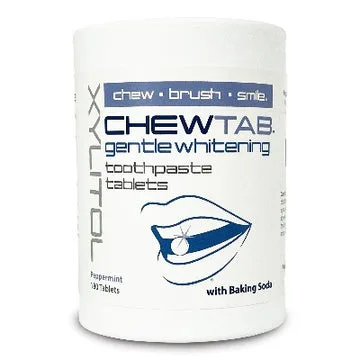
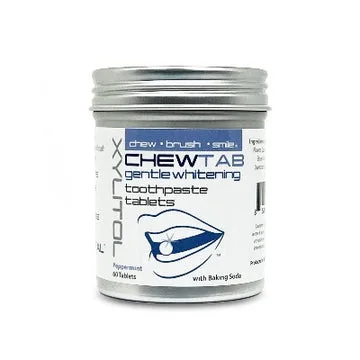
- Chewtab Gentle Whitening Toothpaste Tablets Refill: Chewtab Gentle Whitening Toothpaste Tablets Refill is SLS-free, fluoride-free, and uses baking soda to gently whiten. A refill option for people who want a gentler formula without changing their container or routine.