Quick answer
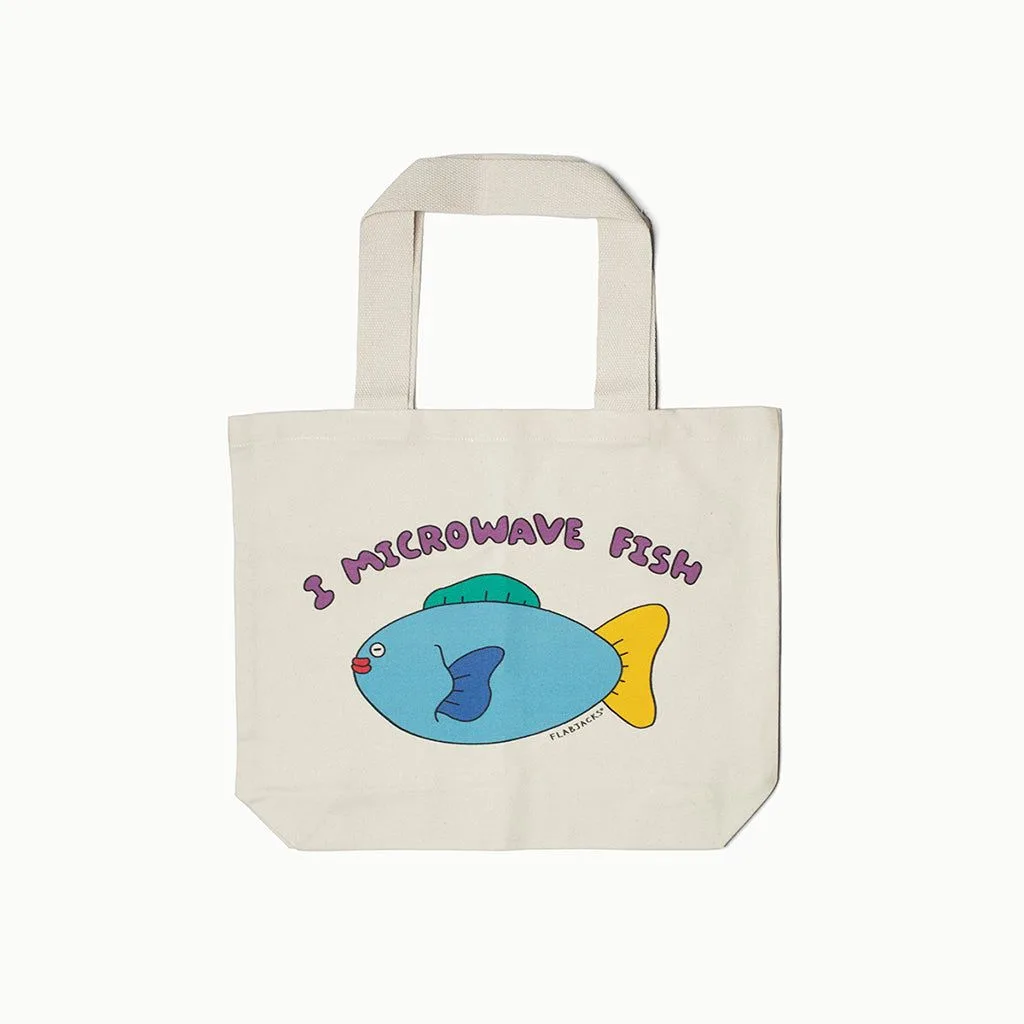
Reheating fried foods in a microwave fish tote bag works best when you keep the bag open, use short bursts, and let the food rest on a rack or paper towel. The I Microwave Fish Tote Bag is a reusable accessory, not a cooking vessel, so treat it as a clean, fun way to carry and reheat your food without plastic wrap.
Why fried food turns soggy in the microwave
Microwaves heat food by exciting water molecules, which turns trapped moisture into steam. That steam is what makes fried coatings limp. A microwave fish tote bag does not change physics, but it can help you control airflow and keep your microwave cleaner. The key is to let steam escape instead of trapping it against the crust.
What to check before you start
Not all fried foods reheat equally. Thick, dense items like fried chicken or fish fillets hold up better than thin, delicate items like tempura or shoestring fries. If your food is already dry, add a small cup of water in the microwave to prevent it from toughening. If it is greasy, blot it first.
How to use the tote bag for reheating
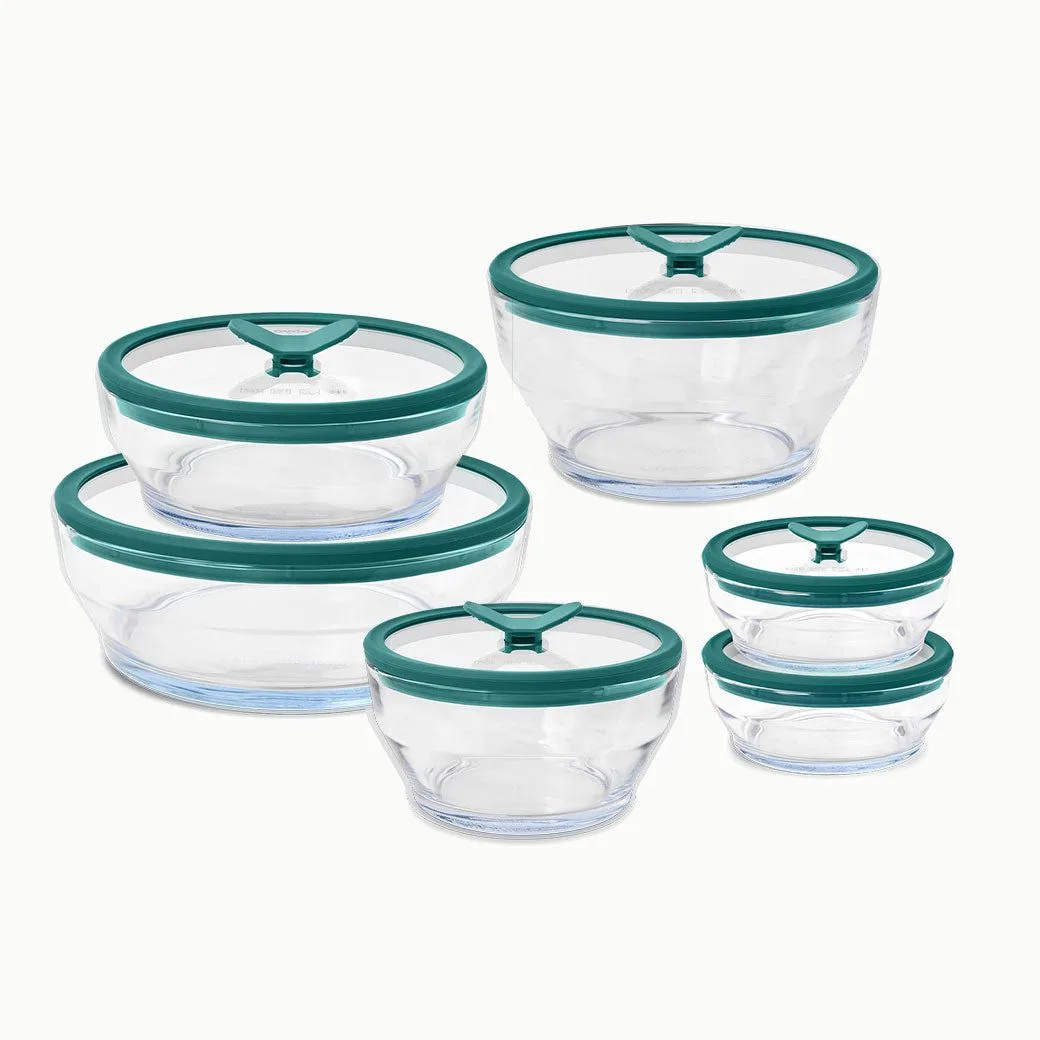
The I Microwave Fish Tote Bag is designed as a fun, reusable accessory, not as a microwave-safe cooking container. Place your fried food on a microwave-safe plate or glass dish, then set the tote bag open beside or over it if you want to catch splatters. Never seal the bag closed around hot food. For best results, use a glass dish like the 2-Cup Glass Round Dish Multipack for small portions, or the 8-Piece Glass Square Dish Set for larger batches.
Step-by-step reheating process
- Step 1: Prep your food: Place fried food on a microwave-safe glass dish or paper towel. If using the I Microwave Fish Tote Bag, keep it open and nearby for splatter control. Common mistake: sealing the bag closed, which traps steam and guarantees sogginess. Checkpoint: food should be in a single layer, not piled.
- Step 2: Set the power level: Use 50% power or the reheat setting. High power overheats the outside before the inside warms. Common mistake: using full power for more than 30 seconds at a time. Checkpoint: if your microwave lacks a power setting, use 20-second bursts.
- Step 3: Heat in short bursts: Microwave for 20–30 seconds, then check. Flip or rearrange if needed. Repeat until just hot. Common mistake: walking away and overcooking, which makes coatings tough. Checkpoint: stop when food is hot, not steaming aggressively.
- Step 4: Rest and release steam: Let the food sit for 1 minute on the counter. This equalizes temperature and lets residual steam escape. Common mistake: eating immediately, which can burn your mouth and leave a soggy bottom. Checkpoint: the crust should feel drier after resting.
- Step 5: Revive crispiness (optional): For best texture, transfer to a toaster oven or air fryer for 2–3 minutes at 375°F. If you only have a microwave, place food on a paper towel to absorb moisture. Common mistake: expecting microwave-only reheating to fully restore deep-fried crunch. Checkpoint: use the microwave for speed, the toaster oven for crisp.
Product facts
- I Microwave Fish Tote Bag: In collaboration with artist Ton Mak of FLABJACKS. The ultimate accessory for those who believe in the power of the microwave. A playful, reusable tote that makes reheating more enjoyable, but it is not a cooking container.
- 2-Cup Glass Round Dish Multipack: The Misen 2-Cup Glass Round Dish Multipack is a practical addition to your kitchen, ideal for steaming or reheating smaller portions of food, as well as storing leftovers, sauces, and snacks. Perfect for single servings of fried fish or sides; glass is microwave-safe and easy to clean.
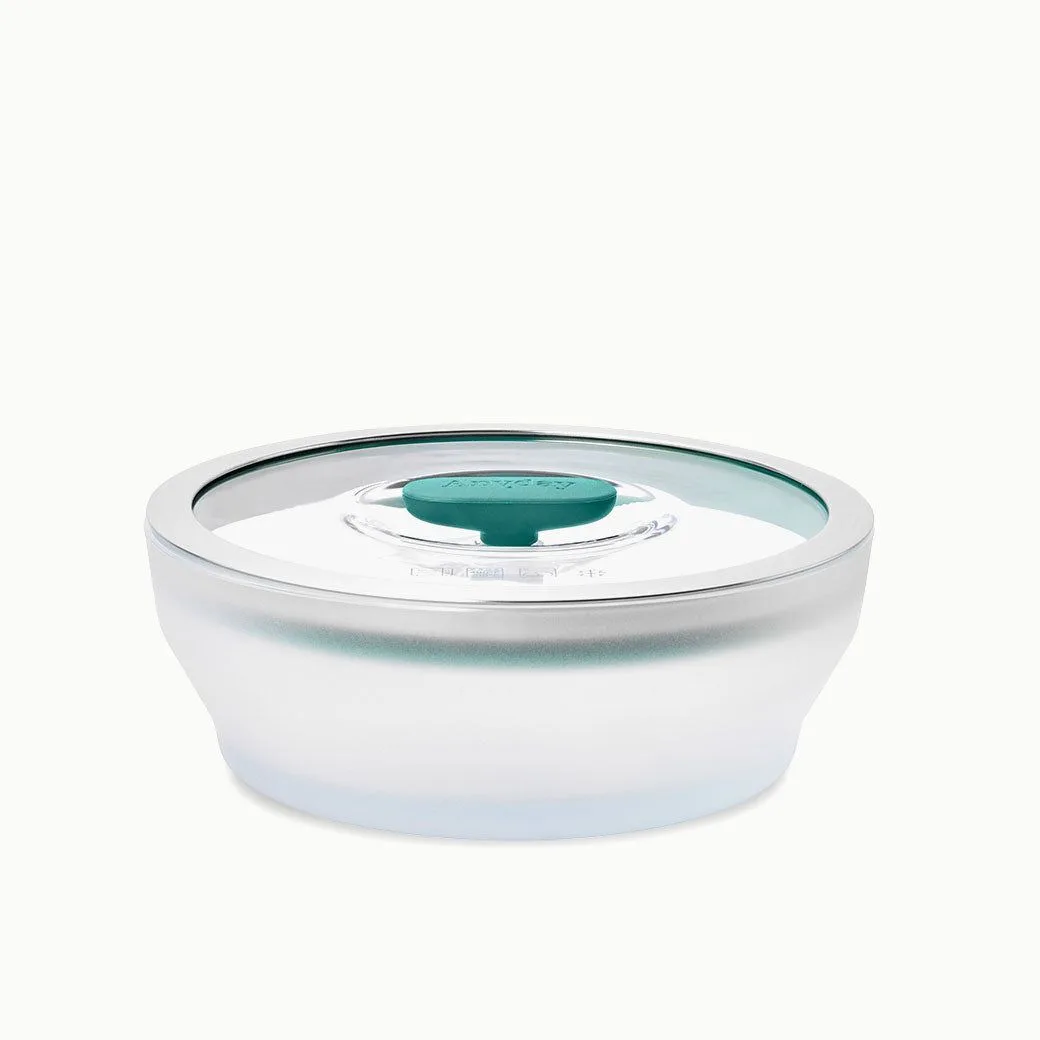
- 8-Piece Glass Square Dish Set: Build your plastic-free kitchen with our premium frosted glass collection in a space-saving square shape. Designed as versatile microwave cookware, these durable frosted glass dishes also double as food storage containers with vented glass lids. Vented lids let steam escape, which helps keep fried coatings crispier than sealed plastic containers.