Quick Answer
To remove contact lenses without touching your eye, use a plunger-style remover or the pinch method with clean, dry fingers after lubricating your eye with rewetting drops. These techniques minimize contact with the delicate eye surface and reduce infection risk.
Removing contact lenses can be tricky, especially if you have long nails, sensitive eyes, or a natural aversion to poking your eye. The good news is that you don't have to touch your eyeball directly to get your lenses out safely. Whether you wear daily disposables or monthly colored contacts, mastering a no-touch removal technique protects your eyes from scratches and keeps your lenses clean.
This guide walks you through several safe, effective methods, including using a contact lens remover tool and the pinch method. We'll also cover common mistakes and how to handle stubborn lenses without panic.
Why Avoid Touching Your Eye?
Your fingertips are not sterile. Even after washing, they carry oils, bacteria, and debris that can transfer to your eye and lens. Touching your eye directly increases the risk of infection, especially if you wear contact lenses regularly. Also, if you have long nails, you can accidentally scratch your cornea, leading to pain and potential vision issues.
Using a no-touch method reduces these risks. It also helps maintain the integrity of your lenses, especially if they are monthly or longer-wear types. By minimizing handling, you keep the lens surface smooth and free from deposits that can cause discomfort.
- Always wash your hands thoroughly before attempting any removal method, even if you use a tool.
- Ensure your lenses are well-lubricated before removal to prevent them from sticking to your eye.
Method 1: Using a Contact Lens Remover Tool
A contact lens remover tool, often shaped like a small plunger, is designed to gently suction the lens off your eye without touching the eyeball. This is especially helpful for people with long nails or those who are nervous about touching their eyes. To use it, hold the tool with the suction cup facing your eye, look slightly upward, and gently place the cup on the lower part of the lens. Pull the lens away from your eye with a soft, steady motion.
One common mistake is pressing too hard, which can cause the lens to fold or the tool to slip. Always use a light touch and ensure the suction cup is clean before each use. After removal, release the lens by squeezing the tool's sides or sliding it off onto your palm.
- Practice with a clean, non-prescription lens first to get comfortable with the tool.
- If the lens feels stuck, apply a drop of rewetting solution and wait a few seconds before trying again.
Method 2: The Pinch Method (Minimal Touch)
The pinch method is a classic technique that involves touching only the lens, not your eyeball. Start by looking upward and pulling your lower eyelid down with your middle finger. Place your index finger on the lower edge of the lens and your thumb on the upper edge, then gently pinch the lens together. This should break the suction and allow the lens to pop out.
The key is to use the pads of your fingers, not your nails, and to ensure your fingers are completely dry. Wet fingers cause the lens to stick to your finger rather than sliding off. If you have long nails, this method can be tricky, so consider using a tool instead.
- Dry your fingers thoroughly with a lint-free towel before attempting the pinch method.
- If the lens folds in half, don't panic—just place it in your palm and add a few drops of solution to unfold it.
What to Do If the Lens Sticks to Your Eye
Sometimes a lens can become dry and stick to your eye, making removal more difficult. This often happens after wearing lenses for too long or in dry environments. Instead of forcing the lens off, apply 2-3 drops of rewetting solution or sterile saline directly to your eye. Blink a few times to moisten the lens, then try the removal method again.
If the lens still doesn't move, close your eye and gently massage your eyelid in a circular motion to help loosen the lens. Avoid using sharp objects or excessive force, as this can damage your cornea. If you're still unable to remove the lens after several attempts, seek help from an eye care professional.
- Never use tap water to moisten lenses—always use sterile solution.
- If you experience pain or persistent redness, stop trying and consult an optometrist.
Step-by-Step: Safe No-Touch Removal
- Wash and dry your hands: Use soap and water, then dry with a lint-free towel. This prevents transferring dirt or oils to your eye or lens. Checkpoint: Your hands should be completely dry before touching the lens or tool.
- Lubricate your eye: Apply 1-2 drops of rewetting solution or sterile saline to your eye to ensure the lens is moist and moves freely. If the lens feels dry, add more drops and blink a few times.
- Choose your removal method: Decide between using a plunger-style remover or the pinch method. Position yourself in front of a mirror with good lighting. If you have long nails or are nervous, opt for the tool.
- Remove the lens gently: For the tool: place the suction cup on the lower part of the lens and pull away. For the pinch method: pinch the lens with your thumb and index finger to break suction. Never force the lens off. If it resists, add more solution and try again.
- Clean and store the lens (if reusable): If you wear monthly lenses, rub and rinse them with contact lens solution before storing in a clean case. For daily disposables, discard after removal. Always use fresh solution and replace your case regularly.
Lens Options That Make Removal Easier
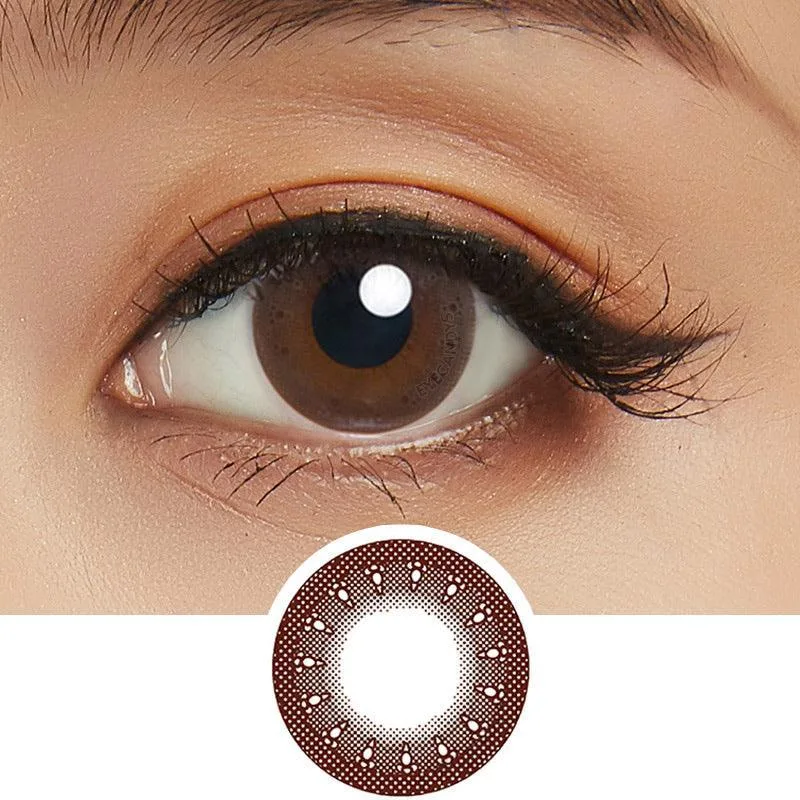
- LUCIA 1-Day Veil Brown (10pk): LUCIA 1-Day Veil Brown daily contacts are perfect for beginners and circle lenses experts alike! With deep rich cocoa color, thin lens material that holds moisture and even UV protection - what's not to love? LUCIA 1-Day is within the top 5 bestselling circle lenses in Japan for good reason - you don't want to miss out! Daily disposables like LUCIA 1-Day are designed for single use, meaning you don't have to worry about cleaning and storing them after removal. This simplifies the removal process and reduces the risk of contamination, making them a great choice for beginners.
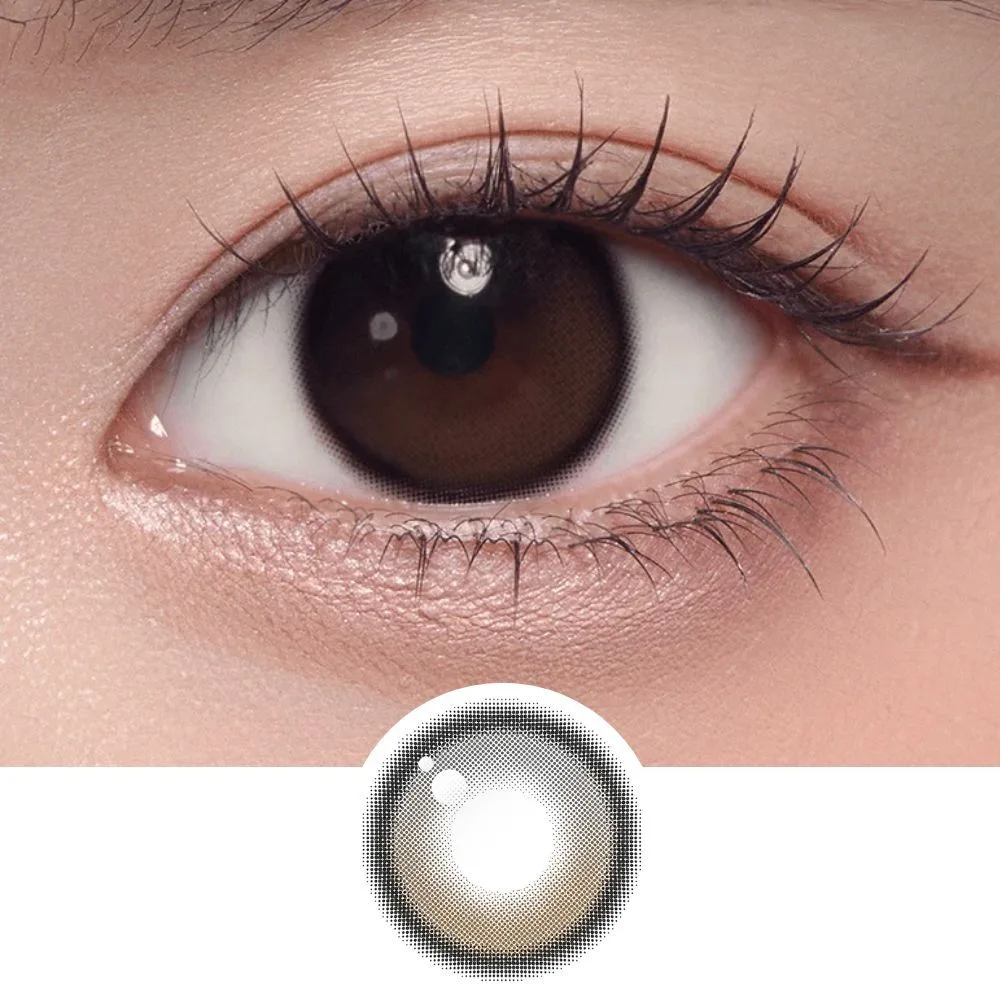
- Gemhour Hecate Neutral Black: Meet Gemhour Hecate Neutral Black, the clean black that just enlarges. This monthly lens rings your iris in a soft, neutral black for a brighter, wider, wide-awake look with zero harsh lines. Your subtle everyday definition, sorted. Monthly lenses like Gemhour Hecate require proper care, but they offer a comfortable fit that makes removal easier when you follow the right technique. Knowing the replacement schedule helps you avoid over-wearing, which can cause dryness and make removal more difficult.
Removing contact lenses doesn't have to be a stressful experience. By using a no-touch method like a plunger tool or the pinch technique, you can protect your eyes from injury and keep your lenses in top condition. Remember to always lubricate your eyes, stay calm, and if you're ever in doubt, consult an eye care professional.