Quick answer
Blot the excess oil, then work a drop of grease-cutting dish soap into the stain with your fingers. Let it sit for 15 minutes, rinse with warm water, and repeat if the spot remains. For cotton aprons and smocks, wash on a normal warm cycle after pre-treating. Never use hot water or a hot dryer until the stain is gone, because heat sets oil into the fibers.
Why cooking oil stains behave differently on fabric
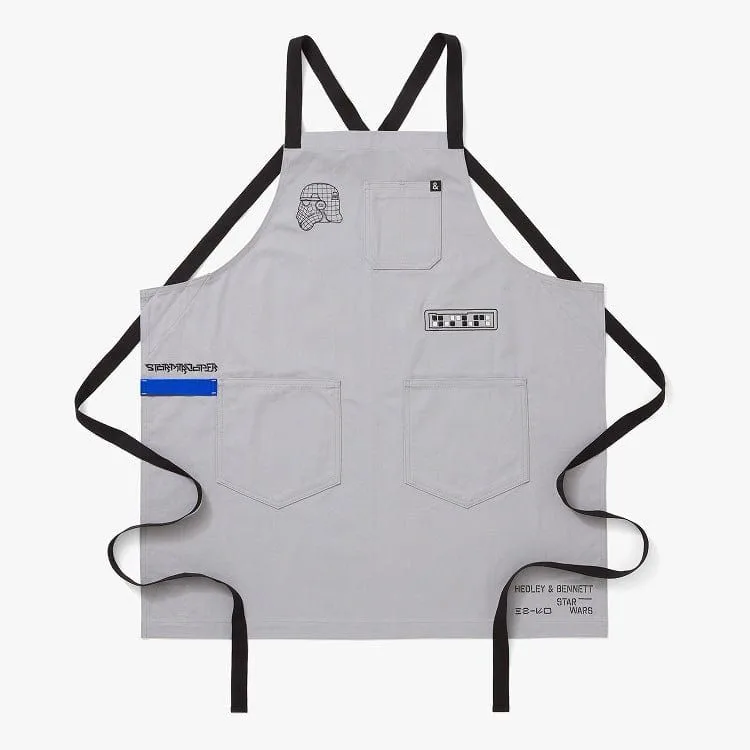
Cooking oil and grease are nonpolar, which means water alone cannot lift them. That is why a splash of olive oil or bacon fat leaves a dark mark that survives a regular wash. The fix is to break the oil down with a surfactant first, then let the washing machine carry the loosened residue away. Cotton and cotton-blend fabrics, like the ones used in most Hedley & Bennett aprons and smocks, respond well to this two-step approach because the fibers are durable enough to handle a gentle scrub.
Time matters more than most people expect. A stain that sits for a week is still removable, but it may need two or three pre-treatment rounds. Treat the stain as soon as you notice it, and avoid tossing the apron into a hamper where the oil can spread to other fabrics.
What you need before you start
Gather a grease-cutting dish soap, baking soda, a soft-bristle brush or an old toothbrush, and clean paper towels or a white cloth. Skip colored cloths, which can transfer dye onto a damp apron. If you have a stain remover spray or gel, keep it nearby as a backup, but dish soap handles most fresh cooking oil marks on its own.
Check the care label first. The supplied catalog facts for Hedley & Bennett aprons do not list a specific wash temperature or drying instruction, so follow the label sewn into your apron. If the label is missing or unreadable, use warm water and air-dry, which is the safest default for cotton.
Step-by-step: removing grease stains from an apron
- Blot, don't rub: Press a clean paper towel or white cloth against the stain to absorb as much oil as possible. Rubbing pushes the grease deeper into the weave and can spread the stain. Checkpoint: the towel should come away with visible oil. If it doesn't, the stain has already set and will need a longer pre-treatment.
- Apply grease-cutting dish soap: Put a small drop of dish soap directly on the stain. Work it in with your fingers or a soft-bristle brush using small circles. Let it sit for 15 minutes. Common mistake: using a scented or moisturizing hand soap instead of a grease-cutting formula. Hand soap leaves a residue that can attract more oil.
- Rinse with warm water: Rinse the treated area under warm running water. If the stain is gone, move to washing. If a shadow remains, repeat the dish soap step before washing. Checkpoint: hold the wet fabric up to a light. Oil stains often look lighter when wet, so check carefully before drying.
- Wash on a normal warm cycle: Wash the apron with like colors on a normal warm cycle using your regular detergent. Do not overload the machine, which reduces agitation and leaves oil behind. Common mistake: washing in hot water. Hot water can set the oil if any residue remains. Warm is effective and safer for cotton.
- Air-dry or tumble low: Air-dry the apron or use a low tumble setting. High heat from a dryer will permanently set any oil the wash did not remove. Checkpoint: if you see any dark spot after drying, repeat the dish soap treatment before wearing the apron again.
- Handle set-in stains with baking soda: For old or stubborn oil marks, make a paste of baking soda and water, spread it over the stain, and let it sit for 30 minutes before washing. The powder lifts oil from the fibers. Next step: if the stain still remains after two paste treatments, a commercial enzyme-based stain remover may be needed.
Aprons built for repeat washing
- Hommeboys x H&B Lavender Grid Essential Apron: Part of the Essential Apron collection, known for its durable construction and comfortable fit. Durable construction means you can pre-treat and wash this apron repeatedly without worrying that the fabric will wear out from stain removal.
- Cloud Smock: Crafted from cotton slub fabric, this smock-style apron provides comfort and durability for daily use. Cotton slub responds well to dish soap pre-treatment, but the textured surface can trap oil in the weave, so work the soap in with your fingers rather than just spraying it on.
- Charcoal Smock: Constructed from cotton slub material for a soft, textured feel that improves with wear. Because the fabric softens over time, avoid harsh bleach or boiling water that would break down the cotton fibers faster than normal washing.