Quick Answer
For dog urine odor, use an enzyme cleaner that breaks down uric acid crystals, not just masks the smell. Apply generously, let it dwell, and allow it to air dry for best results.
Why Enzyme Cleaners Work Better Than Regular Cleaners
Regular cleaners may remove the visible stain but often leave behind uric acid crystals that re-hydrate and release odor when humidity rises. Enzyme cleaners use beneficial bacteria to digest these crystals at a molecular level, eliminating the smell rather than covering it up.
The effectiveness depends on giving the enzymes enough time to work. Most products require a dwell time of 10–15 minutes, and some need longer on heavy or old stains. Rushing this step is the most common reason for persistent odor.
What to Avoid When Treating Urine Odors
Avoid using steam cleaners or hot water before applying an enzyme cleaner. Heat can set the protein in urine, making the stain more difficult to remove. Also, avoid ammonia-based cleaners; they can mimic the scent of urine and encourage your dog to re-mark the spot.
If you have used a non-enzyme cleaner previously, rinse the area with cool water and blot thoroughly before applying the enzyme product. Residual cleaning agents can interfere with enzyme activity.
Step-by-Step Odor Removal Process
- Identify the Source: Use a UV blacklight in a dark room to find all urine spots, including old ones. Circle them with chalk or tape. Treat every affected area, not just the visible stain. If you cannot locate the source, consider using an enzyme cleaner on high-traffic areas as a preventive measure.
- Blot and Pre-Clean: Blot up any fresh urine with paper towels until the area is mostly dry. If you have used other cleaners, rinse with cool water and blot again. Do not scrub, as this can spread the stain. If the urine has dried, pre-wet the area with cool water to help the enzyme penetrate.
- Apply Enzyme Cleaner Generously: Saturate the area with the enzyme cleaner, extending a few inches beyond the stain. Ensure the solution reaches the padding underneath carpets. Let it dwell for the time specified on the product label (usually 10–15 minutes). If the area is heavily soiled or the odor is strong, reapply and allow a longer dwell time.
- Allow to Air Dry Completely: Do not blot or rinse after application. Let the area dry naturally; the enzymes need time to digest the uric acid crystals. This may take several hours. Keep pets away from the area until fully dry. If the odor persists after drying, repeat the process. If it still remains, the urine may have reached the subfloor, and you should consult a professional.
- Washable Pads: Launder with Enzyme Cleaner: For washable training pads, pre-treat urine spots with the enzyme cleaner, then wash in cold water with a regular detergent. Avoid fabric softeners, as they can reduce absorbency. Air dry or tumble dry on low. If the pad retains odor after washing, repeat the pre-treatment before drying.
Products That Help
-
Dog Stain & Odor Remover with PRO-BACTERIA™: MISOKO Dog Stain & Odor Remover with PRO-BACTERIA™ uses bio-active bacterial spores to break down urine, fecal residues, and odor-causing particles at a molecular level. This means it neutralizes the source of the smell rather than just masking it, which is essential for preventing your dog from re-marking the same spot.
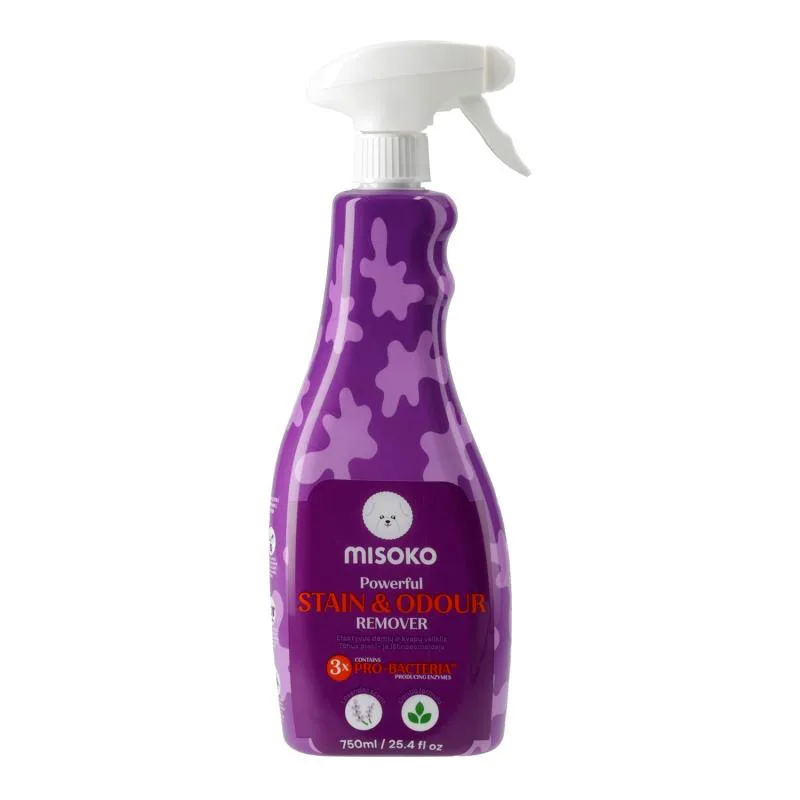
Dog Stain & Odor Remover with PRO-BACTERIA™
-
Super Absorbent Washable Puppy Training Pad: MISOKO Reusable Puppy Training Pads feature a durable four-layer construction with a non-slip bottom for reliable protection during potty training. Using washable pads with an enzyme cleaner helps manage odor between washes, and the non-slip design keeps the pad in place while your puppy uses it.
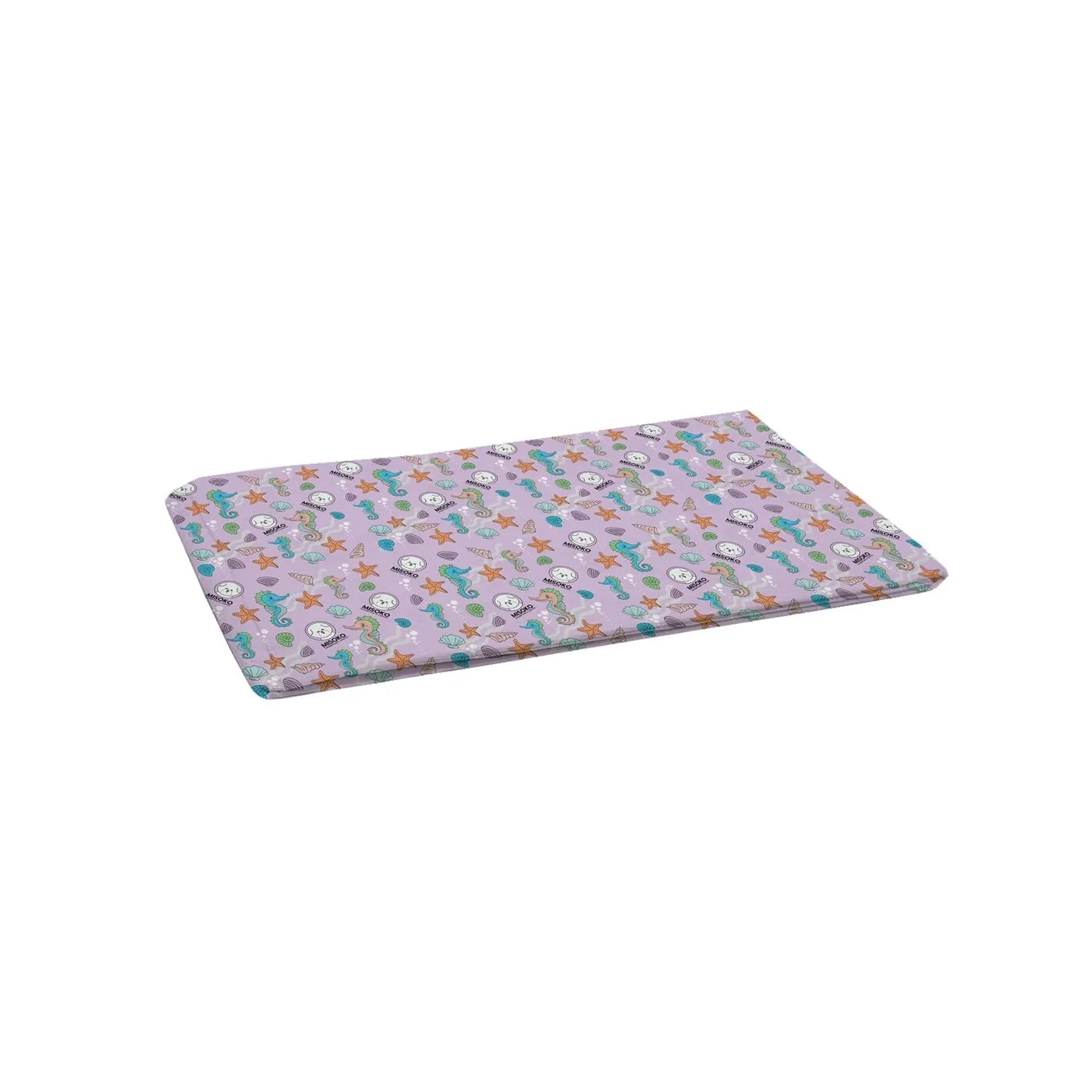
Super Absorbent Washable Puppy Training Pad