Quick answer
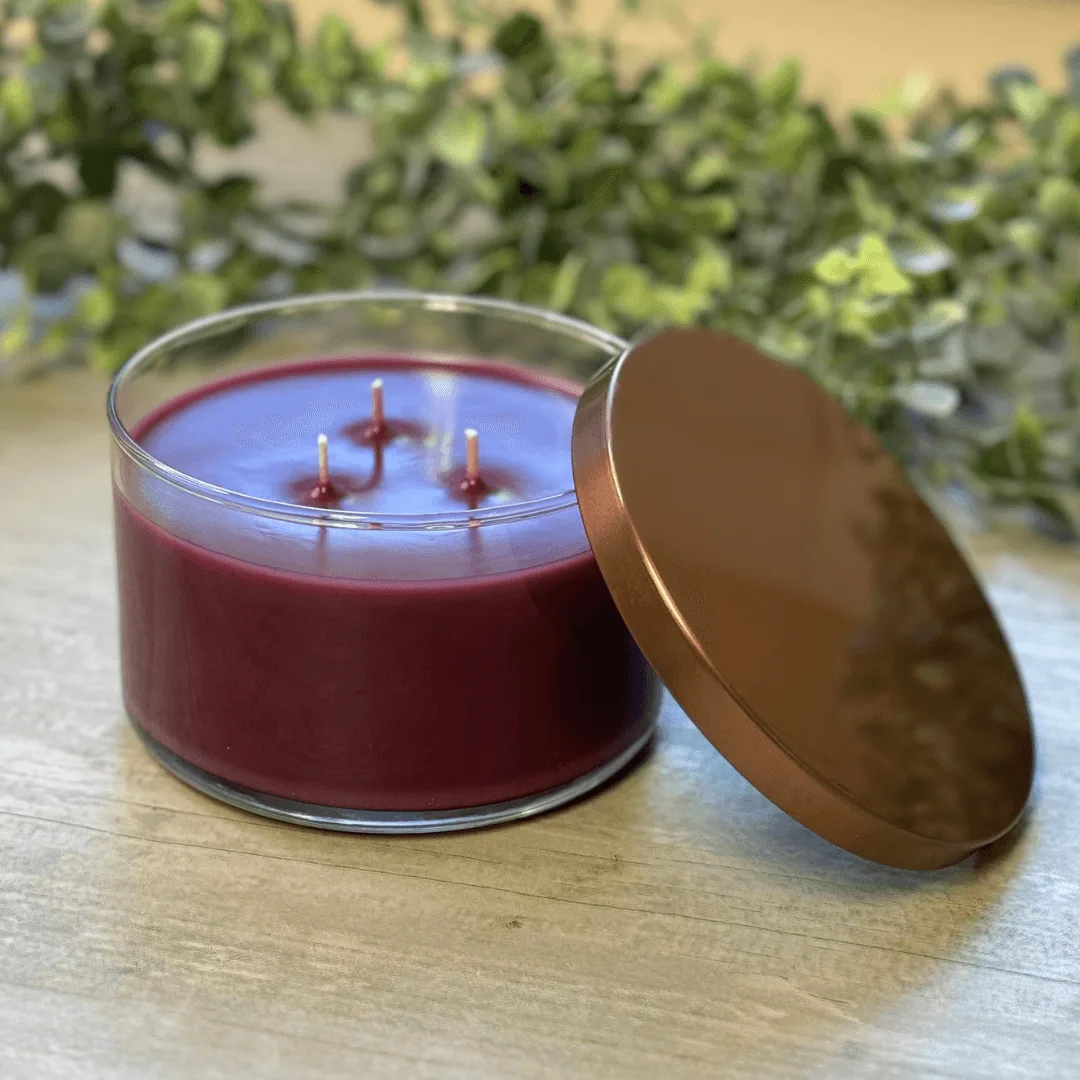
Soy candle wax is softer and has a lower melting point than paraffin, so it usually lifts cleanly with heat and a dry absorbent material. Let the spill cool completely, scrape off the bulk, then use a hairdryer or iron with a paper towel or cloth to wick the remaining wax out of the fibers. For hard surfaces like wood, plastic, or glass, freeze the wax first so it pops off without scratching.
Why soy wax behaves differently from paraffin
Soy wax is a vegetable wax with a lower melting point than paraffin, which means it stays softer at room temperature and re-melts quickly with gentle heat. That is good news for cleanup: you can often remove soy candle wax from fabric without harsh solvents because the wax releases from fibers at a lower temperature. It also means you should avoid pouring hot water directly on the stain, since that can push melted wax deeper into the fabric before it has a chance to be absorbed.
What you need before you start
Gather a dull knife or old credit card, a hairdryer or iron, white paper towels or a clean cotton cloth, and a stain remover or dish soap for any dye residue. For carpets and upholstery, a vacuum with a hose attachment helps remove dried flakes. Keep a small bowl of ice or a freezer pack nearby if you are treating a hard surface. Do not use a butter knife with a sharp edge on wood or painted surfaces, and test any liquid cleaner on a hidden spot first.
Step-by-step: removing wax from fabric, carpet, and upholstery
Start by letting the wax harden completely. Rushing this step is the most common mistake. Once hard, scrape off as much as you can with a dull tool. For fabric, place a paper towel or clean cloth over the wax and press with a warm iron on low heat, moving the iron constantly. The wax wicks into the paper. Replace the paper as it absorbs wax. For carpet and upholstery, use a hairdryer on low to melt the wax while blotting with a cloth, then vacuum any dry crumbs. If a dye stain remains, apply a small amount of dish soap or laundry stain remover and rinse. For a candle wax on tablecloth, treat it like any fabric: scrape, iron with paper, then wash as usual.
Step-by-step: removing wax from wood, glass, and plastic
On hard surfaces, freezing the wax is faster and safer than heating. Hold an ice cube in a plastic bag against the wax for a minute or two, then lift the wax with a plastic scraper or your fingernail. Avoid metal tools that can gouge wood or scratch plastic. If a thin film remains, wipe with a cloth dampened with a little vinegar or mild soapy water, then dry immediately. For cleaning candle wax from wood, never soak the surface; excess moisture can raise the grain or damage the finish.
What to do if wax gets on a candle holder or jar
If you are cleaning a soy candle jar to reuse it, place the jar in the freezer for about an hour. The wax shrinks and usually pops out in one piece. Wash the jar with warm soapy water to remove any residue. For candle holders with intricate shapes, a hairdryer on low can soften wax in crevices, then wipe with a paper towel. Avoid pouring melted wax down a drain, where it can solidify and clog pipes.
Quick cleanup steps
- Let the wax cool and harden: Do not wipe or blot while the wax is still liquid. Give it 30–60 minutes to set completely. This prevents smearing and makes the next steps easier. Checkpoint: the wax should feel firm and not sticky.
- Scrape off the bulk with a dull tool: Use a plastic scraper, old credit card, or the back of a butter knife. Work from the edges toward the center to avoid spreading the wax. For carpets, vacuum up the flakes after scraping. Common mistake: using a sharp knife that can cut fabric or scratch wood.
- Lift remaining wax with heat and absorption: For fabric and upholstery, place a paper towel or clean cloth over the wax and press with a warm iron on low, moving constantly. For hard surfaces, freeze the wax with an ice cube in a bag, then pop it off. Checkpoint: replace the paper towel as soon as it absorbs wax, and never leave the iron in one spot.
- Treat any dye or residue: If a colored stain remains, apply a small amount of dish soap or laundry stain remover, work it in gently, and rinse. For wood, wipe with a damp cloth and dry immediately. Next step: wash fabric as usual, but check the stain before drying—heat can set a remaining stain.
Products that help prevent the next spill
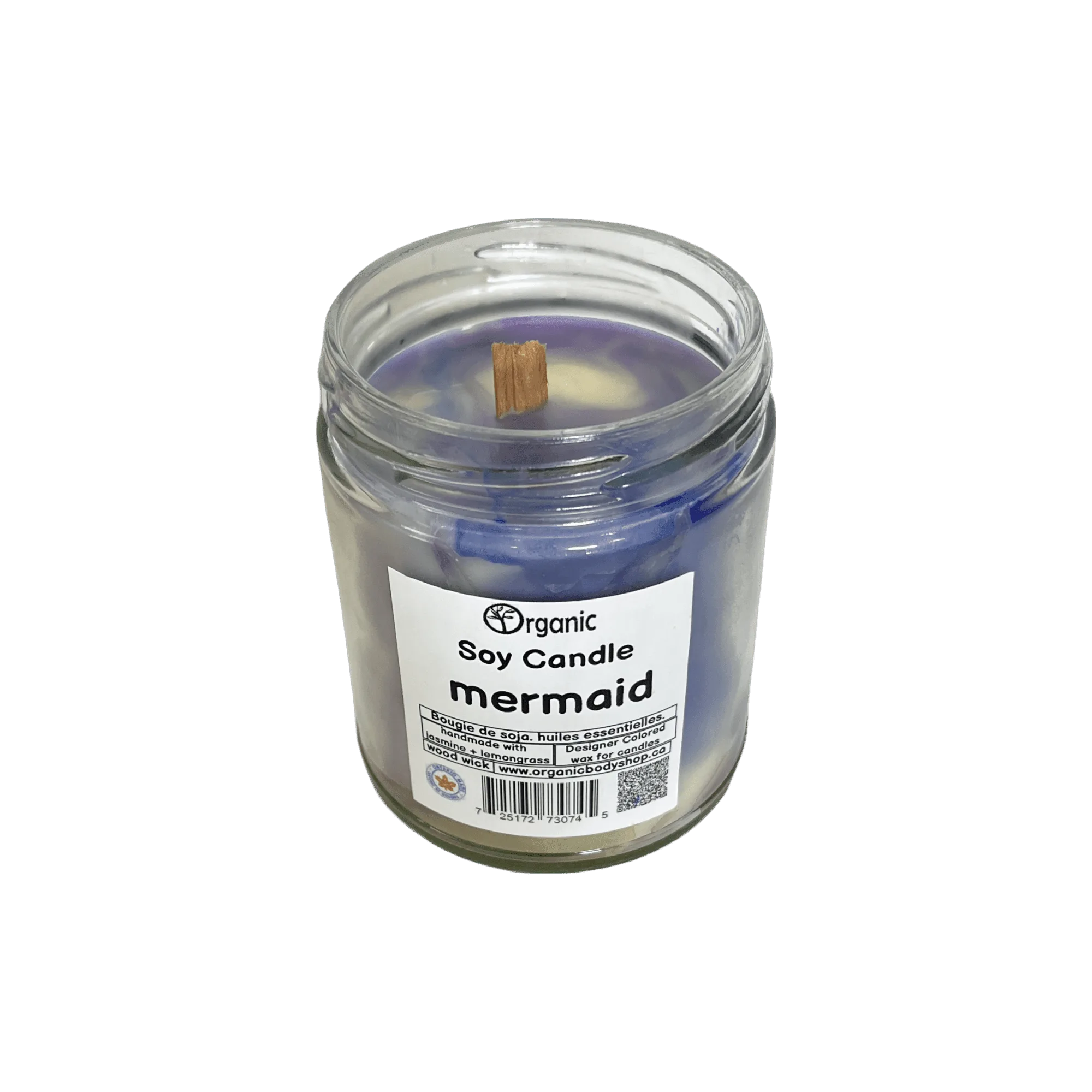
- Mermaid Soy Candle 9oz: Mermaid Soy Candle 9oz is a soy candle with a blend of jasmine, lemongrass, and seagrass essential oils. Soy wax is easier to clean than paraffin, and this candle's essential oil blend means any spilled wax may leave a light scent that fades as you remove it.
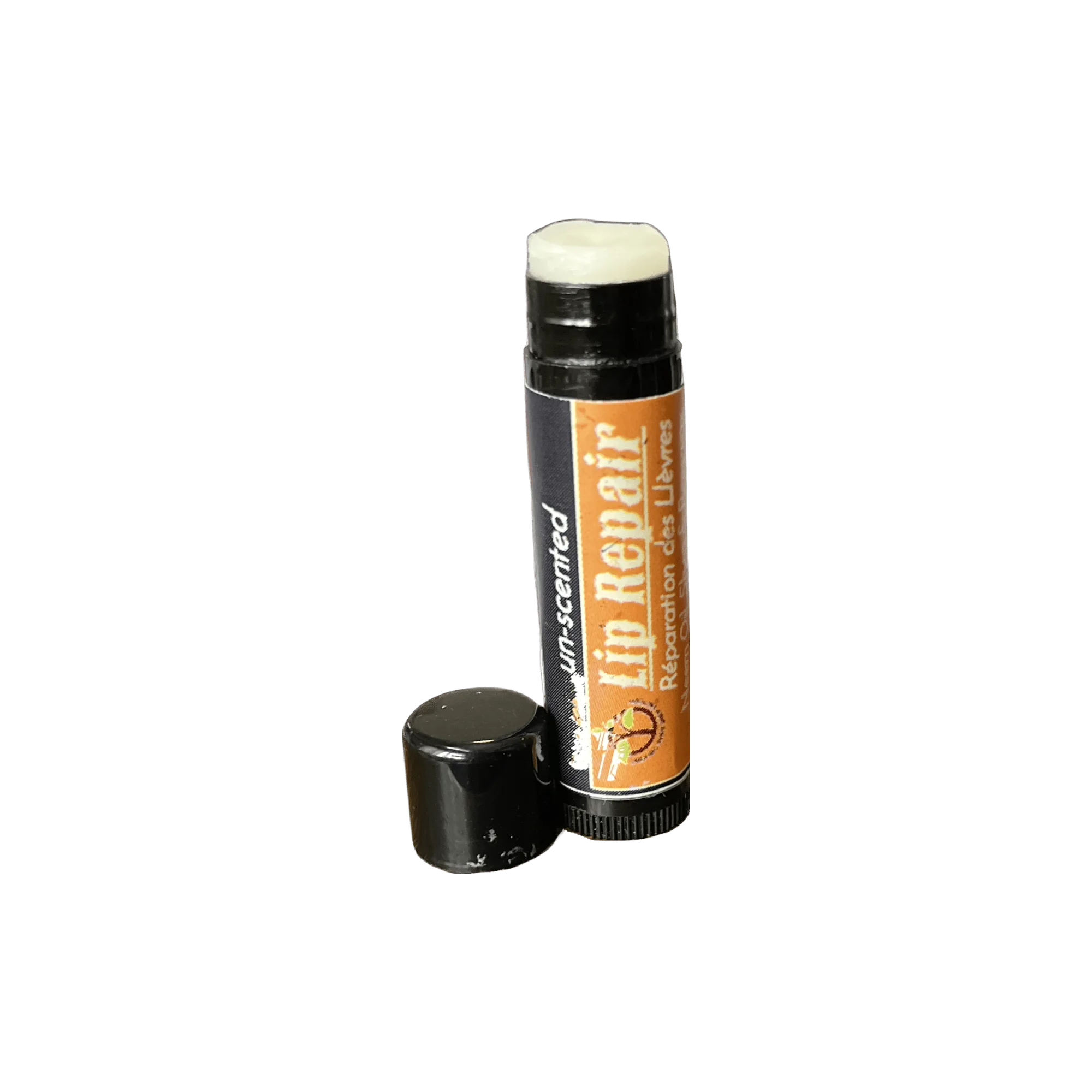
- Lip Repair Balm.: Lip Repair Balm contains beeswax and herbal oils, including Ayurvedic Neem oil, and can be used as a lipstick base. Beeswax is tacky and can help grip a candle if you need to stabilize a wobbly candle in a holder, reducing the chance of a tip-over spill.
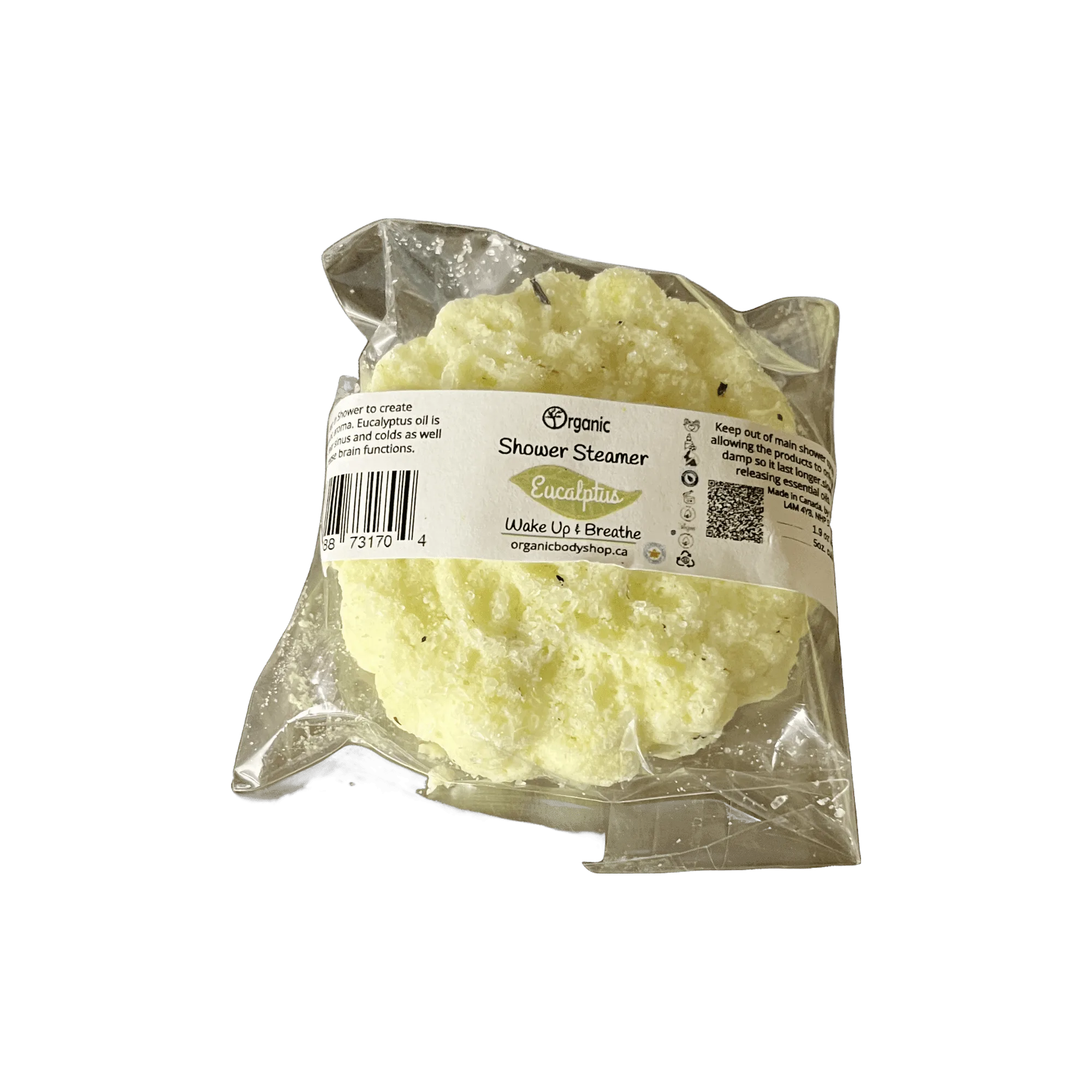
- Eucalyptus Shower Steamer. Large: Eucalyptus Shower Steamer is a shower aromatherapy product infused with essential oils that you place in a corner or ledge and splash with water. Unlike a candle, this steamer does not produce wax, so it is a spill-free way to enjoy aromatherapy in the bathroom where fabric and wood surfaces are common.