Glasslock containers are a kitchen staple for storing leftovers, meal prepping, and keeping your food fresh. Their durable borosilicate glass is resistant to thermal shock and easy to clean, but even the best glass can fall victim to stubborn stains from colorful ingredients like tomato sauce and curry. These stains can make your containers look dull and aged, even after a thorough wash. Fortunately, there are simple and effective methods to remove these stains and restore your Glasslock containers to their original clarity.
In this guide, we'll explore why these stains happen, how to prevent them, and step-by-step techniques to eliminate them using common household items. Whether you're dealing with a faint orange tint from tomato soup or a deep yellow residue from turmeric-based curries, these tips will help you keep your glassware looking brand new. We'll also share some care tips to extend the life of your containers and lids, ensuring your investment in quality glass storage pays off for years to come.
Why Do Tomato and Curry Leave Stains on Glass?
Tomato and curry contain natural pigments that are notorious for leaving stains on various surfaces, including glass. Tomatoes are rich in lycopene, a carotenoid that gives them their vibrant red color. When heated or stored, lycopene can bind to microscopic pores on the glass surface, creating a reddish or orange tint. Curry, on the other hand, often contains turmeric, which is packed with curcumin, a bright yellow compound known for its powerful staining properties. These pigments can be particularly stubborn if the container is left to sit with the food for an extended period.
The good news is that glass is non-porous, which means stains only affect the surface. Unlike plastic, which can absorb and retain odors and colors, glass stains are superficial and can be removed with the right techniques. This is one of the many reasons why glass containers are a superior choice for food storage. By understanding the nature of these stains, you can choose the most effective cleaning method and keep your Glasslock containers looking pristine.
- Tomato stains are caused by lycopene, a red carotenoid pigment.
- Curry stains are primarily due to turmeric, which contains curcumin.
- Glass is non-porous, so stains are surface-level and removable.
Simple Household Remedies for Stain Removal
Before reaching for harsh chemicals, try these gentle yet effective home remedies. Baking soda is a mild abrasive that can lift stains without scratching the glass. Create a paste by mixing three parts baking soda with one part water, then apply it to the stained areas. Let it sit for a few minutes, then scrub gently with a soft sponge or cloth. Rinse thoroughly with warm water. For tougher stains, you can add a little white vinegar to the paste to boost its cleaning power.
Another popular method is using lemon juice or citric acid. The acidity helps break down the pigments. Squeeze fresh lemon juice onto the stain, let it sit for 10-15 minutes, then wash as usual. Alternatively, you can soak the container in a solution of warm water and a few tablespoons of lemon juice or white vinegar for 30 minutes. This is especially effective for removing turmeric stains from curry. After soaking, wash with dish soap and dry with a soft cloth to avoid water spots.
- Baking soda paste: mix 3 parts baking soda to 1 part water, apply, scrub, and rinse.
- Lemon juice or vinegar soak: dilute in warm water and soak for 30 minutes.
- Always rinse thoroughly to remove any residue.
Using Sunlight to Bleach Stains Naturally
One of the most effective and eco-friendly ways to remove stains from glass is to use sunlight. Ultraviolet (UV) rays have natural bleaching properties that can fade organic pigments. After washing your container, place it in direct sunlight for a few hours. The UV light will break down the stain molecules, leaving your glass clear. This method works particularly well for tomato and curry stains, and it's completely free and chemical-free.
To maximize the effect, ensure the glass is clean and wet when you place it in the sun. You can also add a few drops of lemon juice to the stained areas before sun exposure. The combination of UV light and citric acid enhances the bleaching action. This method is safe for all Glasslock containers, including those with lids, but remember to remove the lids and wash them separately, as prolonged sun exposure can degrade plastic over time.
- Place clean, wet glass in direct sunlight for 2-4 hours.
- Add lemon juice to boost the bleaching effect.
- Remove lids before sun exposure to protect plastic parts.
Preventing Stains in the Future
While removing stains is easy, preventing them in the first place is even better. One simple tip is to lightly coat the inside of your container with a thin layer of cooking oil or non-stick spray before adding tomato-based or curry dishes. This creates a barrier that prevents pigments from adhering to the glass. Another tip is to avoid letting stained containers sit for long periods. Wash them as soon as possible after use, or at least rinse them with water to remove excess sauce.
Additionally, consider using dedicated containers for strongly colored foods. For instance, you might use a specific Glasslock container for curry dishes and another for lighter foods. This way, even if stains occur, they are isolated to one or two containers. If you do get a stain, treat it promptly with one of the methods above. Regular maintenance, such as weekly soaking in a vinegar solution, can also keep your entire collection looking new.
- Coat the inside with a thin layer of oil before storing colorful foods.
- Wash containers promptly after use to prevent stains from setting.
- Designate specific containers for heavily pigmented foods.
Caring for Your Glasslock Containers and Lids
Proper care extends the life of your Glasslock containers and keeps them looking great. Always allow hot food to cool before placing it in the refrigerator or freezer, as sudden temperature changes can cause thermal shock. When cleaning, avoid abrasive pads or steel wool that can scratch the glass. Instead, use a soft sponge or cloth. For stubborn residue, soak the container in warm soapy water before washing.
The lids are also important to maintain. Glasslock lids are made from durable plastic and are not oven-safe, so always remove them before heating. To keep them stain-free, wash them by hand or on the top rack of the dishwasher. Avoid using bleach or harsh chemicals on the lids, as they can damage the seal. With proper care, your Glasslock containers, such as the Glasslock Oven Safe Rectangle 6pc set or the Glasslock Mixing Bowl 6.25qt, will serve you well for many years.
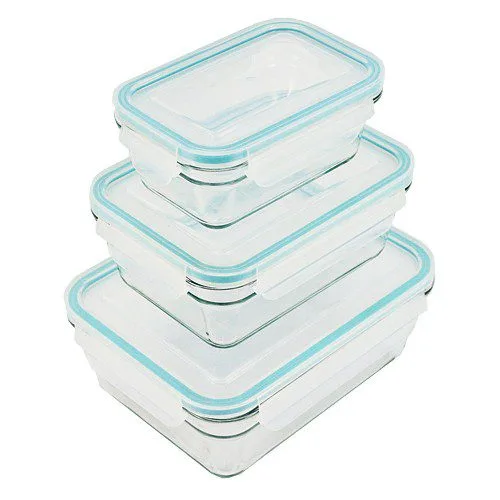
Glasslock Oven Safe Rectangle 6pc set
- Let hot food cool before refrigerating to prevent thermal shock.
- Use soft sponges and mild dish soap for cleaning.
- Hand wash lids and avoid harsh chemicals to preserve the seal.
With these simple and effective methods, you can say goodbye to stubborn tomato and curry stains on your Glasslock containers. By using household items like baking soda, lemon juice, and sunlight, you can restore your glassware to its original clarity without harsh chemicals. Remember to practice preventive measures and care for your containers properly to keep them looking new. For more tips and to explore the full range of Glasslock products, check out the Glasslock Oven Safe Square 6pc set for versatile storage solutions.
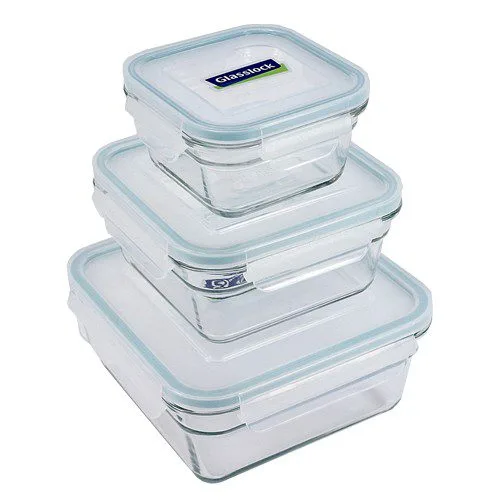
Glasslock Oven Safe Square 6pc set