Quick answer
Blot the stain immediately with cold water, then soak the garment in cool water with a drop of gentle detergent for 15 minutes before rinsing. For silk and lace, never rub, never use hot water, and never apply bleach or enzyme cleaners. If the mark remains, repeat the soak rather than scrubbing harder.
A stain on your favorite lace bralette or silk thong feels like a small disaster, but most marks lift with patience rather than force. The trick is to treat the fabric as gently as you would your own skin: cool water, minimal agitation, and a detergent that does not attack protein or dye.
This guide walks through the exact order of operations for lingerie stain removal, from the first blot to the final air-dry. It also flags the mistakes that turn a treatable spot into a permanent shadow on silk or stretch lace.
Before you treat: know what you are working with
Silk and stretch lace behave differently under stain removers. Silk is a protein fiber, so enzyme-based cleaners can literally digest it, while lace often blends fine threads with elastane that hates heat. Check the care label first: if it says dry clean only, spot-treat with cool water and a microfiber cloth, then take it to a professional rather than soaking at home.
If the label allows hand washing, you can proceed with the steps below. When a garment has no care label at all, treat it as delicate: cool water, no bleach, no dryer. That conservative approach protects the fibers even when you are unsure of the exact blend.
- Test any detergent on an inside seam or hem before applying it to the visible stain.
- Keep separate cloths for blotting and rinsing so you do not re-transfer the stain.
The supplies that actually help
You need three things: cool running water, a mild liquid detergent free of bleach and enzymes, and a clean white microfiber cloth or soft towel. A small bowl for soaking helps, and a cotton swab is useful for reaching stains on structured areas like a bralette band or a high-waist waistband where rubbing would distort the shape.
Skip bar soaps with heavy fragrance, stain sticks with oxygen boosters, and anything labeled 'whitening' unless the garment is pure white and the label explicitly allows it. For delicate stain removal, the simplest formula is usually the safest one.
- Use white cloths only; colored towels can bleed dye onto wet silk or lace.
- Keep the water cool to lukewarm at most. Hot water sets protein and dye stains.
How to handle common stain types
Deodorant and sweat marks respond well to a 15-minute cool soak with a drop of mild detergent, followed by a gentle squeeze through the fabric. For oil-based marks like lotion or makeup, apply a tiny amount of detergent directly to the spot, let it sit for five minutes, then rinse. Do not rub; let the detergent do the work.
Protein stains such as blood or dairy need cold water only, because heat coagulates them into the fiber. If you are dealing with ink or dye transfer, blot with cool water and a touch of detergent, then repeat the soak. If the mark persists after two rounds, stop and consider a professional cleaner rather than escalating to a stronger chemical.
- Never use enzyme cleaners on silk or wool; they break down protein fibers.
- For blood, cold water first. Warm water will lock the stain in.
Step-by-step stain removal for lingerie
- 1. Blot, do not rub: Press a clean white cloth onto the stain to lift excess liquid. Rubbing pushes the stain deeper into silk and distorts lace threads. Checkpoint: the cloth should pick up color, not spread it wider.
- 2. Rinse with cool water: Hold the stained area under cool running water from the back of the fabric so the water pushes the stain out rather than through. Mistake to avoid: using warm or hot water, which sets protein and dye stains.
- 3. Apply a drop of mild detergent: Massage a small amount of bleach-free, enzyme-free liquid detergent into the stain with your fingertips or a cotton swab. Checkpoint: no scrubbing, no harsh friction, no direct pouring of detergent.
- 4. Soak for 15 minutes: Submerge the garment in a bowl of cool water with a drop of detergent. Let it sit undisturbed so the fibers relax and release the mark. Mistake to avoid: soaking overnight, which can weaken stretch lace and dull silk.
- 5. Rinse and check: Rinse thoroughly with cool water and inspect the area while the fabric is still wet. If the stain remains, repeat steps 3 and 4 rather than increasing pressure. Checkpoint: if two rounds do not lift it, stop and consult a professional cleaner.
- 6. Press and air-dry: Gently press the garment between two white towels to remove excess water, then lay it flat or hang it to air-dry away from direct sun and heat. Mistake to avoid: wringing, tumble drying, or hanging by the straps, all of which can stretch delicate pieces out of shape.
Delicate pieces that reward careful stain treatment
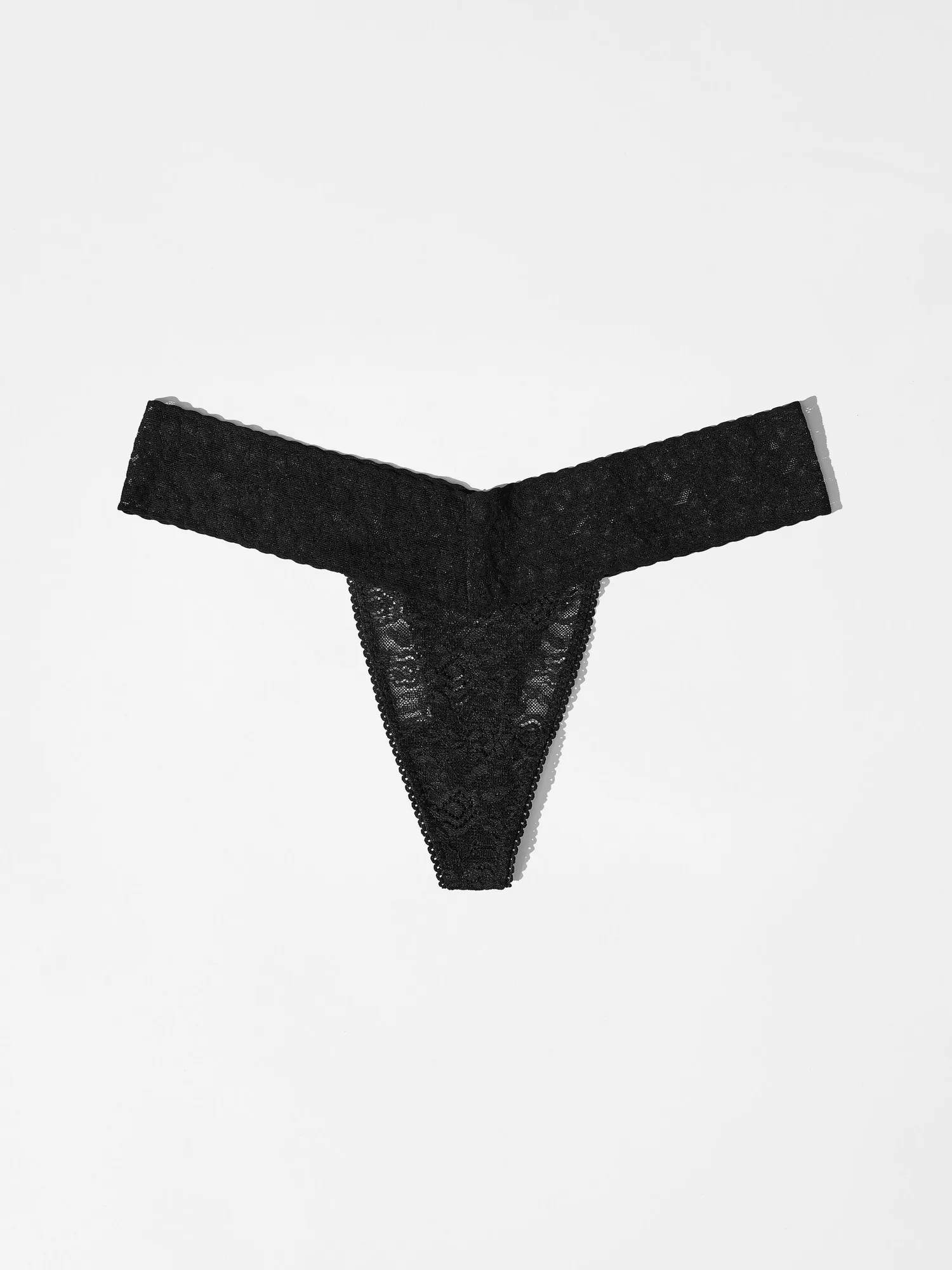
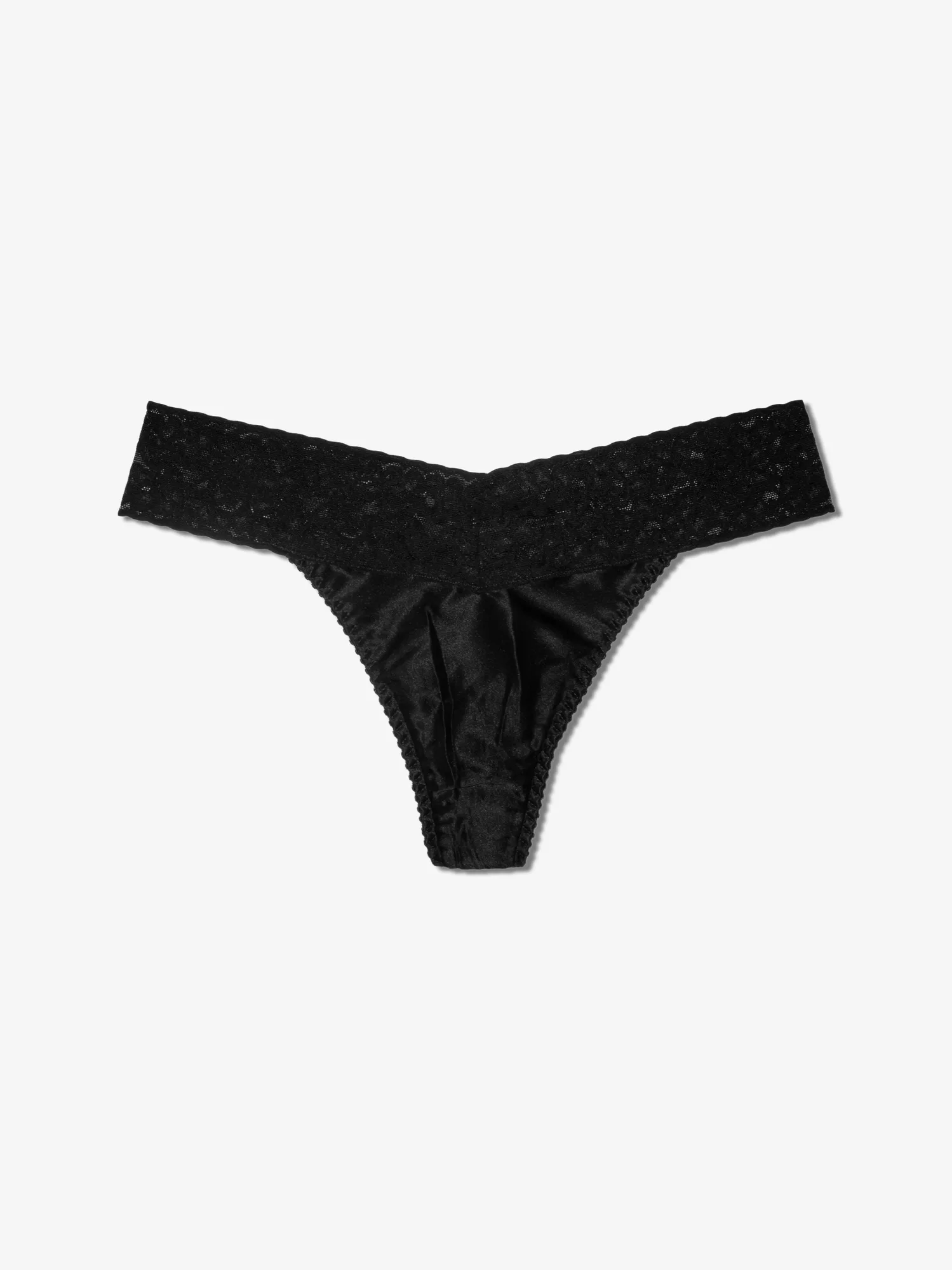
- Silk Lace Thong - Liquorice Therapy: Pairs a lustrous, silky-smooth front with signature stretch lace and a waistband that stretches up to 150% for a personalized fit. The silk front needs cool-water spot treatment, while the stretch lace waistband should never be wrung or twisted, so blot both areas gently and reshape before drying.
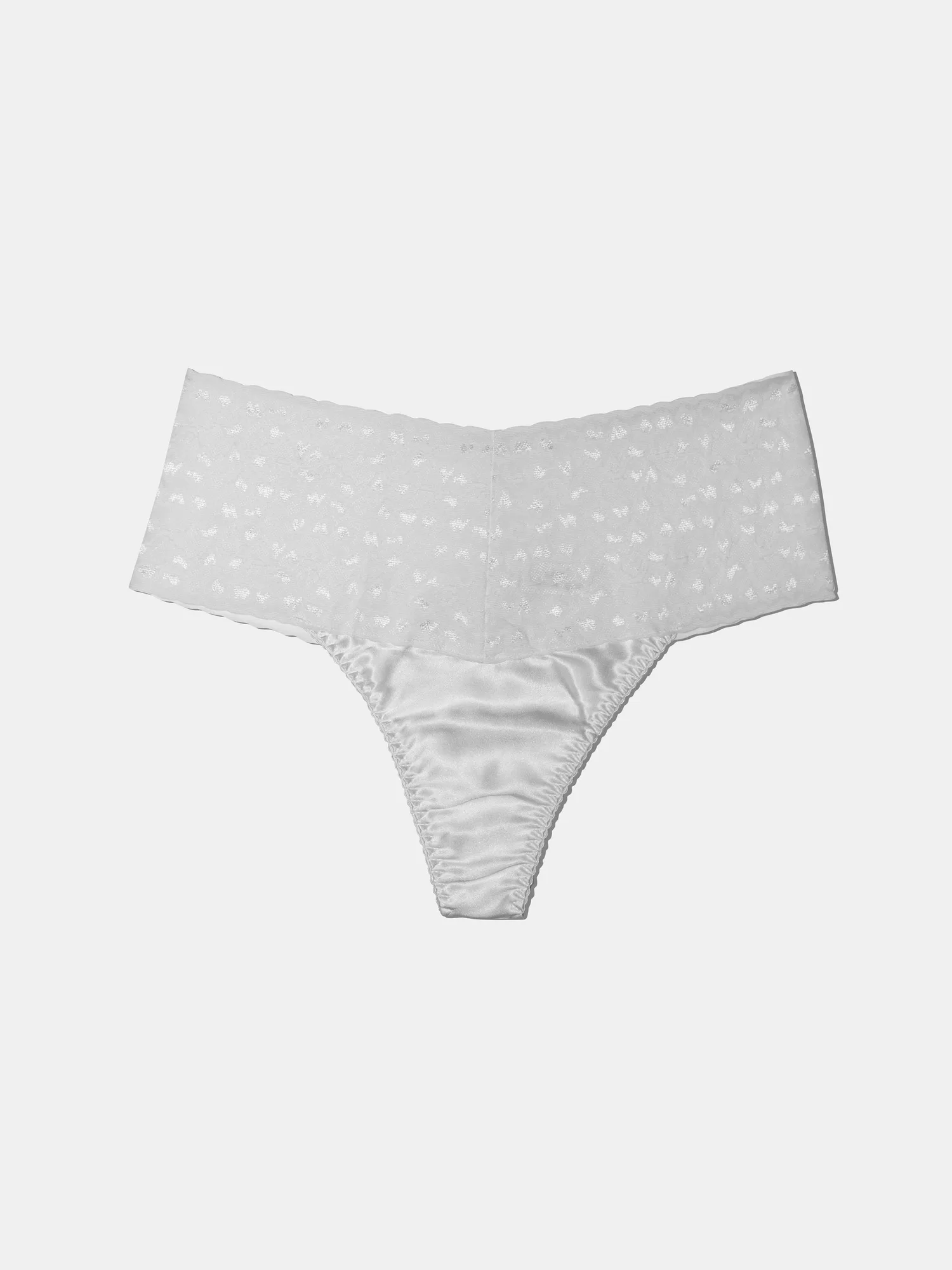
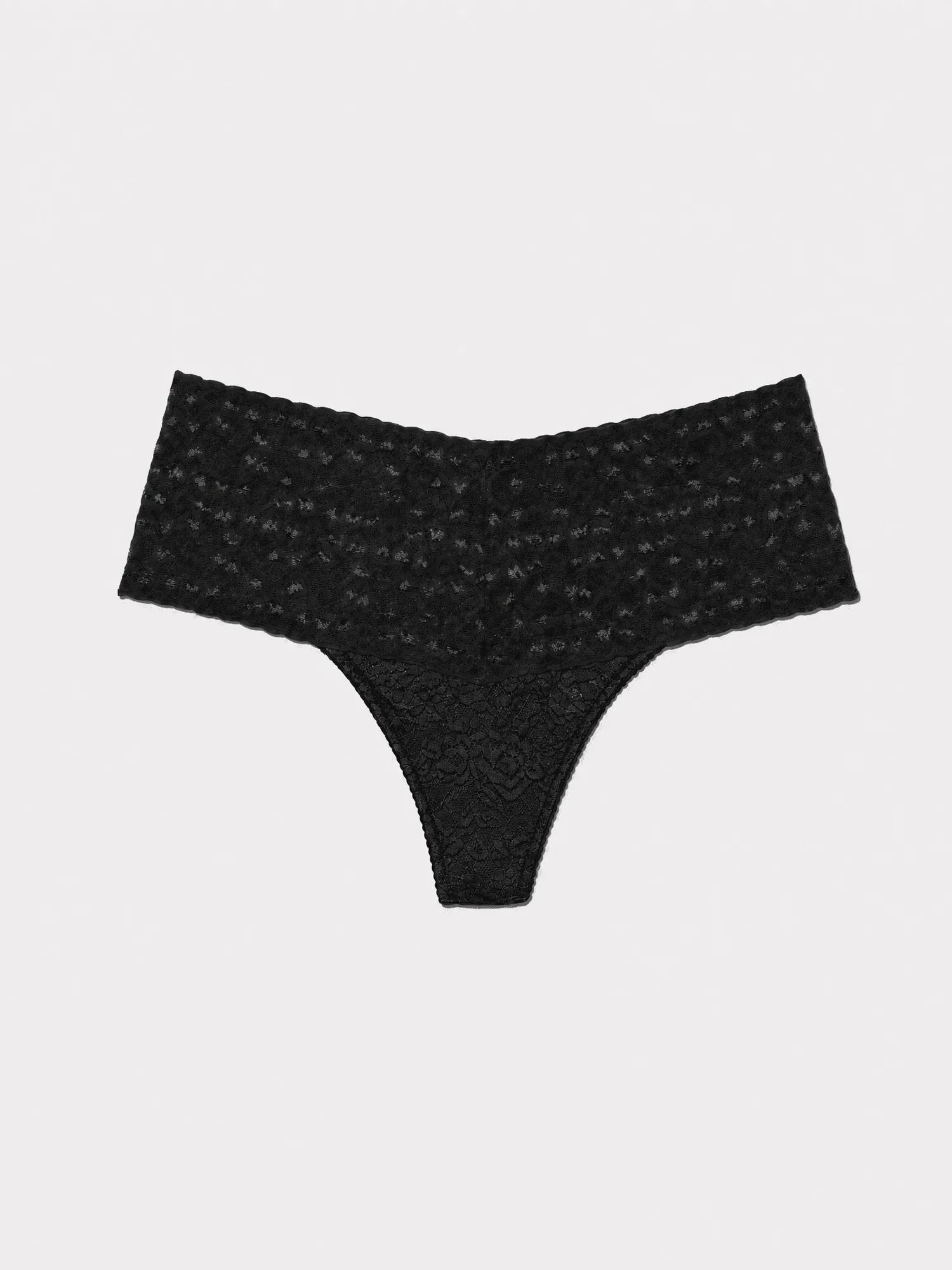
- Silk High Waist Thong - Pearl: A high-rise silhouette blending fluid silk with signature soft lace, with a wide, stretchy waistband that hugs gently to smooth and flatter. The wide waistband holds its shape best when you soak the whole garment rather than scrubbing one spot, which can stretch the band unevenly.
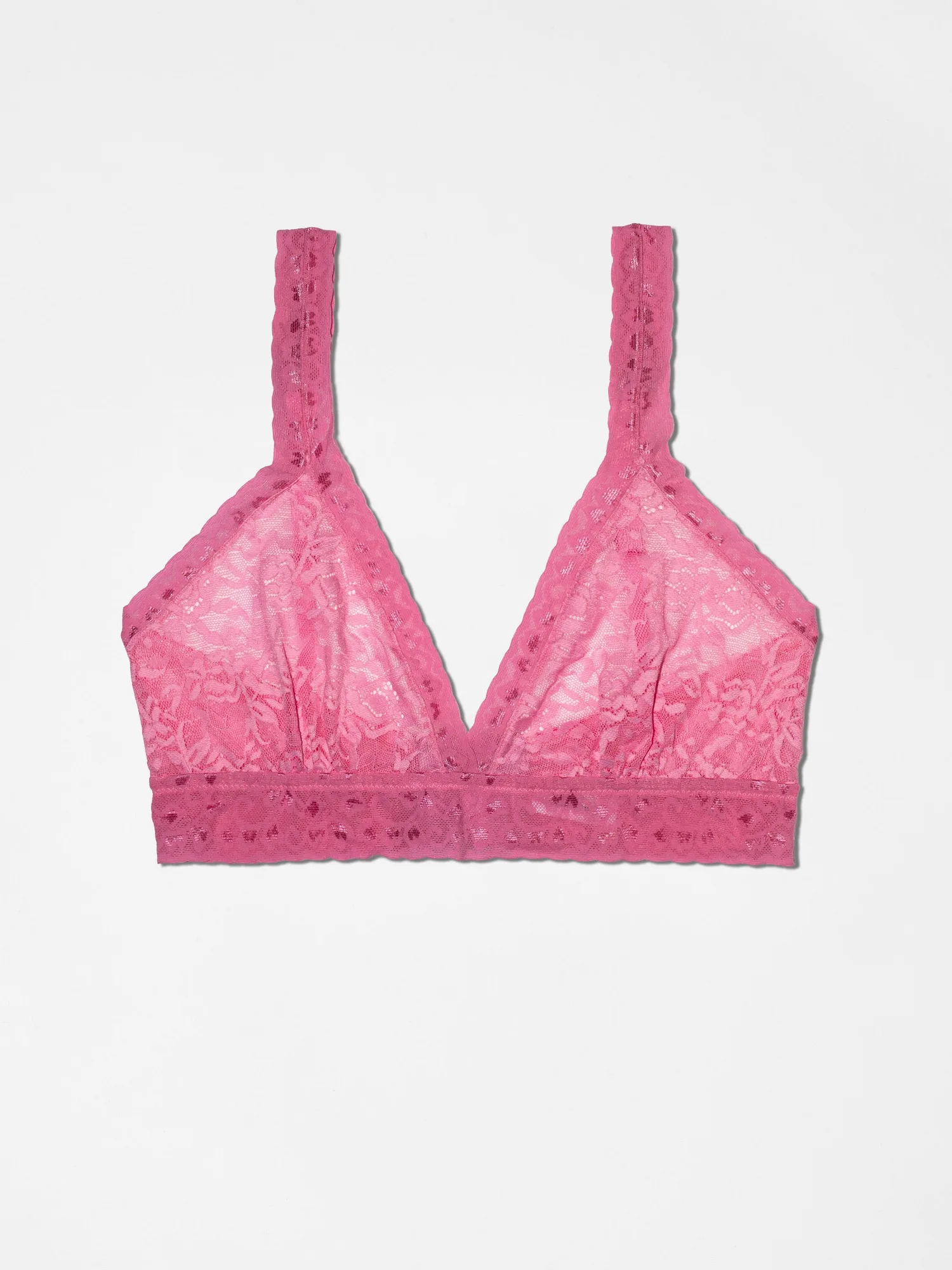
- Lace Bralette - Bubblegum: Wire-free and non-padded, crafted in signature stretchable lace that stretches up to 150%, with adjustable straps and a back clip. Because there is no padding to trap moisture, this bralette dries quickly after a cool rinse, but the back clip should be fastened before washing so it does not snag the lace.
Stain removal on lingerie is less about strength and more about sequence: blot, cool rinse, mild detergent, short soak, repeat only if needed. Treat your silk and lace pieces like the delicate investments they are, and a spot will rarely become permanent.