Quick Answer
To remove stains from swimwear, act fast: rinse the suit in cold water, apply a gentle stain remover or mild detergent, and gently rub the stain before washing by hand. Avoid hot water, bleach, and harsh scrubbing, which can damage the fabric.
Few things are more frustrating than discovering a stubborn sunscreen stain on your favorite bikini after a day at the beach. But with the right technique, you can often lift those marks and keep your swimwear looking vibrant. This guide walks you through practical steps to tackle common culprits like sunscreen, chlorine, and oils.
Whether you're dealing with a fresh spill or a set-in stain, the key is to be gentle and patient. Swimwear fabrics like nylon and elastane are delicate, so harsh chemicals and vigorous scrubbing can do more harm than good. Here's how to clean your swimsuit effectively without ruining it.
Understand the Stain
Before you start scrubbing, identify what you're dealing with. Sunscreen stains often appear as greasy, yellowish marks because of the oils and chemical filters in the product. Chlorine can cause discoloration, especially on lighter fabrics, while oil stains (from food, lotions, or body oils) create dark, greasy spots. Knowing the stain type helps you choose the right treatment.
For sunscreen and oil stains, you'll need a degreasing agent like dish soap or a specialized stain remover. For chlorine, a gentle oxygen-based bleach alternative can help, but test it on an inconspicuous area first. Always avoid chlorine bleach, which can weaken the fabric and cause more discoloration.
- Act quickly: fresh stains are easier to remove than set-in ones.
- Check the care label: most swimwear is hand wash only.
Pre-Treat the Stain
Once you've identified the stain, pre-treat it before washing. Rinse the area with cold water to remove any loose residue. Then, apply a small amount of mild dish soap or a gentle stain remover directly to the stain. Use your fingers or a soft-bristled brush to work the product in gently, but avoid rubbing too hard, as this can damage the fabric's elasticity.
Let the pre-treatment sit for about 10-15 minutes. This gives the product time to break down the oils or chemicals. For stubborn stains, you may need to repeat this step. Remember to use cold water only—hot water can set the stain permanently.
- Never use bleach or fabric softener on swimwear.
- Test any stain remover on an inside seam first.
Wash by Hand or Machine?
Hand washing is always the safest option for swimwear. Fill a basin with cold water and add a small amount of mild detergent. Submerge your suit and gently swirl it for a few minutes. Avoid wringing or twisting, which can stretch the fabric. Rinse thoroughly with cold water until no soap remains.
If you prefer machine washing, place your swimsuit in a mesh laundry bag and use the delicate cycle with cold water. Skip the spin cycle or set it to low to minimize stress on the fabric. Always air dry your swimwear away from direct sunlight, as heat and UV rays can cause fading and damage.
- Use a detergent that is free of dyes and fragrances.
- Never put swimwear in the dryer.
Step-by-Step Stain Removal
- Rinse Immediately: As soon as you notice a stain, rinse the area with cold water. This prevents the stain from setting and removes surface residue. Checkpoint: If the stain is fresh, this step alone may remove it.
- Apply Stain Remover: Use a gentle stain remover or mild dish soap directly on the stain. Gently work it in with your fingers or a soft brush. Mistake to avoid: Don't scrub aggressively, as it can damage the fabric.
- Soak in Cold Water: Soak the swimsuit in cold water with a mild detergent for 15-30 minutes. This helps lift the stain without harsh chemicals. Checkpoint: For stubborn stains, repeat this step before washing.
- Hand Wash Gently: Hand wash the suit in cold water with a gentle detergent. Swirl it softly and rinse thoroughly. Mistake to avoid: Never wring or twist the fabric.
- Air Dry: Lay the swimsuit flat on a towel to air dry, away from direct sunlight. Avoid the dryer, which can damage elastic fibers. Checkpoint: Ensure the suit is completely dry before storing.
Swimwear That's Worth Protecting
- Boudoir Beach Magenta Bikini Brief: Bikini brief with heat resistant gold buckle detailing at side. Fully lined with good coverage. Made of 85% Polyamide and 15% Elastane. The heat-resistant details and quality fabric make it a durable choice, but proper stain removal will keep the gold hardware and vibrant color looking new.
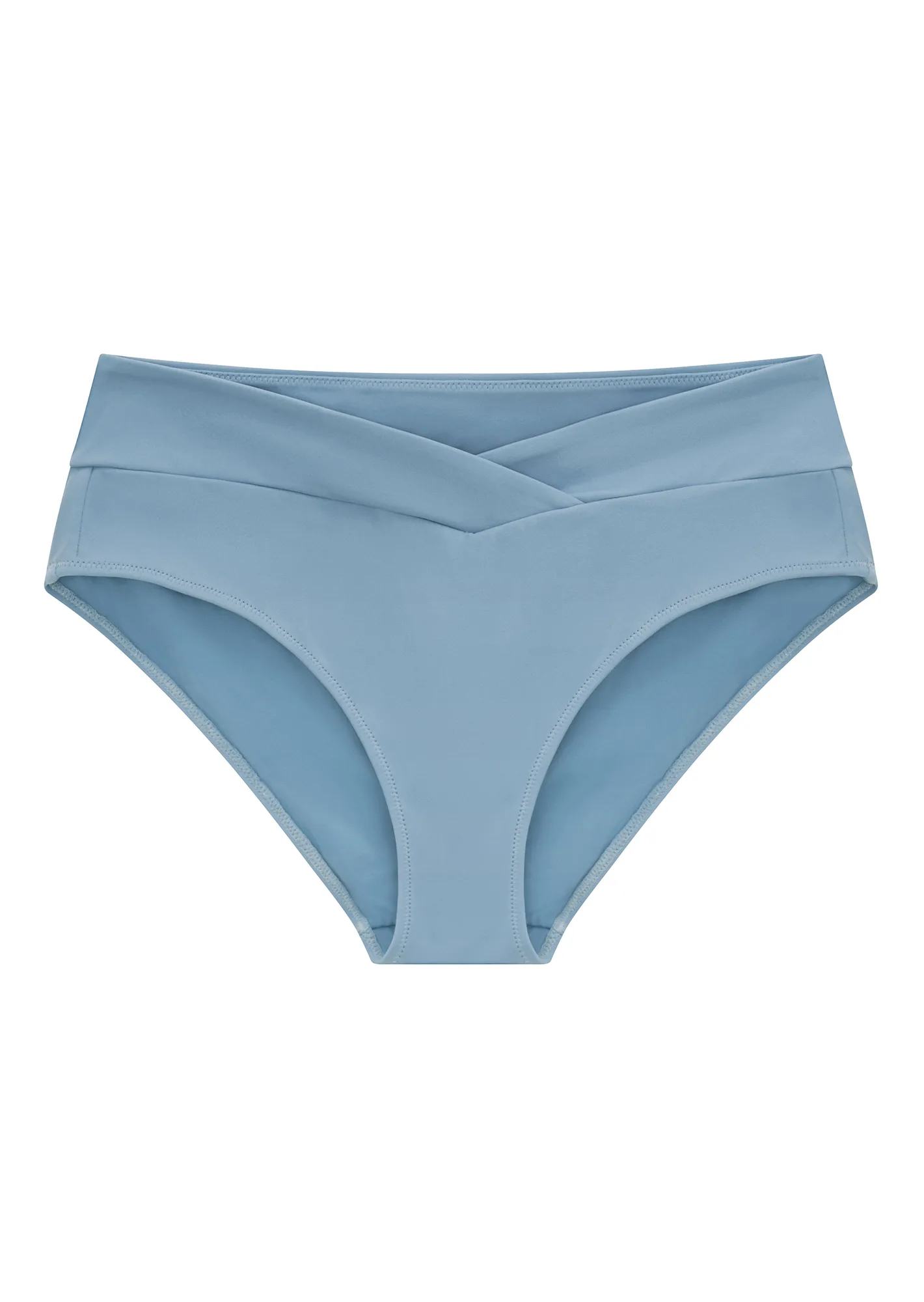
- Ines Airforce Blue Cross Front Brief: Offers good coverage and a flattering fit with extra coverage on the tummy area, featuring a waist-defining cross front. Made of 81% Nylon and 19% Elastane. This brief's tummy-control design is a favorite, and using gentle stain removal techniques will help maintain its shape and support.
Removing stains from swimwear doesn't have to be a chore. By acting quickly, using gentle products, and following these steps, you can keep your favorite suits looking their best. Remember to always check the care label and treat your swimwear with the same care you would any delicate garment. With a little effort, you'll extend the life of your swimwear and stay beach-ready all season.