Quick answer
Soak a reusable makeup-removing cloth in warm water, hold it against your face for 10 to 15 seconds so the water can loosen the film, then wipe in one direction with light pressure. Rinse the cloth and repeat on any area that still feels slick. For water-resistant or waterproof SPF, do a second pass with a fresh section of cloth rather than scrubbing harder.
Why sunscreen resists a quick splash
Sunscreen formulas are built to form a film that stays on your skin through sweat, swimming, and rubbing. That film is exactly what makes SPF effective, and it is also why a fast rinse leaves residue behind. The leftover layer usually shows up as a slightly slick or tacky feeling, a white cast along the hairline and jaw, or small pills of product that ball up when you apply moisturizer.
That residue matters for more than comfort. Leftover SPF can mix with sebum and dead skin, clog pores, and make evening skincare sit unevenly. It can also interfere with how well your nighttime products absorb. Removing it fully is the goal, but the method matters: aggressive scrubbing can leave skin red, tight, and more sensitive, especially if you used a water-resistant formula or reapplied several times during the day.
What you need before you start
You do not need a cabinet full of products to take off sunscreen. Warm water and a soft, reusable cloth designed for makeup removal do most of the work, because the cloth's fibers lift the film while the water helps it release. If you wear a heavy or water-resistant SPF, keep a second clean cloth or a clean section of the same one within reach so you are never wiping with a saturated surface.
Skip anything abrasive: exfoliating mitts, rough washcloths, and gritty scrubs can drive the sunscreen film into the skin while irritating the surface. If your skin is oily, a light gel cleanser after the cloth can help with any remaining slip. If your skin is dry or sensitive, you may find water alone is enough, and that is a legitimate stopping point rather than a compromise.
Step-by-step SPF removal
- Wet the cloth with warm water: Run a reusable makeup-removing cloth under warm, not hot, water and wring it out so it is damp rather than dripping. Warm water helps soften the sunscreen film without stripping skin. Checkpoint: the cloth should feel comfortably warm against your wrist. If it is too hot to hold there, it is too hot for your face.
- Press and hold before you wipe: Lay the damp cloth over one area, such as a cheek or the forehead, and hold for 10 to 15 seconds. This gives the water time to loosen the SPF instead of relying on friction to drag it off. Common mistake: wiping immediately. Rushing this step is the main reason people end up scrubbing harder than they need to.
- Wipe in one direction with light pressure: Move the cloth across your skin in a single direction, then fold it to a clean section and continue. Work around the face in sections: cheeks, forehead, nose, chin, then hairline and jaw edges. Checkpoint: no dragging, no circular scrubbing. If the cloth catches or tugs, add more water.
- Give water-resistant SPF a second pass: For waterproof or water-resistant formulas, repeat with a fresh section of cloth rather than pressing harder on the first pass. A second gentle pass removes more than one aggressive pass ever will. Common mistake: treating stubborn SPF as a strength problem. It is a saturation problem, so swap to a clean surface.
- Check the edges where residue hides: Run the cloth along the hairline, behind the ears, the sides of the nose, and under the jaw. These are the spots where sunscreen residue on skin is easiest to miss and most likely to cause clogged pores. Checkpoint: if the skin still feels slick or looks chalky in daylight, do one more light pass.
- Rinse the cloth and let skin dry down: Rinse the cloth thoroughly, wring it out, and hang it to dry. Let your face air-dry for a minute before applying moisturizer or treatments so you can tell whether any film remains. Next step: if you still feel slip, use a small amount of gentle cleanser rather than reaching for a scrub.
- Wash the cloths at the end of the week: Because each cloth in a 7-day set covers one day, you can collect them and machine wash them together instead of washing a single cloth nightly. Checkpoint: replace any cloth that smells musty or has lost its softness, since a clean cloth is what makes the water-only method work.
Where a 7-day set fits in
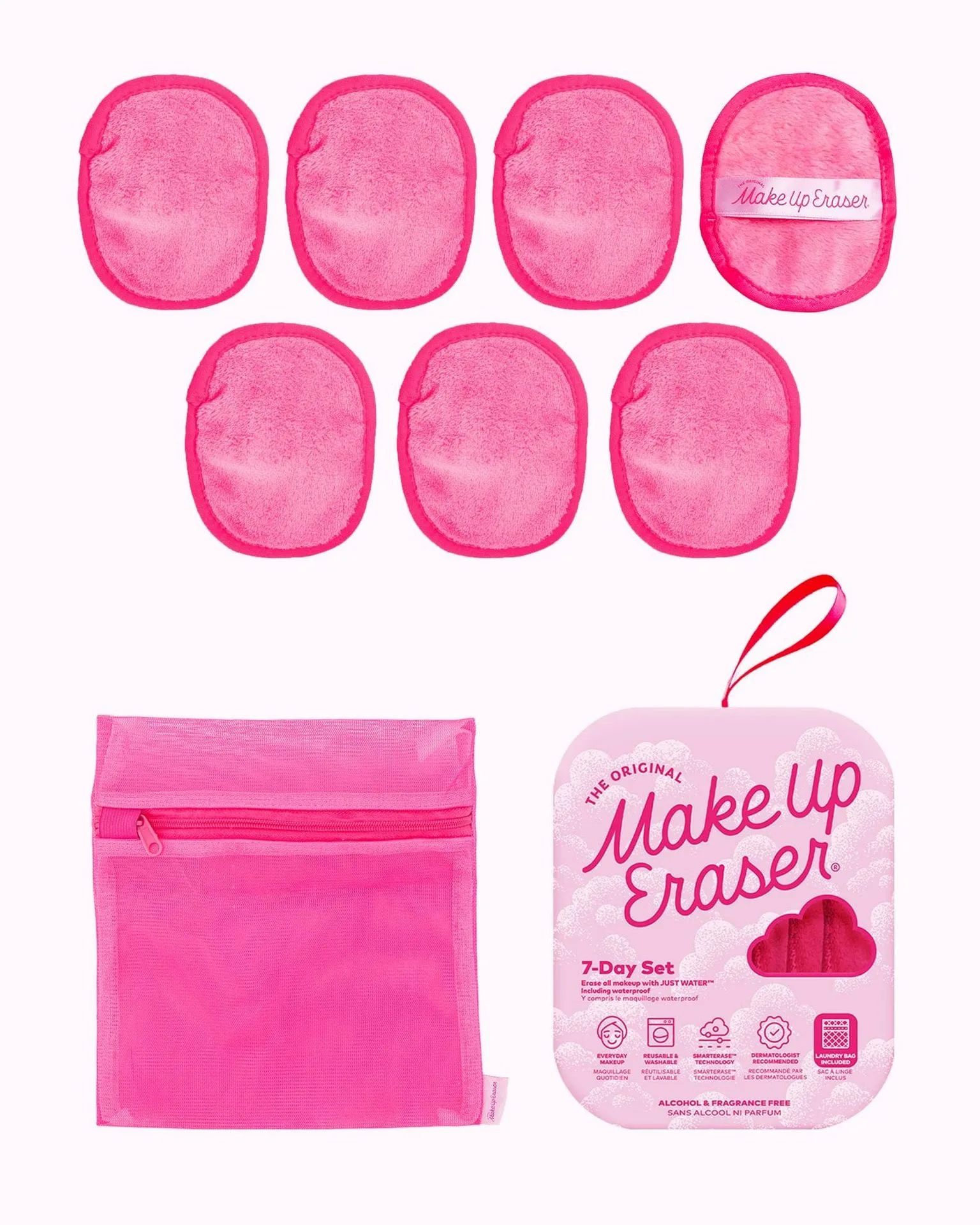
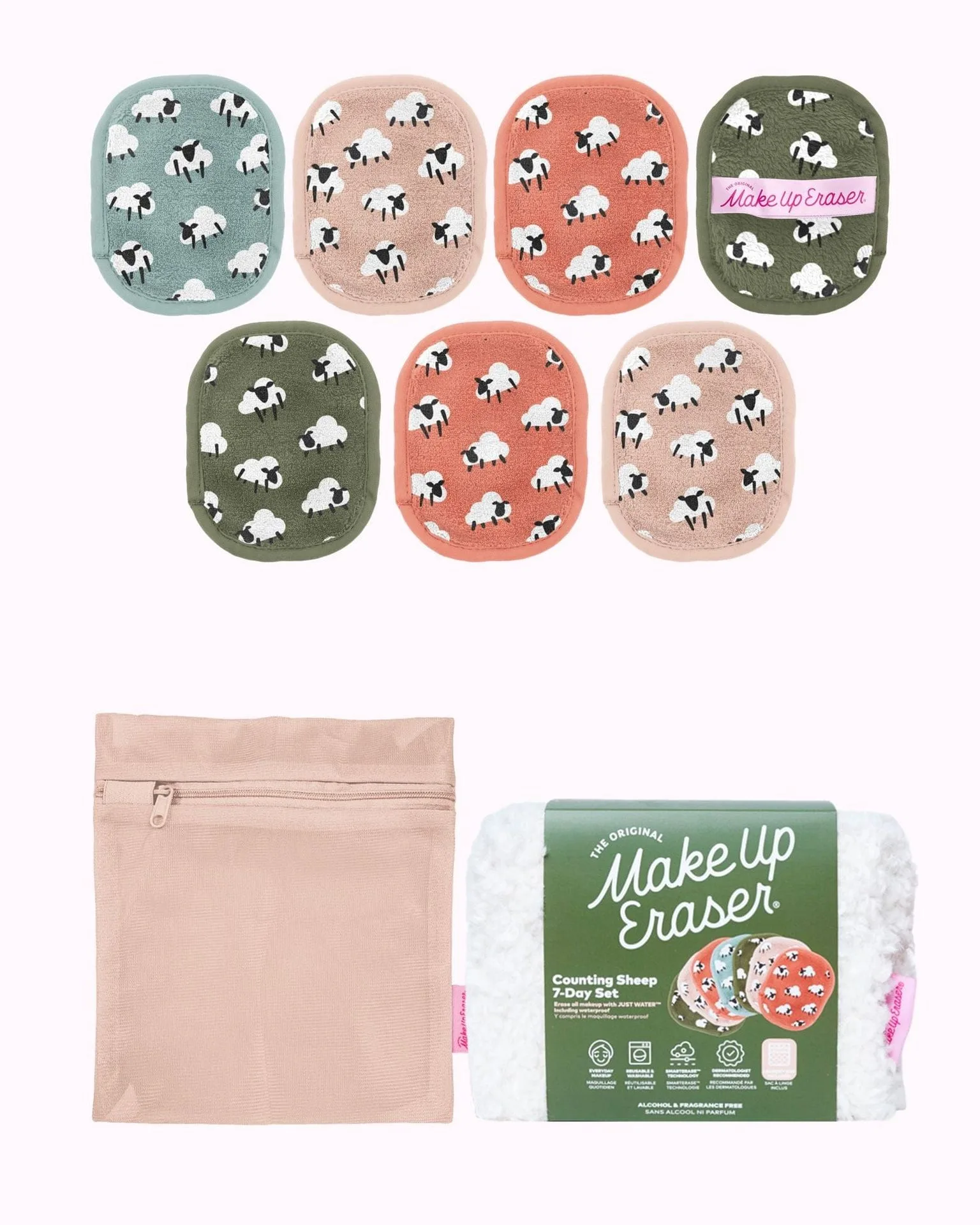
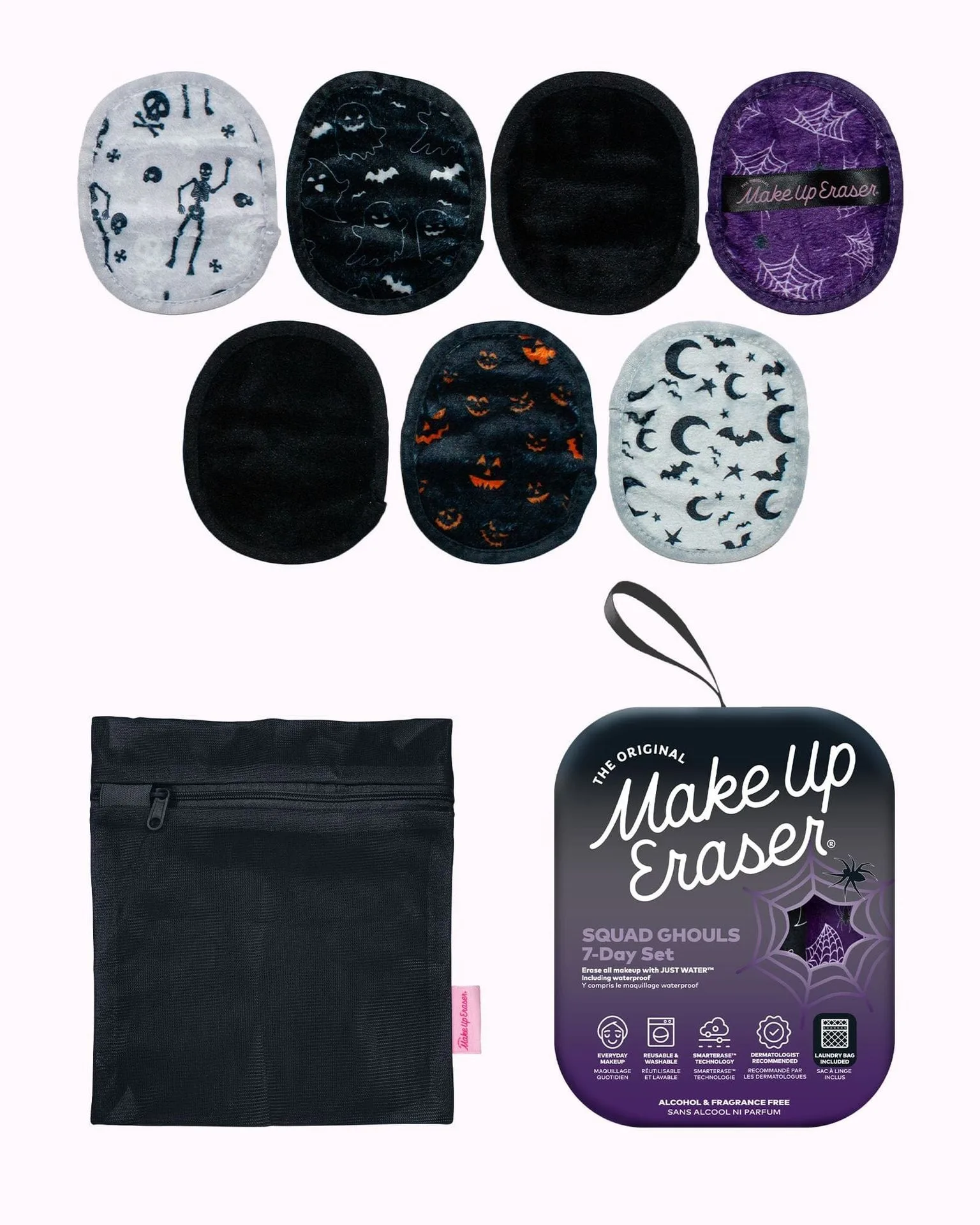
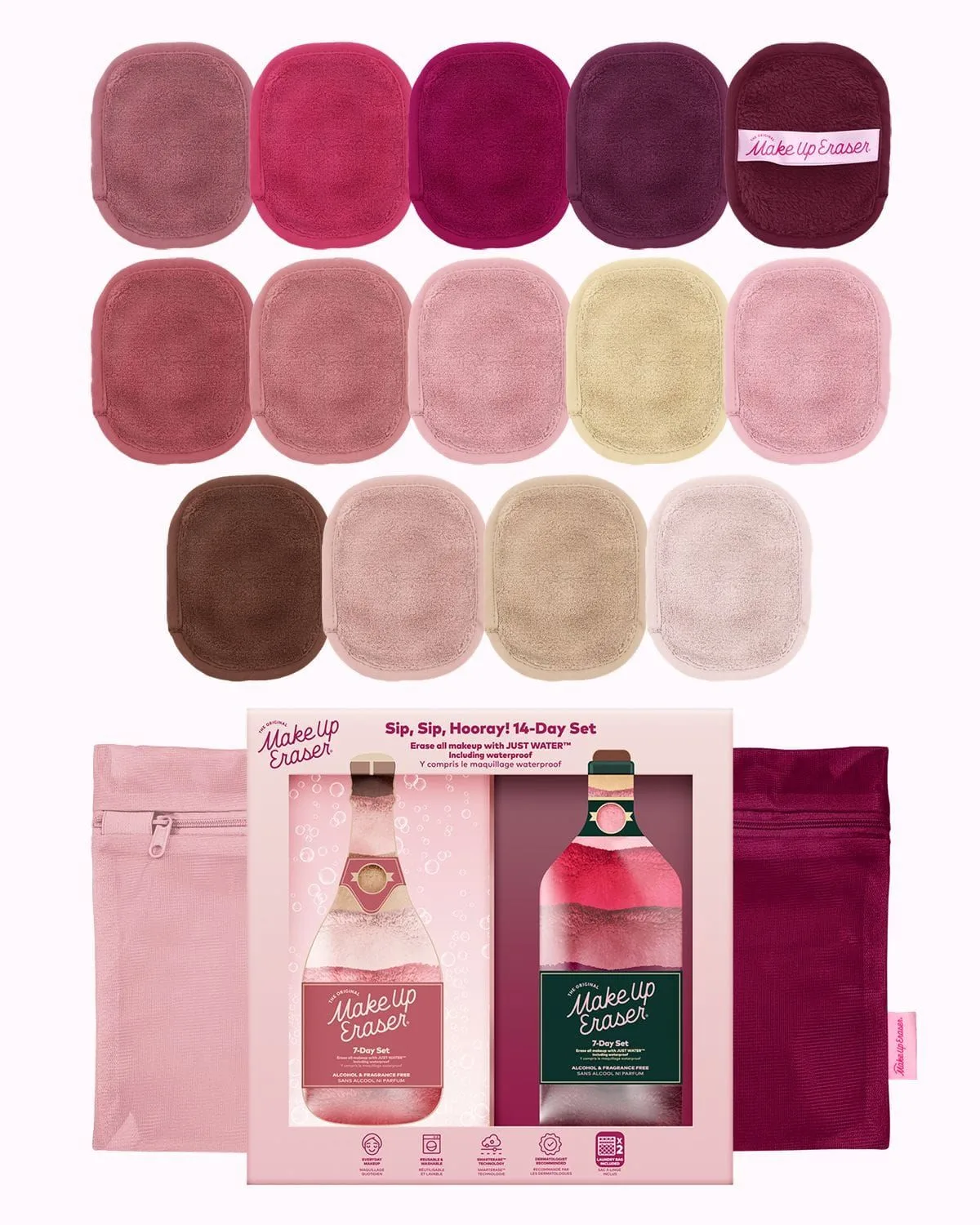
- Seashells 7-Day Set: The Seashells 7-Day Set includes seven reusable makeup eraser pads designed to remove makeup, including waterproof formulas, with just water, and each pad is machine washable. If you wear water-resistant SPF most days, having a fresh pad available means you are never wiping with a cloth that is already saturated with sunscreen and makeup.
- Coastal Cowgirl 7-Day Set: The Coastal Cowgirl 7-Day Set includes seven reusable makeup eraser cloths designed to remove makeup with just water, reducing the need for wipes or cleansers. A week's worth of cloths lets you rotate through sunscreen removal days without hand-washing a single cloth every night.
- Farmer's Market 7-Day Set: The Farmer's Market 7-Day Set includes seven reusable makeup eraser cloths, one for each day of the week, for gently wiping away makeup without harsh chemicals or disposable wipes. One cloth per day keeps the routine simple and makes it easy to tell when a cloth needs to go in the wash.