Quick answer
Most torn plush toys can be repaired at home with a ladder stitch, matching thread, and a little patience. Start by diagnosing whether the tear is a simple seam split or a fabric rip with missing material, then stabilize the stuffing before you sew. If the fabric is crumbling, the tear is larger than a coin, or the plush is a limited edition with collector value, stop and consider professional restoration or a replacement.
A torn plush toy is rarely a lost cause. Whether your child’s favorite Popple has split a seam or a vintage stuffed animal has a fabric rip, the right repair depends on what actually failed. This guide walks you through diagnosis, tools, and a step-by-step repair so you can fix a ripped stuffed animal without making it worse.
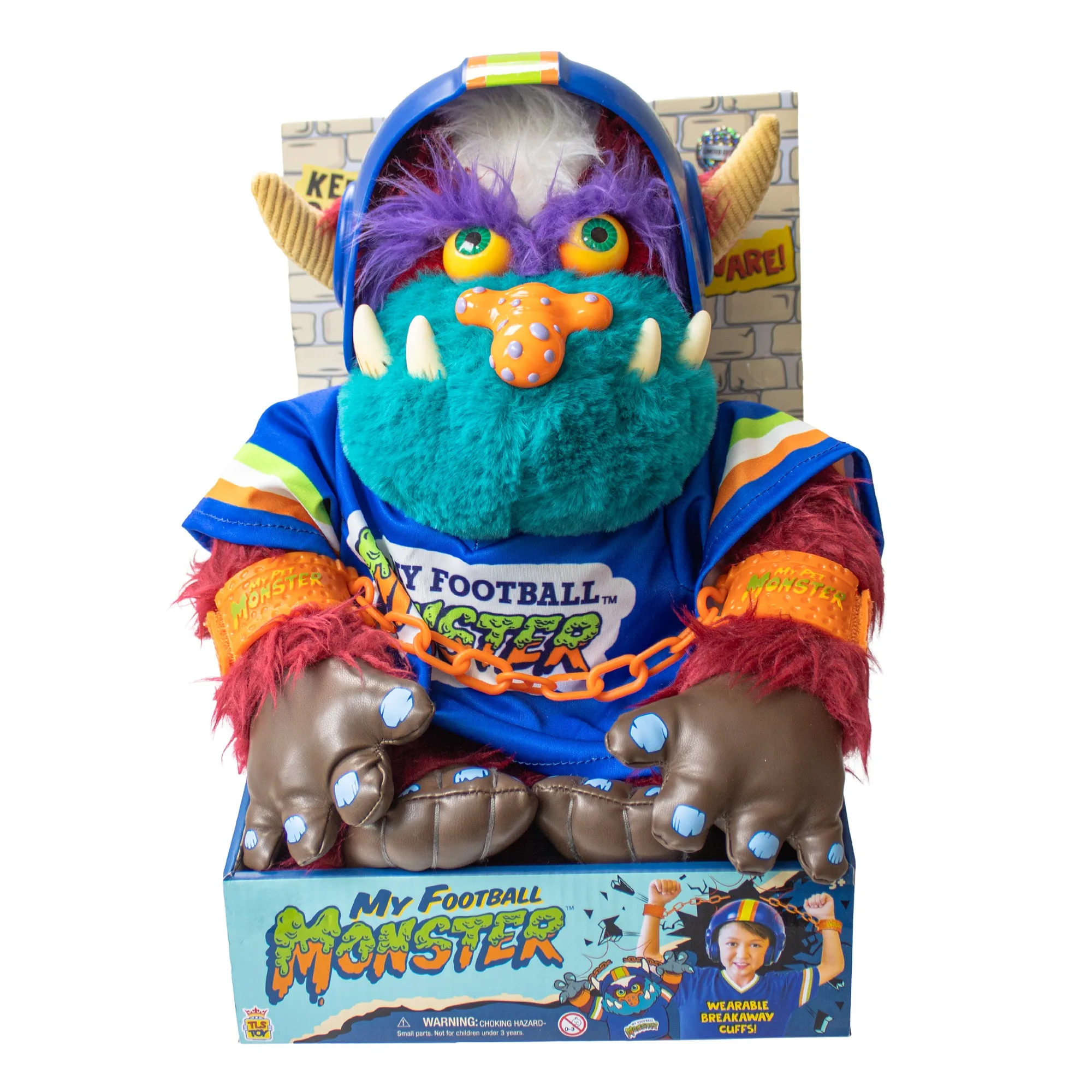
You will also learn when to stop and choose another option, because some tears are not worth home repair. Limited edition plush like the 2026 Convention Exclusive Football Monster Deluxe Plush or a rare Party Popple may need a professional to preserve value. For everyday plush, a basic stitch can add years of cuddling.
Diagnose the tear before you thread a needle
Start by separating two common problems: a seam split and a fabric rip. A seam split is a clean line along the original stitching where the thread has broken or pulled through. It usually closes easily with a ladder stitch. A fabric rip is a jagged hole in the material itself, often caused by chewing, pulling, or age. Fabric rips may need a patch or backing fabric, not just sewing.
Check the stuffing next. If the tear is leaking fiberfill, gather the loose stuffing and set it aside. If the stuffing is dirty, matted, or missing, you may need to replace it with fresh polyester fiberfill before closing the seam. A plush that is understuffed will not hold its shape after repair.
- Pull gently on both sides of the tear. If the edges meet with no gap, it is likely a seam split.
- If the edges do not meet or the fabric crumbles, treat it as a fabric rip and plan for a patch.
- Photograph the tear before you start so you can compare your progress.
Gather the right tools for plush toy repair
You do not need a sewing machine for most plush repairs. A hand-sewing needle, matching thread, and small scissors will handle seam splits and small rips. Use polyester or cotton thread that matches the plush color. For heavier plush like the 14-inch Football Monster, a slightly thicker thread or doubled thread adds strength.
Add a few optional tools: a seam ripper for removing old thread, straight pins or clips to hold the seam closed, and a chopstick or blunt pencil to push stuffing back into corners. If the fabric is thin or fraying, keep a small piece of soft cotton fabric or fusible interfacing nearby for backing.
- Match thread to the fabric, not the stuffing; a close color match hides stitches.
- Use a needle small enough to pass through the fabric without leaving a large hole.
- Work in good light so you can see the original stitch line.
Step-by-step: sew a torn plush toy closed
First, turn the plush inside out if the tear is along an accessible seam and the plush is not too stiff. If you cannot turn it, work from the outside. Push the stuffing away from the opening with your fingers or a chopstick so it does not get caught in the stitches. Thread your needle and knot the end.
Use a ladder stitch, also called a hidden stitch. Bring the needle up through one edge of the tear, then straight across to the other edge, and pull gently. Repeat along the length of the tear, keeping stitches small and even. As you pull the thread, the seam closes and the stitches disappear inside. Finish with a couple of backstitches and a knot, then trim the thread.
- Do not pull too hard; tight stitches can pucker the fabric.
- If the tear is curved, follow the curve with your stitches rather than forcing a straight line.
- After sewing, fluff the plush and check for any gaps.
When to stop and choose another option
Stop if the fabric is brittle, crumbling, or has a large missing section. Sewing brittle fabric can cause new tears. Stop if the tear is larger than a coin or if the plush is a limited edition with collector value. In those cases, a professional toy restorer or a replacement is the better choice.
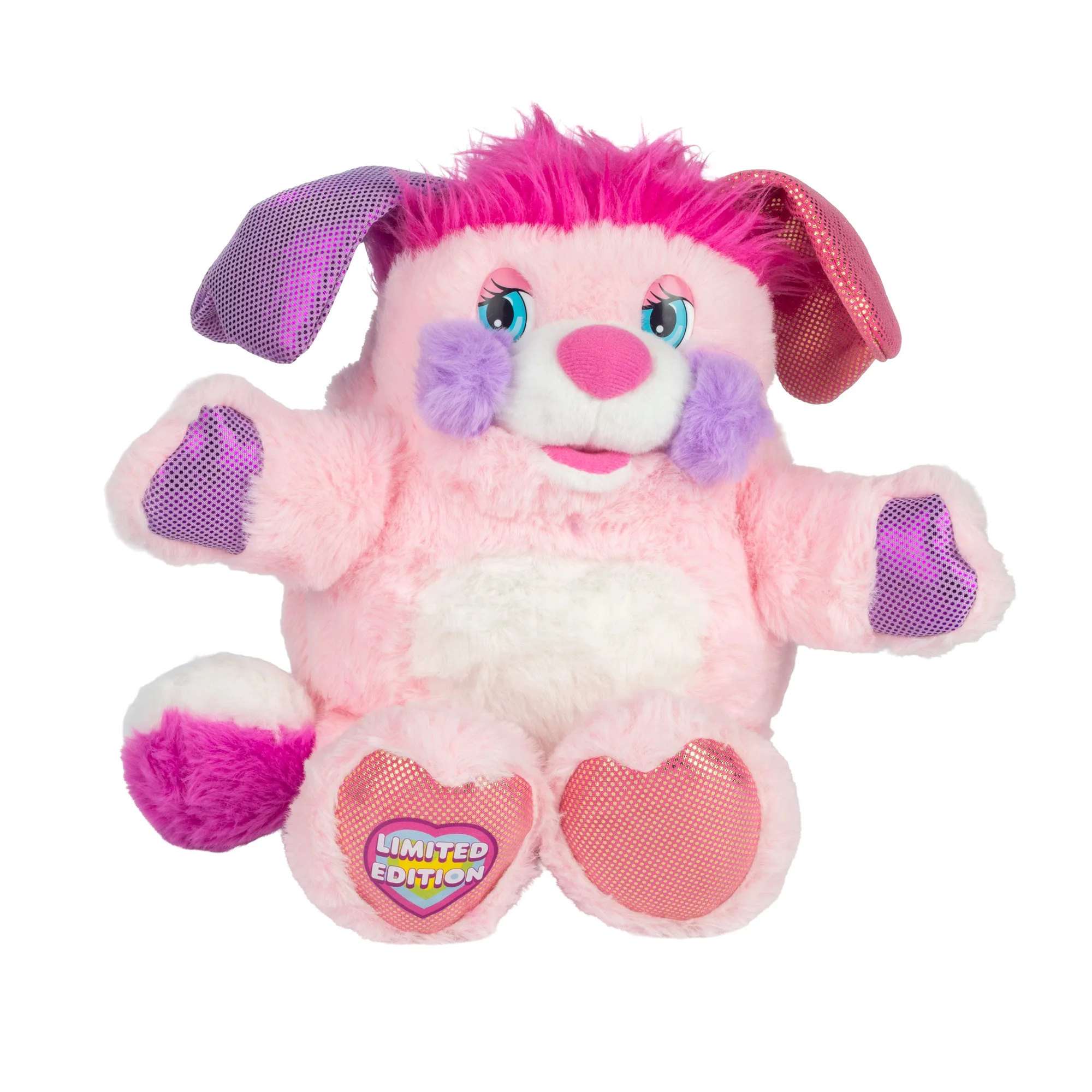
Also stop if the plush has sentimental value and you are not confident in your stitching. A poorly done repair can be harder to fix later. For display pieces like the limited edition Party Popple with sparkling textured hearts, a professional can preserve the original look. For everyday plush, a home repair is usually fine.
- If you see mold, a musty smell, or pest damage, do not repair; isolate and consult a professional.
- If the plush is a 2026 Convention Exclusive, check whether repair will affect its value.
- When in doubt, practice the stitch on a scrap of fabric first.
Tear diagnosis: symptom, cause, action, and stop point
- Clean seam split with no missing fabric: Likely cause: thread broke or pulled through from normal play. Corrective action: ladder stitch along the original seam line using matching thread. If the edges meet easily, this is a 10-minute repair.
- Jagged rip with frayed edges: Likely cause: chewing, pulling, or age-related fabric weakness. Corrective action: back the tear with soft cotton fabric and stitch the edges to the backing. If the fabric crumbles when you pull, stop and consider a patch or professional help.
- Tear larger than a coin or missing stuffing: Likely cause: major damage or loss of fiberfill. Corrective action: replace stuffing, then close with a ladder stitch; if the hole is too large, add a fabric patch. If the plush is a limited edition like the Football Monster, stop and consult a professional restorer.
Plush examples and repair considerations
- Party Popple 11" Large Plush: This colorful, furry creature resembles a marsupial teddy bear with a long, pom-pom tail. The long tail and pom-pom are common snag points; reinforce the tail base with a few extra stitches if it starts to pull away.
- My Pet Monster – Football Monster 14” Plush: This limited-edition release revives one of the rarest, most sought-after variants from the classic universe. Because it is a limited edition, a home repair may reduce collector value; consider a professional restorer for tears on this plush.
- PARTY Popple – Large Plush (Limited Edition): Features bright, bold colors, sparkling textured hearts on the feet, and its signature ability to “pop” inside out. The textured hearts and pop mechanism can be damaged by rough stitching; use a fine needle and avoid sewing through the heart appliques.
A torn plush toy is often fixable with a needle, thread, and a careful diagnosis. Repair seam splits and small rips at home, but stop when the fabric is brittle, the tear is large, or the plush is a limited edition. With the right approach, you can mend a stuffed animal and keep it huggable for years.