Quick Answer
To repair wooden toys, start with gentle cleaning and assess the damage. For chipped edges, sand smooth and apply a non-toxic wood filler or wax stick. Maintain wooden toys by storing them away from extreme humidity and direct sunlight, and oil them occasionally with food-safe mineral oil.
Wooden toys are durable, but even the sturdiest block can get a chip or a loose joint after years of play. The good news: most repairs are simple and safe, and regular maintenance can keep your child's favorites looking and functioning like new.
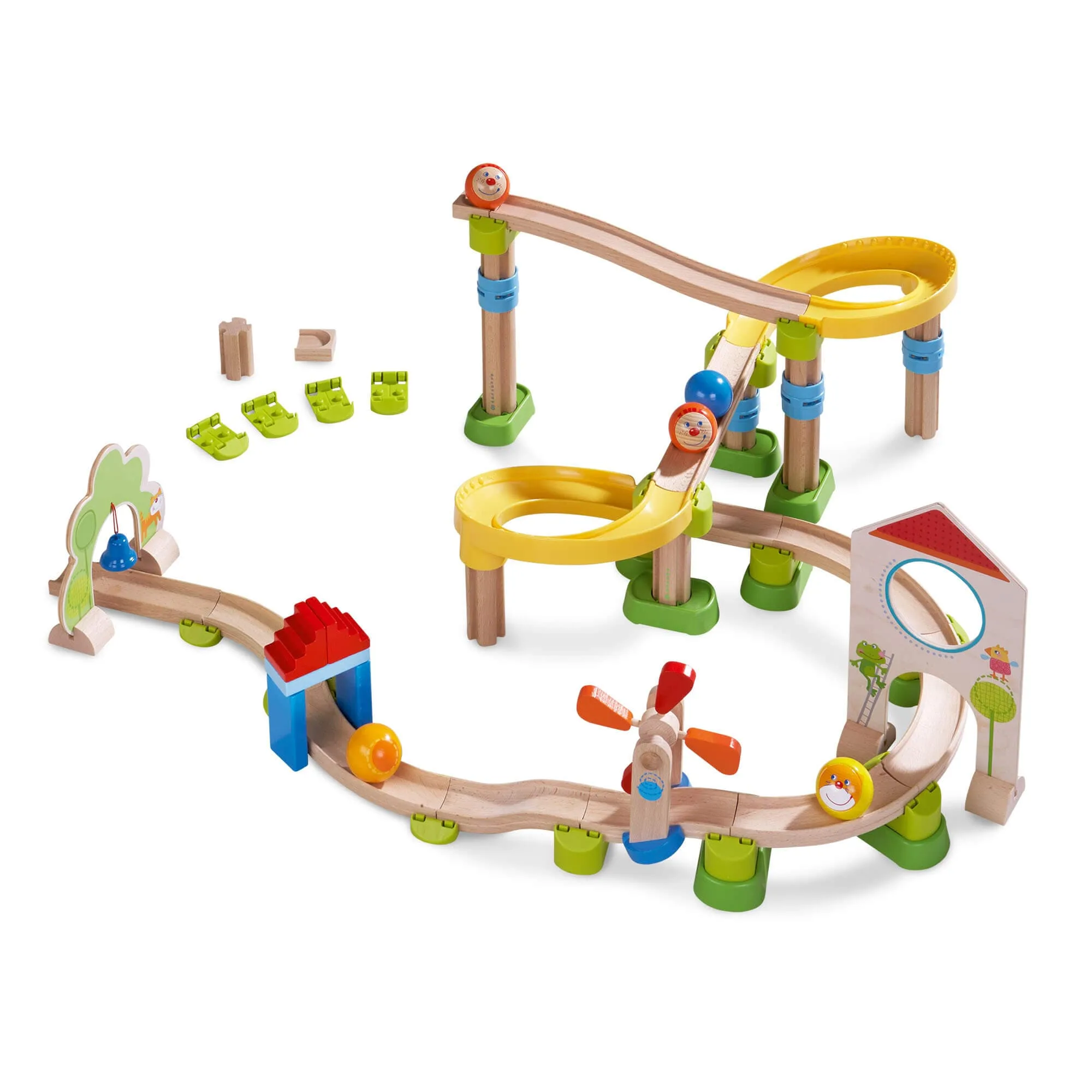
Whether you're dealing with a chipped corner on a beloved block or want to prevent cracks in a wooden track set, this guide walks you through the essential steps to repair and maintain wooden toys at home.
Why Wooden Toys Need Special Care
Wood is a natural material that responds to its environment. It can absorb moisture, dry out, and expand or contract with temperature changes. That's why wooden toys need a different care routine than plastic ones. Regular cleaning and proper storage prevent most damage, such as warping, cracking, or splintering.
Another reason to care for wooden toys is safety. Splinters or loose parts can pose risks to young children. By routinely inspecting and maintaining your toys, you ensure they remain safe for play and last for years—even becoming heirlooms.
- Always check for loose parts or splinters before giving a toy to a child.
- Avoid soaking wooden toys in water; use a damp cloth instead.
Gathering the Right Supplies
Before you start repairing, you'll need a few supplies. Most are inexpensive and easy to find. For basic cleaning, have a soft cloth, mild soap, and a small bowl of water. For repairs, keep fine-grit sandpaper (220 grit), wood glue, a putty knife, and non-toxic wood filler or wax sticks in your toolkit.
You may also want food-safe mineral oil for conditioning and a soft brush to remove dust from crevices. Always choose products labeled non-toxic and safe for children's items. If you're unsure, test any product on a hidden area first.
- Never use regular paint or varnish on toys that will be chewed or mouthed by children.
- Store your repair supplies out of reach of little hands.
Step-by-Step Cleaning Routine
Start by dusting the toy with a dry, soft cloth to remove loose particles. Then, mix a small amount of mild dish soap with warm water. Dampen a cloth (not soaking wet) and wipe the toy's surface. Avoid submerging wooden toys in water, as this can cause the wood to swell and joints to loosen.
For stubborn dirt, you can use a soft-bristled brush, like a toothbrush, to gently scrub crevices. After cleaning, dry the toy thoroughly with a separate cloth and allow it to air dry completely before storing. Never use harsh chemicals or abrasive cleaners, as they can strip the finish.
- Clean toys monthly or more often if they're heavily used.
- Always dry toys completely to prevent mold and mildew.
Repairing Chips and Scratches
To fix a chipped edge, first sand the area lightly with fine-grit sandpaper to smooth any rough spots. Wipe away the dust. If the chip is small, you can fill it with a non-toxic wood filler or a wax stick that matches the wood color. Apply with a putty knife, let it dry, then sand again for a smooth finish.
For deeper scratches that don't affect the toy's integrity, you can often just sand them out and condition the wood. If a piece is completely broken, use wood glue to reattach it, clamping until dry. Always ensure the repair is secure before giving the toy back to a child.
- Test wood filler on a hidden spot to ensure color matches.
- Sand in the direction of the wood grain to avoid visible marks.
Tightening Loose Joints and Parts
Loose joints are common in wooden toys with moving parts, like doll limbs or wheels. To tighten them, apply a small amount of wood glue to the joint and press the parts together. Wipe away excess glue with a damp cloth. Hold or clamp the pieces until the glue dries completely, usually 24 hours.
If the joint is a screw or bolt, you can simply tighten it with a screwdriver. For press-fit parts that have become loose, you can add a thin layer of wood glue to the peg, let it dry slightly, then insert it. This creates a snugger fit without leaving a mess.
- Check all joints regularly, especially on toys that get rough play.
- Avoid over-tightening screws, which can strip the wood.
Conditioning and Protecting the Wood
To keep wood from drying out and cracking, condition it occasionally with food-safe mineral oil. Apply a small amount to a soft cloth and rub it into the wood in a circular motion. Let it absorb for a few hours, then buff off any excess. This nourishes the wood and brings out its natural beauty.
You can also protect the finish by applying a thin coat of beeswax polish. This adds a protective layer that repels moisture and dirt. Always use products that are safe for children's toys, and reapply every few months or as needed.
- Do not use cooking oils like olive or vegetable oil, as they can go rancid.
- Test any polish on a small area first to ensure it doesn't discolor the wood.
Proper Storage and Handling
How you store wooden toys greatly affects their lifespan. Keep them in a dry, cool place away from direct sunlight, which can fade colors and dry out wood. Avoid attics, basements, or garages where humidity fluctuates. A dedicated toy bin or shelf with good airflow works well.
Also, teach children to handle toys gently, but expect some wear and tear. Regularly inspect toys for damage and address issues early. With proper care, wooden toys can be passed down through generations.
- Store wooden toys away from heaters and air conditioners.
- Rotate toys to reduce wear on favorites.
Repair Steps at a Glance
- Clean and Assess: Dust and wipe the toy with a damp cloth. Inspect for chips, cracks, loose joints, or splinters. Decide if it needs simple cleaning or a repair. Checkpoint: If you find deep cracks or missing pieces, assess whether the toy is still safe for play.
- Sand and Smooth: Use fine-grit sandpaper to smooth any rough edges or splinters. Sand in the direction of the grain to avoid visible marks. Wipe away dust. Checkpoint: After sanding, run your finger over the area to ensure it's smooth and safe for little hands.
- Fill Chips and Scratches: Apply non-toxic wood filler or a wax stick to chips and deep scratches. Use a putty knife to spread it evenly. Let it dry completely, then sand again if needed. Checkpoint: Ensure the filler is completely dry and flush with the surface before play.
- Tighten Joints and Glue Parts: For loose joints, apply a small amount of wood glue and press parts together. Wipe off excess glue. For broken parts, glue and clamp until dry. Checkpoint: After drying, test the joint to ensure it's secure and doesn't wobble.
- Condition the Wood: Apply a thin layer of food-safe mineral oil or beeswax polish to nourish the wood and protect it from drying. Buff with a soft cloth. Checkpoint: Allow the oil to absorb fully before returning the toy to your child.
Products That Last and How to Care for Them
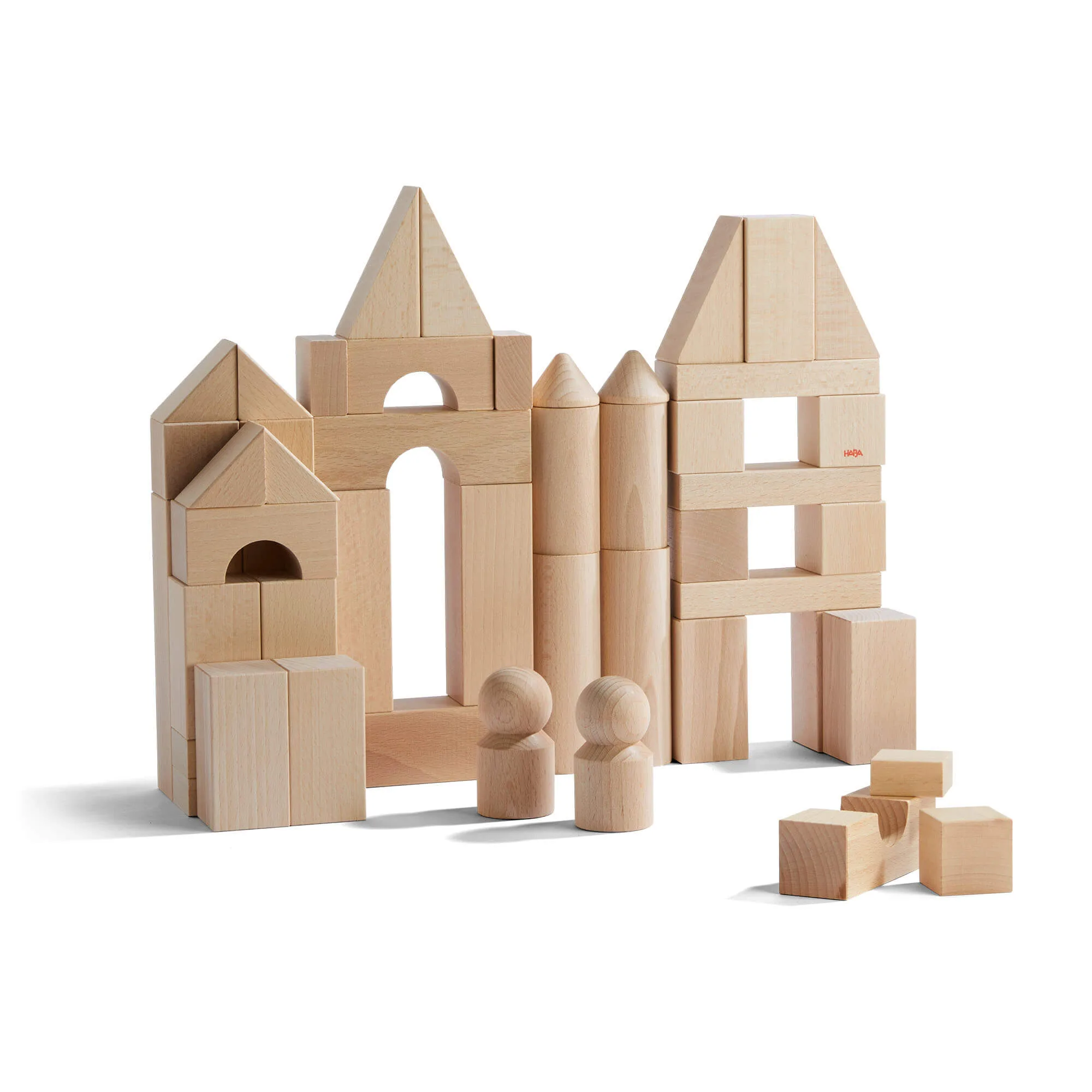
- Basic Building Blocks 60 Piece Large Starter Set: This solid wood building block set is crafted from solid beech wood blocks for just playing or building an architect's dream. 60 pieces selection of blocks will build a castle, fort, or anything else your little builder can dream up! The sturdy fabric carrying tote included makes this set fun to play and easy to store! Beech wood is durable, but like all wood, it benefits from occasional oiling to prevent drying. The included tote helps with tidy storage, reducing the risk of damage from being scattered or stepped on.
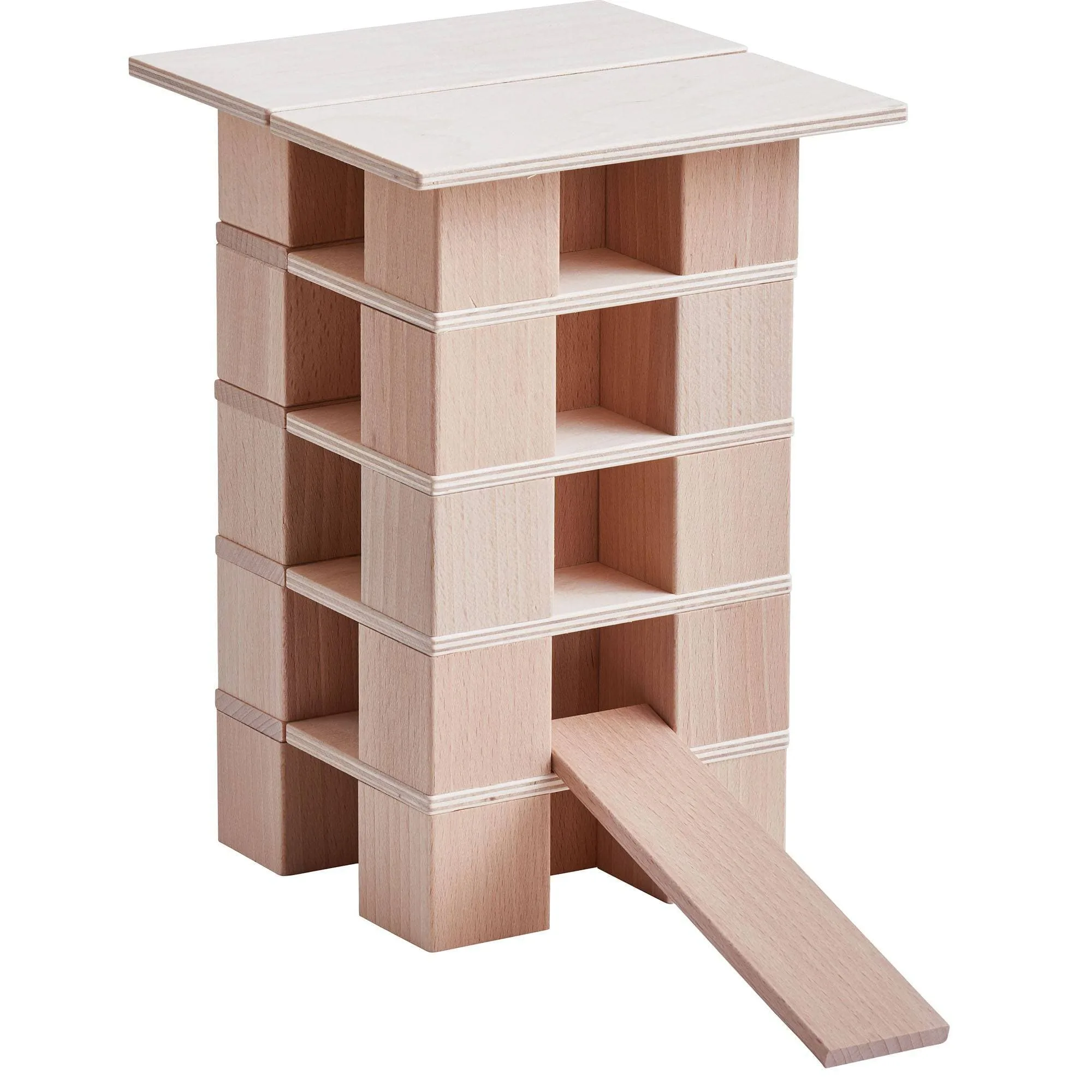
- Clever Up! Building Block System 1.0: These building blocks are perfect for early building. The cube is the base element, supplemented with panels and strips. They can be used to build tunnels, towers or bridges. Even young builders can explore, line up and stack the building blocks. With many small pieces, it's important to check for loose connections or splinters. Regular cleaning and inspecting the panels and strips will keep the system safe and functional for years of creative play.
With a little time and the right supplies, you can repair and maintain wooden toys so they stay safe, beautiful, and ready for years of play. Regular care not only protects your investment but also preserves the joy these timeless toys bring to your family.