Quick answer
Most light scratches on painted or oiled wooden toys are surface marks, not structural damage. Clean the toy, smooth shallow scratches with fine abrasive or a wax stick, and refresh the finish with a child-safe oil or wax. Skip sanding deep gouges, cracks, or loose joints, and retire the toy if the wood is splintering or the paint is flaking.
A scratched wooden toy is not automatically a damaged toy. Most marks come from normal play, and many can be improved in ten minutes with simple materials. The trick is knowing which scratches are cosmetic and which ones mean the toy should stop being used.
This guide walks through a wooden toy scratch fix step by step, from diagnosis to refinishing. It also covers when to stop, when to choose another option, and how to keep the rest of your wooden toy care routine from undoing your work.
Diagnose the scratch before you touch it
Run a fingernail lightly across the mark. If your nail glides over it, it is a surface scratch in the finish and a good candidate for repair scratched wooden toys techniques. If your nail catches in a groove, the wood itself is cut. If you see a crack, a lifted edge, or a wobbly joint, treat it as a structural problem rather than a finish problem.
Look at the color of the scratch too. A pale line on painted wood usually means the paint layer is gone. A dark line often means dirt or metal transfer. A wet or sticky line can mean the finish is breaking down, which is different from a scratch and needs a different response.
- Surface scratch: nail glides, no crack, no movement.
- Deep scratch: nail catches, wood fibers are torn.
- Structural issue: crack, splinter, loose joint, or flaking paint.
Gather simple, child-safe materials
You do not need a workshop. A soft cloth, mild soap, fine abrasive pad or sandpaper in the 400 to 600 grit range, a wax repair stick or clear furniture wax, and a child-safe oil or wax finish will cover most jobs. Avoid solvent-based paints, varnishes, and anything labeled for outdoor decking.
Work in a well-ventilated area and keep the toy away from children until the finish is fully dry. If you are unsure what finish is already on the toy, test any product on an inconspicuous spot first. When in doubt, choose the gentler option: clean, wax, and leave the wood alone.
- Soft cloth and mild soap for cleaning.
- 400–600 grit abrasive for light smoothing only.
- Child-safe oil or wax for refreshing the surface.
Step-by-step wooden toy scratch fix
Clean the toy first with a damp cloth and mild soap, then let it dry completely. For a light surface scratch, rub a wax repair stick into the mark and buff with a soft cloth. For a slightly deeper scratch, sand gently along the grain with 400 to 600 grit, wipe away dust, then apply a thin coat of child-safe oil or wax.
Let the finish cure fully before play. One thin coat is usually enough. Adding more product can make the surface tacky and attract dirt, which makes the toy look worse over time. If the scratch is still visible after one pass, stop and reassess rather than sanding deeper.
- Clean and dry the toy before any repair.
- Sand only along the grain, never across it.
- One thin coat of finish, then full cure time.
Refresh wooden toys without stripping the original finish
Refreshing is different from refinishing. Refresh wooden toys by cleaning, lightly waxing, and restoring shine. Refinishing means removing the old finish, which is rarely worth it on a painted toy because you cannot easily match the original color or pattern.
If a painted toy has lost color in a small area, a wax stick in a close shade can blend the mark without repainting the whole surface. For larger areas, accept the character mark or retire the toy. A patchy repaint often looks worse and can create a surface that peels again.
- Refresh = clean, wax, buff.
- Refinish = strip and recoat, usually not worth it on painted toys.
- Small color loss: blend with wax, do not repaint the whole toy.
When to stop and choose another option
Stop if the scratch is a crack, if the wood is splintering, if a joint moves, or if paint is flaking in a area a child might mouth. These are safety issues, not cosmetic ones. Do not sand a crack smooth and call it repaired, because the wood is still weak underneath.
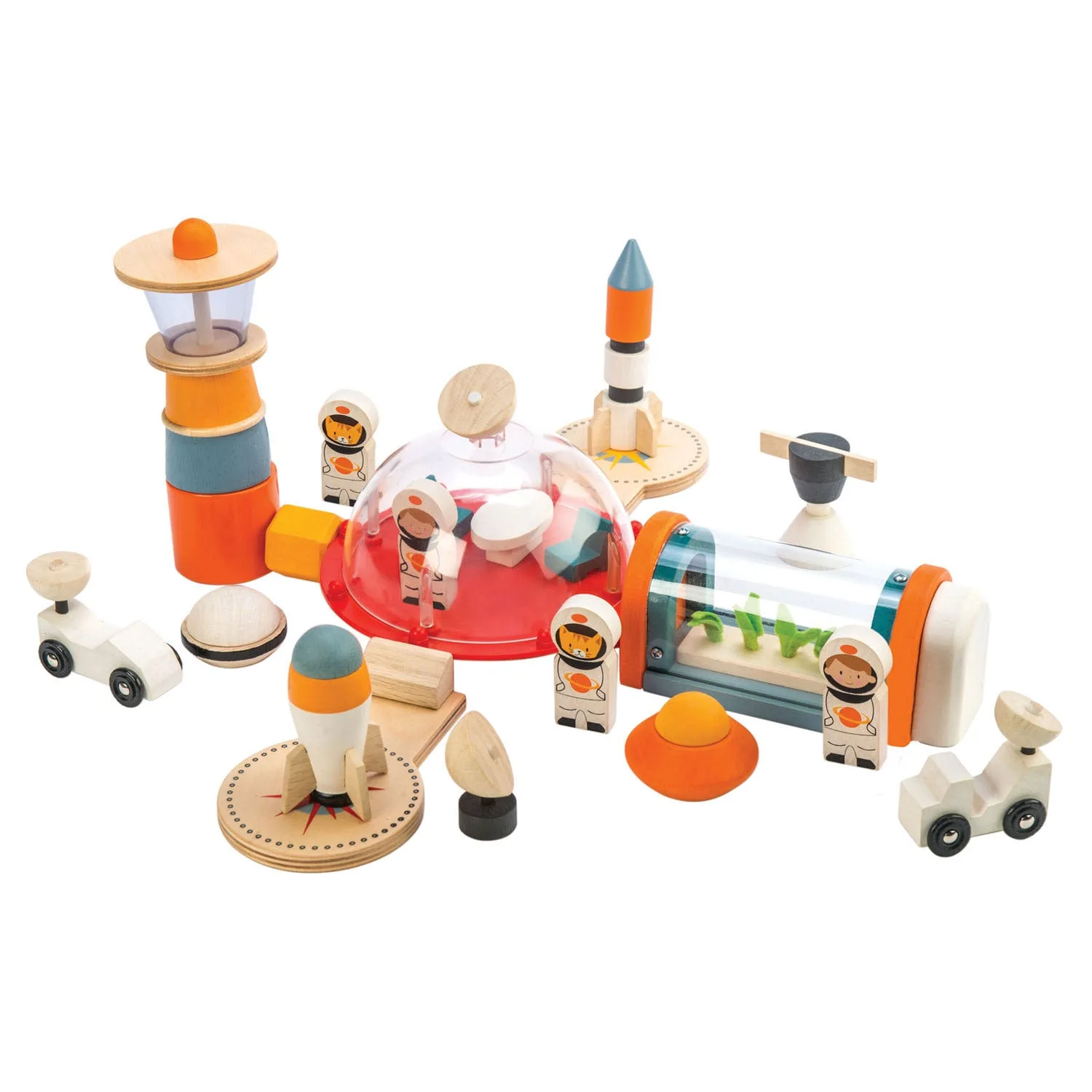
If the toy is a favorite, consider replacing just that piece rather than repairing it. Sets like the Life on Mars Set or Noah’s Wooden Ark include multiple pieces, so one worn item does not have to end play for the whole set. If the toy is a one-piece item with structural damage, retirement is the honest choice.
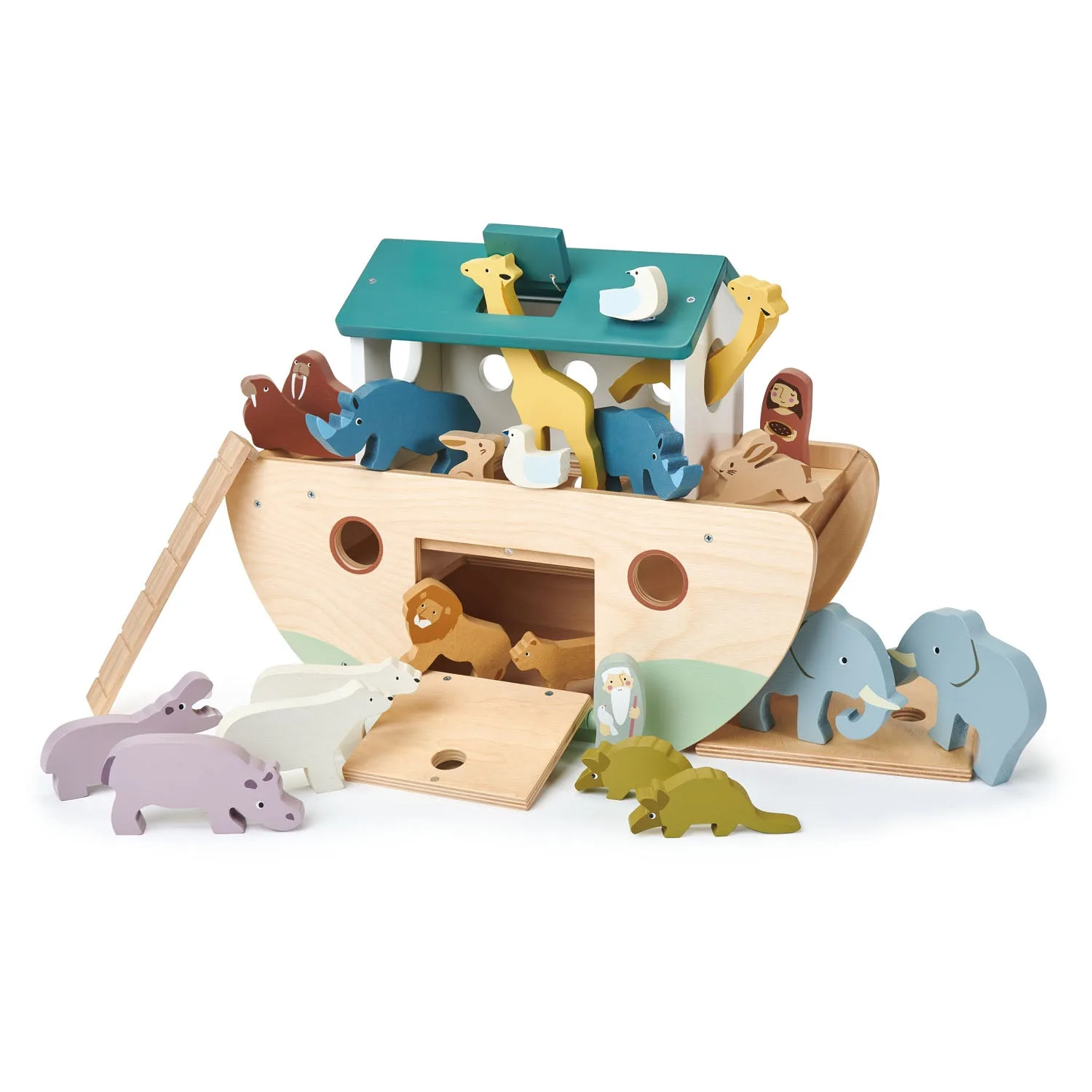
Noah’s Wooden Ark
- Stop for cracks, splinters, loose joints, or flaking paint.
- Do not sand structural damage smooth.
- Replace a single piece when the rest of the set is still sound.
Keep future scratches to a minimum
Most scratches come from toys rubbing against each other in storage. Store wooden toys in a bin or basket with a soft liner, or keep pieces separated in cloth bags. Avoid tossing wooden toys into a metal or hard plastic bin where they slide and collide.
A regular wooden toy care routine helps too. Wipe toys with a dry cloth after play, keep them out of prolonged direct sun, and re-wax oiled surfaces once or twice a year. These small habits reduce the need for repair scratched wooden toys work later.
- Use a soft liner or cloth bags for storage.
- Avoid hard bins that let pieces slide and collide.
- Re-wax oiled toys once or twice a year.
Scratch diagnosis: symptom, cause, action, stop point
- Pale surface line, nail glides over it: Likely cause: finish wear from normal play. Corrective action: clean, apply a wax repair stick, and buff. Takeaway: this is the safest scratch to refresh yourself.
- Groove that catches a fingernail: Likely cause: torn wood fibers from a hard impact. Corrective action: light sanding along the grain with 400–600 grit, then a thin child-safe oil or wax coat. Takeaway: stop if the groove does not improve after one pass.
- Crack, splinter, loose joint, or flaking paint: Likely cause: structural damage or finish failure. Corrective action: stop repair and retire the toy, or replace the single piece if the rest of the set is sound. Takeaway: do not sand or wax over a safety problem.
Product facts that matter for repair and care
- Life on Mars Set: Realistic space station with communication towers, astronauts and UFOs; helps create interest in astrology and science, as well as endless fun and creative role play. Small removable pieces can be inspected and refreshed individually, so one scratched part does not mean the whole set is out of play.
- Noah’s Wooden Ark: Earth-friendly grand ark with a wide opening door, top hatch, double-deck interior, slide-out end, ladder, and a small roof window; Mr. and Mrs. Noah have collected 10 pairs. Many small animal figures and moving parts mean more surfaces to check during cleaning and scratch inspection.
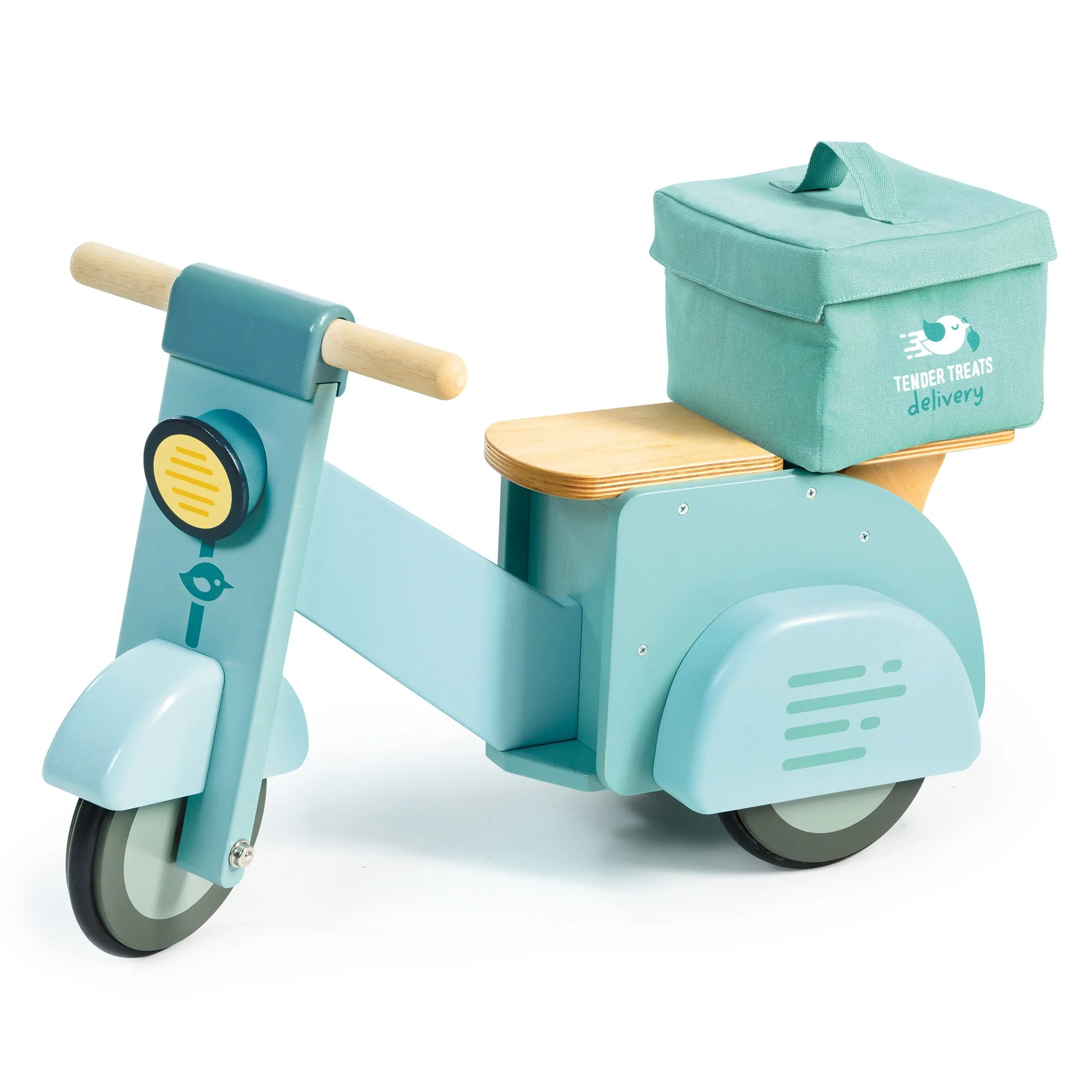
- Delivery Scooter: Speedy looking delivery scooter with canvas bag on the back to carry pretend food; includes a cardboard take away menu; good for pretend play and social and language skills. The canvas bag and cardboard menu need different care from the wooden scooter, so keep water and wax away from the non-wood parts.
Most scratched wooden toys can be cleaned, waxed, and returned to play in minutes. Repair the surface, stop at structural damage, and your wooden toy care routine will keep the rest of the set looking good for longer.