Quick answer
If your flashlight won't turn on, first confirm the tail cap is fully tightened and the cells are seated in the correct orientation, then test the batteries in another device before buying replacements. For most everyday lights, matching the original battery type and keeping contacts clean will restore performance; if the light still fails after a fresh, correctly installed set, the issue is likely internal and it's time to consider a rechargeable model that removes battery replacement from the routine.
Match the battery type before you buy
The fastest way to waste money is grabbing the wrong cell size. Check the label inside the battery tube or the manual, and note both the size and the chemistry. Common flashlight battery types include alkaline AA and AAA, lithium AA and AAA, and rechargeable lithium-ion packs built into the light. Mixing old and new cells, or mixing chemistries in the same light, causes uneven discharge and can make a dim light look like a dead one.
- Write down the size and chemistry from the old cells before disposing of them.
- Replace the whole set at once, never one cell at a time.
- If the light uses a proprietary rechargeable pack, do not substitute loose cells.
Fix a flashlight that won't turn on
A dead-looking light is often a contact problem, not a dead battery. Remove the tail cap and head, wipe the threads and metal contact points with a dry cloth or a pencil eraser, and look for corrosion or a compressed spring. Reassemble firmly; many lights need the tail cap snugged down fully to complete the circuit. If it still won't light, test the cells in a known-working device. When fresh cells and clean contacts still produce nothing, the driver or switch has likely failed and repair is rarely cost-effective on an inexpensive light.
- Tighten the tail cap and head before assuming the batteries are dead.
- Clean threads and contacts; corrosion is a common culprit.
- Test cells in another device to separate battery failure from light failure.
Extend runtime with better habits
Runtime drops fastest when you leave a light on high mode in a hot car or run it until it's completely flat. Store lights with the tail cap loosened a quarter turn to prevent accidental drain, and use lower modes for close-up tasks where high output isn't needed. For lights you use daily, rechargeable options reduce waste and cost; a compact rechargeable pen light can cover everyday carry without a drawer full of loose cells. If you rely on a light for emergencies, check and top up its charge on a set schedule rather than waiting for failure.
- Loosen the tail cap slightly for storage to stop parasitic drain.
- Use medium or low modes for tasks that don't need full output.
- Recharge or replace cells on a calendar reminder, not when the light dies.
Diagnose the problem before you replace anything
- Light won't turn on at all: Check that the tail cap and head are fully tightened, then clean the threads and contacts. If the light still fails with fresh cells installed correctly, the switch or driver is the likely fault. If cleaning and tightening don't help, stop buying batteries for this light.
- Light turns on but is very dim: Dim output usually means the cells are nearly depleted or you mixed old and new batteries. Replace the whole set with matching size and chemistry, and avoid mixing brands or charge levels. If a full matching set doesn't restore brightness, the LED or driver may be failing.
- Runtime keeps getting shorter: Frequent short runtime points to worn rechargeable cells, parasitic drain from storage, or habitually running on the highest mode. Loosen the tail cap for storage and step down to a lower mode for routine tasks. If runtime is still poor after new cells and better habits, choose a light with a sealed rechargeable battery instead of continuing to replace disposables.
Rechargeable options that skip battery replacement
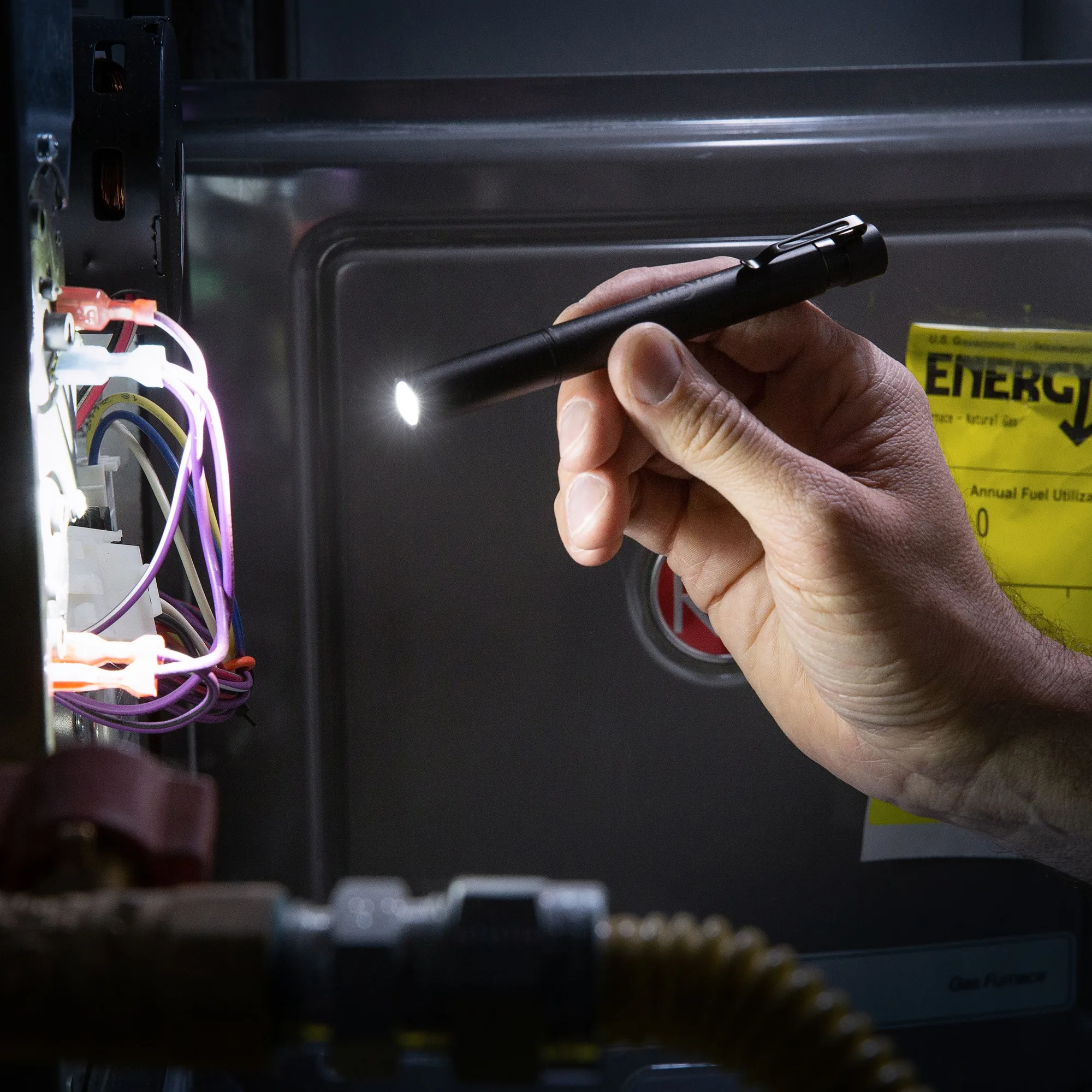
- Radiant™ Rechargeable Pen Light: The Radiant Rechargeable Pen Light delivers 235 lumens with waterproof and drop-proof ratings in a body no larger than a pen. A rechargeable pen light removes the need to stock and swap disposable cells for everyday carry, and the compact size makes it easy to keep in a bag or pocket.
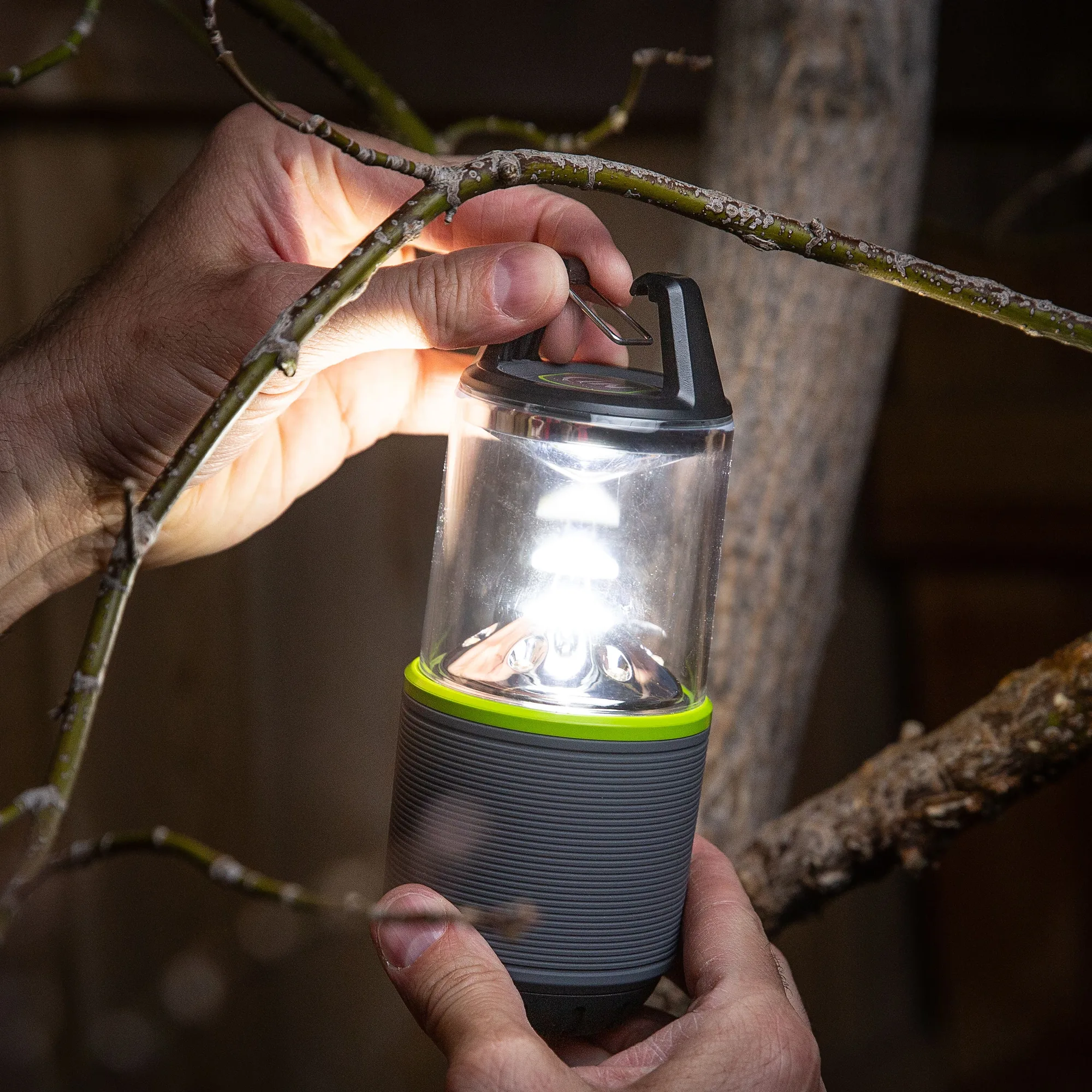
- Radiant™ RL2™ Rechargeable Lantern: The Radiant RL2 Rechargeable Lantern offers 400 lumens, a built-in power bank, 6 modes, and white and amber LEDs. For home emergencies or camping, a rechargeable lantern with a power bank means you can top up your phone and light a room without hunting for spare batteries.