Quick answer
Most OluKai sneakers and slip-ons use a removable footbed, so you can pull the old insole out by hand, clean the interior, and drop in a replacement that matches the original thickness. If the shoe has a Drop-In Heel, fold the heel down before removing or inserting the insole so you do not crease the leather. Replace insoles when the top layer is compressed, torn, or no longer cushions your arch.
Check whether your OluKai insole is removable
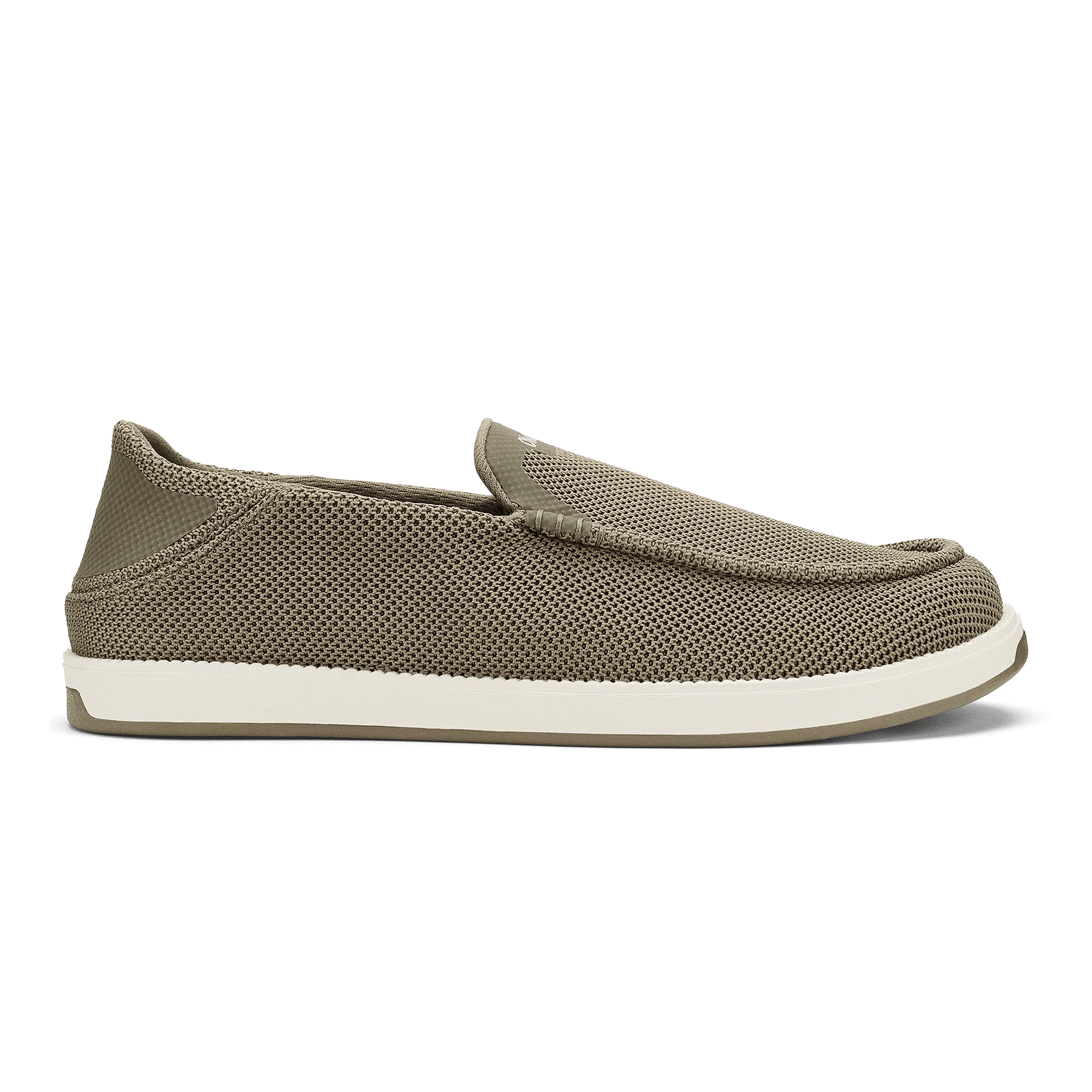
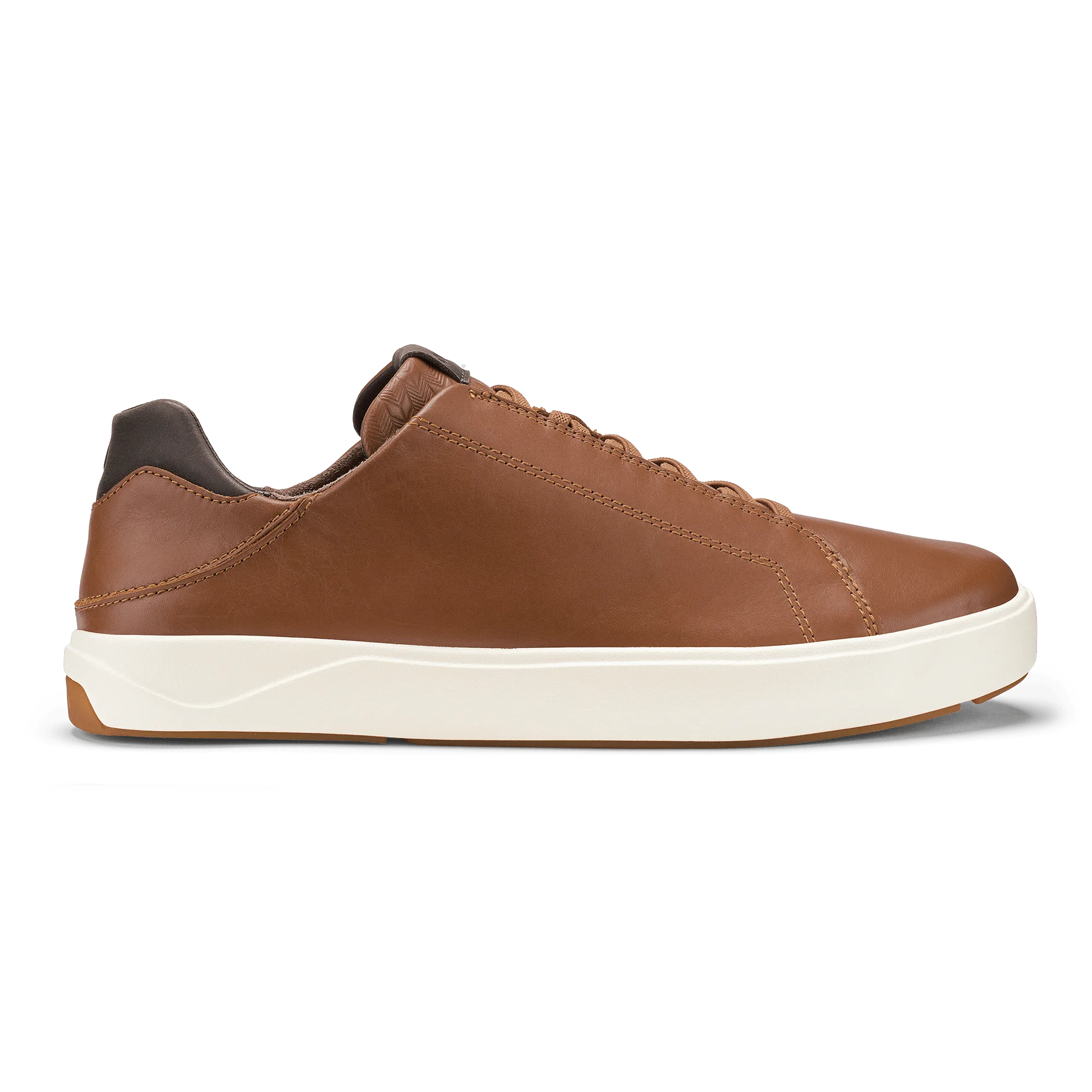
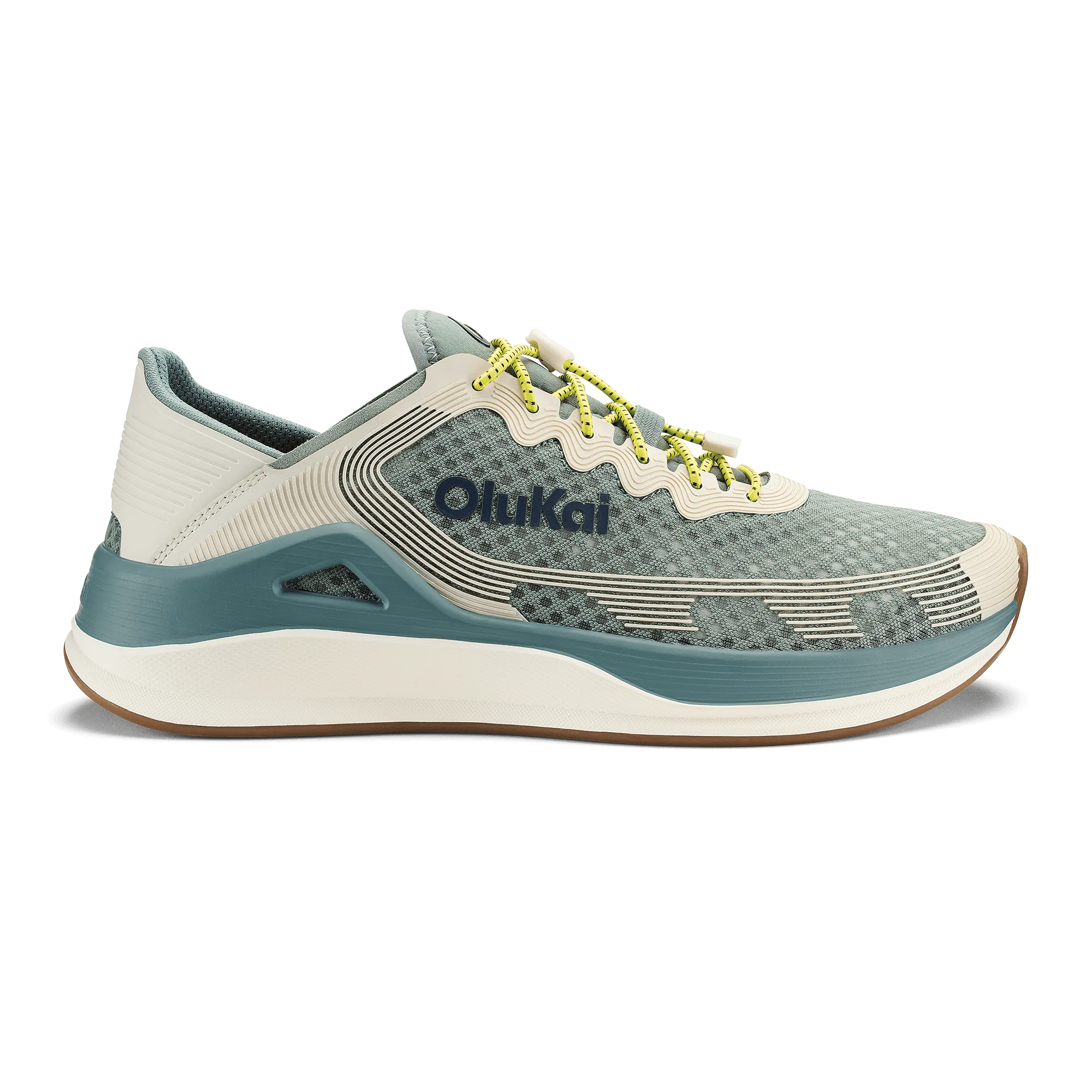
Not every OluKai style is built the same way. Slip-on models such as the Kou Slip On and Laeʻahi ʻili use a full-grain leather upper and a Drop-In Heel, and their footbeds are designed to be taken out for cleaning or replacement. All-terrain styles like the makiki-mens-athletic-shoes-black-c847e9bc34613050ce7b0a97-2940610">Makiki also use a removable footbed, but the interior may be tighter because of the trail-ready traction and cushioned midsole. Before you buy a replacement, lift the edge of the current insole with your thumb. If it releases without tearing the lining, it is removable.
Match the replacement insole to the shoe, not just the size
A replacement insole must fit the internal shape of the shoe, not only your foot length. For slip-ons with a Drop-In Heel, choose a flat or low-profile insole that will not bunch when the heel folds down. For the Makiki and other athletic styles, a slightly thicker cushioned insole can work if the shoe still has room in the toe box. If you are unsure, measure the old insole from heel to toe and compare it to the replacement before trimming anything. Trimming is possible on some flat insoles, but never cut a molded arch support.
Remove the old insole without damaging the lining
Work from the heel forward. Slide your fingers under the back edge and pull slowly. If the insole is glued at the toe, use a dull butter knife to gently separate it, but stop if you feel resistance from the shoe structure. For leather slip-ons like the Laeʻahi ʻili, avoid pulling at the wool-blend lining. Once the old insole is out, vacuum or brush out any sand, salt, or debris. A clean interior helps the new insole sit flat and prevents premature wear.
Insert the new insole and test the fit
Set the replacement insole in place with the heel first, then press from heel to toe. On Drop-In Heel models, keep the heel folded down until the insole is fully seated, then flip the heel back up. Put the shoe on and walk a few steps. Your heel should not slip, and your toes should not press against the front. If the insole slides, a thin strip of double-sided tape under the heel can hold it without damaging the shoe.
Step-by-step insole replacement
- 1. Confirm the insole is removable: Lift the heel edge with your thumb. If it separates cleanly, it is removable. If it is glued down, do not force it; contact OluKai or a cobbler. Checkpoint: the old insole should come out in one piece without tearing the lining.
- 2. Choose the right replacement: Measure the old insole and match the thickness to your shoe type. Flat for slip-ons, slightly cushioned for athletic styles. Avoid thick arch supports in tight leather slip-ons. Mistake to avoid: buying a one-size insole and trimming a molded arch, which ruins the support.
- 3. Clean the shoe interior: Remove debris with a soft brush or vacuum. Wipe leather interiors with a dry cloth. Let the shoe air out before inserting the new insole. Checkpoint: no grit or sticky residue left behind, which can cause the new insole to slide.
- 4. Insert the new insole heel-first: Press from heel to toe. On Drop-In Heel models, keep the heel folded down until the insole is flat, then flip the heel up. Mistake to avoid: forcing the insole under a folded heel, which can crease the leather.
- 5. Walk-test and adjust: Wear the shoes for a few minutes indoors. If the insole slips, add a strip of double-sided tape under the heel. If it feels too tight, try a thinner insole. Next step: if the shoe still feels unsupportive, the midsole may be worn, not just the insole.
OluKai styles and their insole setup
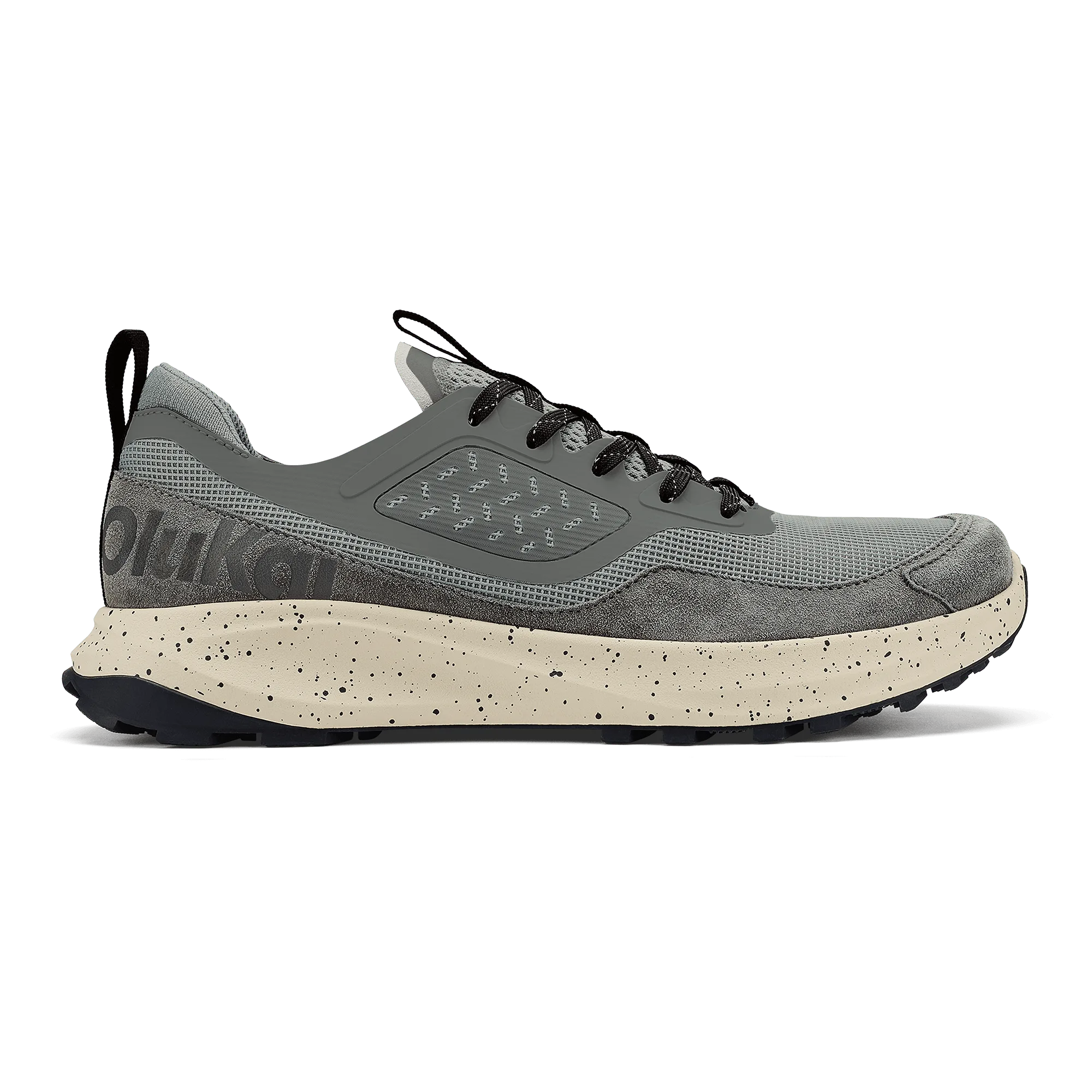
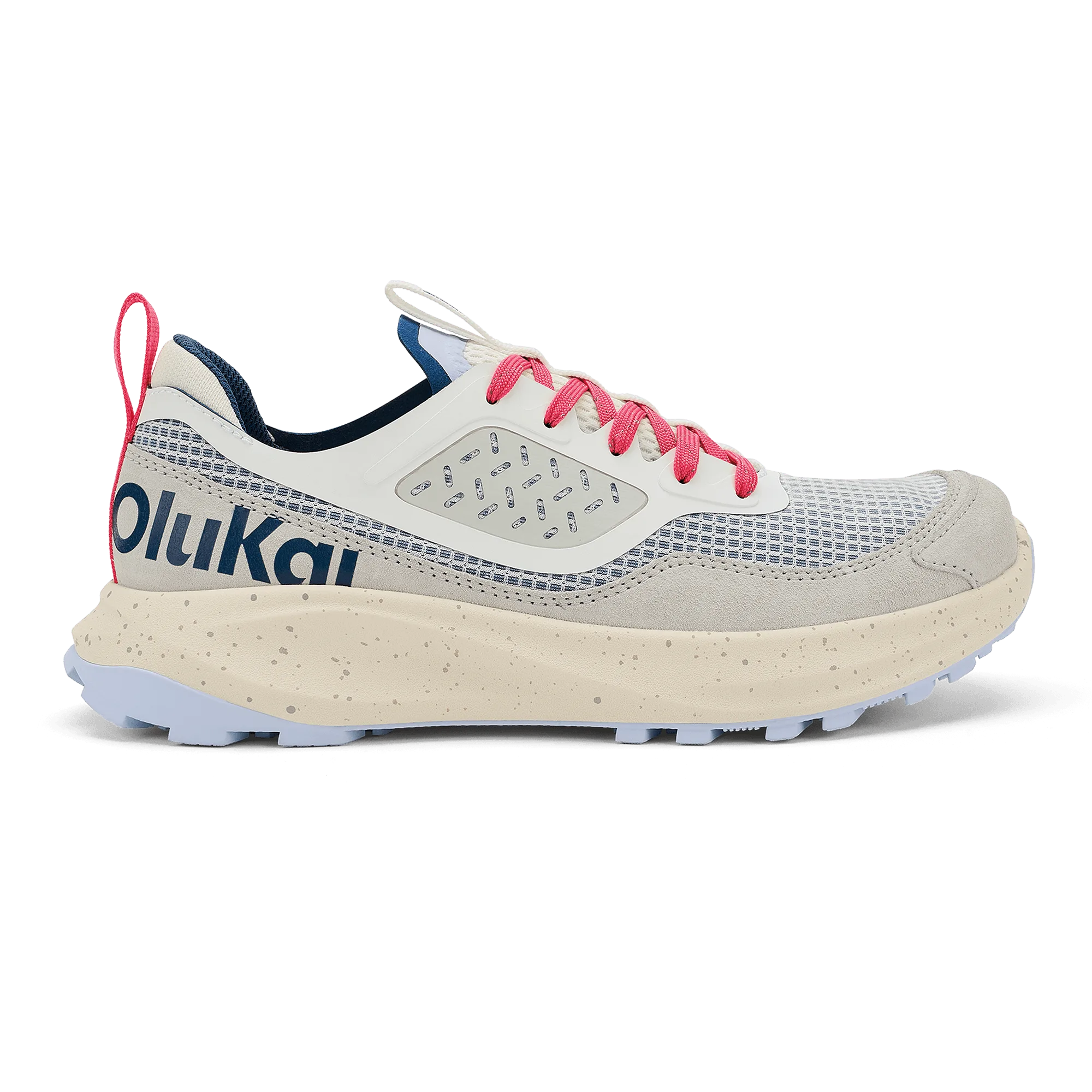
- Makiki: The Makiki is built for the path ahead with a lightweight, breathable upper and responsive cushioning, plus trail-ready traction. A cushioned replacement insole can add comfort on long walks, but keep it low-profile so the trail-ready fit does not become too tight.
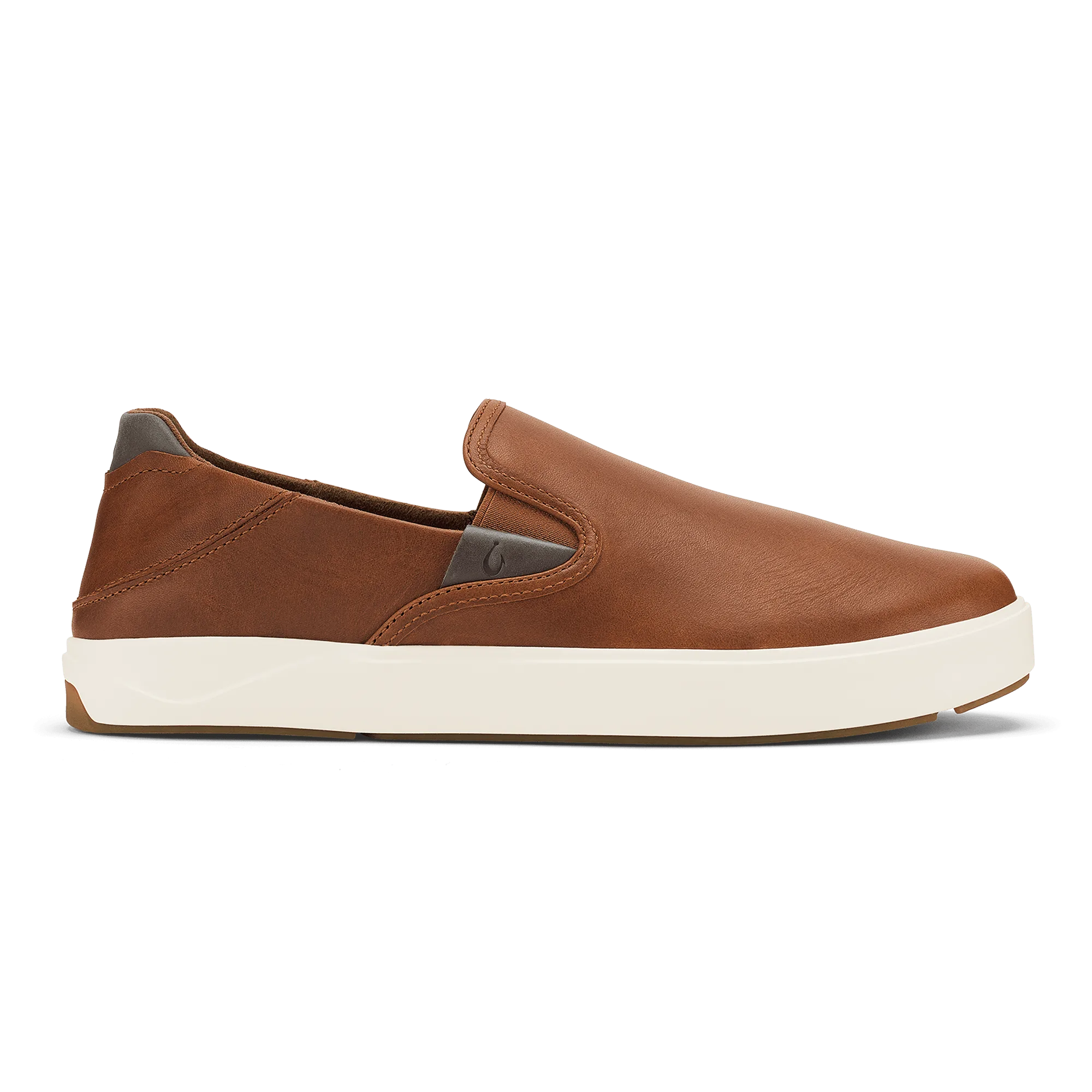
- Kou Slip On - Walnut / Walnut: The Kou Slip On pairs full-grain leather with a Drop-In Heel that switches from shoe to slide. Fold the heel down before you remove or insert an insole, and choose a flat insole so the leather does not crease.
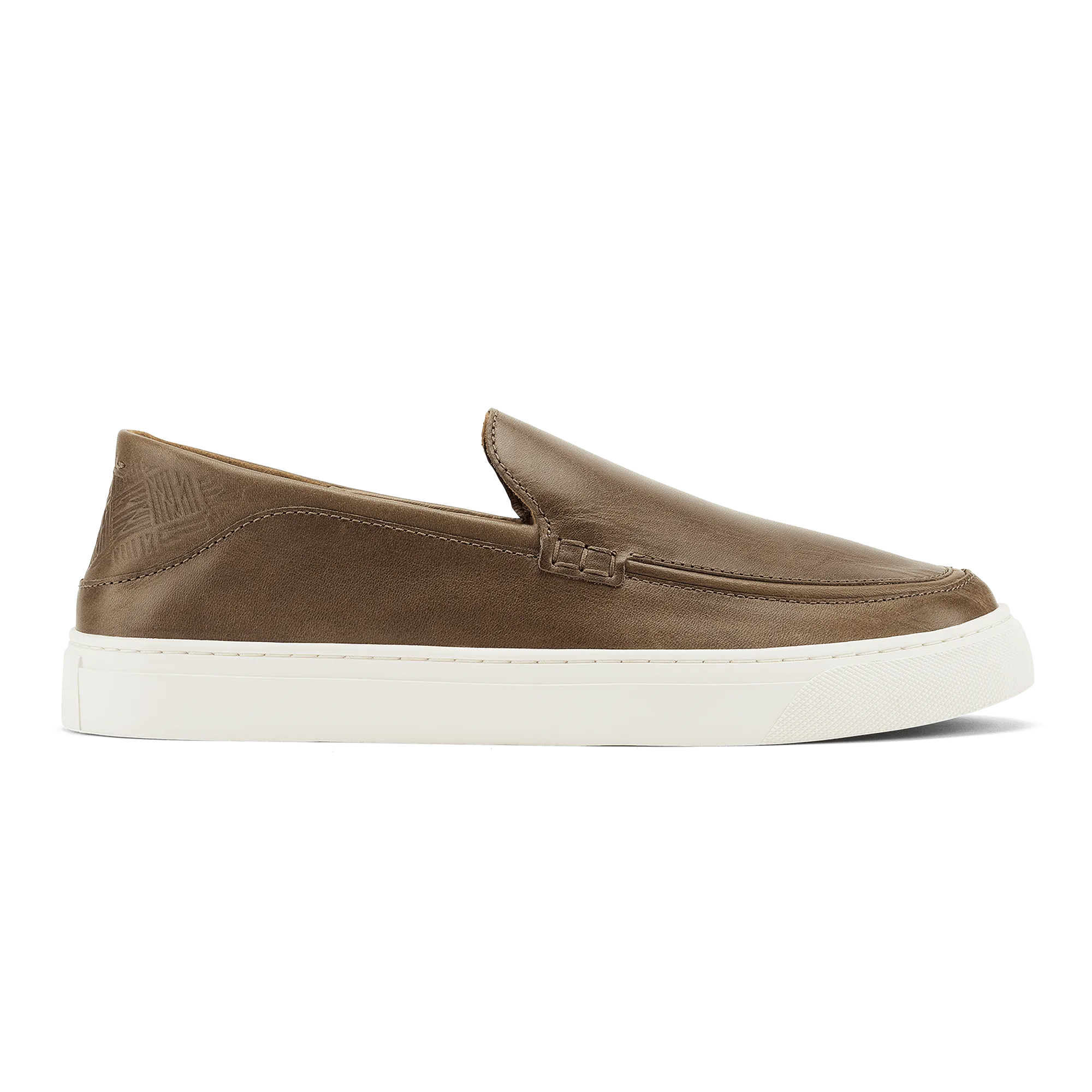
- Laeʻahi ʻili - Fox: The Laeʻahi ʻili has a full-grain leather upper, geometric debossing, and an ultra soft wool-blend lining. The wool-blend lining can catch on rough insole edges, so slide the replacement in slowly and avoid pulling the lining.