Quick answer
Sort every box the day it arrives, flatten and store the sturdy ones, and reuse them as storage, gift boxes, or shipping supplies before you recycle the rest. The rule that keeps this from becoming clutter: keep only boxes you can name a specific use for, and recycle or pass on the rest within a week. If you already have a stack of unopened boxes, start with step one and work through in order.
Subscription boxes arrive with a surprising amount of packaging: the outer mailer, an inner box, tissue, filler, and sometimes a branded sleeve. Most of it is reusable, but only if you deal with it before it joins the pile in the garage. This guide gives you an ordered routine, from the moment you open the box to the moment the leftovers leave your home.
The goal is not to keep everything. It is to keep the pieces that genuinely replace something you would otherwise buy, and to recycle the rest correctly. Along the way, the products you receive can guide how you store and reuse what they came in.
Start with a same-day sort
Open the box, take out the products, and immediately separate packaging into three piles: reuse now, reuse later, and recycle. Reuse now means a box you can fill today, such as a gift you are already planning. Reuse later means a sturdy box or a set of tissue you will realistically use within a month. Recycle is everything crushed, damp, or greasy.
The common mistake is leaving the empty box on the floor 'for later.' Within a week it is flattened under something else and the decision is gone. If you cannot name a use for a box in ten seconds, it goes in the recycle pile.
- Checkpoint: if the box is torn, stained, or smells like the product inside, recycle it rather than storing it.
Flatten and store boxes so they stay usable
Cut tape along the seams rather than ripping it, then fold the box flat. Store flattened boxes upright in one spot, sorted by size, so you can flip through them like files. Keep a small bin for tissue paper, filler, and ribbon nearby so the whole kit lives together.
If you save shipping boxes for resale or returns, write the inner dimensions on the flap with a marker. That single habit saves you from guessing later. Boxes stored in a damp garage or basement lose strength, so keep the stash indoors if you plan to ship with it.
- Common mistake: stacking boxes flat under heavy items, which crushes the corners and makes them unusable for shipping.
Turn boxes into storage you will actually use
A sturdy subscription box with a lid is already a drawer organizer. Use small boxes for cables, craft supplies, or kids' small toys, and larger ones for seasonal items. Label the short side, not the lid, so you can read it when boxes are stacked.
For open-top storage, cut the flaps off cleanly with a craft knife and wrap the box in leftover tissue or kraft paper. This is where a box from a monthly subscription earns its keep: it is sized for the products it held, so it often fits their accessories too.
- Checkpoint: if a box has no lid and no sturdy sides, it will not survive as storage. Use it as a drawer divider instead.
Reuse gift boxes and filler for gifting
Plain or lightly branded boxes make excellent gift boxes once you cover the logo with a label, ribbon, or a strip of washi tape. Reuse tissue paper by crumpling it back into shape, and reuse bubble wrap or paper filler for the next fragile gift you mail.
This is where a small purchase can make reuse look intentional. The Hen Party Advice Cards, for example, come as 10 pink and rose gold foiled cards at 11cm x 22cm, so they fit neatly into a reused shallow gift box with room for a ribbon. You are not buying packaging; you are buying the contents and letting the box do its second job.
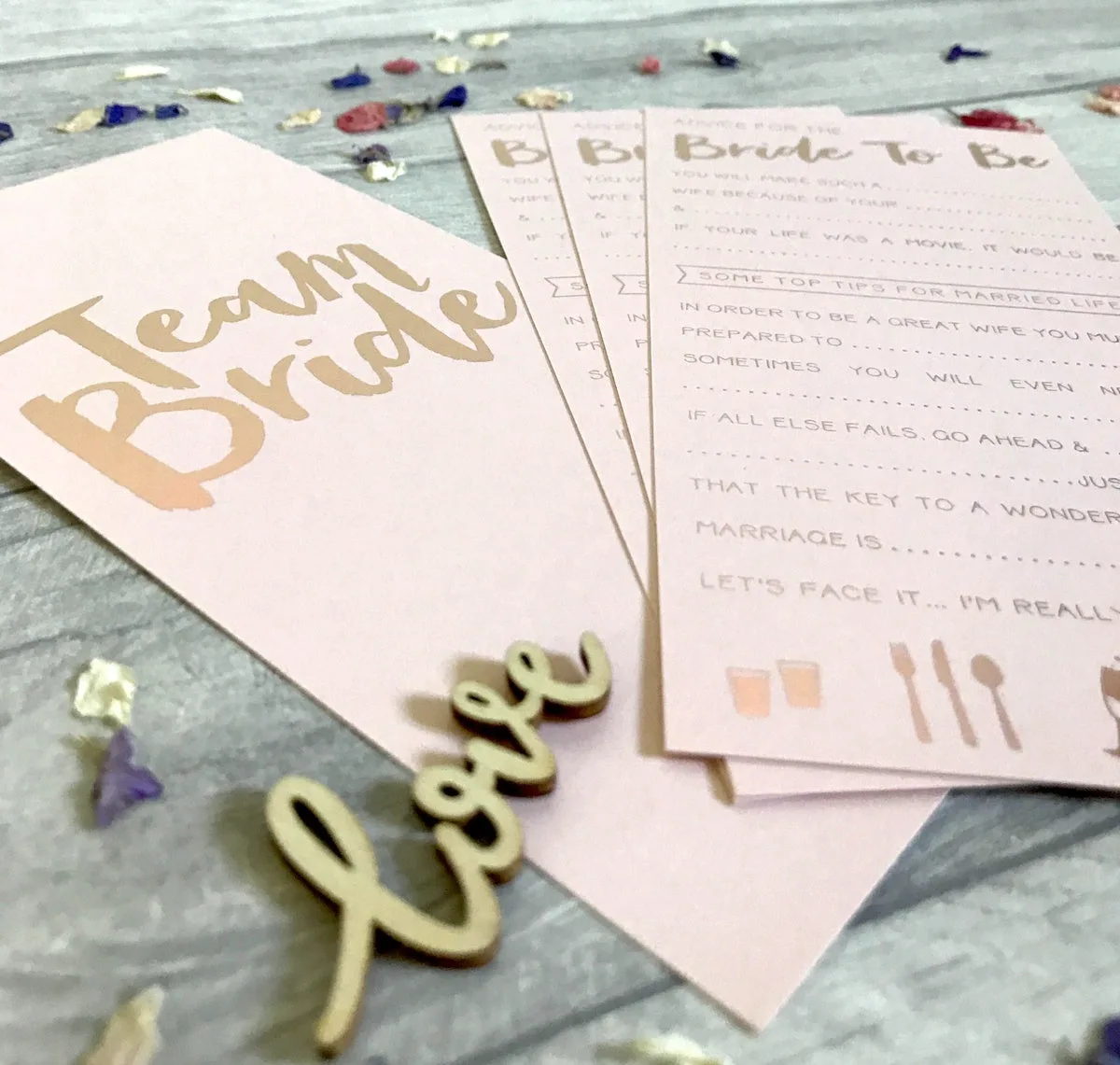
Hen Party Advice Cards
- Common mistake: reusing a box with a strong scent or grease mark. Paper absorbs odors, and the recipient will notice.
Reuse shipping boxes for returns and resale
Keep two or three clean, sturdy shipping boxes in common carrier sizes. When you sell an item online or return a purchase, you avoid buying a new mailer. Remove old labels completely, or cover them fully, so the barcode does not confuse the carrier.
Reinforce the bottom seam with fresh tape even if the box looks fine. A reused box has already been through one trip, and the corners are the first thing to fail. If the box has been crushed or wet, do not ship with it.
- Checkpoint: weigh the packed box before printing postage. Reused boxes are sometimes heavier than the original, which changes the rate.
Recycle what you cannot reuse
Corrugated cardboard and paper filler recycle easily in most curbside programs. Remove tape, labels, and any plastic windows first, because they contaminate the paper stream. Flatten boxes so they take up less space in the bin.
Soft plastic film, bubble wrap, and padded mailers usually do not belong in curbside recycling. Check whether a local store accepts plastic film, or reuse the film for the next shipment. Glossy or foil-coated gift boxes are often not recyclable as paper; if in doubt, reuse them as storage rather than guessing.
- Common mistake: putting a whole box in the recycling bin without flattening it, which can jam sorting equipment.
Match reuse to the products you receive
Some subscription contents come with their own storage logic. The Pink Tagua Necklace is adjustable and handmade from lightweight tagua nuts, so it stores well in a small reused box with tissue to prevent scratching. A box that held jewelry is often the right size for the next piece.
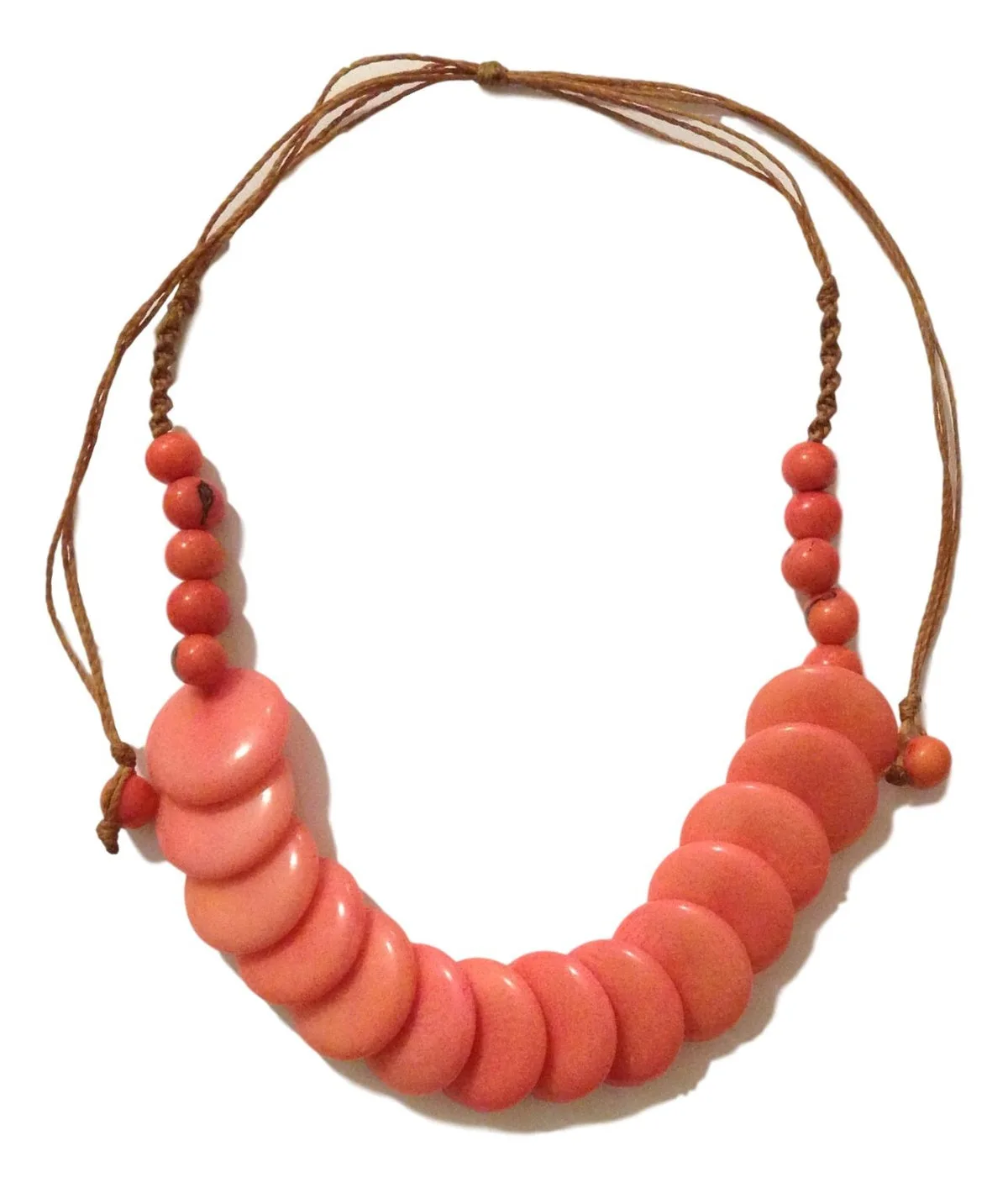
Pink Tagua Necklace
For larger hauls, the Mega-Sized Mystery Box ships 18+ full-sized products with over $450 retail value, which means a lot of packaging at once. That is the moment to sort aggressively rather than keep everything. Keep the two best boxes, recycle the rest, and use the saved boxes for the products you are not displaying yet.
- Checkpoint: if a product has its own pouch or case, the outer box is usually the one to recycle first.
Your reuse and recycle routine, step by step
- Open and sort the same day: Separate packaging into reuse now, reuse later, and recycle. Name a use for each box you keep. If you cannot name a use in ten seconds, recycle it.
- Flatten and store by size: Cut tape at the seams, fold boxes flat, and stand them upright in one indoor spot. Write inner dimensions on the flap. Damp storage ruins box strength, so keep the stash dry.
- Assign boxes to storage or gifting: Use lidded boxes for drawer organization and shallow boxes for gifts. Cover logos with labels or ribbon. Skip boxes with grease marks or strong odors.
- Reserve two shipping boxes: Keep clean, sturdy boxes in common carrier sizes for returns and resale. Remove old labels and re-tape the bottom seam. Weigh the packed box before buying postage.
- Recycle the rest correctly: Flatten cardboard, remove tape and plastic windows, and keep soft film out of curbside paper recycling. When in doubt about a coated gift box, reuse it as storage instead of guessing.
- Clear the stash monthly: Once a month, pull out boxes you have not used and recycle or donate them. The routine only works if boxes leave as well as arrive. A stash you never touch is clutter, not sustainability.
Product facts that help with reuse
- Pink Tagua Necklace: Adjustable necklace handmade of lightweight, durable tagua nuts by local artisans in Ecuador. A small reused box with tissue keeps the necklace from tangling or scratching, so the packaging you already have does the job of a jewelry case.
- Mega-Sized Mystery Box: 18+ full-sized products & $450+ retail value: Contains 18+ full-sized products with over $450 retail value. A large shipment means a large packaging pile. Decide which one or two boxes to keep before you open the next one, or the stash grows faster than you can use it.
- Hen Party Advice Cards: 10 pink and rose gold foiled cards per pack, 11cm x 22cm. The card size fits a shallow reused gift box, so you can present them in packaging you already own instead of buying a new box.
Reusing subscription box packaging comes down to one habit: decide the same day, store only what has a named use, and let the rest go to recycling. Do that, and the boxes you keep will actually earn their space.